*** Planning war with China – part 10 – don’t miss it ***

Max : "Rules based world order = we make the rules, and we make the orders".

Economic imperialism. With The GrayZone - professor Michael Hudson talks with Ben Norton and Max Blumenthal (3 very wise brains) ...

[640],shadow=true,start=,stop=
[320],shadow=true,start=,stop=

Bonus film - on 'humane war'; rebranded war ('war is peace') - Aaron Maté talks with Samuel Moyn ...

[320],shadow=true,start=,stop=

Bonus film 2 - on Hunter Biden's laptop ...

[320],shadow=true,start=,stop=

Bonus film 3 - John Bolton challenged on Iran regime change, Afghanistan, US sanctions, bombing of Syria - with Afshin Rattansi ...

[320],shadow=true,start=,stop=

Bonus film 4 - why Hillary Clinton smeared Tulsi Gabbard ...

[320],shadow=true,start=,stop=


Related Videos


Featured Videos

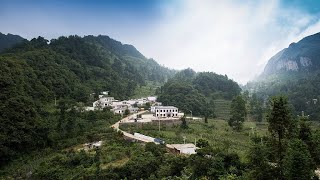
XiJiang QianHu Miao Village, GuiZhou province
With Beijing Old Liu ... Xijiang Qianhu Miao Village Visitor Guide Overview Xijiang Qianhu Miao Village, located in Leishan County, Guizhou Province, is the largest Miao village in China and is often referred to as the "Thousand Household Miao Village." This picturesque village is known for its well-preserved traditional Miao architecture, vibrant cultural heritage, and stunning natural scenery. It offers a unique glimpse into the life and traditions of the Miao people. History and Culture The Miao people are one of China's 56 ethnic minorities, with a history that dates back over 2,000 years. Xijiang Qianhu Miao Village is a living museum of Miao culture, where visitors can experience traditional Miao customs, clothing, music, and dance. The village is known for its grand festivals, including the Lusheng Festival, the Miao New Year, and the Sisters' Meal Festival, which feature elaborate costumes, folk dances, and traditional music performances. Main Attractions Miao Ethnic Museum The Miao Ethnic Museum offers a comprehensive look at the history, culture, and traditions of the Miao people. Exhibits include traditional clothing, silver ornaments, musical instruments, and artifacts from daily life. Traditional Miao Architecture The village is renowned for its traditional stilt houses, known as "Diaojiaolou," which are built on wooden stilts and feature intricate wooden carvings. Walking through the village, visitors can admire these unique structures and learn about their construction and significance. Folk Performances Daily folk performances in the village square showcase traditional Miao music and dance. These performances are an excellent way to experience the vibrant cultural heritage of the Miao people. Festival Celebrations Visiting during one of the major festivals, such as the Miao New Year or the Sisters' Meal Festival, provides a deeper insight into Miao culture. These festivals feature colorful parades, traditional music, and elaborate dances, making them a highlight of any visit. Outdoor Activities Hiking and Nature Walks The surrounding hills and rice terraces offer excellent opportunities for hiking and nature walks. The scenic trails provide panoramic views of the village and the lush countryside, making it a paradise for nature lovers and photographers. Exploring Rice Terraces The rice terraces around Xijiang are a testament to the agricultural ingenuity of the Miao people. Visitors can explore these terraced fields, which change colors with the seasons and offer stunning photographic opportunities. Local Cuisine Miao cuisine is known for its bold flavors and use of local ingredients. Some must-try dishes include sour fish soup, sticky rice cakes, and various pickled vegetables. Many local restaurants and street vendors offer authentic Miao food, providing a true taste of the region. Accommodation Xijiang Qianhu Miao Village offers a range of accommodation options, from traditional Miao-style guesthouses to modern hotels. Staying in a local guesthouse provides a more immersive experience, allowing visitors to enjoy Miao hospitality and learn more about their way of life. Travel Tips Best Time to Visit: The best time to visit is during the spring (March to May) and autumn (September to November) when the weather is mild, and the rice terraces are most picturesque. Getting There: The village is accessible by bus from Kaili City, which is connected to major cities like Guiyang by train and bus. Respect Local Customs: When visiting, be respectful of local customs and traditions. Ask for permission before taking photos of people, especially during festivals and ceremonies. Pack Accordingly: Bring comfortable walking shoes for exploring the village and surrounding areas. A light jacket is recommended for the evenings, as temperatures can drop.
Taiwan discussion (and much more) with Einar Tangen
With Einar Tangen ...
WangXian valley night walk, JiangXi province
The WangXian Valley scenic area in ShangRao, JiangXi, is home to gorges, peaks, giant rocks, waterfalls, and a variety of Buddhist temples. With Walk East ...
A day in BeiJing 北京
Including the Forbidden City (Palace Museum), BeiHai Park, the Temple of Heaven (TianTan) and the Summer Palace (YiHeYuan) ...
Planning war on China – part 17
Just what is the National Endowment for Democracy (NED) - and what is it really up to ? With Brian Berletic and Angelo Giuliano / The New Atlas ... Bonus films : YChina attacked by the New York Times ... BreakThrough News talks with Tings Chak ... The West's (willing) failure to understand China's history - The Geopolitics In Conflict Show talks with Dr. Ken Hammond ... On Google ... On Palestine ... US torture horrors at Guantanamo ... On Africa and China ... On empire / colonialism (and 'world currency') ... On Cuba ... On Ukraine ... On the genocide of native Americans ... On US dystopia ... With Cyrus Janssen ...
Scenes from YuanMingYuan 圆明园, BeiJing
YuánMíngYuán was the original Summer Palace in BeiJing and sometimes referred to as the 'Old Summer Palace'. YuanMingYuan lies 8 kilometers (5 miles) northwest of central Beijing, close to the (new) Summer Palace (YíHéYuán 颐和园). It was constructed during the 18th and early 19th centuries and was a wonderland of lakes and waterways, bridges, hills and pavilions. There were originally towers, terraces, pavilions, halls, corridors, pagodas and bridges with a total construction area of 150,000 square meters. Artisans were recruited from all over China to enact the exquisite settings. Many of the 160 scenic spots were reproductions of famous mountains, rivers and famous gardens in China. The various styles of architecture, standing encircled by hills and streams, presented a most picturesque view. In addition, hundreds of invaluable Chinese art masterpieces and antiquities were stored in the halls, including some unique copies of literary works and collections. YuanMingYuan was, indeed, a veritable museum of garden construction and horticulture. Known to be one of the largest museums in the world, a popular name in China was the 'Garden of Gardens'. In 1860 during the 'Second Opium War', YuanMingYuan was looted then burned down by imperialist British and French troops. So great was the devastation that a new Summer Palace was later built nearby.
The CCTV Spring Festival (CNY) Gala 2016
Making Chinese lanterns with bamboo
With 九月 江尋千 ...
China trip video series
Hong Kong, Shanghai, the Great Wall and much more. With Ryan and Emma / One Shot Adventures ... [videogallery type=playlist id=PLIHYvA1qSN5P1hZGrHh418MUuols6OfPS c=2]

Tag search ?