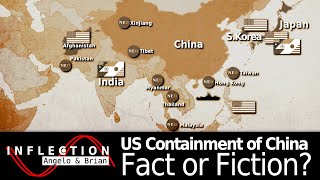
Planning war on China – part 39 – the very last part – so don’t miss it

With Brian Berletic, Ben Norton, Aaron Mate, DDN, George Galloway ...

[640],shadow=true,start=,stop=
[320],shadow=true,start=,stop= [320],shadow=true,start=,stop= [320],shadow=true,start=,stop= [320],shadow=true,start=,stop=

* A comment from the dEVIL : "In the West, I have freedom - to do whatever I feel like.
Wherever big money and privilege rule, I can trample and destroy whoever I like; and fool you however I wish ! So easy : )
Resist me, and you are my projection (the 'evil one' - lol; you're just trash). I am me, the greatest and noblest, and you are my slave, er, 'equal' (trust me); but I am your master, well, I am superior; I am the Ministry of Truth. I control everything you know. Just believe. Don't mess with reality when I can protect you with my fantasies."
*

** Reply to dEVIL : You are nothing but a fake memory. On awakening, you are gone. The dEVIL has no clothes.

~~~ Save this link - before it disappears, in the name of free speech ; ) ~~~

: It is not about 'me'; it is about 'we'. That is oneness; i.e. love.

: Only fear keeps us separate.

: Love is the absence of fear.

MEANWHILE (back in the civilized world) :

The ShangHai metro ...

[320],shadow=true,start=,stop=

SanLiTun night walk, BeiJing ...

[320],shadow=true,start=,stop=

The 'China threat' - the 'threat' of a good example - a better path, better life.

: In China, the people are family; and the people of the world are all family.

: In the West, the 'people', are merely livestock to an elite.

Final thought : in this series of posts we have looked at many places around the globe, yet hopefully it is clear by now that it all is part of a master plan to subjugate China. And all of Asia / the 'South'.

And you, wherever you are.

A tiny, tiny minority subjugating the people of Earth, suffocating their development and well-being; their joy and happiness and dreams.

Wish this to be the last in the series. Let's see.

UPDATE : Yes, part 39 will be the last. But your favorite voices will continue in a new page called Geopolitics, similar to Expat Voices (to be renamed Travel Voices). Brian, Ben, Angelo, Daniel ... will all be there; auto-updated. Here soon ... (It was actually planned months ago, that's why the geopolitics people disappeared from the Expat Voices page - to move to a new page, but till now has not been constructed. But it will be now - BB has said all we can say and wish to concentrate on travel and culture hence).

We also want to say a thank you to the contributors for all their hard work and suggest that if you can do support their invaluable input.

Let's hope there is a tomorrow - see you then.
Related Videos


Featured Videos

This is BeiHai 北海 city, GuangXi province
With Valeriy Blank ...
Traditional BeiJing
With Seiu Travel ...
Modern ChengDu, SiChuan province
With Walk East ...
Scenes from ZhouZhuang 周庄 (2)
ZheJiang province
This is GuangZhou 广州
The capital of GuangDong province is located on the Pearl River and known as the City of Flowers. The city lies 120 kilometers north west of Hong Kong.
Geopolitics update – February 2025 (2)
With Mick Dunford, Michael Hudson and Radhika Desai ... With Wave Media ... With Dialogue Works plus Alex Krainer and Pepe Escobar ... With Stephen Roach ... With Brian Berletic ... With Trip Bitten, on RedNote ... 1. Introduction: The West’s Illusion of Superiority The West has long portrayed itself as the pinnacle of civilization, a beacon of freedom, democracy, and progress. Yet, beneath this self-congratulatory narrative lies a history of exploitation, inequality, and moral decay. From its roots in colonialism and slavery to its modern-day obsession with short-term profits and individualism, the West’s claims to superiority are built on shaky foundations. In contrast, nations like China and many across Asia offer a different vision—one rooted in collective well-being, long-term planning, and a deep respect for cultural heritage. This exploration seeks to uncover the truth behind the West’s facade and highlight the strengths of alternative models. --- 2. The West’s Historical Foundations: Colonialism, Slavery, and Exploitation The West’s rise to global dominance was not achieved through innovation or moral superiority but through the brutal exploitation of others. Colonialism and slavery were not mere historical footnotes—they were the foundation of Western wealth and power. Entire continents were plundered, their resources stolen, and their people subjugated. The transatlantic slave trade, the genocide of indigenous populations, and the exploitation of colonies in Asia, Africa, and the Americas are indelible stains on the West’s conscience. Even today, the West continues to benefit from the structures of inequality established during the colonial era. Global economic systems are still rigged in favor of Western nations, while former colonies are burdened with debt, poverty, and instability. The West’s refusal to confront this history is a testament to its enduring arrogance and hypocrisy. --- 3. The Myth of Democracy and Free Speech: Tools for Regime Change and Hegemony The West’s promotion of “democracy and free speech” is often portrayed as a noble endeavor to spread freedom and human rights. In reality, these ideals have frequently been used as a smokescreen for regime change, economic exploitation, and the maintenance of Western hegemony. Far from empowering people, the West’s version of democracy has often been a backdoor for imposing its will on other nations, destabilizing governments that resist its dominance, and ensuring that the global order remains tilted in its favor. The West’s emphasis on free speech is equally hypocritical. While people are technically free to say what they want, there are significant social and professional consequences for speaking out against the status quo. Dissent is often met with ridicule, ostracism, or even retaliation, particularly when it challenges powerful institutions or entrenched ideologies. --- 4. Poverty as a Tool for Compliance: The West’s Deliberate Inequality Poverty is not an accident or a natural outcome of economic systems—it is a deliberate tool used by the West to maintain compliance and control. By keeping large segments of the population in a state of economic precarity, the West ensures that people are too preoccupied with survival to question the systems that exploit them. Poverty is not just a condition; it is a mechanism of oppression, designed to perpetuate inequality and servitude. The West’s reliance on poverty as a tool of control comes at a tremendous cost—not just for the poor, but for society as a whole. Poverty undermines social cohesion, fuels inequality, and stifles human potential. It is a barrier to progress, a source of suffering, and a stain on the conscience of any society that allows it to persist. --- 5. The Culture of Fear and Conformity: Why the West is Scared to Be Free When visiting the West, one of the most striking observations is the pervasive sense of fear that seems to grip its people. Fear of judgment, fear of failure, fear of standing out—this culture of fear is not an accident but a deliberate outcome of systems designed to keep people compliant, divided, and isolated. In the West, the illusion of freedom masks a reality of constraint, where people are too scared to be themselves, too scared to speak their minds, and too scared to challenge the status quo. This fear of freedom is rooted in the West’s culture of individualism, which isolates people and undermines collective action. In a society where everyone is focused on their own survival and success, there is little room for solidarity or mutual support. People are taught to see themselves as competitors rather than allies, making it difficult to unite against the systems that oppress them. --- 6. The Infantile Culture of the West: Distraction, Instant Gratification, and Ethical Decay The West’s culture is defined by its obsession with instant gratification. From fast food to fast fashion, from social media to sensationalist news, the West prioritizes quick fixes and superficial pleasures over meaningful, lasting fulfillment. This culture of distraction is not just a byproduct of modernity—it is a tool of control. By keeping people focused on trivialities and immediate desires, the West’s elites ensure that the population remains disengaged from the deeper issues that affect their lives. This infantilization is evident in the West’s media and entertainment industries, which prioritize spectacle over substance. Blockbuster movies, reality TV, and viral social media trends dominate the cultural landscape, offering escapism rather than enlightenment. The result is a society that is intellectually and emotionally stunted, unable to grapple with complex issues or think critically about the world around them. --- 7. Short-Term Profits vs. Long-Term Planning: The West’s Unsustainable Model One of the most striking differences between China and the West is their approach to time. China’s governance is defined by its commitment to long-term planning, with a focus on sustainable development, infrastructure, and the well-being of future generations. In contrast, the West is dominated by a culture of short-term profits, where immediate gains are prioritized over long-term stability and progress. This obsession with short-term profits has led to a culture of instability and insecurity. In the West, workers are often treated as disposable, with little job security or access to benefits. Corporations prioritize shareholder returns over the well-being of their employees, leading to a cycle of layoffs, outsourcing, and wage stagnation. The result is a society where people are constantly struggling to keep up, with little hope for a stable or prosperous future. --- 8. China’s Alternative: A Civilization Rooted in Harmony, Collective Well-Being, and Progress In contrast to the West’s infantile culture, China represents a mature and grounded civilization, rooted in thousands of years of cultural heritage and philosophical wisdom. China’s approach to governance and society is defined by its commitment to harmony, collective well-being, and long-term thinking. This is not just a matter of policy—it is a reflection of a deep cultural understanding of what it means to build a just and equitable society. China’s emphasis on education, moral values, and social responsibility fosters a culture of maturity and depth. Rather than being distracted by superficial pleasures, the Chinese people are encouraged to contribute to the collective good and to think critically about the future. This sense of purpose and responsibility stands in stark contrast to the West’s culture of distraction and instant gratification. --- 9. Asia’s Distinct Friendliness and Helpfulness: A Culture of Community and Respect In contrast to the West’s ethical decline, many Asian cultures are characterized by a distinct sense of friendliness, helpfulness, and community. This is not just a superficial difference but a reflection of deeper cultural values that prioritize harmony, respect, and collective well-being. For visitors to Asia, this warmth and generosity are often immediately apparent, creating a stark contrast with the individualism and alienation often experienced in the West. This sense of harmony is evident in everyday interactions. In many Asian countries, people go out of their way to assist strangers, whether by giving directions, offering a seat on public transport, or simply sharing a smile. This friendliness is not just a matter of politeness but a reflection of a deeper cultural commitment to creating a positive and supportive social environment. --- 10. Conclusion: A Choice Between Two Paths The West’s ethical decline and Asia’s distinct friendliness and helpfulness represent two very different approaches to society and culture. The West’s focus on individualism, profit, and power has led to a culture of alienation and moral decay, while Asia’s emphasis on harmony, community, and mutual support has created a culture of warmth and resilience. The choice between these two paths is not just a matter of cultural preference but a question of values. The West’s ethical decline is a reminder of the dangers of prioritizing power and profit over people, while Asia’s friendliness and helpfulness offer a vision of a more just and equitable world. In this new era, it is clear that the West has much to learn from Asia’s example—not just about how to treat others, but about how to build a society that truly values harmony, respect, and collective well-being. Quality of life FOR ALL is what we need.

Blondie in LanZhou, GanSu province (food adventure)
With Blondie in China ... Visitor Guide to LanZhou, GanSu Province Overview LanZhou, the capital city of GanSu Province, is a major transportation and cultural hub located in the northwest of China. Famous for its rich history, stunning natural landscapes, and the iconic Yellow River, LanZhou offers a unique blend of traditional Chinese culture and modern development. Getting There By Air: LanZhou Zhongchuan International Airport (LHW) is located about 70 kilometers from the city center. It offers both domestic and international flights. You can take an airport shuttle bus or a taxi to reach the city center. By Train: LanZhou is a major railway hub with connections to many cities across China. The LanZhou Railway Station and LanZhou West Railway Station serve both high-speed and regular trains. By Bus: Long-distance buses connect LanZhou to various cities in GanSu Province and beyond. The main bus stations are LanZhou East Bus Station and LanZhou West Bus Station. Getting Around Public Transport: LanZhou has an extensive bus network and a developing metro system. The metro is convenient for getting around the city quickly. Taxis: Taxis are readily available and relatively inexpensive. Ensure the driver uses the meter or agree on a fare beforehand. Biking: LanZhou is bike-friendly, and bike-sharing services are popular and convenient for short trips. Main Attractions Zhongshan Bridge (Yellow River Iron Bridge) The Zhongshan Bridge, also known as the First Bridge over the Yellow River, is an iconic historical landmark. Built in 1907, it offers stunning views of the Yellow River and is a great spot for a leisurely walk. White Pagoda Mountain (Baita Mountain) White Pagoda Mountain provides a panoramic view of LanZhou and the Yellow River. The mountain is named after the White Pagoda Temple located on its summit. The temple and surrounding park are perfect for hiking and enjoying the natural beauty. Gansu Provincial Museum This museum is a treasure trove of cultural relics and historical artifacts, showcasing the rich history and cultural heritage of GanSu Province. Highlights include ancient Silk Road artifacts, fossils, and traditional Tibetan and Han exhibits. Waterwheel Garden The Waterwheel Garden is a unique park featuring large, traditional waterwheels that were once used for irrigation along the Yellow River. The park provides insight into the agricultural history of the region and is a pleasant place for a stroll. Bingling Temple Grottoes Located about 75 kilometers from LanZhou, the Bingling Temple Grottoes are renowned for their Buddhist cave carvings and statues, some dating back to the Western Qin dynasty. The grottoes are accessible by boat from the Liujiaxia Reservoir. Local Cuisine LanZhou is famous for its delicious and unique cuisine. Here are some must-try dishes: LanZhou Beef Noodles: Also known as "Lamian," these hand-pulled noodles are served in a flavorful beef broth with slices of tender beef, radish, and fresh herbs. Niang Pi: A cold noodle dish made from wheat or rice flour, often served with a spicy sauce and various toppings like cucumber and bean sprouts. Rou Jia Mo: Often referred to as the Chinese hamburger, it consists of a flatbread filled with seasoned, shredded meat. Yellow River Carp: Freshly caught from the Yellow River, this fish is typically braised or steamed and served with a savory sauce. Shopping Zhengning Road Night Market: A bustling night market offering a variety of local snacks, street food, and souvenirs. Xiguan Mosque Market: Located near the Xiguan Mosque, this market features ethnic Hui products, traditional handicrafts, and a variety of halal foods. Qilihe Market: A large wholesale market where you can find everything from clothing and electronics to fresh produce and household items. Accommodation Luxury Hotels: For a high-end stay, consider hotels like the Crowne Plaza LanZhou or the Wanda Vista LanZhou, both offering excellent amenities and service. Mid-Range Hotels: Options such as the Ibis LanZhou Zhangye Road and the James Joyce Coffetel provide comfortable accommodations at reasonable prices. Budget Hotels: For budget travelers, hostels and budget hotels like the LanZhou Lemon Tree Youth Hostel offer affordable and convenient lodging. Tips for Visitors Best Time to Visit: The best times to visit LanZhou are spring (April to June) and autumn (September to November) when the weather is mild and pleasant. Local Etiquette: Respect local customs and traditions, especially in areas with significant Muslim Hui populations. Dress modestly and be mindful of dietary restrictions when dining out. Language: While Mandarin is widely spoken, learning a few basic phrases or using a translation app can be very helpful. Stay Hydrated: LanZhou has a dry climate, so drink plenty of water, especially if you are hiking or spending time outdoors. Conclusion LanZhou, with its rich history, vibrant culture, and stunning landscapes, offers a unique and memorable travel experience. Whether you're exploring ancient grottoes, savoring the famous beef noodles, or strolling along the Yellow River, LanZhou has something for every traveler. Plan your visit carefully to make the most of this fascinating city in GanSu Province.
The Sun Yat-Sen Mausoleum and the MeiLing Palace, NanJing, JiangSu province
With China Walking Tour ...
GuBei Water Town, by the Great Wall of China, north of BeiJing, plus SiMaTai Great Wall night walk
Near SiMaTai Great Wall ... SiMaTai Great Wall night walk ...

Tag search ?