US foreign policy : meddling, propaganda and (much) worse

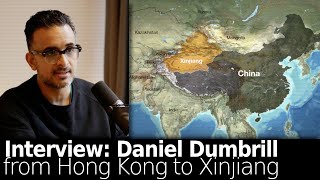
Daniel Dumbrill in conversation with Max Blumenthal ...

[640],shadow=true,start=,stop=

Hmm : planning for the well-being of all is 'totalitarian', while a billionaire elite rule is 'democracy' - hmmmmm.

In China, the people are family. In the West, the people are merely livestock.

Either truth is reality, or it is merely a cult-think.

Bonus film - Eric Li on the keys to China's success ...
[320],shadow=true,start=,stop=

Cuba ...

[320],shadow=true,start=,stop=

Related Videos


Featured Videos

QingHai Lake 青海湖 – a beautiful music video
QingHai province The group is called HAYA, together with singer DaiQing Tana, and the song is in both mandarin and mongolian. The song is based on a QingHai folk tune. Beautiful in every way ...
The ‘Uyghur Tribunal’ : predictable and dangerous propaganda
Brian Berletic : "It is no coincidence that the so-called 'Uyghur Tribunal's 'final ruling' coincided with a dump of supposedly 'leaked' documents and the US-led 'diplomatic boycott' of the BeiJing 2022 Olympics. This is a massive propaganda campaign aimed at building hatred for China and justification for conflict with China." Circus, lies, propaganda, theater, kangaroo court. Manufacturing consent. And the mainstream media play their role as war propagandists; a disgrace to the human race. With The New Atlas ...
50 places to visit in Hong Kong
Hong Kong: 20 Kid-Friendly Places to Visit Ocean Park Hong Kong (海洋公園 Hǎiyáng Gōngyuán): Amusement park with marine life exhibits, animal shows, and rides. Hong Kong Disneyland (香港迪士尼乐园 Xiānggǎng Díshìní Lèyuán): Magical theme park with Disney characters, rides, and attractions. The Peak Tram (山顶缆车 Shāndǐng Lǎnchē): Ride the iconic tram to Victoria Peak for panoramic views of the city. Hong Kong Zoological and Botanical Gardens (香港动植物公园 Xiānggǎng Dòngzhíwù Gōngyuán): Explore diverse plant and animal species in these gardens. Nan Lian Garden (南莲园池 Nán Lián Yuánchí): Tranquil Chinese garden with scenic ponds, pavilions, and bonsai trees. Hong Kong Space Museum (香港太空馆 Xiānggǎng Tàikōng Guǎn): Discover space science and astronomy through interactive exhibits. Hong Kong Science Museum (香港科学馆 Xiānggǎng Kēxué Guǎn): Interactive science exhibits and an Omnimax theater. Hong Kong Museum of History (香港历史博物馆 Xiānggǎng Lìshǐ Bówùguǎn): Exhibits on Hong Kong's history, culture, and heritage. Noah's Ark Hong Kong (香港挪亚方舟公园 Xiānggǎng Nuóyà Fāngzhōu Gōngyuán): Themed attraction with a replica of Noah's Ark and educational exhibits. Lamma Island (南丫岛 Nányā Dǎo): Explore beaches, hiking trails, and seafood restaurants on this tranquil island. Wetland Park (香港湿地公园 Xiānggǎng Shīdì Gōngyuán): Nature reserve with boardwalks, birdwatching, and educational exhibits. Trick Eye Museum (幻境艺术馆 Huàn Jìng Yìshù Guǎn): Interactive art museum with optical illusions and 3D exhibits. Hong Kong Maritime Museum (香港海事博物馆 Xiānggǎng Hǎishì Bówùguǎn): Exhibits on Hong Kong's maritime heritage and seafaring history. Discovery Bay (愉景湾 Yújǐng Wān): Relaxing beach area with water sports, dining, and shopping. Butterfly Beach (蝴蝶湾 Húdié Wān): Picturesque beach with clear water and gentle waves. Hong Kong Toy Museum (香港玩具博物馆 Xiānggǎng Wánjù Bówùguǎn): Vintage and collectible toys from different eras. Lantau Island (大屿山 Dàyǔ Shān): Giant Buddha statue, Ngong Ping 360 cable car, and hiking trails. Kowloon Park (九龙公园 Jiǔlóng Gōngyuán): Green space with playgrounds, aviaries, and a swimming pool. Ma Wan Park (馬灣公園 Mǎwān Gōngyuán): Theme park with attractions like the Ma Wan Tung Wan Beach. Lion Rock Park (狮子山公园 Shīzǐ Shān Gōngyuán): Hiking trails with views of the city skyline and Lion Rock. Hong Kong: 30 More Places to Visit Victoria Harbour (维多利亚港 Wéiduōlìyà Gǎng): Iconic harbor with stunning views, ferries, and the Symphony of Lights. Temple Street Night Market (庙街夜市 Miào Jiē Yèshì): Bustling market with street food, souvenirs, and fortune tellers. Stanley Market (赤柱市集 Chìzhù Shìjí): Waterfront market with clothing, accessories, and handicrafts. Peak Circle Walk (山顶环道 Shāndǐng Huán Dào): Scenic walking trail around Victoria Peak with panoramic views. Lamma Island Family Walk (南丫岛家庭步行径 Nányā Dǎo Jiātíng Bùxíng Jìng): Easy coastal walk with sea views and seafood restaurants. Nan Lian Garden (南莲园池 Nán Lián Yuánchí): Tranquil Chinese garden with scenic ponds, pavilions, and bonsai trees. Lantau Trail (大屿山径 Dàyǔ Shān Jìng): Hiking trail covering Lantau Island's scenic landscapes and beaches. Tai O Fishing Village (大澳渔村 Dà'ào Yúcūn): Traditional fishing village with stilt houses and seafood delicacies. Nan Lian Garden (南莲园池 Nán Lián Yuánchí): Tranquil Chinese garden with scenic ponds, pavilions, and bonsai trees. Chi Lin Nunnery (志蓮淨苑 Zhìlián Jìngyuàn): Buddhist monastery with elegant architecture and tranquil gardens. Man Mo Temple (文武廟 Mùi Móu): Historic temple dedicated to the gods of literature and martial arts. Ngong Ping Village (昂坪村 Ángpíng Cūn): Cultural village near the Tian Tan Buddha with shops and restaurants. Sai Kung Town (西贡镇 Xīgòng Zhèn): Fishing town with seafood restaurants, hiking trails, and beaches. Hong Kong Heritage Museum (香港文化博物馆 Xiānggǎng Wénhuà Bówùguǎn): Exhibits on Hong Kong's art, culture, and history. PMQ (元创方 Yuán Chuàng Fāng): Creative hub with shops, studios, and exhibitions in a historic building. Golden Bauhinia Square (金紫荆广场 Jīn Zǐjīng Guǎngchǎng): Landmark square with a giant bauhinia statue and harbor views. Tsim Sha Tsui Promenade (尖沙咀海滨长廊 Jiānshāzuǐ Hǎibīn Chángláng): Waterfront promenade with views of Victoria Harbour and the skyline. Repulse Bay (浅水湾 Qiǎnshuǐ Wān): Scenic beach with golden sands, clear water, and beachside dining. Mai Po Nature Reserve (米埔自然保护区 Mǐbù Zìrán Bǎohùqū): Wetlands with birdwatching hides, mangroves, and wildlife. Hong Kong Museum of Art (香港艺术馆 Xiānggǎng Yìshù Guǎn): Exhibits on Chinese and international art in a modern building. Star Ferry (天星小轮 Tiānxīng Xiǎolún): Iconic ferry service between Hong Kong Island and Kowloon. Lugard Road Lookout (盧吉道 Lu Jídào): Scenic trail with views of Victoria Harbour and the city skyline. Hong Kong Heritage Discovery Centre (香港文物探知中心 Xiānggǎng Wénwù Tànzhī Zhōngxīn): Exhibits on Hong Kong's archaeology, heritage, and history. Dr. Sun Yat-sen Museum (孙中山纪念馆 Sūn Zhōngshān Jìniànguǎn): Museum dedicated to the life and legacy of Dr. Sun Yat-sen. Hong Kong Tramways (香港电车 Xiānggǎng Diànchē): Historic tram system running along Hong Kong Island's north coast. Hong Kong Heritage Discovery Centre (香港文物探知中心 Xiānggǎng Wénwù Tànzhī Zhōngxīn): Exhibits on Hong Kong's archaeology, heritage, and history. Lung Fu Shan Country Park (龙虎山郊野公园 Lónghǔ Shān Jiāoyě Gōngyuán): Hiking trails and scenic views near Victoria Peak. Hong Kong Park (香港公园 Xiānggǎng Gōngyuán): Urban park with aviaries, a greenhouse, and tranquil gardens. Dragon's Back Trail (龙脊径 Lóngjǐ Jìng): Scenic hiking trail with panoramic views of the coastline and islands.
Yang Cheng Hu highway services stopover
With Wei's Travel. Fuel, food and much more - motorway services, China style ...
Sunlight and health – new insight : infra-red and melatonin in mitochondria
With Dr. Roger Seheult / MedCram ... Bonus film - heat and cold therapy (e.g. saunas) ...
Scenes from the Summer Palace 頤和園 in Beijing
Summer residence of the emperors from the mid-Ming to Qing dynasties. Now a delightful public park / museum and a UNESCO World Heritage site.
50 places to visit in ChengDu
ChengDu: 20 Kid-Friendly Places to Visit Panda Base (成都大熊猫繁育研究基地 Chéngdū Dàxióngmāo Fányù Yánjiū Jīdì): Giant panda breeding and research center with exhibits and educational programs. Chengdu Research Base of Giant Panda Breeding (成都大熊猫繁育研究基地 Chéngdū Dàxióngmāo Fányù Yánjiū Jīdì): Panda reserve with habitats, breeding facilities, and conservation efforts. Chengdu Happy Valley (成都欢乐谷 Chéngdū Huānlègǔ): Amusement park with rides, attractions, and entertainment for all ages. Chengdu Zoo (成都动物园 Chéngdū Dòngwùyuán): Zoo with diverse animal exhibits, shows, and educational programs. Sichuan Science and Technology Museum (四川科技馆 Sìchuān Kējìguǎn): Interactive science museum with exhibits, experiments, and demonstrations. Chengdu Eastern Suburb Memory (成都东郊记忆 Chéngdū Dōngjiāo Jìyì): Cultural theme park with traditional architecture, performances, and activities. Chengdu Culture Park (成都文化公园 Chéngdū Wénhuà Gōngyuán): Park with historic sites, gardens, and cultural exhibitions. Chengdu Haichang Polar Ocean World (成都海昌极地海洋世界 Chéngdū Hǎichāng Jídì Hǎiyáng Shìjiè): Polar ocean park with marine life exhibits, shows, and activities. Happy Valley Water Park (欢乐谷水上乐园 Huānlègǔ Shuǐshàng Lèyuán): Water park with slides, pools, and water attractions for families. Chengdu Botanical Garden (成都植物园 Chéngdū Zhíwùyuán): Botanical garden with plant collections, greenhouses, and scenic landscapes. Chengdu Teddy Bear Museum (成都泰迪熊博物馆 Chéngdū Tàidíxióng Bówùguǎn): Museum with teddy bear exhibits, collections, and interactive displays. Chengdu Anren Ancient Town (成都安仁古镇 Chéngdū Ānrén Gǔzhèn): Historic town with preserved architecture, museums, and cultural heritage. Chengdu Shunxing Old Teahouse (成都顺兴老茶馆 Chéngdū Shùnxìng Lǎo Cháguǎn): Traditional teahouse with Sichuan opera performances, tea ceremonies, and snacks. Chengdu Anren Ancient Town (成都安仁古镇 Chéngdū Ānrén Gǔzhèn): Historic town with preserved architecture, museums, and cultural heritage. Chengdu Happy Valley (成都欢乐谷 Chéngdū Huānlègǔ): Amusement park with rides, attractions, and entertainment for all ages. Chengdu Zoo (成都动物园 Chéngdū Dòngwùyuán): Zoo with diverse animal exhibits, shows, and educational programs. Chengdu Culture Park (成都文化公园 Chéngdū Wénhuà Gōngyuán): Park with historic sites, gardens, and cultural exhibitions. Chengdu Eastern Suburb Memory (成都东郊记忆 Chéngdū Dōngjiāo Jìyì): Cultural theme park with traditional architecture, performances, and activities. Chengdu Happy Valley (成都欢乐谷 Chéngdū Huānlègǔ): Amusement park with rides, attractions, and entertainment for all ages. Chengdu Teddy Bear Museum (成都泰迪熊博物馆 Chéngdū Tàidíxióng Bówùguǎn): Museum with teddy bear exhibits, collections, and interactive displays. ChengDu: 30 More Places to Visit Chengdu Wuhou Shrine (成都武侯祠 Chéngdū Wǔhóu Cí): Temple and museum dedicated to Zhuge Liang, a famous military strategist. Wenshu Monastery (成都文殊院 Chéngdū Wénshū Yuàn): Buddhist monastery with historic buildings, gardens, and tea houses. Chengdu Jinsha Site Museum (成都金沙遗址博物馆 Chéngdū Jīnshā Yízhǐ Bówùguǎn): Museum with exhibits on the Jinsha archaeological site and ancient artifacts. Chengdu Wide and Narrow Alley (宽窄巷子 Kuānzhǎi Xiàngzi): Historic area with traditional architecture, shops, and street food. Chengdu Du Fu Thatched Cottage (成都杜甫草堂 Chéngdū Dù Fǔ Cǎotáng): Museum and park dedicated to the Tang dynasty poet Du Fu. Chengdu Tianfu Square (成都天府广场 Chéngdū Tiānfǔ Guǎngchǎng): Central square with landmarks, sculptures, and cultural events. Chengdu Sichuan Opera Museum (成都川剧博物馆 Chéngdū Chuānjù Bówùguǎn): Museum with exhibits on Sichuan opera costumes, masks, and performances. Chengdu Huanhuaxi Park (成都浣花溪公园 Chéngdū Huànhuāxī Gōngyuán): Park with rivers, bridges, and scenic landscapes for leisure and relaxation. Chengdu Jinli Ancient Street (成都锦里古街 Chéngdū Jǐnlǐ Gǔjiē): Historic street with traditional architecture, shops, and street vendors. Chengdu Happy Valley (成都欢乐谷 Chéngdū Huānlègǔ): Amusement park with rides, attractions, and entertainment for all ages. Chengdu Zoo (成都动物园 Chéngdū Dòngwùyuán): Zoo with diverse animal exhibits, shows, and educational programs. Chengdu Culture Park (成都文化公园 Chéngdū Wénhuà Gōngyuán): Park with historic sites, gardens, and cultural exhibitions. Chengdu Eastern Suburb Memory (成都东郊记忆 Chéngdū Dōngjiāo Jìyì): Cultural theme park with traditional architecture, performances, and activities. Chengdu Happy Valley (成都欢乐谷 Chéngdū Huānlègǔ): Amusement park with rides, attractions, and entertainment for all ages. Chengdu Teddy Bear Museum (成都泰迪熊博物馆 Chéngdū Tàidíxióng Bówùguǎn): Museum with teddy bear exhibits, collections, and interactive displays. Chengdu Anren Ancient Town (成都安仁古镇 Chéngdū Ānrén Gǔzhèn): Historic town with preserved architecture, museums, and cultural heritage. Chengdu Shunxing Old Teahouse (成都顺兴老茶馆 Chéngdū Shùnxìng Lǎo Cháguǎn): Traditional teahouse with Sichuan opera performances, tea ceremonies, and snacks. Chengdu Anren Ancient Town (成都安仁古镇 Chéngdū Ānrén Gǔzhèn): Historic town with preserved architecture, museums, and cultural heritage. Chengdu Happy Valley (成都欢乐谷 Chéngdū Huānlègǔ): Amusement park with rides, attractions, and entertainment for all ages. Chengdu Teddy Bear Museum (成都泰迪熊博物馆 Chéngdū Tàidíxióng Bówùguǎn): Museum with teddy bear exhibits, collections, and interactive displays.
Day trips from ShangHai
Day Trips from ShangHai, China Suzhou 苏州 (Sūzhōu): Explore the "Venice of the East" known for its classical gardens, ancient canals, and traditional architecture. Visit the Humble Administrator's Garden, stroll along Pingjiang Road, and take a boat ride on the Grand Canal. Hangzhou 杭州 (Hángzhōu): Discover the scenic beauty of West Lake, a UNESCO World Heritage Site surrounded by lush hills and ancient temples. Visit the Lingyin Temple, explore the Six Harmonies Pagoda, and enjoy a leisurely boat cruise on the lake. Nanjing 南京 (Nánjīng): Explore the historic capital of China known for its ancient city walls, imperial palaces, and vibrant cultural scene. Visit the Sun Yat-sen Mausoleum, walk along the Qinhuai River, and climb to the top of the Nanjing City Wall for panoramic views. Wuzhen 乌镇 (Wūzhèn): Step back in time in this ancient water town known for its well-preserved architecture, stone bridges, and tranquil canals. Explore the East and West Scenic Areas, visit the Folk Custom Museum, and take a boat ride along the waterways. Shaoxing 绍兴 (Shàoxīng): Experience the cultural heritage of this historic city famous for its ancient canals, traditional wooden houses, and rice wine. Visit the Lu Xun Former Residence, explore the Keyan Scenic Area, and sample local specialties such as stinky tofu and fermented rice wine. Huangshan 黄山 (Huángshān): Embark on an unforgettable journey to the Yellow Mountain, known for its dramatic peaks, deep valleys, and mystical beauty. Hike along scenic trails, watch the sunrise from the summit, and marvel at the sea of clouds. Shaoxing 绍兴 (Shàoxīng): Explore the ancient water town of Wuzhen, known for its well-preserved Ming and Qing dynasty architecture, stone bridges, and tranquil canals. Stroll along the cobblestone streets, visit historic residences and workshops, and enjoy a boat ride along the waterways. Nanjing 南京 (Nánjīng): Discover the rich history and cultural heritage of Nanjing, the ancient capital of China. Visit the Nanjing City Wall, explore the Confucius Temple area, and stroll along the banks of the Qinhuai River. Hangzhou 杭州 (Hángzhōu): Relax in the scenic beauty of West Lake, a UNESCO World Heritage Site known for its serene landscapes and historic sites. Take a leisurely boat cruise, visit Lingyin Temple, and explore the picturesque pagodas and gardens. Suzhou 苏州 (Sūzhōu): Explore the classical gardens and ancient water towns of Suzhou, known for their tranquil beauty and rich cultural heritage. Visit the Master of the Nets Garden, take a boat ride along the Grand Canal, and stroll through the historic streets of Pingjiang Road. Zhouzhuang 周庄 (Zhōuzhuāng): Experience the charm of Zhouzhuang, one of China's most famous water towns, with its picturesque canals, historic bridges, and traditional architecture. Visit the Twin Bridges, explore the Shen's Residence, and take a boat ride through the scenic waterways. Wuxi 无锡 (Wúxī): Discover the beauty of Taihu Lake, one of China's largest freshwater lakes, surrounded by lush hills and scenic gardens. Visit the Lingshan Grand Buddha, explore the Xihui Park, and enjoy a boat cruise on the lake. Ningbo 宁波 (Níngbō): Explore the historic port city of Ningbo, known for its ancient temples, traditional tea houses, and vibrant cultural scene. Visit the Tianyi Pavilion, stroll along the Moon Lake, and sample local delicacies at the bustling food markets. Shanghai Disney Resort 上海迪士尼度假区 (Shànghǎi Díshìní Dùjià Qū): Enjoy a day of fun and adventure at Shanghai Disney Resort, featuring thrilling rides, live shows, and iconic Disney characters. Explore the Magic Kingdom, visit the Enchanted Storybook Castle, and watch the spectacular fireworks display. Qibao Seven Treasures 七宝老街 (Qībǎo Lǎojiē): Step back in time in the ancient water town of Qibao, known for its historic buildings, traditional markets, and scenic canals. Stroll along the cobblestone streets, visit the Temple of the Town God, and sample local street food such as sticky rice cakes and deep-fried dough sticks. Huzhou 湖州 (Húzhōu): Relax in the picturesque scenery of Taihu Lake, known for its serene landscapes and historic sites. Visit the Feiying Pagoda, explore the Nanxun Ancient Town, and take a boat cruise on the tranquil waters of the lake. Shanghai Ocean Aquarium 上海海洋水族馆 (Shànghǎi Hǎiyáng Shuǐzúguǎn): Explore the underwater world at Shanghai Ocean Aquarium, home to thousands of marine species from around the globe. Marvel at the colorful coral reefs, watch sharks swim overhead in the underwater tunnel, and learn about marine conservation efforts. Chongming Island 崇明岛 (Chóngmíng Dǎo): Escape the hustle and bustle of the city and explore the natural beauty of Chongming Island, the largest alluvial island in the Yangtze River. Visit Dongping National Forest Park, cycle along scenic trails, and enjoy fresh seafood at local restaurants. Tongli 同里 (Tónglǐ): Discover the charm of Tongli, a picturesque water town known for its ancient bridges, tranquil canals, and well-preserved Ming and Qing dynasty architecture. Visit the Retreat and Reflection Garden, explore the Chongben Hall, and take a boat ride along the scenic waterways. Moganshan 莫干山 (Mògānshān): Retreat to the scenic beauty of Moganshan, a mountain resort known for its bamboo forests, tea plantations, and cool mountain breezes. Hike along scenic trails, visit historic villas, and enjoy panoramic views of the surrounding countryside.
Why is Western media so biased against China ?
With Cyrus Janssen ... Comment by Gustavo Andrés ... There is an overwhelming assumption in the West that China’s Achilles heel is the state: that it lacks legitimacy. This is the underlying reason why Westerners believe that China’s transformation is unsustainable: that the political system cannot survive. It would be wrong to suggest that attitudes have not shifted: the endurance of the reform period, now over 35 years old, and the scale of its achievement have bred a growing if still grudging respect, and a less apocalyptic view of Chinese political change. Few now regard it to be imminent and many have extended their time horizons somewhat into the future. Nevertheless, most Westerners still regard China’s present political order as lacking legitimacy and as ultimately unsustainable. In the post 1945 period, Westerners have come to believe that Western-style democracy – essentially universal suffrage and a multi-party system – is more or less the sole source of a government’s legitimacy. This is a superficial and ahistorical position. Western-style democracy does not ensure the legitimacy of a regime in the eyes of its people: Italy is perhaps the classic example, with successive governments over a long historical period experiencing a chronic lack of legitimacy. And what of China? Although it does not have Western-style democracy, there is plenty of evidence – for example the Pew Global Attitude surveys and the work of Tony Saich at the Harvard Kennedy School – that the Chinese government enjoys high levels of support and legitimacy, much higher indeed than those of Western governments. How do we explain this? Clearly the reason is not Western-style democracy because China has not chosen this path. The late Lucian W. Pye, in his book ‘Asian Power and Politics’, argues that Western scholars have, in their understanding of politics, prioritised political systems over political cultures: Pye argues, correctly in my view, that the opposite is the case. His insight is highly relevant to the Chinese case. The relationship between the state and society in China is very different from that which characterises Western societies. There are three key elements. First, China is primarily a civilization-state rather than a nation-state, with the overriding and extremely difficult age-old task of government being to maintain the unity of China and its civilization. This has lent the state an enduring authority, importance and centrality in China that is very different from the Western nation-state tradition. The state is intrinsic to China in a way that this is not true in Western societies: they are, in effect, in large degree synonymous. Furthermore the Chinese regard the state in some degree as an expression and extension of themselves. Second, whereas in Western societies the state is seen in an instrumentalist and utilitarian way – in other words, what will it do for me? – in China, following from the Confucian tradition and the idea that the Emperor should model himself on the father’s role as the head of the family, the state is perceived in a familial way, whence the expression ‘nation-family’, or the idea of China as an extended family. Or, to put it another way, in Western societies the state is viewed as an external and somewhat artificial construct, for the Chinese it is an intimate. Third, a much higher premium is placed on the efficiency and efficacy of the state than in the West, whence the importance of meritocracy in the recruitment of public servants. In the West, discussion about the state largely revolves around the manner by which the government is selected, in China, by way of contrast, the competence of the state assumes priority. Fourthly, following from the previous point, the state is expected and required to deliver in China. Over the last few decades, of course, it has presided over and masterminded a huge transformation, the most remarkable in modern economic history. The contrast between the performance of the Chinese and Western economies is manifest. In summary, the relationship between the state and society in China and the West is profoundly different and the reasons lie in the historical and cultural differences between them. They can and should learn from each other but they will remain distinct. So what of the future? As I mentioned at the outset, it is axiomatic in the West that sooner or later China will face a crisis of governance that will result in profound reform along Western lines. In reality, it seems far more likely that the crisis of governance will occur in the West than China. The United States and Europe are in decline and, as a consequence, their ruling elites and political systems are already suffering from declining legitimacy and authority, a process that is likely to continue. China, in contrast, is a rising power whose ruling elite is likely to enjoy growing status and prestige as a consequence. China, though, faces its own kind of governance challenge. The country is changing at extraordinary speed. If one thinks of how the life of an ordinary person has changed over the course of the last three decades, then this is a measure of how everything else, including political rule, must also change in order to survive. Of course, transparency, representivity and accountability have been transformed since Mao’s death, but this is a dynamic process and arguably the greatest changes still lie in the future. It is not that China needs to or should change its system – it has stood the test of time and managed to stay abreast of and lead the wider transformations – but, this notwithstanding, more profound ways must be found to modernise the political system and its institutions if they are to meet the demands and expectations of a very different society.

Tag search ?