Planning war on China – part 22

The mainstream media in the West is a key part of the 'defense' (offence) department - it's all about hegemony / imperialism. Disinformation is always the first act of war.

These 'journalists' are simply sycophants of an elite that wants total control; they think they are a part of the 'winners'. Totally disgusting.

With Daniel Dumbrill ...

[640],shadow=true,start=,stop=

With The New Atlas ...

[320],shadow=true,start=,stop=

With Living In China ...

[320],shadow=true,start=,stop=

With the Moderate Rebels ...

[320],shadow=true,start=,stop= [320],shadow=true,start=,stop= [320],shadow=true,start=,stop= [320],shadow=true,start=,stop= [320],shadow=true,start=,stop= [320],shadow=true,start=,stop= [320],shadow=true,start=,stop= [320],shadow=true,start=,stop= [320],shadow=true,start=,stop= [320],shadow=true,start=,stop= [320],shadow=true,start=,stop=

On Desmond Tutu, with Democracy Now ...

[320],shadow=true,start=,stop=

(Ignoring the lack of understanding China, and the climate change hysteria) ...

YT comment : China today is committed to being more green. Her programs on Solar, Wind and Hydro power is advanced. President Xi has compared clean waters and forests as the real gold.

YT comment : China has sought hegemony; never colonized; even when it could easily have done so. China id all about trade and building, not conquest.

[320],shadow=true,start=,stop=

The China threat - the threat of a good example.

In China, the people are family. In the West, the people are livestock.
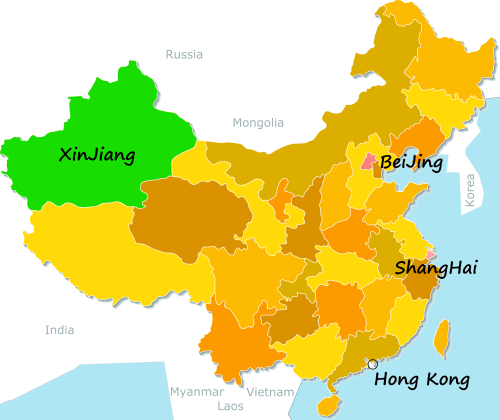
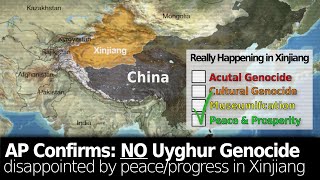
XinJiang map

Related Videos


Featured Videos

YunNan food tour
With Mark Wiens ...
YunNan 云南 province, south west China
With Jordan Porter.
SanQing Mountain 三清山, JiangXi province
SanQingShan is a renowned Taoist sacred site located 25 miles (40 km) north of YuShan County in JiangXi Province. With outstanding natural scenery, plants and wildlife, the park is a UNESCO World Heritage Site that in all covers 230 square kilometers. SanQing means the “Three Pure Ones” in Chinese as Mount SanQing is composed of three main summits: YuJing, YuShui, and YuHua, representing the Taoist trinity. YuJing (rising 1820 meters above sea level) is the highest. 三峰峻拔、如三清列坐其巅 SanQing Mountain in Jiangxi Province, although not very well-known to many people today, was regarded as a sacred place for Taoists in the Tang Dynasty period (618-907), when Taoism was at its most popular. With beautiful clouds, mist and strange-shaped pine trees, Sanqing Mountain is a fairyland far from the hustle and bustle of city life. The mountain is shrouded in mist for about 200 days each year. On misty days, dense fog envelops the mountain completely and makes you think you are wandering in the clouds. Once in a while, wind blows away the mist, and a stiff, imposing peak suddenly appears right in front of you. http://www.sanqing.com/english/
LuoYang City National Park, HeNan province
With China Walking Tour ... Visitor Guide to the Sui and Tang Dynasties of LuoYang City National Park Getting There Location: The Sui and Tang Dynasties of LuoYang City National Park is located in LuoYang, HeNan Province. It is easily accessible from the city center. By Public Transport: You can take a local bus or taxi from anywhere in LuoYang to reach the park. Buses 81 and 83 have stops near the park. By Car: If you are driving, ample parking is available near the park entrance. Entrance and Tickets Entrance Fee: The entrance fee varies depending on the season and any special exhibitions. Typically, it ranges from 50 to 100 RMB. Opening Hours: The park is generally open from 8:00 AM to 6:00 PM. Check for any changes during holidays or special events. Attractions and Activities Historical Sites MingTang and TianTang Complex: Reconstructed palace complexes that offer a glimpse into the grandeur of the Sui and Tang dynasties. The architecture and layout are based on historical records and archaeological findings. Ancient City Walls: Explore the remnants of the ancient city walls that protected LuoYang during the Sui and Tang periods. Museums and Exhibitions Archaeological Museum: This museum within the park showcases artifacts and relics from the Sui and Tang dynasties, including pottery, tools, and ancient manuscripts. Historical Exhibitions: Various exhibitions throughout the park provide detailed insights into the history, culture, and daily life of the Sui and Tang dynasties. Gardens and Scenery Imperial Gardens: Beautifully landscaped gardens that reflect the horticultural styles of the Sui and Tang periods. These gardens are perfect for a leisurely stroll. Scenic Lakes: The park features several artificial lakes that enhance the serene atmosphere and provide picturesque views. Interactive Activities Costume Experience: Visitors can dress in traditional Sui and Tang dynasty attire and take photos in the historical settings of the park. Guided Tours: Join guided tours to learn more about the history and significance of the sites within the park. Tours are available in multiple languages. Dining and Local Specialties Within the park, you will find several dining options that offer both local and traditional Chinese cuisine. Some recommended spots include: Imperial Banquet Restaurant: Experience a traditional imperial-style meal with dishes that were popular during the Sui and Tang dynasties. Tea Houses: Relax in a tea house and enjoy a variety of Chinese teas along with light snacks. Street Food Stalls: Try local snacks and delicacies from the numerous food stalls scattered throughout the park. Shopping Souvenir Shops: Browse the souvenir shops for unique gifts and mementos, including replicas of ancient artifacts, traditional crafts, and books on local history. Artisan Workshops: Visit workshops where local artisans demonstrate traditional crafts such as pottery, calligraphy, and silk weaving. Many items are available for purchase. Tips for Visitors Best Time to Visit: The best times to visit the park are during spring (April to June) and autumn (September to October) when the weather is mild and the gardens are in full bloom. Clothing: Wear comfortable walking shoes and dress in layers to accommodate temperature changes. An umbrella or raincoat may be useful during the rainy season. Guided Tours: Consider joining a guided tour to gain deeper insights into the historical significance of the park. Many tours are available in English and other languages. Respect Local Customs: Be respectful of local customs and traditions, especially when visiting temples and historical sites. Avoid touching artifacts and stay on designated paths. Conclusion The Sui and Tang Dynasties of LuoYang City National Park offers a fascinating journey through Chinese history. With its blend of historical sites, beautiful gardens, and cultural activities, the park provides an enriching experience for all visitors. Whether you're a history buff, a nature lover, or simply looking for a peaceful escape, this national park in LuoYang is a must-visit destination.


XiaoMi – China’s global top technology innovators
ShangHai night walk in the new Fashion Street
ShangHai Silent Rainy Night Walk Tour in Brand New Fashion Lane 宁静的雨夜漫步在上海时尚新地标“今潮8弄”文艺街区|四川北路新面貌 “The Fashion Lane 8” is located on SiChuan North Road, HongKou District, ShangHai. 66 old buildings distributed in 8 old-fashioned lanes are completely preserved here. This is a gorgeously transformed old alley. Each space has its own historical story, allowing tourists to feel the deep history and culture. It is also a good place for people to feel nostalgic. There are various art exhibitions & shows, specialty restaurants, coffee shops and individual bars, which have injected a lot of fresh vitality into the old buildings. 今潮8弄位于上海虹口区的四川北路,这里完整保留了分布在8条老式里弄内的66幢老建筑,这是经过华丽变身的老弄堂,每一处空间都有各自的历史故事,让游客感受到浓浓的历史人文气息,也是人们怀旧的一个好地方。这里有各种文艺展览和演出,特色餐厅,咖啡店和个性酒吧,给老建筑注入了许多新鲜活力。 With Wei's Travel ...
East Lake Cherry Blossom Park (东湖樱花园) night walk, WuHan, HuBei province
With Walk East ... Bonus films - WuHan shopping streets ... Ancient music show in Yellow Crane Pagoda ... WuHan city night walk ...
The Confucius Temple / Imperial College in BeiJing
With Cameraman ... With China Tour ... Visitor Guide to the Confucius Temple and Imperial College, Beijing Introduction The Confucius Temple and Imperial College (Guozijian) in Beijing are historical landmarks dedicated to the legacy of Confucius, one of China's most influential philosophers, and to the education of scholars who served the imperial government. These sites reflect the importance of Confucianism in Chinese history and are a must-visit for anyone interested in Chinese culture and history. History Confucius Temple (孔庙, Kǒng Miào) Built in 1302 during the Yuan Dynasty, the Confucius Temple in Beijing is one of the largest and oldest Confucian temples in China. It was expanded during the Ming and Qing dynasties, becoming a prominent center for Confucian worship and scholarship. The temple was a place where scholars and officials would pay their respects to Confucius and seek inspiration from his teachings. Imperial College (国子监, Guózǐjiàn) The Imperial College, also known as Guozijian, was established in 1306, just a few years after the temple. It served as the highest educational institution in imperial China, where scholars studied the Confucian classics in preparation for civil service examinations. The college was managed by the imperial government, reflecting the significant role of education in governance. Architecture and Key Highlights Confucius Temple The temple complex features traditional Chinese architecture with intricate wooden carvings, stone pillars, and tiled roofs. Key structures include: Dacheng Hall (Hall of Great Accomplishment): The main hall, housing a statue of Confucius, where important ceremonies and rituals are conducted. Stele Pavilions: These pavilions contain stone tablets inscribed with texts and inscriptions from various Chinese dynasties. Spirit Way: A pathway lined with ancient cypress trees, leading to the temple's main halls. Imperial College The Imperial College complex showcases traditional Chinese educational architecture. Highlights include: Biyong Hall: The centerpiece of the college, this circular hall is surrounded by a moat and accessed by four bridges, symbolizing the spread of Confucian teachings to all corners of the world. Jixian Hall: A lecture hall where scholars were taught the Confucian classics. Gate of Great Accomplishment: The main entrance to the college, symbolizing the pursuit of knowledge and scholarly achievement. Visitor Information Here are some practical details to help plan your visit to the Confucius Temple and Imperial College: Location: No. 13, Guozijian Street, Dongcheng District, Beijing, China. Opening Hours: Daily from 8:30 AM to 5:00 PM. Last entry is at 4:30 PM. (Hours may vary seasonally) Admission Fee: Approximately 30 RMB (Check for updated prices before visiting). Transportation: The nearest subway station is Yonghegong (Lama Temple), on Line 2 and Line 5. From there, it’s a short walk to the temple. Tips for Visitors Plan to spend at least 1-2 hours exploring the site to fully appreciate its historical and architectural significance. Visit early in the morning or late in the afternoon to avoid the crowds and enjoy a more peaceful experience. Consider hiring a guide or using an audio guide to gain deeper insights into the history and significance of the site. Respect the cultural and religious significance of the site. Dress modestly and behave respectfully.
12 hours of Chinese music for relaxation, meditation and study
Beautiful GuZheng and flute ...

Tag search ?