SuZhou Creek, ShangHai

With Tim Chambers ...

By boat :

[640],shadow=true,start=,stop=

By e-bike / bicycle :

[320],shadow=true,start=,stop= [320],shadow=true,start=,stop=

Shanghai is one of China's most dynamic and cosmopolitan cities, blending a rich history with modern skyscrapers and vibrant culture. Here's what you need to know as a tourist visiting Shanghai:

Historical and Cultural Landmarks:
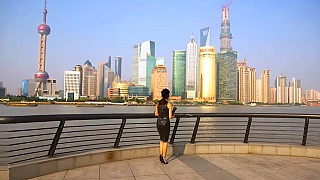
The Bund: This iconic waterfront promenade along the Huangpu River features colonial-era buildings on one side and futuristic skyscrapers on the other, offering stunning views of Shanghai's skyline.

Yu Garden: Dating back to the Ming dynasty, Yu Garden is a classical Chinese garden with pavilions, ponds, and rockeries. The nearby Yu Garden Bazaar is a great place to shop for souvenirs and traditional crafts.

Shanghai Museum: Home to an extensive collection of Chinese art and artifacts, including bronzes, ceramics, paintings, and calligraphy, the Shanghai Museum is a must-visit for history and art enthusiasts.

Jing'an Temple: One of Shanghai's most famous Buddhist temples, Jing'an Temple is known for its beautiful architecture, peaceful atmosphere, and towering golden Buddha statue.

Modern Attractions:
Shanghai Tower: Ascend to the observation deck of this iconic skyscraper, the tallest in China and the second-tallest in the world, for panoramic views of the city.

The Oriental Pearl TV Tower: Another iconic landmark, this futuristic tower offers observation decks, a glass-bottomed skywalk, and a revolving restaurant.

Shanghai Disneyland: Located in the Pudong district, Shanghai Disneyland offers a magical experience for visitors of all ages with its themed lands, attractions, and entertainment.

Shopping and Entertainment:
Nanjing Road: One of the world's busiest shopping streets, Nanjing Road is lined with department stores, boutiques, and restaurants. Don't miss the nearby pedestrian-friendly Nanjing Road East, known for its lively atmosphere and street performers.

Xintiandi: This upscale shopping, dining, and entertainment district features a mix of traditional Shikumen-style buildings and modern amenities, making it a popular destination for locals and tourists alike.

French Concession: Explore this historic neighborhood known for its tree-lined streets, charming cafes, boutiques, and art galleries.

Culinary Delights:
Shanghai Cuisine: Sample local specialties such as xiaolongbao (soup dumplings), shengjianbao (pan-fried dumplings), and Shanghai-style noodles.

Street Food: Wander through the city's bustling food markets and snack streets to taste a variety of street foods, from savory pancakes to grilled skewers.

Practical Tips:
Transportation: Shanghai has an efficient public transportation system, including the subway, buses, and taxis. Consider purchasing a rechargeable transportation card for convenience.

Language: While Mandarin is the official language, English is widely spoken in tourist areas, hotels, and restaurants.

Weather: Shanghai experiences four distinct seasons, with hot, humid summers and chilly winters. The best times to visit are spring (March to May) and autumn (September to November) when the weather is mild and comfortable.

Etiquette: Respect local customs and traditions, such as using polite language and avoiding loud behavior in public places.

Shanghai offers a captivating blend of old and new, with its historic landmarks, modern skyscrapers, vibrant culture, and delectable cuisine. Whether you're interested in history, architecture, shopping, or dining, Shanghai has something to offer every type of visitor.

Related Videos


Featured Videos

“Between Heaven and Earth” : ZhangJiaJie 张家界 In Ultra HD / 4K
Hunan province
The cherry blossoms on YuanTong Mountain, KunMing, YunNan province
The cherry blossoms in PingBa, GuiZhou ...
Living in the Now (philosophy)
Eckhart Tolle in conversation with Deepak Chopra and Wayne Dyer ...
The Oriental Pearl Tower, ShangHai
The NATO bombing of the Chinese embassy in Belgrade, former Yugoslavia, 1999
One missile - 16 people died, to silence truth. Michael Hudson on how human rights have been privatized / commercialized (monetized) in the US ...
The LeShan Giant Buddha 乐山大佛
In SiChuan province. The Giant Buddha, which is around 70 meters in height, was carved from the cliff face during the Tang dynasty (618 - 907). It took 90 years to complete. At 3,100 meters (10,170 feet), the nearby Mount EMei is the highest of the four sacred Buddhist mountains in China and a UNESCO World Heritage site.
First time in China – ShangHai to SuZhou by high speed rail – plus a guide for visitors
With Dany Dev ... A Guide to China's High-Speed Rail Network China's high-speed rail (HSR) network is the largest and most advanced in the world, offering an efficient, modern, and fast way to travel across the country. Since its inception, the network has revolutionized travel within China, making it easier and quicker to connect cities and regions that were once separated by long distances. Overview of the High-Speed Rail Network Size and Scope: As of 2024, China’s HSR network spans over 40,000 kilometers (25,000 miles), connecting nearly all major cities across the country. The network is continuously expanding, with new lines being constructed each year. Speed: Trains on the high-speed network typically travel at speeds ranging from 250 to 350 kilometers per hour (155 to 217 miles per hour). Some of the fastest trains, such as those on the Beijing–Shanghai line, can reach speeds up to 350 km/h. Key Routes: Beijing-Shanghai: This flagship route is one of the busiest and most popular, covering a distance of 1,318 kilometers (819 miles) in about 4.5 hours. Beijing-Guangzhou: One of the longest HSR routes in the world, spanning 2,298 kilometers (1,428 miles) and taking around 8 hours. Shanghai-Hong Kong: Connects the financial hub of Shanghai with the vibrant city of Hong Kong, covering 1,200 kilometers (746 miles) in approximately 8 hours. Xi’an-Chengdu: A scenic route that links the historic city of Xi’an with Chengdu, famous for its pandas, covering 658 kilometers (409 miles) in about 3 hours. Guangzhou-Shenzhen-Hong Kong: This line offers a rapid connection between the three major economic hubs, with a travel time of about 14 minutes from Shenzhen to Hong Kong. Features of China’s High-Speed Trains Train Classes: China’s high-speed trains are classified primarily into three categories based on speed and service: G-Class (Gaotie): The fastest trains, operating at speeds up to 350 km/h. These are typically used on major routes like Beijing-Shanghai. D-Class (Dongche): Slightly slower, operating at speeds up to 250-300 km/h. These trains are often used on shorter or less busy routes. C-Class: Suburban trains designed for short-distance travel, operating at speeds up to 200-250 km/h. Comfort and Amenities: Seating: HSR trains offer different classes of seating, including Second Class, First Class, and Business Class. Business Class offers the most luxurious experience, with wide reclining seats and more space. Facilities: Trains are equipped with modern amenities such as power outlets, Wi-Fi (on some trains), clean restrooms, and food and beverage services. Quiet carriages are also available for passengers who prefer a more serene environment. Punctuality: The HSR network is known for its punctuality, with trains typically departing and arriving on time. Key Stations and Infrastructure Major Hubs: Beijing South Railway Station: One of the largest and busiest HSR stations, serving as a key hub for northern and central China. Shanghai Hongqiao Railway Station: A massive transportation hub that integrates rail, air, and metro services, making it one of the most important stations in eastern China. Guangzhou South Railway Station: A key gateway to southern China, connecting the region with major cities like Shenzhen and Hong Kong. Wuhan Railway Station: A central hub in the heart of China, crucial for connections between the east and west. Modern Design: The stations are often architectural marvels, designed to handle large volumes of passengers efficiently. Many stations are integrated with other forms of transport, including metro lines and airports, making transfers seamless. Benefits of Using the High-Speed Rail Network Speed and Efficiency: High-speed trains are often faster than flying when considering the time spent on security checks and travel to and from airports. For distances up to 1,200 kilometers (746 miles), trains are often the quickest option. Convenience: With frequent departures, extensive coverage, and easy booking options (including online and mobile apps), the HSR network is extremely convenient for both domestic and international travelers. Environmental Impact: HSR is a greener option compared to air travel, contributing less to carbon emissions per passenger kilometer. Challenges and Future Prospects Expansion to Rural Areas: While the HSR network covers most major cities, there are ongoing efforts to expand services to more rural and remote areas, ensuring broader access. International Links: China is also exploring international HSR connections, such as a proposed high-speed rail link to Moscow, Russia, which could enhance connectivity beyond China's borders. Technological Advances: China is investing in maglev (magnetic levitation) technology, which could further increase speeds to around 600 km/h (373 mph), positioning China at the forefront of global rail innovation. Tips for Travelers Booking Tickets: Tickets can be booked online, at stations, or through travel agencies. During peak travel times, such as Chinese New Year, it is advisable to book tickets well in advance. Travel Documents: Foreign travelers will need to present their passports when booking tickets and boarding trains. Luggage: There are generous luggage allowances on HSR trains, with space available for larger items in overhead compartments or at the ends of carriages. Language: While English signage is available in major stations, it is useful to have your destination written in Chinese to show to station staff if needed. Conclusion China’s high-speed rail network is a remarkable achievement in modern transportation, offering an efficient, comfortable, and eco-friendly way to explore the vast and diverse landscapes of the country. Whether you are traveling for business or leisure, the HSR network provides an unparalleled travel experience that continues to set global standards.
Fermented soybeans (GuiZhou style) 貴州傳統風味
Exploring JiNan, provincial capital city of ShanDong – night and day
With China Walking Tour ... Visitor Guide to JiNan, ShanDong Province Overview JiNan, the capital city of ShanDong Province, is known for its natural springs, rich history, and vibrant culture. Often referred to as the "City of Springs," JiNan is a blend of historical landmarks and modern development, making it a fascinating destination for travelers. Getting There By Air: JiNan Yaoqiang International Airport (TNA) is located about 33 kilometers northeast of the city center. It offers both domestic and international flights. You can take an airport shuttle bus, taxi, or the JiNan Metro to reach the city center. By Train: JiNan is a major railway hub with two main stations: JiNan Railway Station and JiNan West Railway Station. Both stations offer high-speed rail connections to major cities like BeiJing, ShangHai, and Xi’an. By Bus: Long-distance buses connect JiNan to various cities in ShanDong Province and beyond. The main bus stations are JiNan Long-Distance Bus Terminal and JiNan East Bus Station. Getting Around Public Transport: JiNan has an extensive bus network and a growing metro system. The metro is convenient for getting around the city quickly. Taxis: Taxis are readily available and relatively inexpensive. Ensure the driver uses the meter or agree on a fare beforehand. Biking: Bike-sharing services are popular and convenient for short trips around the city. Main Attractions Baotu Spring Park Baotu Spring Park is one of JiNan's most famous attractions, known for its clear and gushing springs. The park is a beautiful place to relax and enjoy the natural scenery, traditional pavilions, and cultural performances. Daming Lake Daming Lake is a large natural lake in the heart of JiNan, surrounded by lush gardens, ancient pavilions, and historic temples. It is a popular spot for boating, picnicking, and enjoying the serene environment. Thousand Buddha Mountain (Qianfo Shan) This mountain is famous for its ancient Buddhist statues and temples. Visitors can hike to the top for a panoramic view of the city or explore the many caves and carvings along the way. ShanDong Provincial Museum ShanDong Provincial Museum houses a vast collection of cultural relics, historical artifacts, and natural exhibits. It offers a comprehensive overview of ShanDong's history and culture. Black Tiger Spring Black Tiger Spring is another renowned spring in JiNan, known for its powerful jets of water that resemble a tiger's roar. The spring is located in a scenic park with beautiful landscaping and walking paths. Local Cuisine JiNan's cuisine is characterized by its use of fresh ingredients and traditional cooking techniques. Here are some must-try dishes: JiNan Roast Duck: A local specialty, this roast duck is known for its crispy skin and tender meat, served with pancakes and hoisin sauce. Sweet and Sour Carp: Fresh carp from Daming Lake, prepared in a tangy and sweet sauce, is a signature dish of JiNan. JiNan Noodles: These hand-pulled noodles are often served with a variety of toppings, including meat, vegetables, and spicy sauces. Fried Dumplings: Crispy on the outside and juicy on the inside, JiNan's fried dumplings are a popular street food. Shopping Furong Street: A bustling pedestrian street lined with shops, street food vendors, and souvenir stalls. It's a great place to try local snacks and buy traditional crafts. Quancheng Road: One of JiNan's main shopping streets, offering a mix of modern malls, boutique shops, and local markets. JiNan Wanda Plaza: A large shopping mall with a variety of international and domestic brands, restaurants, and entertainment options. Accommodation Luxury Hotels: For a high-end stay, consider hotels like the Shangri-La Hotel JiNan or the Hyatt Regency JiNan, both offering excellent amenities and service. Mid-Range Hotels: Options such as the Sofitel JiNan Silver Plaza and Holiday Inn JiNan City Center provide comfortable accommodations at reasonable prices. Budget Hotels: For budget travelers, hostels and budget hotels like the JiNan Blue Horizon Hotel offer affordable and convenient lodging. Tips for Visitors Best Time to Visit: The best times to visit JiNan are spring (April to June) and autumn (September to November) when the weather is mild and pleasant. Clothing: Wear comfortable walking shoes and dress in layers to accommodate changing temperatures. An umbrella or raincoat is useful during the rainy season. Respect Local Customs: Be respectful of local customs and traditions. Dress modestly and be mindful of local etiquette, especially when visiting historical and cultural sites. Language: While Mandarin is widely spoken, learning a few basic phrases or using a translation app can be very helpful. Plan Your Visit: JiNan is best explored at a leisurely pace. Take your time to wander through the parks, visit local shops, and enjoy the tranquil atmosphere. Conclusion JiNan, with its rich history, vibrant culture, and stunning natural springs, offers a unique and memorable travel experience. Whether you're exploring ancient temples, savoring the local cuisine, or strolling along the scenic lakes and springs, JiNan provides an unforgettable experience. Plan your visit carefully to make the most of your trip to this fascinating city in ShanDong Province.

Tag search ?