Planning war on China – part 36 – Don’t miss it !!

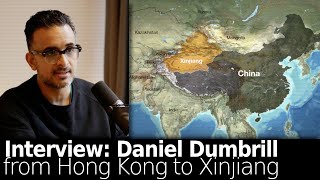
With The New Atlas - Inflection - Brian Berletic and Angelo Giuliano ...

[640],shadow=true,start=,stop=

After Iraq, Libya, Syria, Yemen, and on and on and on - this time the western media is telling the truth ? LOL

Don't get fooled again.

[320],shadow=true,start=,stop=

2022 - human civilisation ? - the West's rulers just cannot be human, be part of the human family. And not a deranged thug. A dying empire = dangerous times. We don't need supremacist tyranny, we need real civilisation. Or we are doomed ...

One must speak out wherever injustice occurs; one day it might be you; but above all, if one doesn't stand for truth, why be alive ?

Not pro China, or pro Russia, or pro socialism, or pro you-name-it; it is very simple - pro truth (reality, not official story).

It is not about 'me', it is about 'we' ...

One world; one family. One life; one chance to be real.

Human rights - a roof, and affordable food; transportation, education and healthcare. Or, being scammed by just a right to complain; can you eat a vote (Biden or Trump, etc. - lol); into S&M ?

Brian, Angelo, Alex, Patrick - real people.

In China, the people are family. In the West, the people are livestock.

[320],shadow=true,start=,stop= [320],shadow=true,start=,stop= [320],shadow=true,start=,stop= [320],shadow=true,start=,stop= [320],shadow=true,start=,stop= [320],shadow=true,start=,stop= [320],shadow=true,start=,stop=

Meanwhile ...

[320],shadow=true,start=,stop= [320],shadow=true,start=,stop= [320],shadow=true,start=,stop=


Related Videos


Featured Videos

20 places to visit in and around GuiLin and YangShuo, GuangXi province
GuiLin Attractions Guilin Seven Star Park (七星公园) - QÄ«xÄ«ng GÅngyuán Description: Guilin Seven Star Park is one of the city's most popular attractions, offering a blend of natural scenery, cultural landmarks, and family-friendly activities. Named after its seven karst peaks resembling the pattern of the Big Dipper constellation, the park features lush greenery, limestone caves, and scenic spots that attract visitors of all ages. Attractions and Activities: Li River (漓江) - Lí JiÄng: Take a scenic cruise or bamboo rafting trip along the Li River to admire Guilin's breathtaking karst landscapes, limestone peaks, and picturesque villages. Xianggong Mountain (相公山) - XiÄnggÅng ShÄn: Hike to the top of Xianggong Mountain for stunning panoramic views of the Li River winding through the karst mountains. This popular photography spot offers spectacular sunrise and sunset vistas. Diecai Hill (å å½©å±±) - DiécÇŽi ShÄn: Explore Diecai Hill's scenic parkland, pavilions, and caves adorned with colorful rock formations. The hill offers hiking trails, viewpoints, and opportunities for cultural exploration amidst Guilin's natural beauty. Gudong Waterfall (孤洞瀑布) - GÅ«dòng Pùbù: Trek through lush forests to discover Gudong Waterfall, a serene natural attraction surrounded by verdant foliage. Visitors can swim in the refreshing pools beneath the cascading falls and enjoy picnics in the tranquil setting. Yangshuo County (阳朔县) - Yángshuò Xiàn: Explore the charming countryside of Yangshuo County, known for its idyllic scenery, rural villages, and outdoor recreational activities. Popular attractions include Moon Hill, Yulong River, and picturesque cycling routes. Seven-Star Tea Plantation (七星茶山) - QÄ«xÄ«ng Chá ShÄn: Visit a local tea plantation to learn about traditional tea cultivation and production techniques. Enjoy guided tours, tea tastings, and scenic views of terraced fields amidst Guilin's karst landscapes. Yaoshan Mountain (å°§å±±) - YáoshÄn: Ascend Yaoshan Mountain for panoramic views of Guilin and the surrounding countryside. The mountain offers hiking trails, cable car rides, and opportunities to explore temples, pagodas, and historic sites. Jingjiang Prince City (é–æ±ŸçŽ‹åŸŽ) - JìngjiÄng Wáng Chéng: Discover the history and culture of Guilin at Jingjiang Prince City, a historic site featuring ancient city walls, gates, temples, and gardens. Learn about the city's role in China's feudal past and enjoy scenic strolls amidst well-preserved architectural treasures. Guilin Two Rivers and Four Lakes (桂林两江四湖) - Guìlín LiÇŽng JiÄng Sì Hú: Take a leisurely boat cruise on Guilin's Two Rivers and Four Lakes, connecting the Li River, Peach Blossom River, and scenic lakes within the city. Enjoy illuminated night cruises, cultural performances, and views of Guilin's skyline and landmarks. YangShuo Attractions Yangshuo West Street (西街) - XÄ« JiÄ“ Description: Yangshuo West Street, also known as Foreigner Street, is a bustling pedestrian thoroughfare in the heart of Yangshuo town. Lined with shops, restaurants, cafes, and street vendors, this vibrant street offers a lively atmosphere and a taste of local culture. Attractions and Activities: Impression Sanjie Liu (å°è±¡åˆ˜ä¸‰å§) - Yìnxiàng Liú SÄnjiÄ›: Experience the mesmerizing outdoor performance of Impression Sanjie Liu, directed by acclaimed filmmaker Zhang Yimou. Set against the backdrop of the Li River, this large-scale production showcases traditional music, dance, and lighting effects, creating a breathtaking spectacle. Xingping Ancient Town (å…´åªå¤é•‡) - XÄ«ngpíng GÇ”zhèn: Explore the picturesque ancient town of Xingping, known for its well-preserved Ming and Qing dynasty architecture, cobbled streets, and riverside scenery. Highlights include Xingping Ancient Fishing Village, Laozhai Hill, and the iconic backdrop featured on the 20 RMB banknote. Big Banyan Tree (大榕树) - Dà Róngshù: Visit the iconic Big Banyan Tree, a massive ancient tree estimated to be over 1,400 years old. Located near Yangshuo, this giant banyan tree is a popular natural landmark and offers shaded areas for picnics and relaxation. Yangshuo Cooking School (阳朔烹饪学校) - Yángshuò PÄ“ngrèn Xuéxiào: Join a hands-on cooking class at Yangshuo Cooking School to learn how to prepare authentic Chinese dishes using fresh local ingredients. Classes typically include market tours, cooking demonstrations, and opportunities to savor your culinary creations. Butterfly Spring Park (è´è¶æ³‰å…¬å›­) - Húdié Quán GÅngyuán: Wander through Butterfly Spring Park to admire colorful butterflies amidst lush gardens and scenic ponds. This tranquil park offers walking trails, pavilions, and opportunities for birdwatching and nature photography. Moon Hill (月亮山) - Yuèliàng ShÄn: Hike or bike to the top of Moon Hill for panoramic views of the surrounding karst landscape. The hill's distinctive arch-shaped opening provides a unique photo opportunity, and adventurous visitors can explore caves and rock formations along the way. Yulong River (é‡é¾™æ²³) - Yùlóng Hé: Enjoy a leisurely bamboo rafting excursion along the Yulong River, surrounded by picturesque karst mountains, bamboo groves, and traditional riverside villages. This scenic river journey offers opportunities for relaxation, photography, and cultural immersion. Xianggong Mountain (相公山) - XiÄnggÅng ShÄn: Hike to the top of Xianggong Mountain for stunning panoramic views of the Li River winding through the karst mountains. This popular photography spot offers spectacular sunrise and sunset vistas, making it a favorite destination for nature enthusiasts and photographers. Yangshuo Climbing Park (阳朔攀岩公园) - Yángshuò PÄnyán GÅngyuán: Challenge yourself with rock climbing adventures at Yangshuo Climbing Park, featuring limestone cliffs and crags suitable for climbers of all skill levels. Guided climbing tours, equipment rental, and instruction are available for visitors interested in this exhilarating outdoor activity. Jiuxian Ancient Village (ä¹ä»™å¤æ‘) - JiÇ”xiÄn GÇ” CÅ«n: Step back in time at Jiuxian Ancient Village, a well-preserved rural settlement showcasing traditional architecture, stone bridges, and ancestral halls. Explore narrow lanes, visit local artisans, and immerse yourself in the peaceful ambiance of this historic village. Shangri-La Park (香格里拉公园) - XiÄnggélÇlÄ GÅngyuán: Escape to the serene surroundings of Shangri-La Park, a tranquil oasis featuring gardens, ponds, and scenic walking paths. Visitors can relax amidst lush greenery, enjoy panoramic views of Yangshuo's karst landscape, and experience a sense of peace and tranquility. Xanadu Resort (世外桃æºåº¦å‡æ‘) - Shìwàitàoyuán Dùjià CÅ«n: Unwind at Xanadu Resort, a luxury retreat nestled amidst Yangshuo's picturesque countryside. The resort offers upscale accommodations, spa facilities, outdoor pools, and dining options, providing a perfect blend of relaxation and indulgence for discerning travelers. Yangshuo Impression Light Show (å°è±¡Â·åˆ˜ä¸‰å§) - Yìnxiàng Liú SÄnjiÄ›: Experience the enchanting Yangshuo Impression Light Show, an outdoor performance set against the backdrop of natural scenery and the Li River. Directed by renowned filmmaker Zhang Yimou, this multimedia spectacle features colorful lights, music, and dance, creating a mesmerizing cultural experience.
XueXiang snow town, near Harbin, HeiLongJiang province – don’t miss it
An introduction to GuiZhou 贵州 province
The provincial capital is GuiYang.
RT America Live
The WuHan city metro / subway / underground train system
With Walk East ...
GuangZhou CaiHongQiao metro station
With Walk For You ... Bonus film - GuangZhou downtown drive - with Walk East ...
ShenYang, provincial capital of LiaoNing, north east China
With Seiu Travel ... Introduction to ShenYang ShenYang is the capital city of LiaoNing province in northeast China. It is a major industrial and cultural center with a rich history dating back to ancient times. Known for its historical sites, modern infrastructure, and vibrant culture, Shenyang offers a diverse range of attractions for visitors. Getting There By Air: Shenyang Taoxian International Airport (SHE) serves the city with domestic and international flights. The airport is about 20 km south of the city center. By Train: Shenyang has several major railway stations, including Shenyang North Railway Station and Shenyang Railway Station, offering high-speed rail connections to many cities in China. By Bus: Long-distance buses connect Shenyang with other major cities in northeast China and beyond. Best Time to Visit The best time to visit Shenyang is during the spring (April to June) and autumn (September to October) when the weather is mild and pleasant. Summers can be hot and humid, while winters are cold with occasional snowfall. Main Attractions Shenyang Imperial Palace: Also known as Mukden Palace, this UNESCO World Heritage site is a smaller version of Beijing's Forbidden City and was the former imperial palace of the early Qing Dynasty. Zhao Mausoleum (Beiling Park): The mausoleum of the second Qing emperor, Huang Taiji, located within a beautiful park that is perfect for a leisurely stroll. Marshal Zhang's Mansion: The former residence of the warlord Zhang Zuolin and his son Zhang Xueliang, now a museum showcasing their lives and the history of the period. Shenyang Botanical Garden: A large botanical garden with diverse plant species, beautiful landscapes, and recreational facilities. 9.18 Historical Museum: A museum dedicated to the Mukden Incident (September 18, 1931) and the subsequent Japanese invasion of China, offering a poignant look at this period of history. Cultural Highlights Liaoning Provincial Museum: One of the oldest and largest museums in China, featuring extensive collections of artifacts, artworks, and historical exhibits. Shenyang Opera House: A modern venue hosting a variety of performances, including traditional Chinese opera, ballet, and concerts. Shenyang International Horticultural Expo Garden: A vast park with themed gardens, exhibitions, and cultural events, showcasing horticultural achievements from around the world. Accommodation Shenyang offers a wide range of accommodation options, from luxury hotels to budget-friendly hostels. Some recommended places to stay include: Kempinski Hotel Shenyang: A luxury hotel with excellent facilities and service, located in the city center. Marriott Hotel Shenyang: A modern hotel offering comfortable rooms and convenient access to major attractions. Shenyang LazyBee International Youth Hostel: A budget-friendly option popular with backpackers and young travelers. Dining Local Cuisine: Shenyang is known for its delicious Dongbei (Northeast) cuisine. Must-try dishes include Guo Bao Rou (sweet and sour pork), Dongbei Dumplings, and Laobian Dumplings. Restaurants: Recommended eateries include Laobian Dumpling Restaurant, Mukden Dumpling House, and Dongbei Ren (Northeasterners). Practical Tips Language: Mandarin Chinese is the primary language spoken in Shenyang. Learning a few basic phrases can be helpful, and a translation app can be useful for non-Mandarin speakers. Currency: The local currency is the Chinese Yuan (CNY). Credit cards are widely accepted, but it's always good to have some cash on hand for small purchases. Health and Safety: Shenyang is generally a safe city, but it's always wise to stay aware of your surroundings. Tap water is not recommended for drinking; opt for bottled water instead. Transportation: Shenyang has an extensive public transportation system, including buses and a metro system, making it easy to get around the city. Conclusion Shenyang is a vibrant city with a rich history and cultural heritage. Whether you're exploring ancient palaces, enjoying local cuisine, or experiencing the city's modern attractions, Shenyang offers a diverse and memorable travel experience.
XiJiang QianHu Miao Village, GuiZhou province
With Beijing Old Liu ... Xijiang Qianhu Miao Village Visitor Guide Overview Xijiang Qianhu Miao Village, located in Leishan County, Guizhou Province, is the largest Miao village in China and is often referred to as the "Thousand Household Miao Village." This picturesque village is known for its well-preserved traditional Miao architecture, vibrant cultural heritage, and stunning natural scenery. It offers a unique glimpse into the life and traditions of the Miao people. History and Culture The Miao people are one of China's 56 ethnic minorities, with a history that dates back over 2,000 years. Xijiang Qianhu Miao Village is a living museum of Miao culture, where visitors can experience traditional Miao customs, clothing, music, and dance. The village is known for its grand festivals, including the Lusheng Festival, the Miao New Year, and the Sisters' Meal Festival, which feature elaborate costumes, folk dances, and traditional music performances. Main Attractions Miao Ethnic Museum The Miao Ethnic Museum offers a comprehensive look at the history, culture, and traditions of the Miao people. Exhibits include traditional clothing, silver ornaments, musical instruments, and artifacts from daily life. Traditional Miao Architecture The village is renowned for its traditional stilt houses, known as "Diaojiaolou," which are built on wooden stilts and feature intricate wooden carvings. Walking through the village, visitors can admire these unique structures and learn about their construction and significance. Folk Performances Daily folk performances in the village square showcase traditional Miao music and dance. These performances are an excellent way to experience the vibrant cultural heritage of the Miao people. Festival Celebrations Visiting during one of the major festivals, such as the Miao New Year or the Sisters' Meal Festival, provides a deeper insight into Miao culture. These festivals feature colorful parades, traditional music, and elaborate dances, making them a highlight of any visit. Outdoor Activities Hiking and Nature Walks The surrounding hills and rice terraces offer excellent opportunities for hiking and nature walks. The scenic trails provide panoramic views of the village and the lush countryside, making it a paradise for nature lovers and photographers. Exploring Rice Terraces The rice terraces around Xijiang are a testament to the agricultural ingenuity of the Miao people. Visitors can explore these terraced fields, which change colors with the seasons and offer stunning photographic opportunities. Local Cuisine Miao cuisine is known for its bold flavors and use of local ingredients. Some must-try dishes include sour fish soup, sticky rice cakes, and various pickled vegetables. Many local restaurants and street vendors offer authentic Miao food, providing a true taste of the region. Accommodation Xijiang Qianhu Miao Village offers a range of accommodation options, from traditional Miao-style guesthouses to modern hotels. Staying in a local guesthouse provides a more immersive experience, allowing visitors to enjoy Miao hospitality and learn more about their way of life. Travel Tips Best Time to Visit: The best time to visit is during the spring (March to May) and autumn (September to November) when the weather is mild, and the rice terraces are most picturesque. Getting There: The village is accessible by bus from Kaili City, which is connected to major cities like Guiyang by train and bus. Respect Local Customs: When visiting, be respectful of local customs and traditions. Ask for permission before taking photos of people, especially during festivals and ceremonies. Pack Accordingly: Bring comfortable walking shoes for exploring the village and surrounding areas. A light jacket is recommended for the evenings, as temperatures can drop.
The GuanYin of Mount XiQiao, FoShan, GuangDong
The GuanYin of Mount XiQiao is a colossal statue in NanHai District of FoShan, GuangDong. This monument stands 62 m (203 ft) tall, and sits on a 15 m pedestal, making a total height of 77 m (253 ft). GuanYin is the bodhisattva of compassion in Buddhism. With The Hutchinsons ... The pepper stuffed with minced meat is a signature dish of the Hakka cuisine called 'niang', a descriptive word of the method of preparing the food. It's also common among other minority ethnic groups in southern China. The wide varieties of vegetables used for niang range from different kind of tofu to eggplants, bitter gourd, okra to even the spongy shell/skin of pomelo.

Tag search ?