With Walk East ...
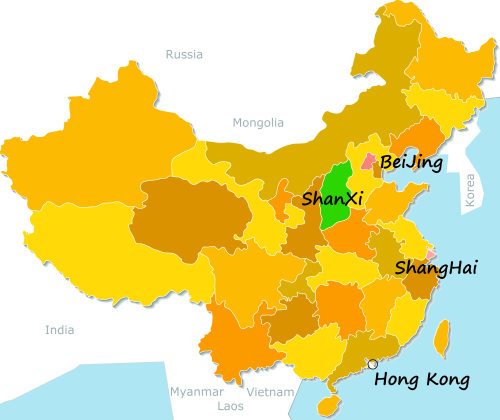
[640],shadow=true,start=,stop=ShanXi map
Live more ...
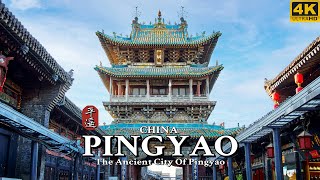
 The ancient cities of ShanXi province
With Walk East ...
[640],shadow=true,start=,stop=
|
With Walk East ...
|

|
In BeiJing alone, there are around 200,000 places to eat, so you'll never be far from a tasty meal and there is so much to try that China is very much a foodie heaven.
Here's BeiJingBuzzz's cheat sheet of popular food dishes that you will love. Feel free to print out for personal use ...
Huo Guo (火锅) : 'Hotpot' - order what you like and cook it in a steaming broth that can be spicy, mild or both. Served with a sesame sauce topped with coriander and / or spring onion; with vinegar and soy sauce as additional options. Thinly sliced meats, all manner of vegetables, noodles, eggs, tofu and more. Be sure to try Dong Dofu (iced tofu) and Dofu skin - super delicious in Huo Guo. There are many independents but you cannot go wrong if you see a XiaBu XiaBu, a very popular restaurant chain.
Mābo Dōfu (麻婆豆腐) : soft beancurd in a spicy sauce with minced pork
BaoZi (包子) : steamed buns filled with meat or vegetables
JiaoZi (饺子) : boiled or pan-fried dumplings filled with meat or vegetables
RouJiaMo (肉夹馍) : a sandwich made with flatbread and filled with meat (most commonly pork)
CongYou Bing (葱油饼) : spring onion / scallion pancakes - a savory flatbread made with scallions and flour
ZhengJiao (蒸饺) : steamed or pan-fried dumplings filled with meat or seafood
ZongZi (粽子) : glutinous rice dumplings wrapped in bamboo leaves
GouBuLi BaoZi (狗不理包子) : steamed buns filled with meat or vegetables, popular in Tianjin
DouHua (豆花) : sweet tofu pudding
XiaoLongBao (小笼包) : steamed dumplings filled with meat or seafood and soup
Xī Hóng Shì Chǎo JīDàn (西红柿炒蛋): egg and tomato - a popular dish in Chinese cuisine, it is often a simple and comforting dish, that can be found in many Chinese home-style cooking. It is typically made by stir-frying diced tomatoes and beaten eggs together with some seasonings, such as salt, pepper, and sometimes soy sauce.
DanDan Mian (担担面): a spicy Szechuan noodle dish made with thin wheat noodles, a spicy chili oil-based sauce, and often ground meat
JianShui Zhu (建水煮): fried vermicelli noodles popular in Yunnan province
LanZhou LaMian (兰州拉面): hand-pulled noodles popular in Lanzhou, Gansu province
ReGan Mian (热干面): Wuhan hot dry noodles - a spicy dish made with thin wheat noodles, chili oil and ground meat, popular in Wuhan, Hubei province
ZhaJiang Mian (炸酱面): a dish of thick wheat noodles served with a fermented soybean paste sauce and vegetables, popular in northern China
ZhaJiangMian (炸酱面): a dish of thick wheat noodles served with a bean paste sauce, popular in northeastern China
GuoTie (锅贴): Chinese fried dumplings
MaLaTang (麻辣烫): a spicy hotpot popular in Sichuan and Chongqing
Di San Xian (第三鲜): a popular dish in Chinese cuisine, typically found in northern China, it is a type of stir-fry dish made with three main ingredients: potatoes, eggplant, and bell peppers, it is also called "Three Fresh" or "Three Precious Vegetables". It is typically stir-fried with garlic, ginger, and scallions, and seasoned with soy sauce, sugar, and sometimes oyster sauce.
GōngBǎo JīDīng (宫保鸡丁) : also transcribed Gong Bao, Kung Pao or Kung Po, is a spicy, stir-fried Chinese dish made with cubes of chicken, peanuts, vegetables, and chili peppers. A classic dish in Sichuan cuisine.
JīSī Liáng Miàn (鸡丝凉面) : Chinese Chicken Noodle Salad - Chinese chicken noodle salad features noodles tossed in a nutty savory sesame sauce and topped with shredded chicken and cucumber.
Hei Jiao Niu Liu (黑椒牛柳) - Sliced tender beef with onions, peppers and black pepper.
Huo Guo - hot pot
There are also around 6,000 McDonalds in China, plus Burger King, KFC, Pizza Hut, Subway and more. And if you like cooking from scratch yourself, you'll find many huge supermarkets plus local markets.
|

|
A cool look / guide to the sights ...
|

|
A beautiful and creative short film by Francis So ...
|

|
KāiFēng was once the capital of the Song dynasty, and is one of the Eight Ancient Capitals of China.
Located along the southern bank of the Yellow River, it borders the provincial capital of ZhengZhou to the west.
|
|
|
|
|
Metro systems
The two largest metro systems in the world are in ShangHai and BeiJing. There are also metro systems in many other Chinese cities. These are all super modern, spacious, artistically appealing and easy to use for visitors with announcements in both Chinese and English, with signs both in Chinese and PinYin.
Check out our videos on various Chinese metro systems.
The Beijing metro system has over 600 miles of track and over 600 stations. It carries over 10 billion passengers annually, making it one of the busiest subway systems in the world. It operates one of the world's largest fleets of subway cars, with over 4,000 cars in service.
The Beijing metro is also one of the most technologically advanced subway systems in the world, with many of its trains and stations equipped with advanced features such as automated train control, platform screen doors, and real-time passenger information systems.
The Beijing metro is known for its distinctive architecture and design, with many stations featuring works of art, sculptures, and other design elements. It is also known for its efficient and fast service, with trains running at high frequencies and minimal delays.
The Beijing metro is also very affordable and accessible, with fares starting from as low as CNY3 (about $0.4 / £0.35) for a single journey with discounts for frequent users. It has also been made more convenient for tourists by allowing the use of contactless payment methods such as WeChat Pay, Alipay and UnionPay.
Taxis
In China, taxis are easy to find and very affordable, unlike in the West; they are widely used by nearly everyone. For example, Beijing has approximately 66,000 registered taxi vehicles operating in the city as of 2021. The standard taxi fare in Beijing is around ¥13 (or about $2 / £1.40) for the first 3 kilometers (about 1.8 miles) plus an additional ¥2.3 (about $0.35 / £0.25) for each additional kilometer. There can be higher tariffs for night time (after midnight).
High speed rail
China has built one of the most extensive high-speed rail networks in the world, which is known for its speed, efficiency, and connectivity. China has the world's largest high-speed rail network, with over 22,000 miles of track and over 350 stations. The high-speed rail network operates at speeds of up to 217 mph, making it one of the fastest in the world.
China's high-speed rail system carries over 3 billion passengers annually, making it the busiest high-speed rail networks in the world. China's high-speed rail system is also affordable and accessible, with fares starting from as low as CNY50 (about $7) for a single journey and discounts for frequent users.
China has also been exporting its high-speed rail technology and know-how to other countries such as Indonesia, Turkey, Russia and more.
Air travel
Air travel is an important part of China's transportation system, with several major airports and a rapidly growing number of passengers. Here are some facts about air travel in China:
China has over 220 commercial airports, making it the country with the second-largest number of airports in the world, behind the United States.
China's three major airports are Beijing Capital International Airport, Shanghai Pudong International Airport, and Guangzhou Baiyun International Airport. These three airports handle a large number of passengers annually, with Beijing Capital International Airport handling over 100 million passengers in 2020.
China's domestic air travel market is the second-largest in the world, behind the United States, with over 600 million passengers in 2020 and over 60 million international passengers.
China's air travel market has been expanding rapidly in recent years, with several new airports and routes being added.
China's major airlines, such as Air China, China Eastern Airlines, and China Southern Airlines, are among the largest in the world, and they operate a large fleet of modern aircraft. It is also becoming more affordable, with the increasing competition between airlines leading to lower fares.
China's air travel market is also becoming more convenient for travelers, with the increasing use of online booking and check-in, as well as the introduction of e-visas for some countries. It is also becoming more sustainable, with many airlines investing in more fuel-efficient aircraft and implementing more environmentally-friendly practices.
China's air travel market is a modern, efficient, and highly-used transportation system that connects many of the country's major cities and helps to keep the country moving. It is constantly evolving to match the country's needs and to make the passenger experience more pleasant, but also to reduce its impact on the environment.
|

|
喝的是茶,过的是生活
Thousands of years ago, a magic leaf traveled worldwide from China. And this year, around Grain Rain, I went tea picking before the best season is gone. Then I roasted green tea and scented some with flowers! For me, drinking tea is as much of high art as everyday life-- that's the essence of inclusiveness. 【李子柒 LiZiQi】
A beautiful film by LiZiQi - don't miss it ...
|

|
This shows what can be done when the government works for the people.
Infrastructure enhances both individual freedom and quality of life.
Not only super functional but also artistically beautiful.
With Flying Dumplings ...
Bonus film : HangZhou West railway station - with Gecko Walks ...
|