 How BRICS and BRI are changing the world, with Hussein Askary
With Hussein Askary and The Geopolitics In Conflict Show ...
[640],shadow=true,start=,stop=Related Videos
















Featured Videos
|
Including a great song ...
|

|
XinJiang: 20 Kid-Friendly Places to Visit
Heavenly Lake (Tianchi) (天池 Tiānchí): A stunning alpine lake surrounded by snow-capped peaks, offering boat rides and hiking trails suitable for families.
Kanas Lake (喀纳斯湖 Kānàsī Hú): A picturesque alpine lake with clear blue waters, surrounded by forests and mountains, offering boat rides and nature walks.
Grasslands (草原 Cǎoyuán): Explore the vast grasslands of Xinjiang, where kids can run around freely and enjoy horseback riding and camping experiences.
Gaochang Ancient City (高昌古城 Gāochāng Gǔchéng): Explore the ruins of an ancient Silk Road city, where kids can learn about history and archaeology through guided tours.
Ancient City of Jiaohe (交河故城 Jiāohé Gùchéng): Discover the well-preserved ruins of an ancient desert city, offering a glimpse into Xinjiang's rich history.
Taklamakan Desert (塔克拉玛干沙漠 Tǎkèlāmǎgān Shāmò): Experience the vastness of the desert landscape with camel rides and sand dune adventures suitable for adventurous kids.
Turpan Grape Valley (吐鲁番葡萄沟 Tǔlǔfān Pútáogōu): Explore vineyards and orchards in this lush valley, where kids can taste fresh fruits and learn about agriculture.
Karakul Lake (喀拉库勒湖 Kālākùlè Hú): Marvel at the stunning scenery of this high-altitude lake, surrounded by snow-capped mountains, offering opportunities for photography and relaxation.
Xinjiang Silk Road Museum (新疆丝绸之路博物馆 Xīnjiāng Sīchóu Zhī Lù Bówùguǎn): Learn about the history and culture of the Silk Road through interactive exhibits and artifacts.
Flaming Mountains (火焰山 Huǒyàn Shān): Explore the unique red sandstone formations of the Flaming Mountains, which inspired ancient legends, suitable for outdoor exploration and photography.
Emin Minaret (苏公塔 Sūgōngtǎ): Admire the architectural beauty of this historic minaret, offering panoramic views of the surrounding landscape and insights into Islamic culture.
Altai Mountains (阿尔泰山脉 Ā'ěrtài Shānmài): Discover the natural beauty of the Altai Mountains, where kids can enjoy hiking, wildlife spotting, and camping adventures.
Bayinbuluke Grassland (巴音布鲁克草原 Bāyīnbùlǔkè Cǎoyuán): Experience the vast grasslands of Bayinbuluke, where kids can participate in horseback riding, nomadic culture experiences, and yurt stays.
Hemu Village (禾木村 Hémù Cūn): Visit this picturesque village nestled in the mountains, offering opportunities for hiking, photography, and cultural immersion.
Bezeklik Thousand Buddha Caves (柏孜克里千佛洞 Bózīkèlǐ Qiānfódòng): Explore ancient Buddhist caves adorned with murals and sculptures, offering insights into the region's religious history.
Turpan Ancient City (吐鲁番古城 Tǔlǔfān Gǔchéng): Wander through the narrow streets and ancient ruins of Turpan's old city, where kids can imagine life in ancient times.
Tianshan Tianchi National Park (天山天池国家公园 Tiānshān Tiānchí Guójiā Gōngyuán): Explore the pristine natural beauty of Tianshan Tianchi National Park, offering hiking trails, boating, and scenic vistas.
Yarkant Ancient City (莎车古城 Shāchē Gǔchéng): Step back in time as you explore the ancient city of Yarkant, known for its historic mosques, markets, and traditional architecture.
Shipton's Arch (希普顿拱门 Xīpǔdùn Gǒngmén): Marvel at the natural wonder of Shipton's Arch, one of the largest natural arches in the world, offering breathtaking views and hiking opportunities.
Xinjiang Regional Museum (新疆维吾尔自治区博物馆 Xīnjiāng Wéiwú'ěr Zìzhìqū Bówùguǎn): Learn about Xinjiang's diverse cultures, history, and artifacts through exhibits and interactive displays suitable for families.
XinJiang: 30 More Places to Visit
Karakoram Highway (喀喇昆仑公路 Kālākūnlún Gōnglù): Embark on an epic road trip along one of the highest paved roads in the world, offering stunning mountain scenery and cultural encounters.
Urumqi Grand Bazaar (乌鲁木齐大巴扎 Wūlǔmùqí Dàbāzhā): Explore the bustling markets of Urumqi, where kids can sample local delicacies, shop for souvenirs, and experience the vibrant atmosphere.
Kizil Thousand Buddha Caves (克孜尔千佛洞 Kèzī'ěr Qiānfódòng): Marvel at the ancient Buddhist art and architecture of the Kizil Caves, known for their colorful murals and intricate carvings.
Tuyoq Valley (吐峪沟 Tǔyùgōu): Discover the scenic beauty and cultural heritage of Tuyoq Valley, where kids can explore ancient ruins, visit local villages, and enjoy hiking trails.
Gaochang Ruins (高昌故城 Gāochāng Gùchéng): Explore the ruins of an ancient Silk Road city, offering insights into the region's history and architecture.
Xinjiang Grape Valley (新疆葡萄沟 Xīnjiāng Pútáogōu): Visit vineyards and orchards in this picturesque valley, where kids can taste fresh fruits and learn about grape cultivation.
Xinjiang Regional Museum (新疆维吾尔自治区博物馆 Xīnjiāng Wéiwú'ěr Zìzhìqū Bówùguǎn): Learn about Xinjiang's diverse cultures, history, and artifacts through exhibits and interactive displays suitable for families.
Xinjiang Uyghur Autonomous Region Museum (新疆维吾尔自治区博物馆 Xīnjiāng Wéiwú'ěr Zìzhìqū Bówùguǎn): Explore the rich cultural heritage of the Uyghur people through exhibits on art, music, and traditions.
Bayinbulak Grassland (巴音布鲁克草原 Bāyīnbùlǔkè Cǎoyuán): Experience the beauty of the grasslands, where kids can spot wildlife, ride horses, and enjoy traditional nomadic hospitality.
Altai Mountains (阿尔泰山 Ā'ěrtài Shān): Discover the rugged beauty of the Altai Mountains, offering opportunities for hiking, mountaineering, and wildlife watching.
Bezeklik Thousand Buddha Caves (柏孜克里千佛洞 Bózīkèlǐ Qiānfódòng): Explore ancient Buddhist caves adorned with murals and sculptures, offering insights into the region's religious history.
Grape Valley (葡萄沟 Pútáogōu): Visit vineyards and orchards in this picturesque valley, where kids can taste fresh fruits and learn about grape cultivation.
Yarkant Ancient City (莎车古城 Shāchē Gǔchéng): Step back in time as you explore the ancient city of Yarkant, known for its historic mosques, markets, and traditional architecture.
Shipton's Arch (希普顿拱门 Xīpǔdùn Gǒngmén): Marvel at the natural wonder of Shipton's Arch, one of the largest natural arches in the world, offering breathtaking views and hiking opportunities.
Turpan Grape Valley (吐鲁番葡萄沟 Tǔlǔfān Pútáogōu): Explore vineyards and orchards in this lush valley, where kids can taste fresh fruits and learn about agriculture.
Altun Mountains (阿尔金山 Ā'ěrjīn Shān): Discover the rugged beauty of the Altun Mountains, home to diverse ecosystems, including glaciers, lakes, and alpine meadows.
Heavenly Lake (Tianchi) (天池 Tiānchí): A stunning alpine lake surrounded by snow-capped peaks, offering boat rides and hiking trails suitable for families.
Ancient City of Jiaohe (交河故城 Jiāohé Gùchéng): Discover the well-preserved ruins of an ancient desert city, offering a glimpse into Xinjiang's rich history.
Emin Minaret (苏公塔 Sūgōngtǎ): Admire the architectural beauty of this historic minaret, offering panoramic views of the surrounding landscape and insights into Islamic culture.
Bayinbuluke Grassland (巴音布鲁克草原 Bāyīnbùlǔkè Cǎoyuán): Experience the vast grasslands of Bayinbuluke, where kids can participate in horseback riding, nomadic culture experiences, and yurt stays.
Hemu Village (禾木村 Hémù Cūn): Visit this picturesque village nestled in the mountains, offering opportunities for hiking, photography, and cultural immersion.
Karakoram Highway (喀喇昆仑公路 Kālākūnlún Gōnglù): Embark on an epic road trip along one of the highest paved roads in the world, offering stunning mountain scenery and cultural encounters.
Urumqi Grand Bazaar (乌鲁木齐大巴扎 Wūlǔmùqí Dàbāzhā): Explore the bustling markets of Urumqi, where kids can sample local delicacies, shop for souvenirs, and experience the vibrant atmosphere.
Kizil Thousand Buddha Caves (克孜尔千佛洞 Kèzī'ěr Qiānfódòng): Marvel at the ancient Buddhist art and architecture of the Kizil Caves, known for their colorful murals and intricate carvings.
Tuyoq Valley (吐峪沟 Tǔyùgōu): Discover the scenic beauty and cultural heritage of Tuyoq Valley, where kids can explore ancient ruins, visit local villages, and enjoy hiking trails.
Gaochang Ruins (高昌故城 Gāochāng Gùchéng): Explore the ruins of an ancient Silk Road city, offering insights into the region's history and architecture.
Xinjiang Grape Valley (新疆葡萄沟 Xīnjiāng Pútáogōu): Visit vineyards and orchards in this picturesque valley, where kids can taste fresh fruits and learn about grape cultivation.
Xinjiang Regional Museum (新疆维吾尔自治区博物馆 Xīnjiāng Wéiwú'ěr Zìzhìqū Bówùguǎn): Learn about Xinjiang's diverse cultures, history, and artifacts through exhibits and interactive displays suitable for families.
|

|
Provincial capital of SiChuan.
Lacquer artist ...
ChengDu TianFu airport ...
3 a.m. ...
|

|
Real freedom is to be able to live without fear - without fear of destitution, poverty, illness, murder and crime; being able to live; being able to love, one's family and friends and the wider world, because one is not in constant fear ...
Freedom to say what you like on a park stool (fake freedom / fools freedom - no leg irons, perhaps, but economic chains), or the real freedom to live your life ?
The West has decepid infrastructure, mass shootings (about 5 in just the last week), failing healthcare and declining life expectancy, to name a few of its ills. Is it all about the 1% or is it for all the people ?
The West needs to grow up.
With Sabrina in China ...
In China, the people are family.
In the West, the people are livestock.
When you know you are family, no need to fear, and are free.
|
|
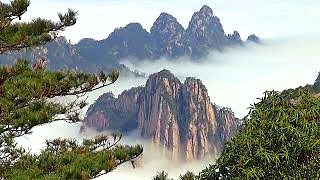
HuangShan (Yellow Mountain) lies in AnHui province.Highly worn granite summits peak out from a sea of clouds, dotted with ancient pines, have been an inspiration to artists and philosophers for many centuries ...
|
|
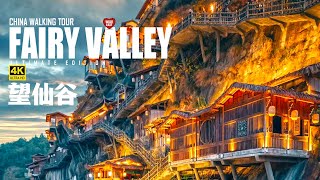
The WangXian Valley scenic area in ShangRao, JiangXi, is home to gorges, peaks, giant rocks, waterfalls, and a variety of Buddhist temples.
With Walk East ...
|
|
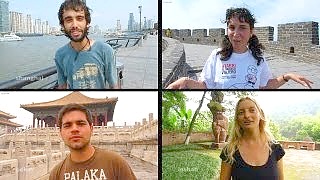
7,000 kilometers of backpacking to 14 locations ...
|

|
With Dr. Sten Ekberg ...
BB's summary : Variety, natural, and not too much.
Would have been nice to have a discussion on what vegans or vegetarians should be careful about, the importance of gut bacteria / the microbiome, the timing (limited window for eating), and how people are not all the same, but it is generally correct.
Bonus film ...
|
|