Christmas carnival at Window of the World, ChangSha, provincial capital of HuNan

Night Walk In ChangSha Christmas Carnival | 4K HDR Festival Party| China | 湖南 | 长沙 | 世界之窗节日秀

[640],shadow=true,start=,stop=
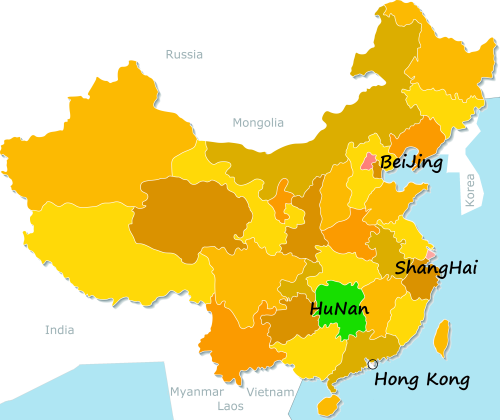
HuNan map

Related Videos


Featured Videos

Inspiring ideas for a beautiful home life
Architectural design and decor inspiration 激发美好生活理念的灵感 Bonus film - Five friends each transforms a random house in the suburbs of BeiJing and their work becomes a big success 北京5個好友,改造房子後,帶火整個村
Panda eating lunch in ChengDu 成都
At the Panda Base research center ...
Breakfast in WuHan, HuBei province  : )
With How To Do? In China ... Bonus film - my 9-5 work day, back home in NingBo ...
Exploring the YunGang Grottoes, near DaTong, ShanXi province
Ancient Buddhist carving caves. With DuckTravel ... Visitor Guide to the YunGang Grottoes Introduction to the YunGang Grottoes The YunGang Grottoes (云冈石窟), located near Datong in ShanXi Province, are one of China's most remarkable ancient Buddhist art sites. Carved into the sandstone cliffs during the Northern Wei Dynasty (5th–6th centuries), the grottoes feature over 51,000 statues and carvings, showcasing the fusion of Chinese, Indian, and Central Asian artistic traditions. Recognized as a UNESCO World Heritage Site, the YunGang Grottoes are a must-visit for history, art, and culture enthusiasts. Highlights of the YunGang Grottoes The Five Iconic Caves (TanYao Five Caves) - These are the earliest and most impressive caves, featuring colossal Buddha statues that symbolize the power and authority of the Northern Wei emperors. Cave 20, with its towering seated Buddha, is particularly famous. Intricate Carvings and Reliefs - The grottoes are adorned with detailed carvings of Buddhist deities, celestial beings, and narrative scenes from Buddhist scriptures. The craftsmanship reflects the artistic brilliance of the era. Cultural Fusion - The grottoes display a unique blend of Chinese and foreign influences, including Gandharan and Gupta styles, highlighting the Silk Road's cultural exchange. Outdoor Statues - In addition to the cave carvings, the site features numerous outdoor statues and steles, offering a glimpse into the religious and artistic practices of the time. Visitor Information Location: The YunGang Grottoes are located approximately 16 kilometers west of Datong City in ShanXi Province. Opening Hours: 8:30 AM to 5:30 PM (April–October); 8:30 AM to 4:50 PM (November–March). Entrance Fee: Approximately 120 CNY (April–October); 100 CNY (November–March). Discounts are available for students and seniors. Guided Tours: English-speaking guides are available for hire at the entrance, providing in-depth insights into the history and significance of the grottoes. How to Get There By Air: The nearest airport is Datong YunGang Airport, with connections to major cities like Beijing, Shanghai, and Guangzhou. From the airport, taxis or buses can take you to the grottoes. By Train: Datong is well-connected by high-speed rail. From Datong Railway Station, you can take a taxi or bus to the grottoes (about 30 minutes). By Car: The grottoes are easily accessible by car via the Datong–YunGang Expressway. Tips for Visitors Best Time to Visit: Spring (April–June) and autumn (September–October) offer pleasant weather and fewer crowds. Avoid visiting during national holidays, as the site can get very busy. What to Wear: Wear comfortable walking shoes, as the site involves some walking. Bring a hat and sunscreen during summer, as parts of the site are exposed. Photography: Photography is allowed in most areas, but flash photography is prohibited inside the caves to protect the ancient artwork. Respect the Site: As a UNESCO World Heritage Site, the grottoes are a precious cultural treasure. Avoid touching the carvings and follow all posted guidelines. Nearby Attractions HengShan Hanging Temple (悬空寺) - A unique temple built into a cliff face, combining Buddhist, Taoist, and Confucian elements. Datong City Wall - A well-preserved ancient city wall offering panoramic views of Datong. Nine Dragon Screen (九龙壁) - A stunning glazed-tile screen depicting nine dragons, located in Datong. Conclusion The YunGang Grottoes are a testament to China's rich cultural and religious history. With their awe-inspiring statues, intricate carvings, and historical significance, they offer a profound and unforgettable experience for visitors. Whether you're a history buff, an art lover, or a spiritual seeker, the YunGang Grottoes are a must-see destination in China.
GeekArt visits the 798 Arts Zone, DaShanZi, BeiJing
A contemporary arts zone in north east BeiJing with many galleries, bookshops, cafes and more. Changes all the time; though some 1950s factory look lingers. If you like to wander and come across the unexpected, it is well worth a visit. A fascinating place and an example of the 'new China'. With Jason Zhang ... Nothing really ends ... there's always an echo ... but what will that be ... ?
Xi’An street view drive and bike around, ShaanXi province
With China Street View ... With Walk East ... With Ahead Of Thyme ...
The awesome and beautiful JianKou wild Great Wall of China, BeiJing, by drone – Don’t Miss It
With Heretic1988 ... On the ongoing restoration efforts ... We do not recommend trying to hike here, because of the significant dangers involved, but enjoy the beautiful aerial film, and here's some information about the location. From the filmmaker : "Aerial photography of JianKou Great Wall, West Line-East Line (from Jiuyan Building in the west to Zhenbei Building in the east) is a complete record of all important nodes. It was like witnessing a miracle for the first time. The slender white lines of the white boulders whispered silently on the top of the towering peak, looking up at the huge city wall in front of them, and overlooking the steep curve that leaped up the ridge and spread endlessly, and the wind blew through the masonry. Passing through the gate of the enemy building, a piece of history pushes the dust under your feet to the legend of the ghostly craftsmanship on the mountain at the end of the line of sight, staggering forward, unable to tolerate half a moment of hesitation, faith is as strong as a rock, and it grows wildly between the cliffs, using humble courage to tighten Every stone crevice climbed cautiously, listening to a soul-stirring long song with a startled mind." Visitor Guide to JianKou Wild Great Wall of China, BeiJing Getting There Location: JianKou is a section of the Great Wall of China located in the Huairou District, about 73 kilometers north of BeiJing. By Public Transport: Take bus 916 or 936 from Dongzhimen Bus Station in BeiJing to Huairou, then transfer to a local minibus or hire a private car to Xizhazi Village, the starting point for hiking JianKou. By Car: If you prefer to drive, you can rent a car or hire a private car service from BeiJing. The drive takes about 2 hours. Hiking and Safety Tips Difficulty: The JianKou section is known for its steep and rugged terrain, making it suitable for experienced hikers. It is not recommended for beginners or those afraid of heights. Safety Gear: Wear sturdy hiking boots, and consider bringing gloves for climbing steep sections. A hiking stick can also be helpful. Weather: Check the weather forecast before your trip. Avoid hiking during rainy or snowy conditions, as the wall can become slippery and dangerous. Guides: Hiring a local guide is recommended for first-time visitors. Guides can provide valuable information about the trail and ensure your safety. Emergency Supplies: Carry plenty of water, snacks, a first-aid kit, and a fully charged mobile phone. There are no facilities along the trail. Main Attractions Notable Sections and Towers The "Zhengbeilou" Watchtower: One of the highest points on the JianKou section, offering panoramic views of the Great Wall snaking through the mountains. This is a popular spot for photography. The "Ox Horn Edge" (Niujiaobian): A dramatic and steep section of the wall that looks like the shape of an ox horn. It is challenging to climb but rewards hikers with spectacular views. The "Sky Stairs" (Tianti): A nearly vertical section of steps that test the courage and stamina of hikers. This is one of the most thrilling parts of the JianKou hike. Natural Scenery Mountain Views: The JianKou section offers stunning views of lush mountains and valleys, especially during spring and autumn when the foliage is at its most vibrant. Wildflowers: In spring, the hillsides are covered with wildflowers, adding a burst of color to the rugged landscape. Photography: JianKou is a favorite spot for photographers due to its dramatic scenery and the wild, unrestored state of the wall. Sunrise and sunset are particularly beautiful times for capturing photos. Nearby Attractions Mutianyu Great Wall: Located close to JianKou, the Mutianyu section is more restored and accessible, making it a good option for those who want a less strenuous hike. Beijing Huairou Scenic Area: Explore the scenic beauty of Huairou District, including rivers, mountains, and other historical sites. Dining and Accommodation While there are no dining facilities on the JianKou Great Wall itself, nearby villages and towns offer a variety of options: Local Restaurants: Enjoy traditional Chinese meals in local restaurants in Xizhazi Village and Huairou town. Dishes often feature fresh, locally sourced ingredients. Farm Stays: Experience rural life by staying in a local farmhouse. Many farm stays offer home-cooked meals and comfortable accommodations. Guesthouses: There are several guesthouses in the area, providing basic but comfortable lodging. Book in advance, especially during peak hiking seasons. Tips for Visitors Best Time to Visit: The best times to hike JianKou are spring (April to June) and autumn (September to November) when the weather is mild and the scenery is at its best. Permits and Restrictions: Check for any necessary permits or restrictions before your visit. Some areas of the wall may be closed for conservation or safety reasons. Leave No Trace: Help preserve the natural beauty and historical significance of JianKou by carrying out all your trash and minimizing your impact on the environment. Conclusion The JianKou Wild Great Wall of China offers an unforgettable hiking experience with its breathtaking scenery, challenging trails, and rich history. Whether you're an avid hiker or a history enthusiast, JianKou provides a unique and rewarding adventure in BeiJing. Plan your visit carefully, respect the natural and historical sites, and enjoy the beauty of this wild and stunning section of the Great Wall.
IKEA in ShangHai
A new shopping experience. With Wei's Travel ...
A drive around YunNan province
Plus drone footage ...

Tag search ?