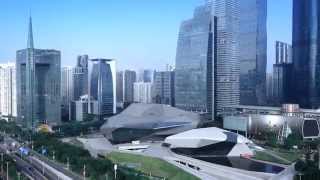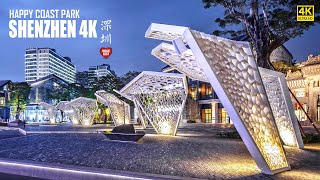
Night walk around FuTian CBD in ShenZhen

With Walk For You ...

[640],shadow=true,start=,stop=

ShenZhen Sea World ...

[320],shadow=true,start=,stop=

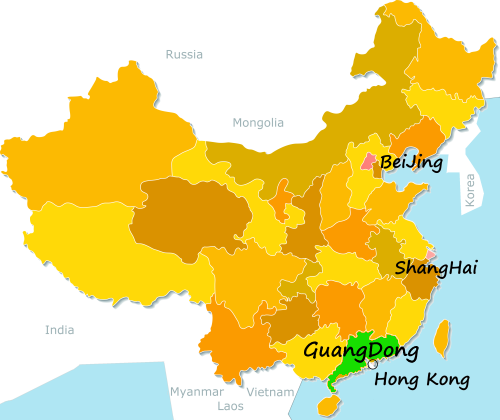
Shenzhen is a modern metropolis located in Guangdong Province, bordering Hong Kong to the south. Known as China's first Special Economic Zone, Shenzhen has transformed from a fishing village into a bustling city known for its innovation, technology, and vibrant culture. Here's what you need to know as a tourist visiting Shenzhen:

Modern Landmarks and Skyscrapers:
Shenzhen Bay Park: This expansive waterfront park offers stunning views of Shenzhen's skyline and the Hong Kong skyline across the bay. It's a popular spot for leisurely strolls, cycling, and picnics.

Shenzhen Civic Center: Admire the futuristic architecture of the Shenzhen Civic Center, which includes landmarks such as the Shenzhen Concert Hall, Shenzhen Library, and Shenzhen Museum.

Ping An Finance Centre: Marvel at one of the tallest skyscrapers in China and the fourth-tallest in the world, featuring an observation deck on the 116th floor offering panoramic views of the city.

Theme Parks and Entertainment:
Window of the World: Explore miniature replicas of famous landmarks from around the world, including the Eiffel Tower, the Taj Mahal, and the Great Wall of China, all in one place.

Happy Valley: This amusement park offers thrilling rides, live entertainment, and themed areas catering to visitors of all ages, making it a popular destination for families and thrill-seekers.

Shopping and Dining:
Huaqiangbei Electronics Market: Known as the world's largest electronics market, Huaqiangbei is a paradise for tech enthusiasts, offering everything from gadgets and components to accessories and repairs.

Coco Park: This upscale shopping and dining district features a wide range of boutiques, department stores, restaurants, bars, and cafes, catering to both locals and tourists.

Cultural and Historical Sites:
Dafen Oil Painting Village: Explore this vibrant artist community known for its reproduction oil paintings, where you can watch artists at work and purchase artworks at affordable prices.

Fairy Lake Botanical Garden: Escape the urban hustle and bustle at this expansive botanical garden, featuring lush greenery, scenic walking trails, and a diverse collection of plants and flowers.

Practical Tips:
Transportation: Shenzhen has a well-developed public transportation system, including the metro, buses, and taxis. The metro is the most convenient way to get around the city, with signs and announcements in both Chinese and English.

Language: Mandarin is the official language, but Cantonese and English are also widely spoken, especially in tourist areas, hotels, and restaurants.

Weather: Shenzhen has a subtropical climate with mild, dry winters and hot, humid summers. The best times to visit are spring (March to May) and autumn (September to November) when the weather is pleasant and comfortable.

Visa: Depending on your nationality, you may need a visa to enter China. Check the latest visa requirements and apply in advance if necessary.

Shenzhen offers a dynamic mix of modern attractions, cultural experiences, and shopping opportunities, making it an exciting destination for tourists seeking a taste of urban life in China. Whether you're interested in technology, entertainment, or simply exploring a vibrant city, Shenzhen has something for everyone.
GuangDong map

Related Videos


Featured Videos

US planning the destruction of Taiwan
With Redacted ... With Brian Berletic, Angelo Giuliano and Danny HaiPhong ... With Reportify Media and George Galloway ...
Ten enduring fundamentals of China’s culture
1. Harmony and Balance (和谐 Héxié) Philosophical Roots: Derived from Confucianism, Daoism, and Buddhism, the concept of harmony emphasizes balance in social relationships, nature, and the universe. It promotes peaceful coexistence and cooperation. Social Application: In social and business contexts, maintaining harmony is crucial. Conflicts are often resolved through negotiation and compromise to preserve social stability. 2. Family and Filial Piety (孝 Xiào) Central Role of Family: The family is the cornerstone of Chinese society. Filial piety, respect for one’s parents and ancestors, is a key virtue. Social Structure: Family obligations often take precedence over individual desires, reflecting the collective nature of Chinese culture. 3. Collectivism Community Focus: Chinese culture emphasizes the importance of the group over the individual. This is evident in societal, family, and workplace dynamics. Shared Responsibility: Successes and failures are often viewed as collective rather than individual, fostering a strong sense of community and mutual support. 4. Win-Win Philosophy (共赢 Gòngyíng) Mutual Benefit: In business and diplomacy, the concept of win-win solutions is highly valued. It emphasizes creating outcomes that benefit all parties involved. Long-Term Relationships: Building long-term relationships and mutual trust is prioritized over short-term gains. 5. Respect for Hierarchy and Authority Confucian Influence: Respect for hierarchy is deeply ingrained, influenced by Confucian principles. This is evident in social, familial, and organizational structures. Role of Elders and Leaders: Elders and leaders are accorded high respect and their opinions are given significant weight in decision-making processes. 6. Education and Continuous Learning Value of Education: Education is highly valued and seen as a means to achieve personal and societal improvement. Historical reverence for scholars and intellectuals persists. Meritocracy: Historically, the imperial examination system reinforced the importance of education and merit in attaining social status and governmental positions. 7. Adaptability and Pragmatism Historical Adaptation: China has a long history of adapting to changing circumstances, whether through economic reforms or cultural assimilation. Pragmatic Approach: Practical solutions are often favored over rigid adherence to ideology, allowing for flexibility in governance and daily life. 8. Respect for Tradition and Cultural Heritage Preservation of Traditions: Despite modernization, traditional festivals, customs, and rituals remain integral to Chinese life. Cultural Continuity: There's a strong emphasis on preserving and passing down cultural heritage through generations. 9. Guanxi (关系) - Social Connections and Networks Importance of Relationships: Building and maintaining relationships is crucial in both personal and professional contexts. Guanxi can provide social support, opportunities, and resources. Reciprocity: Relationships are maintained through reciprocal exchanges of favors and support. 10. Yin and Yang (阴阳 Yīnyáng) Philosophical Concept: Represents the duality and interconnectedness of opposites in the natural world. Balance between yin (passive, dark, feminine) and yang (active, light, masculine) is sought. Application in Life: This concept influences various aspects of life, including health, environment, and personal relationships. Conclusion These enduring characteristics shape the Chinese worldview and influence behavior, relationships, and societal norms. Understanding these cultural elements provides valuable insights into the dynamics of Chinese society and its approach to both personal and professional interactions. These values continue to guide life in China into modernity and its international relations.
‘Take me out tonight’ (in Hong Kong 香港)
A beautiful and creative short film by Francis So ...
Cancer as a metabolic disease – 2
With Dr Thomas Seyfried ... Our research of pubmed over the years has found four natural extracts that limit glutamine use by cancer cells : curcumin, green tea extract (inc. EGCG), quercetin and berberine. I would add a fifth for other reasons : sulphoraphane. All have effects on multiple pathways, such as preventing angiogenesis. Ideally one would be working with a skilled doctor, but as a rough guide, large doses would be needed; up to 20 of each per day; so capsules emptied into water would be best; build up over time. Plus zero carbs, low protein (to promote autophagy - hopefully tumor shrinkage; eg 3 egg yolks) and time restricted eating. And fresh air walks. The '100 diet' : * curcumin * green tea extract * quercetin * berberine * sulphoraphane Probably best taken with a meal (e.g. leafy greens) drizzled with MCT, coconut or Extra Virgin olive oils. Add a few tablespoons of Hemp Seed Oil for extra effect (CBD).
Traditional Chinese style oiled paper and bamboo umbrella
中国传统油纸伞
BeiJing 北京 hutongs 胡同
Growing up as an Asian in the West – a message for us all
A little outside of our usual type of post, but we think that this is a topic that ripples widely. Here, some ABCs (American Born Chinese) straight talking from real life experience. First, a hyper-drive Wei Li, with a little 'bad language', but strong message. Not Chinese, not American, just a regular Jo / Joe ? There's still a message for you / us all. Be strong, yet without any need to put others down; be totally you while appreciating others. Wei Li nails it. Never think 'better than others'; think 'best I can be' (no compromise on who you are, no fear, no hate). Asians are all A+ students, right ?! Exploring stereotypes and the harm that, often silently, can ensue. CanWen Xu ... Olivia Lai ...
My BeiJing 北京 – by local travel bloggers …
Returning home – a panda’s journey : A Happy Chinese New Year from BeiJingBuzzz  : )( :
Love is family (and that is all of us). Love is happiness. Love is coming together. Some early CNY decorations - with Street Snap ... ... More to come - stay tuned ! ...

Tag search ?