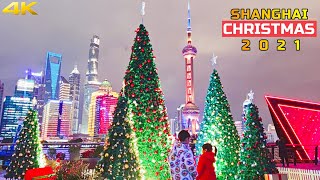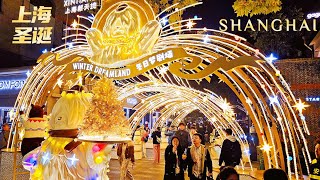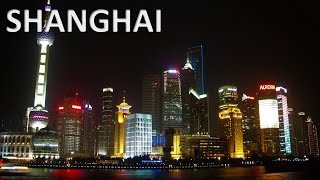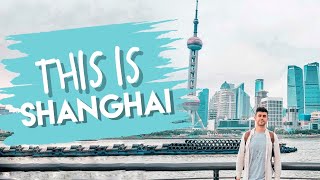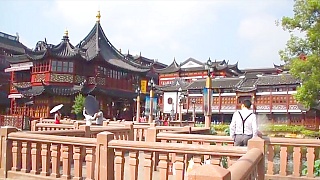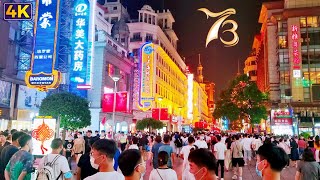
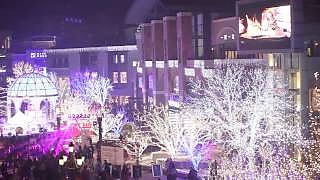
ShangHai night walk – including seasonal lights

[640],shadow=true,start=,stop=
[320],shadow=true,start=,stop= [320],shadow=true,start=,stop= [320],shadow=true,start=,stop= [320],shadow=true,start=,stop= [320],shadow=true,start=,stop= [320],shadow=true,start=,stop= [320],shadow=true,start=,stop=

Bonus film - QingDao (a port city south east of BeiJing) ...

[320],shadow=true,start=,stop=

Bonus film 2 - TianJin (a port city a little to the east of BeiJing) at Christmas ...

[320],shadow=true,start=,stop=

Bonus film 3 - MiuMiu Guitar girl ...

[320],shadow=true,start=,stop=

Shanghai is one of China's most dynamic and cosmopolitan cities, blending a rich history with modern skyscrapers and vibrant culture. Here's what you need to know as a tourist visiting Shanghai:

Historical and Cultural Landmarks:
The Bund: This iconic waterfront promenade along the Huangpu River features colonial-era buildings on one side and futuristic skyscrapers on the other, offering stunning views of Shanghai's skyline.

Yu Garden: Dating back to the Ming dynasty, Yu Garden is a classical Chinese garden with pavilions, ponds, and rockeries. The nearby Yu Garden Bazaar is a great place to shop for souvenirs and traditional crafts.

Shanghai Museum: Home to an extensive collection of Chinese art and artifacts, including bronzes, ceramics, paintings, and calligraphy, the Shanghai Museum is a must-visit for history and art enthusiasts.

Jing'an Temple: One of Shanghai's most famous Buddhist temples, Jing'an Temple is known for its beautiful architecture, peaceful atmosphere, and towering golden Buddha statue.

Modern Attractions:
Shanghai Tower: Ascend to the observation deck of this iconic skyscraper, the tallest in China and the second-tallest in the world, for panoramic views of the city.

The Oriental Pearl TV Tower: Another iconic landmark, this futuristic tower offers observation decks, a glass-bottomed skywalk, and a revolving restaurant.

Shanghai Disneyland: Located in the Pudong district, Shanghai Disneyland offers a magical experience for visitors of all ages with its themed lands, attractions, and entertainment.

Shopping and Entertainment:
Nanjing Road: One of the world's busiest shopping streets, Nanjing Road is lined with department stores, boutiques, and restaurants. Don't miss the nearby pedestrian-friendly Nanjing Road East, known for its lively atmosphere and street performers.

Xintiandi: This upscale shopping, dining, and entertainment district features a mix of traditional Shikumen-style buildings and modern amenities, making it a popular destination for locals and tourists alike.

French Concession: Explore this historic neighborhood known for its tree-lined streets, charming cafes, boutiques, and art galleries.

Culinary Delights:
Shanghai Cuisine: Sample local specialties such as xiaolongbao (soup dumplings), shengjianbao (pan-fried dumplings), and Shanghai-style noodles.

Street Food: Wander through the city's bustling food markets and snack streets to taste a variety of street foods, from savory pancakes to grilled skewers.

Practical Tips:
Transportation: Shanghai has an efficient public transportation system, including the subway, buses, and taxis. Consider purchasing a rechargeable transportation card for convenience.

Language: While Mandarin is the official language, English is widely spoken in tourist areas, hotels, and restaurants.

Weather: Shanghai experiences four distinct seasons, with hot, humid summers and chilly winters. The best times to visit are spring (March to May) and autumn (September to November) when the weather is mild and comfortable.

Etiquette: Respect local customs and traditions, such as using polite language and avoiding loud behavior in public places.

Shanghai offers a captivating blend of old and new, with its historic landmarks, modern skyscrapers, vibrant culture, and delectable cuisine. Whether you're interested in history, architecture, shopping, or dining, Shanghai has something to offer every type of visitor.
Related Videos


Featured Videos

A vegan taste of China – DiSanXian / 3 treasures of the earth (Potato, Pepper, and Aubergine)
DiSanXian (Potato, Pepper, and Aubergine) Introduction DiSanXian (地三鲜) is a popular Chinese dish from the northeastern region of China. The name "DiSanXian" translates to "Three Earthly Treasures," referring to the main ingredients: potatoes, peppers, and aubergines (eggplants). This dish is loved for its rich flavors and satisfying texture, making it a perfect vegan option for those looking to enjoy authentic Chinese cuisine. Ingredients 2 large potatoes 2 medium aubergines (eggplants) 1 green bell pepper 1 red bell pepper 2 cloves garlic, minced 2 tablespoons soy sauce 1 tablespoon vinegar 1 teaspoon sugar Salt to taste Cooking oil Chopped spring onions (optional, for garnish) Preparation DiSanXian is a straightforward dish to prepare, requiring basic cooking techniques and common ingredients. Here's how to make it: Step 1: Prepare the Vegetables Peel the potatoes and cut them into thin slices or wedges. Cut the aubergines into bite-sized pieces. Remove the seeds from the bell peppers and cut them into strips. Step 2: Fry the Vegetables Heat oil in a wok or large frying pan over medium-high heat. Fry the potato slices until they are golden and crispy, then remove and set aside. Next, fry the aubergine pieces until they are tender and slightly browned, then remove and set aside. Finally, fry the bell pepper strips for a few minutes until they are slightly softened. Step 3: Combine and Season In the same wok or pan, add a little more oil if needed and sauté the minced garlic until fragrant. Add the fried potatoes, aubergines, and bell peppers back into the pan. Stir in the soy sauce, vinegar, sugar, and a pinch of salt. Toss everything together until the vegetables are well-coated with the sauce and heated through. Step 4: Serve Transfer the DiSanXian to a serving plate and garnish with chopped spring onions, if desired. Serve hot with steamed rice for a complete and satisfying meal. Tips and Variations Adjusting Spice Level: If you prefer a spicier version, add some chopped chili peppers or a pinch of chili flakes to the dish. Additional Vegetables: Feel free to add other vegetables like carrots, onions, or zucchini for more variety and nutrition. Low-Oil Option: For a healthier version, you can roast the vegetables instead of frying them. Toss them with a little oil and roast in the oven until tender and lightly browned. Sauce Variations: Experiment with different sauces, such as adding a touch of hoisin sauce for sweetness or using black bean sauce for a deeper flavor. Nutritional Information DiSanXian is not only delicious but also nutritious. Here is an approximate nutritional breakdown for a typical serving of DiSanXian: Calories: 250-300 kcal Protein: 4-6 grams Carbohydrates: 30-35 grams Fat: 12-15 grams Fiber: 5-7 grams Vitamins and Minerals: High in Vitamin C, potassium, and antioxidants from the vegetables. This makes DiSanXian a well-rounded dish that provides energy, essential nutrients, and dietary fiber. Where to Find DiSanXian in China DiSanXian is a popular dish in northeastern China but can be found in many Chinese restaurants throughout the country. Look for restaurants that specialize in northeastern Chinese cuisine or those that offer a wide range of vegetable dishes. You can also find DiSanXian in some vegetarian and vegan restaurants. Conclusion DiSanXian is a delicious and versatile vegan dish that highlights the simple yet rich flavors of Chinese cuisine. Whether you're a seasoned vegan or just looking to try something new, DiSanXian is sure to please your taste buds with its satisfying combination of potatoes, peppers, and aubergines. Enjoy this delightful dish at home or seek it out during your travels in China for an authentic culinary experience.
Planning war on China – part 20
With Brian Berletic / The New Atlas ... On the US drone strike in Syria that killed many civilians - with Democracy Now ... On Cambodia ... On China and the U.S. ... On Iran, with Democracy Now ... A documentary on the assassination of President John F. Kennedy, November 22, 1963 ... On the 'diplomatic boycott' of the Beijing Winter Olympics by the 5-eyes imperialists ... On Julian Assange and the Uk to US extradition ... On Syria, with The Grayzone ... On Canada's 'boycott' of the BeiJing Winter Olympics - with numuves ... Meanwhile ... ShenZhou-13 - 1st space lecture from the TianGong Space Station 中国空间站天宫课堂第一课 ... High speed rail link to the BeiJing Winter Olympics ... ... more to come, as ever; so check back on this post later, and see all the updates in earlier parts ...
ShangHai Book City mall
With Wei's Travel ... Bonus films - with FunFancie ...
Shangri-la, YunNan province, food adventure, plus visitor guide
With Tucker Eats ... Welcome to Shangri-La, China Introduction History of Shangri-La Joseph Rock & His Influence Top Attractions Local Culture Local Cuisine Visitor Tips Introduction Shangri-La, located in the DiQing Tibetan Autonomous Prefecture in Yunnan Province, China, is a place of stunning natural beauty, rich Tibetan culture, and spiritual significance. Known for its snow-capped mountains, deep valleys, and pristine lakes, Shangri-La has become a popular destination for travelers seeking both adventure and tranquility. History of the Name "Shangri-La" The name "Shangri-La" originates from James Hilton's 1933 novel Lost Horizon, where it was depicted as a mystical, utopian valley in the Himalayas. The term has since become synonymous with an earthly paradise, a place of peace and perpetual happiness. In 2001, to promote tourism, the Chinese government officially renamed ZhongDian County in Yunnan Province to Shangri-La, claiming it to be the inspiration for Hilton's fictional paradise. Despite the debate over the true inspiration for Hilton’s novel, the renaming has significantly boosted the region's profile, transforming it into a major tourist destination. The area was already known for its Tibetan cultural heritage, and the new name further solidified its reputation as a place of mystical allure and natural beauty. Joseph Rock & His Influence on Shangri-La Joseph Francis Charles Rock was an Austrian-American explorer, botanist, and anthropologist who lived in China for more than 25 years during the early 20th century. He is particularly known for his extensive travels and research in the remote regions of Yunnan and Sichuan provinces, where he lived among the Naxi people, an ethnic minority with a rich cultural heritage. Rock’s detailed accounts of the Naxi culture, their language, and the stunning landscapes of the region were published in various journals, including National Geographic. These writings brought the hidden beauty of the region to the attention of the world and likely served as an inspiration for James Hilton's depiction of the fictional Shangri-La in his novel Lost Horizon. Rock's base in Lijiang, which is not far from the present-day Shangri-La, became the center of his studies on the Naxi people. He documented their ancient Dongba script, rituals, and way of life, contributing significantly to the preservation of their culture. The influence of his work is evident in the detailed descriptions of a harmonious, isolated valley in Hilton’s novel, which bears striking similarities to the areas where Rock lived and worked. Today, Joseph Rock’s legacy lives on in both the scientific community and the popular imagination, where he is remembered as a key figure who bridged the gap between the mysterious landscapes of southwest China and the Western world. Top Attractions in Shangri-La Songzanlin Monastery Often referred to as the "Little Potala Palace," Songzanlin Monastery is the largest Tibetan Buddhist monastery in Yunnan Province. Built in the 17th century, it is a stunning complex of golden roofs, ornate halls, and traditional Tibetan architecture. The monastery is an active religious site, home to hundreds of monks, and offers breathtaking views of the surrounding landscape. Pudacuo National Park Pudacuo National Park is one of the first national parks in China to meet international standards. Spanning over 1,300 square kilometers, the park is known for its diverse ecosystems, including alpine lakes, wetlands, forests, and meadows. Key attractions within the park include Shudu Lake, Bita Lake, and the vast, undisturbed wilderness that is home to a variety of rare flora and fauna. Tiger Leaping Gorge Tiger Leaping Gorge, one of the deepest and most spectacular gorges in the world, is located about 60 kilometers from Shangri-La. The gorge is carved by the Jinsha River, a tributary of the Yangtze, and offers thrilling trekking opportunities. The dramatic scenery of steep cliffs, roaring rapids, and snow-capped peaks makes it a must-visit for adventure seekers. Napa Lake Napa Lake is a seasonal lake located about 8 kilometers from Shangri-La. Surrounded by mountains, the lake appears during the rainy season and turns into a lush grassland in the dry season, where you can witness yaks and horses grazing. The area is also a sanctuary for migratory birds, including the rare black-necked crane. Dukezong Ancient Town Dukezong Ancient Town is a well-preserved Tibetan town with a history of over 1,300 years. The town features traditional Tibetan architecture, winding cobblestone streets, and the largest prayer wheel in the world. Dukezong is a great place to explore local culture, enjoy Tibetan cuisine, and shop for traditional crafts. Local Culture Shangri-La is a region deeply rooted in Tibetan culture. The local population predominantly consists of Tibetan people, who practice Tibetan Buddhism and maintain traditional customs and festivals. Major festivals include the Tibetan New Year (Losar), the Horse Racing Festival, and the Gedong Festival, where you can experience colorful religious dances, horse racing, and other cultural events. The region is also known for its vibrant Tibetan art, including Thangka paintings, wood carvings, and intricate metalwork. Visitors have the opportunity to engage with local artisans and learn about the traditional techniques passed down through generations. Local Cuisine The cuisine in Shangri-La is heavily influenced by Tibetan and Yunnanese flavors. Key dishes to try include: Tibetan Yak Butter Tea: A traditional Tibetan beverage made from tea, yak butter, and salt. It’s known for its unique taste and high energy content. Tsampa: A staple food made from roasted barley flour, often mixed with yak butter tea to form a dough. Yak Meat: A common ingredient in local dishes, yak meat is often stewed or grilled, and served with vegetables or rice. Momos: Tibetan-style dumplings filled with meat or vegetables, similar to the Chinese jiaozi. Wild Mushroom Hot Pot: A Yunnan specialty featuring a variety of locally-sourced wild mushrooms cooked in a flavorful broth. Visitors should also explore local markets for fresh produce, Tibetan bread, and artisanal cheeses made from yak milk. Visitor Tips Best Time to Visit: The best time to visit Shangri-La is from May to October, when the weather is mild and the landscapes are lush and green. During this period, the region is also alive with festivals and cultural events. Altitude: Shangri-La is located at an altitude of about 3,200 meters (10,500 feet). Visitors should be aware of the potential for altitude sickness and take it easy during the first few days of their visit. Getting There: Shangri-La can be reached by air via DiQing Shangri-La Airport, which has flights from major cities like Kunming, Chengdu, and Lhasa. There are also bus connections to Lijiang and Dali. Language: While Mandarin is widely spoken, many locals speak Tibetan. Having a translation app or a basic knowledge of Mandarin phrases can be helpful. Respect Local Customs: When visiting monasteries and other religious sites, dress modestly, remove your hat, and ask for permission before taking photographs. It’s also customary to walk clockwise around religious sites.
‘A chance meeting in GuiLin 桂林’ – and more micro movies 微电影
Grab some popcorn and enjoy a night-in at the BeiJingBuzzz cinema. New love, love perturbed, love re-found, love passed ... 'Fate ?' 《天目湖漫生活》 远离喧嚣 追寻宁静 世外桃园 浪漫生活 风景片 'Love More' Bii 畢書盡 《LOVEMORE CuBii 愛神降臨》 微電影全球首播 《连云港渔湾》微电影 山上的特别美丽魅力风景(爱情) 'Let's Get Married' (2015) Title song by Jane Zhang 張靚穎 《咱們結婚吧》 電影版主題曲《終於等到你》 (短版 MV) We cannot decide all that happens in life, but we can control how we react. Love is there, if we are ready and open the door. Love is not hard to find (to be); but it is easy to lose. In the end, what we get counts for nothing; it is what we give (leave behind) that matters - and every moment leaves a ripple in the ocean of life. Sneakers are fine; but the bare-foot memories will be most chrished. Love doesn't just flow to the naturally beautiful; it is those with love in their hearts who shine ; it is love that creates beauty.
National Day, October 1st 2022, ShangHai walk
Planning war on China – part 18
What is called 'democracy' is elite rule; money buys power / fool the people that they have significance. 'Democracy' is the subterfuge that is capture / takeover by other means. In the West, you don't have any real say, other than which side of the same coin is to 'represent' you. To keep one from seeing the bigger picture, and a sense of being part of humanity, the West focuses you on personal identity (misdirection), and that you are 'free'. This is the mix of 'divide and rule', plus mental chains (beliefs) over physical chains, as the new slavery. Anyone who opens their eyes can see it, right in front of them; how one is constantly programmed. Another aspect of the control is money; that is what limits your real freedom; and refocuses your life on the material / survival. The walls and bars of our prison are internalized. To add to the confusion, these elements are projected onto the 'others'. The bigger picture, the full reality, is kept hidden, while the focus remains on endless little bits that are easily construed a certain way. Once one sees reality, the purpose behind all the little steps that make up the 'news' becomes clear. In the end, the West's elite can only rule with the acquiescence of the vast majority. With The Gravel Institute ... In China, the people are family. In the West, the people are livestock. Hence, China is a 'threat' to the Western elite; the threat of a good example. On how the US rules Taiwan ... On Iran - sanctions and the 'nuclear deal' ... On the Laos - China high speed rail link ...
A robot staffed Geely car factory – tour
Completely random bonus film - a Halloween party at an international school ... And one more ...
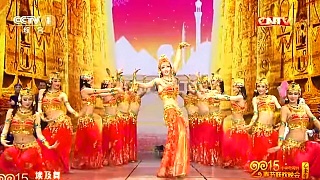
Dance of the Silk Road and Long Long Ago …
Plus, Gong LinNa with a beautiful new song : Xiao He Tang Shui 小河淌水 ...

Tag search ?