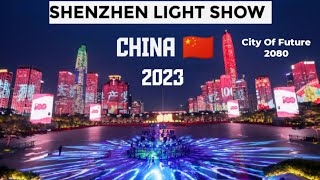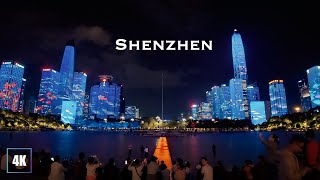
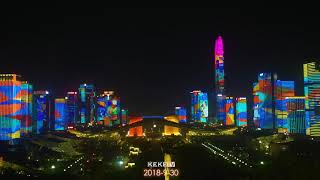
Lantern Show, ShenZhen, GuangDong province

With Walking Vincent ...

[640],shadow=true,start=,stop=

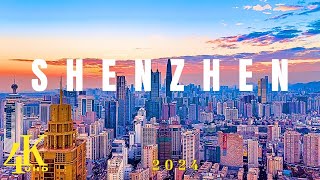
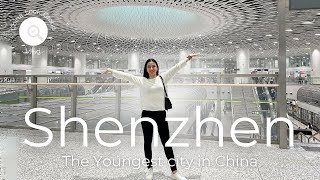
Shenzhen is a modern metropolis located in Guangdong Province, bordering Hong Kong to the south. Known as China's first Special Economic Zone, Shenzhen has transformed from a fishing village into a bustling city known for its innovation, technology, and vibrant culture. Here's what you need to know as a tourist visiting Shenzhen:

Modern Landmarks and Skyscrapers:
Shenzhen Bay Park: This expansive waterfront park offers stunning views of Shenzhen's skyline and the Hong Kong skyline across the bay. It's a popular spot for leisurely strolls, cycling, and picnics.

Shenzhen Civic Center: Admire the futuristic architecture of the Shenzhen Civic Center, which includes landmarks such as the Shenzhen Concert Hall, Shenzhen Library, and Shenzhen Museum.

Ping An Finance Centre: Marvel at one of the tallest skyscrapers in China and the fourth-tallest in the world, featuring an observation deck on the 116th floor offering panoramic views of the city.

Theme Parks and Entertainment:
Window of the World: Explore miniature replicas of famous landmarks from around the world, including the Eiffel Tower, the Taj Mahal, and the Great Wall of China, all in one place.

Happy Valley: This amusement park offers thrilling rides, live entertainment, and themed areas catering to visitors of all ages, making it a popular destination for families and thrill-seekers.

Shopping and Dining:
Huaqiangbei Electronics Market: Known as the world's largest electronics market, Huaqiangbei is a paradise for tech enthusiasts, offering everything from gadgets and components to accessories and repairs.

Coco Park: This upscale shopping and dining district features a wide range of boutiques, department stores, restaurants, bars, and cafes, catering to both locals and tourists.

Cultural and Historical Sites:
Dafen Oil Painting Village: Explore this vibrant artist community known for its reproduction oil paintings, where you can watch artists at work and purchase artworks at affordable prices.

Fairy Lake Botanical Garden: Escape the urban hustle and bustle at this expansive botanical garden, featuring lush greenery, scenic walking trails, and a diverse collection of plants and flowers.

Practical Tips:
Transportation: Shenzhen has a well-developed public transportation system, including the metro, buses, and taxis. The metro is the most convenient way to get around the city, with signs and announcements in both Chinese and English.

Language: Mandarin is the official language, but Cantonese and English are also widely spoken, especially in tourist areas, hotels, and restaurants.

Weather: Shenzhen has a subtropical climate with mild, dry winters and hot, humid summers. The best times to visit are spring (March to May) and autumn (September to November) when the weather is pleasant and comfortable.

Visa: Depending on your nationality, you may need a visa to enter China. Check the latest visa requirements and apply in advance if necessary.

Shenzhen offers a dynamic mix of modern attractions, cultural experiences, and shopping opportunities, making it an exciting destination for tourists seeking a taste of urban life in China. Whether you're interested in technology, entertainment, or simply exploring a vibrant city, Shenzhen has something for everyone.
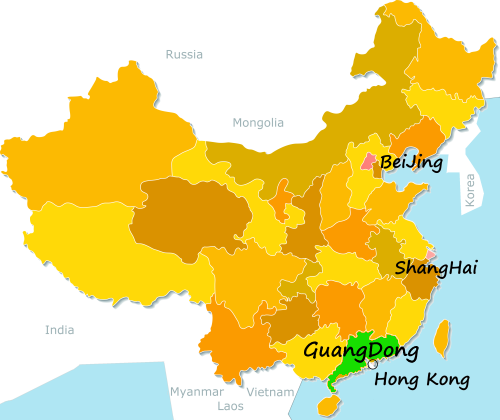
GuangDong map

Related Videos


Featured Videos

Welcome to beautiful China 中国 …
Bonus film - the Great Wall near Beijing in 4K ...
XiaMen 厦门 FuJian province
As a former treaty port, XiaMen has some colonial architecture. As part of China's Opening Up Policy in the early 1980s under Deng XiaoPing, XiaMen became one of the four original special economic zones opened to foreign investment and trade. XiaMen is well-regarded as a pleasant city. A film about a return to one's family's roots ...
Cancer as a metabolic disease – 2
With Dr Thomas Seyfried ... Our research of pubmed over the years has found four natural extracts that limit glutamine use by cancer cells : curcumin, green tea extract (inc. EGCG), quercetin and berberine. I would add a fifth for other reasons : sulphoraphane. All have effects on multiple pathways, such as preventing angiogenesis. Ideally one would be working with a skilled doctor, but as a rough guide, large doses would be needed; up to 20 of each per day; so capsules emptied into water would be best; build up over time. Plus zero carbs, low protein (to promote autophagy - hopefully tumor shrinkage; eg 3 egg yolks) and time restricted eating. And fresh air walks. The '100 diet' : * curcumin * green tea extract * quercetin * berberine * sulphoraphane Probably best taken with a meal (e.g. leafy greens) drizzled with MCT, coconut or Extra Virgin olive oils. Add a few tablespoons of Hemp Seed Oil for extra effect (CBD).
Life Wisdom – Jason Silva (psychology)
Unconditional love, trauma, flow (being in the moment), the ego, and more ...
US planning the destruction of Taiwan
With Redacted ... With Brian Berletic, Angelo Giuliano and Danny HaiPhong ... With Reportify Media and George Galloway ...
Something different – Our beautiful Earth
*** Planning war with China – part 10 – don’t miss it ***
Max : "Rules based world order = we make the rules, and we make the orders". Economic imperialism. With The GrayZone - professor Michael Hudson talks with Ben Norton and Max Blumenthal (3 very wise brains) ... Bonus film - on 'humane war'; rebranded war ('war is peace') - Aaron Maté talks with Samuel Moyn ... Bonus film 2 - on Hunter Biden's laptop ... Bonus film 3 - John Bolton challenged on Iran regime change, Afghanistan, US sanctions, bombing of Syria - with Afshin Rattansi ... Bonus film 4 - why Hillary Clinton smeared Tulsi Gabbard ...
Confucius – wisdom that is ageless
The wonderful JingShan Park, central BeiJing
With MisterVaughn ... Welcome to JingShan Park Explore the historic heart of BeiJing About Jingshan Park Jingshan Park, located in the center of Beijing, is a historic and scenic park with a rich cultural heritage. Originally an imperial garden during the Yuan, Ming, and Qing dynasties, the park is famous for its artificial hill, Jingshan, which offers panoramic views of the Forbidden City and central Beijing. The hill was created from the soil excavated to build the moats of the Forbidden City and nearby canals. Main Attractions Wanchun Pavilion The Wanchun Pavilion, located at the summit of Jingshan Hill, is the highest point in central Beijing. It offers breathtaking views of the Forbidden City to the south, Beihai Park to the west, and modern Beijing's skyline. Five Pavilions Jingshan Hill features five pavilions aligned along its central axis. Each pavilion offers unique perspectives of the surrounding area and houses a Buddhist statue, reflecting the park's historical significance. Shouhuang Hall The Shouhuang Hall was used by emperors for ancestral worship. Recently renovated, it now serves as an exhibition hall showcasing the history and cultural heritage of Jingshan Park. Peony Garden The Peony Garden, located in the park's southeast corner, is renowned for its stunning collection of peonies. It is a popular spot during the blooming season in late spring when the flowers are in full bloom. Activities Morning Exercises Jingshan Park is a popular spot for locals to perform morning exercises such as tai chi, dancing, and jogging. Visitors can join in or simply enjoy watching these traditional Chinese activities. Photography The park offers excellent opportunities for photography, especially from the summit of Jingshan Hill. Capture panoramic views of the Forbidden City and the surrounding cityscape, or the beautiful gardens and pavilions within the park. Seasonal Festivals Jingshan Park hosts various cultural events and festivals throughout the year, such as the Peony Festival in spring and the Chrysanthemum Exhibition in autumn. These events showcase the park's horticultural beauty and traditional Chinese culture. Transport Jingshan Park is easily accessible from various parts of Beijing. Here are some ways to get there: By Subway: Take Line 8 to Shichahai Station, then walk south for about 10 minutes to reach the park's north gate. By Bus: Multiple bus routes stop near Jingshan Park, including routes 5, 58, and 101. Get off at the Jingshan East Gate stop. By Taxi: Taxis are a convenient option, especially if you are traveling with a group or have heavy luggage. Just ask the driver to take you to Jingshan Park (景山公园).

Tag search ?