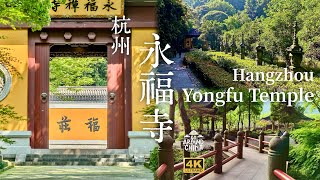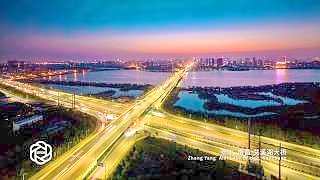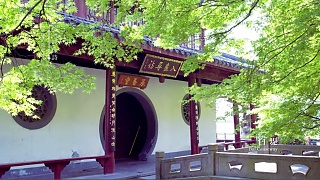
Beautiful HangZhou 杭州 evening gala …

A mix of classical and Chinese folk music staged on West Lake. Awesome !

[640],shadow=true,start=,stop=1970
[320],shadow=true,start=,stop=

Bonus films ...

[320],shadow=true,start=64,stop= [320],shadow=true,start=45,stop= [320],shadow=true,start=,stop=

HangZhou : 'Heaven on Earth' - Marco Polo

Hangzhou, located in eastern China's Zhejiang province, is renowned for its picturesque West Lake, traditional tea culture, and historic sites. Here's a guide for tourists visiting Hangzhou:

West Lake and Scenic Areas:
West Lake (Xi Hu): This UNESCO World Heritage Site is the centerpiece of Hangzhou's natural beauty, with its serene waters, pagodas, gardens, and surrounding hills. Visitors can take boat cruises, stroll along the lakeside paths, or rent bicycles to explore the area.

Leifeng Pagoda: Situated on the southern shore of West Lake, this historic pagoda offers panoramic views of the lake and the city skyline.

Lingyin Temple (Temple of the Soul's Retreat): One of the most important Buddhist temples in China, Lingyin Temple features ancient rock carvings, serene courtyards, and a large statue of Buddha.

Xixi Wetland Park: Explore the tranquil waterways, traditional villages, and lush greenery of this scenic wetland park, located on the outskirts of Hangzhou.

Tea Culture:
Longjing (Dragon Well) Tea Plantations: Hangzhou is famous for producing Longjing tea, one of China's most prized green teas. Visitors can tour the tea plantations in the nearby hills, learn about the tea-making process, and sample freshly brewed Longjing tea.

National Tea Museum: Learn about the history, cultivation, and cultural significance of tea in China at this informative museum located on the outskirts of Hangzhou.

Historic and Cultural Sites:
Six Harmonies Pagoda (Liuhe Pagoda): This ancient pagoda offers panoramic views of the Qiantang River and the surrounding countryside. It also houses a small museum showcasing Buddhist artifacts.

Hefang Street (Qinghefang Ancient Street): Stroll along this historic street lined with traditional shops, teahouses, and snack stalls selling local delicacies and handicrafts.

China National Silk Museum: Discover the art of silk production and the history of the silk trade in China at this museum, which features exhibits on silk weaving, dyeing techniques, and cultural artifacts.

Modern Attractions:
Hangzhou Grand Canal: Take a boat cruise along the Grand Canal, the world's longest and oldest canal, to admire the historic architecture and bustling waterfront scenes.

Hangzhou CBD (Central Business District): Explore the modern side of Hangzhou with its skyscrapers, shopping malls, and vibrant nightlife.

Practical Tips:
Transportation: Hangzhou has an extensive public transportation network, including buses, subways, and taxis. Bicycles and electric scooters are also popular options for getting around the city.

Weather: Hangzhou has a humid subtropical climate with hot, humid summers and mild, damp winters. Spring and autumn are the best times to visit when the weather is pleasant and the landscapes are at their most beautiful.

Language: Mandarin Chinese is the official language, but English may not be widely spoken outside of tourist areas. It's helpful to learn a few basic phrases or carry a translation app.

Hangzhou's blend of natural beauty, cultural heritage, and modern amenities makes it a captivating destination for tourists. Whether you're exploring historic sites, indulging in tea culture, or simply enjoying the tranquility of West Lake, Hangzhou offers a memorable experience for visitors of all interests.

Related Videos


Featured Videos

Something different – on the universe / space
[videogallery type=playlist id=PLAhTBeRe8IhNCSe4R-NvrFnrgJvE6jql8]
A guide to the magnificent Forbidden City (Palace Museum) in BeiJing
With Lulu's Daily In China ... Welcome to the Forbidden City Explore the imperial palace and ancient architecture of the Forbidden City in Beijing. Introduction The Forbidden City, also known as the Palace Museum, is a vast imperial palace complex in Beijing, China. It served as the home of emperors and their households, as well as the ceremonial and political center of the Chinese government for almost 500 years. Location The Forbidden City is located in the Dongcheng District in the heart of Beijing, directly north of Tiananmen Square. History The construction of the Forbidden City began in 1406 and was completed in 1420. It was the Chinese imperial palace from the Ming dynasty to the end of the Qing dynasty, housing 24 emperors. The complex covers 72 hectares (178 acres) and consists of 980 surviving buildings with 8,886 rooms. In 1925, the Forbidden City was transformed into the Palace Museum, showcasing extensive collections of artwork and artifacts from the imperial collections of the Ming and Qing dynasties. It was designated a UNESCO World Heritage Site in 1987. Attractions Meridian Gate (Wu Men): The main entrance to the Forbidden City, known for its grand architecture and historical significance. Hall of Supreme Harmony (Taihe Dian): The largest hall in the Forbidden City, used for major ceremonial occasions. Hall of Central Harmony (Zhonghe Dian): A smaller, intimate hall where the emperor prepared and rested before ceremonies. Hall of Preserving Harmony (Baohe Dian): Used for banquets and later for imperial examinations. Palace of Heavenly Purity (Qianqing Gong): The emperor's residence, representing his supreme authority. Hall of Union (Jiaotai Dian): A hall connecting the emperor's and empress's palaces, symbolizing their union. Palace of Earthly Tranquility (Kunning Gong): The residence of the empress and the site for imperial weddings. Imperial Garden: A serene garden area with ancient trees, rockeries, and pavilions, used by the imperial family for leisure. Clock and Watch Gallery: Displays a vast collection of timepieces from the imperial collection. Treasure Gallery: Houses valuable artifacts, including jade, gold, and other treasures from the imperial era. Activities Exploring historical buildings and courtyards Visiting museum exhibitions Photography Participating in guided tours Attending cultural performances and events Facilities Visitor Center Restrooms Gift Shops Cafes and Restaurants Parking Lots Audio Guide Rentals Guided Tour Services Visitor Tips Wear comfortable walking shoes. Bring water and snacks, especially if you plan to stay for several hours. Visit early in the morning or late in the afternoon to avoid crowds. Check the weather forecast and dress appropriately. Respect the cultural and historical significance of the site; behave appropriately and follow all rules and guidelines. Plan your visit to include the main attractions and leave time for exploring lesser-known areas.
WuHan, HuBei province – the World’s largest shopping mall plus city night scenes
With Travel East ... With China Walking Tour ... Wuhan Dream Times Square Visitor Guide Introduction Wuhan Dream Times Square is a vibrant commercial and entertainment hub located in the heart of Wuhan. With its modern architecture, diverse shopping options, trendy dining venues, and exciting entertainment choices, Dream Times Square is a must-visit destination for locals and tourists alike. This guide will provide you with all the information you need to make the most of your visit to this dynamic area. Key Attractions 1. Shopping Paradise Dream Times Square is home to a vast array of shops, ranging from high-end luxury brands to affordable fashion outlets. Whether you're looking for the latest fashion trends, electronics, or unique gifts, you'll find something that suits your taste and budget. Some popular stores include: Gucci and Louis Vuitton: For those interested in luxury fashion, these flagship stores offer the latest in high-end apparel and accessories. UNIQLO and H&M: These well-known brands offer trendy and affordable clothing options for all ages. Local Boutiques: Discover unique fashion pieces and accessories from local designers in various boutiques throughout the square. 2. Entertainment Options Dream Times Square is more than just a shopping destination. It offers a variety of entertainment options for visitors of all ages, making it a perfect spot for a day out. Cinema Complex: Catch the latest blockbuster movies in state-of-the-art theaters with comfortable seating and high-quality sound systems. VR Experience Centers: Engage in immersive virtual reality experiences, from adventure games to futuristic simulations. Karaoke Bars: Unleash your inner pop star at one of the many karaoke bars, a popular activity for groups of friends and families. Dining Options Dream Times Square offers a diverse range of dining options to satisfy every palate. From local delicacies to international cuisine, there's something for everyone: Chinese Cuisine: Enjoy authentic Chinese dishes at restaurants such as Huanghe Lou Dumplings and Dong Lai Shun Hotpot, which offer traditional flavors in a modern setting. Western and International Food: Indulge in Italian pasta, American burgers, or Japanese sushi at popular restaurants like Pizza Marzano, Blue Frog, and Sushi Express. Cafés and Dessert Shops: Take a break and relax with a cup of coffee or a sweet treat at Starbucks, Häagen-Dazs, or one of the many cozy local cafés scattered throughout the square. Nightlife and Evening Entertainment Dream Times Square comes alive at night with vibrant nightlife options. Whether you're looking for a quiet evening drink or a lively night out, you'll find plenty of choices: Bars and Pubs: Sip on cocktails or local brews at stylish bars like Muse Bar or Vibes Lounge. These spots offer a relaxed atmosphere with live music and stunning views of the city. Clubs: Dance the night away at popular clubs like Soho Club, where you can enjoy live DJs, energetic dance floors, and a vibrant social scene. Rooftop Lounges: For a more laid-back experience, visit rooftop lounges that offer panoramic views of the Wuhan skyline and a serene environment to unwind with a drink. Practical Tips for Visitors Location: Wuhan Dream Times Square is located in the Hankou area of Wuhan, making it easily accessible from various parts of the city. Transportation: The square is well-connected by public transport, including buses and the metro. The nearest metro station is Jianghan Road Station on Line 2. Opening Hours: Most shops and attractions are open from 10:00 AM to 10:00 PM. Some restaurants and bars may stay open later into the night. Language: While many shop assistants and staff speak some English, it is helpful to know a few basic Mandarin phrases or use a translation app. Payment Methods: Major credit cards are accepted in most shops and restaurants. However, it's advisable to carry some cash or use mobile payment options like WeChat Pay or Alipay.
Blondie in LanZhou, capital city of GanSu province – food adventure
With Blondie in China ... Welcome to LanZhou City Introduction History Top Attractions Nearby Attractions Local Cuisine Visitor Tips Introduction LanZhou is the capital city of GanSu Province, located in the northwestern part of China. Known as a key hub along the ancient Silk Road, LanZhou is a city rich in history and culture. The city is famous for its stunning landscapes, including the Yellow River that flows through its heart, and its unique blend of modern and traditional Chinese culture. History LanZhou has a history that dates back over 2,000 years. It was an important stop on the Silk Road, serving as a gateway between China and Central Asia. Throughout its history, LanZhou has been a melting pot of cultures, influenced by the various ethnic groups and traders who passed through the region. The city has maintained its historical significance while developing into a modern urban center. Top Attractions Zhongshan Bridge (Yellow River Iron Bridge) The Zhongshan Bridge, also known as the Yellow River Iron Bridge, is one of LanZhou’s most iconic landmarks. Built in 1907, it was the first permanent bridge to span the Yellow River. The bridge offers stunning views of the river and the surrounding mountains and is a popular spot for both tourists and locals. Baita Mountain Park Baita Mountain Park is located on the northern bank of the Yellow River. The park is named after the White Pagoda (Baita), which stands atop the mountain and dates back to the Yuan Dynasty. The park offers beautiful landscapes, ancient temples, and panoramic views of the city and the Yellow River. Waterwheel Garden The Waterwheel Garden is a unique attraction that showcases the traditional waterwheels used along the Yellow River for irrigation. The garden features several large waterwheels, some of which are functional and demonstrate how they were used historically. It’s a great place to learn about the agricultural history of the region. Gansu Provincial Museum The Gansu Provincial Museum is one of the most important cultural institutions in LanZhou. The museum houses a vast collection of artifacts, including ancient Silk Road treasures, fossils, and exhibits on the history and culture of GanSu Province. Highlights include the famous bronze Galloping Horse Treading on a Flying Swallow statue. Five Springs Mountain Park Five Springs Mountain Park is a scenic area located in the southern part of LanZhou. The park is famous for its natural springs, beautiful gardens, and ancient temples. Visitors can enjoy hiking trails, visit the various temples, and take in the peaceful surroundings. Binhe Park Binhe Park is a riverside park that stretches along the banks of the Yellow River. The park features walking paths, gardens, and pavilions, making it a popular spot for leisurely strolls and enjoying the river views. The park is especially beautiful in the evening when the lights illuminate the riverbanks. Nearby Attractions Bingling Temple Grottoes Bingling Temple Grottoes, located about 80 kilometers from LanZhou, is a stunning site featuring ancient Buddhist cave carvings and statues. The grottoes date back to the Western Jin Dynasty and are set in a dramatic cliffside along the Yellow River. Visitors can take a boat ride to reach the grottoes and explore the intricate carvings and murals. Majiayao Cultural Site The Majiayao Cultural Site, about 100 kilometers from LanZhou, is an archaeological site where some of the earliest examples of painted pottery in China were discovered. The site offers insights into the Neolithic cultures that once thrived in the region. A small museum on-site displays artifacts and provides historical context. Liujiaxia Reservoir Liujiaxia Reservoir, located about 70 kilometers from LanZhou, is a large artificial lake surrounded by scenic landscapes. The reservoir is a popular spot for boating, fishing, and enjoying the natural beauty of the area. It also serves as the gateway to the Bingling Temple Grottoes. Yuzhong County Yuzhong County, located to the southeast of LanZhou, is known for its picturesque landscapes, traditional villages, and cultural sites. The county is home to several Taoist and Buddhist temples, as well as beautiful mountain scenery, making it an ideal destination for those looking to explore the countryside around LanZhou. Local Cuisine LanZhou is famous for its hearty and flavorful cuisine, which reflects the region’s diverse cultural influences. The city is best known for LanZhou Beef Noodles (LanZhou Lamian), a beloved dish made with hand-pulled noodles, tender beef slices, and a rich broth. Another local specialty is Yellow River Carp, typically prepared in a variety of flavorful sauces. Street food is also popular, with vendors offering snacks like grilled lamb skewers, steamed buns, and sweet pastries. Visitor Tips Best Time to Visit: The best time to visit LanZhou is during spring (April to June) and autumn (September to October) when the weather is mild and the landscapes are at their most beautiful. Getting There: LanZhou is well-connected by air through LanZhou Zhongchuan International Airport. The city is also a major hub on the high-speed rail network, with connections to cities like Beijing, Xi’an, and Urumqi. Language: Mandarin is the primary language spoken in LanZhou. English is not widely spoken, so it’s helpful to know some basic Mandarin phrases or have a translation app handy. Etiquette: When visiting religious sites, dress modestly and be respectful of local customs. It’s also customary to remove your shoes before entering certain temples.
Charming WuXi : HuiShan ancient town, JiangSu province – canal and DongLin Academy
With Seiu Travel ... With Wei's Travel ... Huishan Ancient Town Travel Guide Overview Huishan Ancient Town, located in Wuxi, Jiangsu Province, is a well-preserved historical town known for its rich cultural heritage, ancient temples, traditional gardens, and ancestral halls. It provides visitors with a glimpse into China’s past with its classical architecture and serene atmosphere. How to Get There By Train: Take a high-speed train to Wuxi Railway Station or Wuxi East Railway Station, then take a taxi or public transport to the ancient town. By Bus: Local buses such as 45, 88, and 89 stop near the entrance of Huishan Ancient Town. By Car: Easily accessible via major highways leading to Wuxi, with parking available near the entrance. Main Attractions Huishan Temple: A historic Buddhist temple featuring beautiful statues and peaceful gardens. Ancestral Halls: Over a hundred ancestral halls belonging to various Chinese families, showcasing traditional architecture and family heritage. Jichang Garden: A classical Chinese garden known for its tranquil atmosphere, ponds, and traditional pavilions. Huishan Spring: A famous water source considered one of the best in southern China. Best Time to Visit The best time to visit Huishan Ancient Town is during spring (March-May) and autumn (September-November) when the weather is pleasant, and the scenery is at its most beautiful. Local Cuisine Wuxi-style Spare Ribs: A sweet and savory pork rib dish famous in the region. Huishan Clay Pot Noodles: A delicious noodle dish cooked in a clay pot with rich broth and toppings. Steamed Dumplings: Juicy dumplings filled with pork and soup, a local specialty. Tips for Visitors Wear comfortable walking shoes, as there are many cobblestone paths. Early morning visits offer a quieter and more picturesque experience. Local shops sell handmade crafts and souvenirs unique to the region. ***** Welcome to the Kingdom of Wu: A Visitor Guide and History Introduction to the Kingdom of Wu The Kingdom of Wu, a historical region in eastern China, is a land of profound cultural heritage, natural beauty, and historical significance. Centered around the modern city of Wuxi and extending to areas like Suzhou and Hangzhou, the Kingdom of Wu was one of the most influential states during the Spring and Autumn (770–476 BCE) and Warring States (475–221 BCE) periods. Today, the region is celebrated for its classical gardens, ancient waterways, and contributions to Chinese art, literature, and philosophy. History of the Kingdom of Wu The Kingdom of Wu emerged as a powerful state during the Zhou Dynasty, with its capital initially located in modern-day Suzhou. It played a pivotal role in Chinese history, particularly during the Spring and Autumn period, when it rivaled the states of Yue and Chu. The kingdom is famously associated with the legendary King Helü, who ruled during the 6th century BCE and is credited with constructing the Grand Canal and strengthening Wu's military. The Kingdom of Wu is also central to the story of Sun Tzu, the ancient military strategist and author of The Art of War. Sun Tzu served as a general under King Helü, and his strategies helped Wu achieve significant victories. The region's history is deeply intertwined with the development of Chinese civilization, particularly in areas like agriculture, silk production, and water management. Cultural Highlights of the Kingdom of Wu 1. Classical Gardens The Kingdom of Wu is renowned for its classical Chinese gardens, which are masterpieces of landscape design. These gardens, such as the Humble Administrator's Garden in Suzhou, feature intricate layouts, serene ponds, and elegant pavilions. They reflect the Confucian ideals of harmony between humans and nature. 2. Silk Production The region has been a center of silk production for thousands of years. The ancient city of Wuxi, in particular, was a major hub for silk weaving and trade. Visitors can explore the history of silk at local museums and workshops. 3. Wu Opera and Music The Kingdom of Wu is the birthplace of Wu Opera, a traditional form of Chinese opera known for its melodic tunes and poetic lyrics. The region is also famous for its traditional music, particularly the pipa (a Chinese lute) and guqin (a seven-stringed zither). Key Cities and Attractions 1. Wuxi Wuxi, often called the "Pearl of Lake Tai," is a city steeped in history and natural beauty. Key attractions include Lake Tai, the Lingshan Grand Buddha, and Xihui Park. Wuxi's Grand Canal section is a testament to the region's historical importance as a transportation hub. 2. Suzhou Suzhou, the ancient capital of the Kingdom of Wu, is famous for its classical gardens, canals, and silk industry. The Humble Administrator's Garden, Tiger Hill, and the Suzhou Museum are must-visit sites. 3. Hangzhou Hangzhou, located to the south of the Kingdom of Wu, is celebrated for its West Lake, a UNESCO World Heritage Site. The city is also known for its tea culture, particularly Longjing (Dragon Well) tea. Practical Travel Tips Best Time to Visit: Spring (March to May) and autumn (September to November) offer mild weather and vibrant scenery. Getting There: The region is well-connected by high-speed trains. Major cities like Wuxi, Suzhou, and Hangzhou have their own train stations and airports. Accommodation: Options range from luxury hotels to budget-friendly hostels. Staying near key attractions like Lake Tai or West Lake is recommended. Local Transportation: Public transportation is efficient, with buses, metros, and taxis readily available. Cycling is also a popular way to explore the cities.
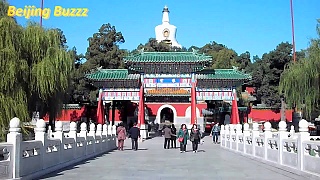
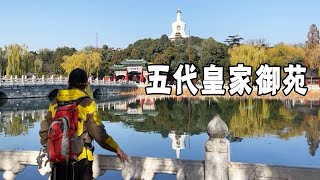
BeiHai Park 北海公园, BeiJing 北京 : ten scenes
Filmed in October 2010
Beautiful JingXi 靖西, GuangXi province
Near the border with Vietnam.
JingDeZhen 景德镇 : Why porcelain is commonly known as China
JingDeZhen, in JiangXi province, is known as the Porcelain Capital' because it has been producing pottery for over 1,700 years. JingDeZhen is close to the best quality deposits of petuntse, or porcelain stone, in China, as well as being surrounded by forests, mostly of pine, providing wood for the kilns. It also has river connections flowing both north and south, facilitating transport of the fragile wares. Its best-known high quality porcelain wares have been QingBai in the Song and Yuan dynasties, blue and white porcelain from the 1330s, and the 'famille rose# (and other 'famille' colors) during the Qing dynasty.
Cultural icons of BeiJing
Dozens of cool short videos here. With VisitBeiJing ...

Tag search ?