A wonderful family trip through China 中国

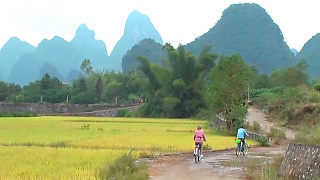
A must see, beautiful film if you're thinking of traveling to China - one of the very best films of its type : great adventures, lovely family.

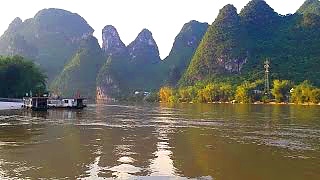
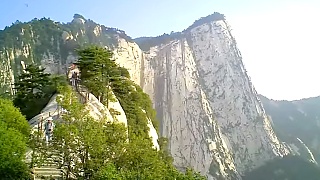
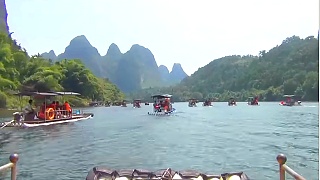
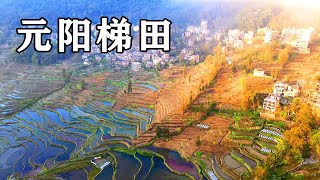
Places visited include BeiJing, Xi'An, ZhangJiaJie, GuiLin, Hong Kong, HuaShan, the LongJi rice terraces, and more ...

[640],shadow=true,start=,stop=

Beijing, the capital city of China, is a vibrant metropolis steeped in history, culture, and modernity. Here's a brief overview of what you can expect as a tourist in Beijing:

Historical Landmarks:
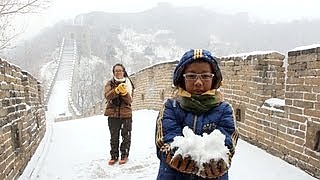
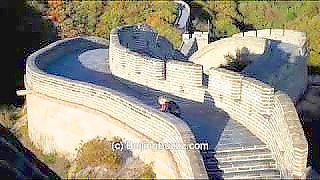
The Great Wall of China: One of the most iconic structures in the world, the Great Wall is easily accessible from Beijing. Mutianyu and Badaling sections are popular among tourists.

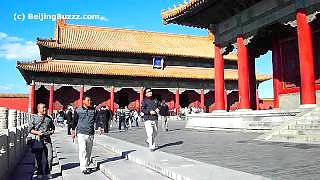
Forbidden City (Palace Museum): A UNESCO World Heritage Site, this vast imperial palace complex was home to Chinese emperors for over 500 years. It houses numerous halls, courtyards, and historical artifacts.

Temple of Heaven: A masterpiece of Chinese architecture, this ancient temple complex served as a place of worship for emperors to pray for good harvests.

Summer Palace: A stunning ensemble of lakes, gardens, and palaces, the Summer Palace served as a retreat for emperors during the Qing dynasty.

Tiananmen Square: One of the largest city squares in the world, Tiananmen Square is flanked by important landmarks such as the Monument to the People's Heroes, the Great Hall of the People, and the Mausoleum of Mao Zedong.

Cultural Sites:
Beijing Hutongs: Explore the narrow alleyways and traditional courtyard residences of Beijing's historic neighborhoods. You can take a rickshaw tour or simply wander around on foot.

Beijing Opera: Experience traditional Chinese opera performances at venues like the Liyuan Theater or the Chang'an Grand Theatre.

798 Art District: A hub of contemporary art and culture, this former industrial area is now home to numerous galleries, studios, and cafes.

Modern Attractions:
Olympic Park: Visit iconic structures such as the Bird's Nest (National Stadium) and the Water Cube (National Aquatics Center) from the 2008 Beijing Olympics.

CBD (Central Business District): Marvel at the futuristic skyline of Beijing's modern business district, which includes landmarks like the CCTV Headquarters and the China World Trade Center Tower III.

Culinary Delights:
Peking Duck: Indulge in Beijing's most famous dish, crispy roast duck served with pancakes, scallions, and hoisin sauce.

Street Food: Explore the city's vibrant street food scene and sample local delicacies like jianbing (savory crepes), lamb skewers, and dumplings.

Practical Tips:
Transportation: Beijing has an extensive public transportation system, including the subway, buses, and taxis. However, traffic can be heavy, so plan your travels accordingly.

Language: While English is not widely spoken, especially outside tourist areas, many signs and transportation announcements are in English. It's helpful to carry a translation app or a phrasebook.

Weather: Beijing experiences four distinct seasons, with hot summers and cold winters. The best times to visit are spring (April to June) and autumn (September to October) when the weather is mild and comfortable.

Etiquette: Respect local customs and traditions, such as removing your shoes before entering someone's home and using both hands to pass or receive items.

Beijing offers a rich tapestry of experiences for tourists, blending ancient heritage with modern innovations. Whether you're fascinated by history, culture, or culinary delights, there's something for everyone in this dynamic city.
Related Videos


Featured Videos

Halloween in downtown ShangHai
With Wei's Travel ...
A hiking trip to the beautiful Tiger Leaping Gorge 虎跳峡
The gorge is located about 60 kilometers north of LiJiang in YunNan province.
Planning war on China – part 23 – Angelo and Brian – 2021 to 2022 – don’t miss it
Geo-politics - 2021 review, and what might be in 2022. With The New Atlas - Angelo Giuliano and Brian Berletic ... Anything one hears on MSM, or social media, is probably BS. Real freedom is when there is a pause between propaganda and reaction - when one stops to first think (am I being duped?) ... Keep being real and sane is this crazy world. The world is full of richness. But insanely imbalanced in distribution. That's the reality, so long as the many are duped into believing that that is how it should be ! Into 2022, cherish what you have and love all around you. Always be above division and manipulation. In China, the people are family. In the West, the people are livestock. While China acts to build a better world, the West only strives to try to preserve its dominance. Sad, but true. Bonus film - with Pascal Coppens ...
BeiJing 北京 hutong 互通 food tour
To the hùtōng ! With the Fung Bros ...
GuiLin and YangShuo, GuangXi
With Dazza’s Adventures and Travels ...
Something different – Gioli and Assia – handpan, piano and vocals
Awesome music by these two Italians ...
First time in GuangZhou city, GuangDong province – Shev and Dev
The ancient Silk Road of China
With Graeme Langford ... Ancient Silk Road Travel Guide Introduction The ancient Silk Road was a network of trade routes connecting the East and West, stretching from China to the Mediterranean Sea. It played a crucial role in cultural, commercial, and technological exchange between civilizations. This guide will help you explore the key destinations along the Silk Road, providing insights into historical sites, cultural experiences, and practical travel information. Key Destinations Xi'an, China (西安) Xi'an, the starting point of the Silk Road, is home to the famous Terracotta Army and the ancient city walls. Don't miss the Big Wild Goose Pagoda and the bustling Muslim Quarter. Dunhuang, China (敦煌) Dunhuang is known for the Mogao Caves, a treasure trove of Buddhist art. The Singing Sand Dunes and Crescent Lake are also must-see attractions. Kashgar, China (喀什) Kashgar is a melting pot of cultures, with its lively Sunday Bazaar and the Id Kah Mosque. The ancient city is a gateway to the western regions of the Silk Road. Bukhara, Uzbekistan (布哈拉) Bukhara is a UNESCO World Heritage site with over 140 architectural monuments, including the Ark Fortress, Bolo Haouz Mosque, and Lyab-i Hauz complex. Samarkand, Uzbekistan (撒马尔罕) Samarkand is one of the oldest cities in Central Asia, known for its stunning Registan Square, Shah-i-Zinda necropolis, and Bibi-Khanym Mosque. Merv, Turkmenistan (梅尔夫) Merv was once one of the largest cities in the world. Today, it is an archaeological site with impressive ruins, including the Sultan Sanjar Mausoleum and the Great Kyz Kala fortress. Tehran, Iran (德黑兰) Tehran, the capital of Iran, offers a mix of modernity and tradition. Key sites include the Golestan Palace, National Museum of Iran, and the bustling Grand Bazaar. Antioch, Turkey (安提阿) Antioch, now called Antakya, was an important center of early Christianity. The Hatay Archaeology Museum and St. Peter's Cave Church are highlights. Constantinople, Turkey (君士坦丁堡) Now Istanbul, this city was the terminus of the Silk Road. Visit the Hagia Sophia, Topkapi Palace, and the bustling Grand Bazaar to experience its rich history. Cultural Experiences Traditional Markets: Explore the vibrant markets along the Silk Road, such as the Kashgar Sunday Bazaar and Istanbul's Grand Bazaar, for a taste of local commerce and culture. Silk Weaving: Witness traditional silk weaving techniques in Xi'an, China, and Samarkand, Uzbekistan. These cities have been centers of silk production for centuries. Cuisine: Sample diverse culinary traditions, from Chinese dumplings and Uzbek plov to Persian kebabs and Turkish delights. The Silk Road has left a rich gastronomic legacy. Music and Dance: Enjoy traditional music and dance performances in various Silk Road cities. Each region has its unique cultural expressions, influenced by centuries of exchange. Historical Tours: Take guided tours of ancient ruins, mosques, and palaces to learn about the history and significance of the Silk Road. Knowledgeable guides can provide valuable insights. Practical Travel Information Best Time to Visit: The best time to explore the Silk Road is during the spring (April to June) and autumn (September to November) when the weather is mild and comfortable. Visas and Permits: Ensure you have the necessary visas and permits for each country along the Silk Road. Check with local embassies or consulates for up-to-date requirements. Transportation: Travel options include flights, trains, buses, and private tours. The Silk Road is well-connected, but some remote areas may require special arrangements. Accommodation: Accommodation ranges from luxury hotels to budget hostels and guesthouses. Booking in advance is recommended, especially during peak travel seasons. Health and Safety: Stay informed about health and safety precautions in each region. Carry a basic first-aid kit, stay hydrated, and respect local customs and regulations. Local Currency: Familiarize yourself with the local currencies and exchange rates. Carry some cash, but credit cards are also widely accepted in major cities. Conclusion The ancient Silk Road is a fascinating journey through history, culture, and breathtaking landscapes. From the bustling markets of Xi'an to the majestic ruins of Samarkand, each destination offers unique experiences and insights into the rich heritage of the Silk Road. Use this guide to plan your adventure and explore the wonders of this legendary trade route. Whether you're a history buff, a cultural enthusiast, or an intrepid traveler, the Silk Road promises an unforgettable journey. History of the Silk Road Introduction The Silk Road was an ancient network of trade routes that connected the East and West, facilitating not only commerce but also cultural exchange between civilizations. This guide delves into the history of the Silk Road, focusing on the trade of silk, horses, and tea, the travels of Marco Polo, and how the Silk Road ultimately influenced sea exploration and colonization. Trade on the Silk Road Silk Trade Silk, a luxurious fabric produced from the cocoon of the silkworm, was the most iconic commodity traded on the Silk Road. Originating in China during the Han Dynasty, silk quickly became a highly prized item in the West. Its light weight, ease of transport, and high value made it a staple of Silk Road commerce. The demand for silk spurred trade relations and cultural exchanges between the East and West, spreading Chinese inventions such as paper and gunpowder along the way. Horses Horses were another crucial trade item, especially prized by the Chinese for their military and agricultural utility. The Fergana horses, known for their strength and endurance, were particularly sought after. These horses, traded primarily with Central Asian tribes, significantly improved the cavalry capabilities of Chinese armies and facilitated the movement of goods along the Silk Road. Tea Trade Tea, originating from China, became a major export commodity during the Tang Dynasty. It was highly valued for its medicinal properties and became a popular beverage in Central Asia and beyond. The trade of tea along the Silk Road helped to establish cultural connections and the spread of tea culture to places such as Japan and the Middle East. The Travels of Marco Polo Marco Polo, the Venetian explorer, traveled the Silk Road in the 13th century. His journey began in 1271, when he accompanied his father and uncle on a voyage to Asia, eventually reaching the court of Kublai Khan, the Mongol ruler. Marco Polo spent 17 years in China, documenting his experiences in his book "The Travels of Marco Polo." His detailed accounts of the wealth, culture, and innovations of the East provided Europeans with one of the first comprehensive insights into Asian civilizations and spurred interest in exploration and trade. Impact on Sea Exploration and Colonization The Silk Road's decline in the 15th century, due in part to the rise of maritime trade routes, marked a shift in global commerce. European powers, motivated by the wealth and tales from the Silk Road, sought direct sea routes to Asia to bypass intermediaries and gain control over lucrative trade. This led to the Age of Exploration, during which explorers like Vasco da Gama and Christopher Columbus set out to discover new trade routes and lands. Portugal and Spain were at the forefront of this maritime expansion. Vasco da Gama's successful voyage to India in 1498 opened up a direct sea route from Europe to Asia, leading to increased trade and the establishment of colonial empires. Columbus's voyages, sponsored by Spain, led to the discovery of the Americas in 1492, further expanding European influence and colonization efforts. The maritime Silk Road, established by these explorers, connected Europe, Africa, and Asia, facilitating the exchange of goods, ideas, and cultures on an unprecedented scale. This era of sea exploration and colonization transformed global trade networks and laid the foundations for the modern world economy. Conclusion The Silk Road was more than just a trade route; it was a conduit for cultural, technological, and intellectual exchange that shaped the ancient world. From the trade of silk, horses, and tea to the travels of Marco Polo, the Silk Road's legacy is profound. Its influence on sea exploration and colonization further underscores its importance in global history. Exploring the history of the Silk Road offers a deeper understanding of the interconnectedness of human civilizations and the enduring impact of ancient trade routes.
Why is Western media so biased against China ?
With Cyrus Janssen ... Comment by Gustavo Andrés ... There is an overwhelming assumption in the West that China’s Achilles heel is the state: that it lacks legitimacy. This is the underlying reason why Westerners believe that China’s transformation is unsustainable: that the political system cannot survive. It would be wrong to suggest that attitudes have not shifted: the endurance of the reform period, now over 35 years old, and the scale of its achievement have bred a growing if still grudging respect, and a less apocalyptic view of Chinese political change. Few now regard it to be imminent and many have extended their time horizons somewhat into the future. Nevertheless, most Westerners still regard China’s present political order as lacking legitimacy and as ultimately unsustainable. In the post 1945 period, Westerners have come to believe that Western-style democracy – essentially universal suffrage and a multi-party system – is more or less the sole source of a government’s legitimacy. This is a superficial and ahistorical position. Western-style democracy does not ensure the legitimacy of a regime in the eyes of its people: Italy is perhaps the classic example, with successive governments over a long historical period experiencing a chronic lack of legitimacy. And what of China? Although it does not have Western-style democracy, there is plenty of evidence – for example the Pew Global Attitude surveys and the work of Tony Saich at the Harvard Kennedy School – that the Chinese government enjoys high levels of support and legitimacy, much higher indeed than those of Western governments. How do we explain this? Clearly the reason is not Western-style democracy because China has not chosen this path. The late Lucian W. Pye, in his book ‘Asian Power and Politics’, argues that Western scholars have, in their understanding of politics, prioritised political systems over political cultures: Pye argues, correctly in my view, that the opposite is the case. His insight is highly relevant to the Chinese case. The relationship between the state and society in China is very different from that which characterises Western societies. There are three key elements. First, China is primarily a civilization-state rather than a nation-state, with the overriding and extremely difficult age-old task of government being to maintain the unity of China and its civilization. This has lent the state an enduring authority, importance and centrality in China that is very different from the Western nation-state tradition. The state is intrinsic to China in a way that this is not true in Western societies: they are, in effect, in large degree synonymous. Furthermore the Chinese regard the state in some degree as an expression and extension of themselves. Second, whereas in Western societies the state is seen in an instrumentalist and utilitarian way – in other words, what will it do for me? – in China, following from the Confucian tradition and the idea that the Emperor should model himself on the father’s role as the head of the family, the state is perceived in a familial way, whence the expression ‘nation-family’, or the idea of China as an extended family. Or, to put it another way, in Western societies the state is viewed as an external and somewhat artificial construct, for the Chinese it is an intimate. Third, a much higher premium is placed on the efficiency and efficacy of the state than in the West, whence the importance of meritocracy in the recruitment of public servants. In the West, discussion about the state largely revolves around the manner by which the government is selected, in China, by way of contrast, the competence of the state assumes priority. Fourthly, following from the previous point, the state is expected and required to deliver in China. Over the last few decades, of course, it has presided over and masterminded a huge transformation, the most remarkable in modern economic history. The contrast between the performance of the Chinese and Western economies is manifest. In summary, the relationship between the state and society in China and the West is profoundly different and the reasons lie in the historical and cultural differences between them. They can and should learn from each other but they will remain distinct. So what of the future? As I mentioned at the outset, it is axiomatic in the West that sooner or later China will face a crisis of governance that will result in profound reform along Western lines. In reality, it seems far more likely that the crisis of governance will occur in the West than China. The United States and Europe are in decline and, as a consequence, their ruling elites and political systems are already suffering from declining legitimacy and authority, a process that is likely to continue. China, in contrast, is a rising power whose ruling elite is likely to enjoy growing status and prestige as a consequence. China, though, faces its own kind of governance challenge. The country is changing at extraordinary speed. If one thinks of how the life of an ordinary person has changed over the course of the last three decades, then this is a measure of how everything else, including political rule, must also change in order to survive. Of course, transparency, representivity and accountability have been transformed since Mao’s death, but this is a dynamic process and arguably the greatest changes still lie in the future. It is not that China needs to or should change its system – it has stood the test of time and managed to stay abreast of and lead the wider transformations – but, this notwithstanding, more profound ways must be found to modernise the political system and its institutions if they are to meet the demands and expectations of a very different society.

Tag search ?