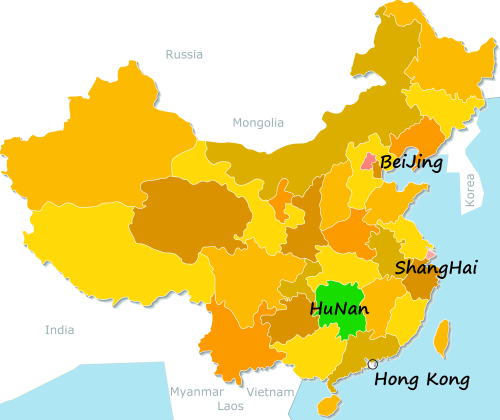
HuNan province.
[640],shadow=true,start=,stop=HuNan map
Live more ...
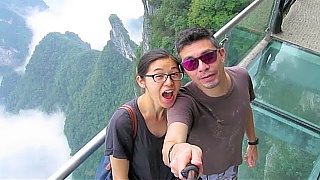
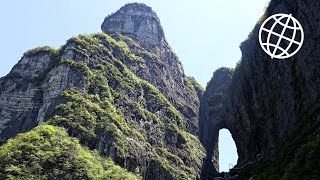
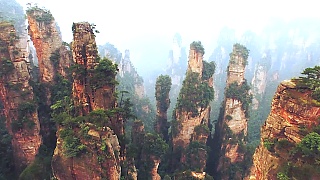
 Beautiful ZhangJiaJie 张家界 and TianMenShan 天門山
HuNan province.
[640],shadow=true,start=,stop=

|
With Seiu Travel ...
With Wei's Travel ...
Huishan Ancient Town Travel Guide
Overview
Huishan Ancient Town, located in Wuxi, Jiangsu Province, is a well-preserved historical town known for its rich cultural heritage, ancient temples, traditional gardens, and ancestral halls. It provides visitors with a glimpse into China’s past with its classical architecture and serene atmosphere.
How to Get There
By Train: Take a high-speed train to Wuxi Railway Station or Wuxi East Railway Station, then take a taxi or public transport to the ancient town.
By Bus: Local buses such as 45, 88, and 89 stop near the entrance of Huishan Ancient Town.
By Car: Easily accessible via major highways leading to Wuxi, with parking available near the entrance.
Main Attractions
Huishan Temple: A historic Buddhist temple featuring beautiful statues and peaceful gardens.
Ancestral Halls: Over a hundred ancestral halls belonging to various Chinese families, showcasing traditional architecture and family heritage.
Jichang Garden: A classical Chinese garden known for its tranquil atmosphere, ponds, and traditional pavilions.
Huishan Spring: A famous water source considered one of the best in southern China.
Best Time to Visit
The best time to visit Huishan Ancient Town is during spring (March-May) and autumn (September-November) when the weather is pleasant, and the scenery is at its most beautiful.
Local Cuisine
Wuxi-style Spare Ribs: A sweet and savory pork rib dish famous in the region.
Huishan Clay Pot Noodles: A delicious noodle dish cooked in a clay pot with rich broth and toppings.
Steamed Dumplings: Juicy dumplings filled with pork and soup, a local specialty.
Tips for Visitors
Wear comfortable walking shoes, as there are many cobblestone paths.
Early morning visits offer a quieter and more picturesque experience.
Local shops sell handmade crafts and souvenirs unique to the region.
*****
Welcome to the Kingdom of Wu: A Visitor Guide and History
Introduction to the Kingdom of Wu
The Kingdom of Wu, a historical region in eastern China, is a land of profound cultural heritage, natural beauty, and historical significance. Centered around the modern city of Wuxi and extending to areas like Suzhou and Hangzhou, the Kingdom of Wu was one of the most influential states during the Spring and Autumn (770–476 BCE) and Warring States (475–221 BCE) periods. Today, the region is celebrated for its classical gardens, ancient waterways, and contributions to Chinese art, literature, and philosophy.
History of the Kingdom of Wu
The Kingdom of Wu emerged as a powerful state during the Zhou Dynasty, with its capital initially located in modern-day Suzhou. It played a pivotal role in Chinese history, particularly during the Spring and Autumn period, when it rivaled the states of Yue and Chu. The kingdom is famously associated with the legendary King Helü, who ruled during the 6th century BCE and is credited with constructing the Grand Canal and strengthening Wu's military.
The Kingdom of Wu is also central to the story of Sun Tzu, the ancient military strategist and author of The Art of War. Sun Tzu served as a general under King Helü, and his strategies helped Wu achieve significant victories. The region's history is deeply intertwined with the development of Chinese civilization, particularly in areas like agriculture, silk production, and water management.
Cultural Highlights of the Kingdom of Wu
1. Classical Gardens
The Kingdom of Wu is renowned for its classical Chinese gardens, which are masterpieces of landscape design. These gardens, such as the Humble Administrator's Garden in Suzhou, feature intricate layouts, serene ponds, and elegant pavilions. They reflect the Confucian ideals of harmony between humans and nature.
2. Silk Production
The region has been a center of silk production for thousands of years. The ancient city of Wuxi, in particular, was a major hub for silk weaving and trade. Visitors can explore the history of silk at local museums and workshops.
3. Wu Opera and Music
The Kingdom of Wu is the birthplace of Wu Opera, a traditional form of Chinese opera known for its melodic tunes and poetic lyrics. The region is also famous for its traditional music, particularly the pipa (a Chinese lute) and guqin (a seven-stringed zither).
Key Cities and Attractions
1. Wuxi
Wuxi, often called the "Pearl of Lake Tai," is a city steeped in history and natural beauty. Key attractions include Lake Tai, the Lingshan Grand Buddha, and Xihui Park. Wuxi's Grand Canal section is a testament to the region's historical importance as a transportation hub.
2. Suzhou
Suzhou, the ancient capital of the Kingdom of Wu, is famous for its classical gardens, canals, and silk industry. The Humble Administrator's Garden, Tiger Hill, and the Suzhou Museum are must-visit sites.
3. Hangzhou
Hangzhou, located to the south of the Kingdom of Wu, is celebrated for its West Lake, a UNESCO World Heritage Site. The city is also known for its tea culture, particularly Longjing (Dragon Well) tea.
Practical Travel Tips
Best Time to Visit: Spring (March to May) and autumn (September to November) offer mild weather and vibrant scenery.
Getting There: The region is well-connected by high-speed trains. Major cities like Wuxi, Suzhou, and Hangzhou have their own train stations and airports.
Accommodation: Options range from luxury hotels to budget-friendly hostels. Staying near key attractions like Lake Tai or West Lake is recommended.
Local Transportation: Public transportation is efficient, with buses, metros, and taxis readily available. Cycling is also a popular way to explore the cities.
|

|
Sina is a very talented drummer, aged 14 / 15 in these films. Don't miss this !
The Surfaris - Wipe Out ...
Pink Floyd - Time (featuring Sticky Hickey) - just awesome ...
Metallica - Nothing Else Matters - featuring the very talented young singer Jadyn Rylee (a beautiful love song) ...
The Who - Won't Get Fooled Again ('meet the new war; same as the old wars' - great song) ...
Van Halen - Jump ...
ELO - Mr Blue Sky ...
Led Zeppelin - Rock and Roll (featuring Alyona Yarushina and Andrei Cerbu) ...
Dire Straits - Sultans of Swing ...
|
|
The 'old towns'.
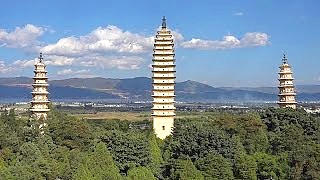
We begin with an Ultra HD (4K) video of Dali Old Town and the nearby Three Pagodas ...
|

|
With LiZiQi 李子柒 ...
|
|
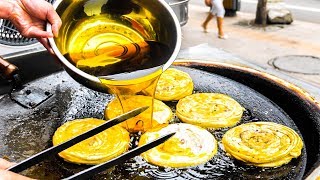
Join Trevor James, the 'Food Ranger', on an epic culinary journey ...
|
|
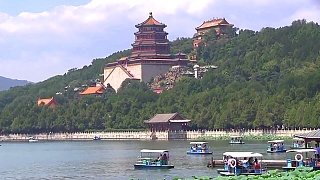
Known as YíHéYuán in Chinese, meaning the Garden of Nurtured Harmony ...
|

|
Huangshan, also known as the Yellow Mountains, is a renowned mountain range in southern Anhui Province. Famous for its stunning granite peaks, ancient pine trees, hot springs, and the mystical sea of clouds, Huangshan is a UNESCO World Heritage site and a popular destination for tourists and photographers. This guide provides an in-depth look at the best attractions, activities, and tips for visiting Huangshan.
Top Attractions
The Five Peaks of Huangshan
Huangshan features several notable peaks, each offering unique scenery and experiences:
Lotus Peak (Lianhua Peak): The highest peak at 1,864 meters, providing panoramic views and a challenging climb.
Bright Summit (Guangming Ding): Known for its breathtaking sunrise and sunset views.
Celestial Capital Peak (Tiandu Peak): Famous for its steep, narrow paths and stunning vistas.
Purple Cloud Peak (Ziyun Peak): Offers a unique perspective of the mountain range.
Beginning-to-Believe Peak (Shixin Peak): Known for its dense pine trees and excellent viewpoints.
Sea of Clouds
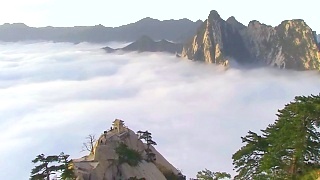
The Sea of Clouds is one of Huangshan's most spectacular phenomena. This natural wonder occurs when fog envelops the valleys and lower peaks, leaving the higher peaks to appear as islands floating in a white sea.
Hot Springs
The hot springs at the foot of Huangshan are famous for their therapeutic properties. The springs have been a popular attraction for centuries and provide a relaxing way to unwind after a day of hiking.
Pine Trees
The ancient pine trees of Huangshan are known for their unique shapes and resilience, often growing out of rocky crevices. The most famous of these is the Greeting Pine (Ying Ke Song), which appears to welcome visitors with its outstretched branches.
Flying-Over Rock
This balanced rock is perched precariously on a narrow ledge and is a popular spot for photography. The rock appears to defy gravity and offers incredible views of the surrounding peaks.
Geology of Huangshan
Huangshan's distinctive landscape is primarily composed of granite, which has been shaped by millions of years of geological activity. The mountain's sharp peaks, deep valleys, and unique rock formations are the result of tectonic uplift and erosion. The granite's resistance to weathering has created the dramatic, jagged peaks that characterize the region.
Touring Huangshan
Planning Your Visit
A visit to Huangshan typically takes two to three days to fully appreciate the main highlights. Here is a suggested itinerary:
Day 1: Arriving and Initial Exploration
Morning: Arrive at Huangshan and take the Yungu Cable Car to the top. Check into a mountain hotel to drop off your luggage.
Afternoon: Explore the Beginning-to-Believe Peak and enjoy the stunning views and unique pine trees.
Evening: Watch the sunset from Bright Summit.
Day 2: Main Peaks and Scenic Areas
Early Morning: Wake up early to catch the sunrise from Bright Summit.
Mid-Morning: Hike to Lotus Peak, the highest peak, for panoramic views.
Afternoon: Visit Flying-Over Rock and take in the stunning views of the sea of clouds if conditions are right.
Evening: Relax at the mountain hotel or explore more of the scenic spots at a leisurely pace.
Day 3: Descending and Hot Springs
Morning: Take the Yungu Cable Car down to the base of the mountain.
Mid-Morning: Visit the hot springs at the base of the mountain for a relaxing soak.
Afternoon: Explore the nearby ancient villages such as Hongcun or Xidi before departing.
Activities and Experiences
Hiking
Huangshan offers a variety of hiking trails ranging from easy walks to challenging climbs. The trails are well-marked and offer breathtaking views at every turn. Popular routes include the circular path that covers the major peaks and the hike from the base to the summit.
Photography
The dramatic landscapes of Huangshan provide endless opportunities for photography. Key spots include the Sea of Clouds, the unique pine trees, and the panoramic views from the peaks.
Local Cuisine
After a day of hiking, enjoy local Anhui cuisine, known for its use of fresh ingredients and rich flavors. Specialties include stinky tofu, mandarin fish, and bamboo shoots. There are several restaurants and food stalls at the base of the mountain and near the cable car stations.
Travel Tips
Best Time to Visit
The best times to visit Huangshan are spring (April to June) and autumn (September to November) when the weather is mild and the scenery is at its most vibrant. Summer can be hot and crowded, while winter offers fewer tourists and the chance to see the mountains covered in snow.
Getting There
Huangshan is accessible by train, bus, and air. The nearest city is Huangshan City (Tunxi), from where you can take a bus or taxi to the mountain. Huangshan Tunxi International Airport has flights from major Chinese cities, and the Huangshan North Railway Station is connected to the high-speed rail network.
Accommodation
Accommodation options range from budget hostels to mid-range hotels in Huangshan City and near the mountain. For a unique experience, consider staying overnight on the mountain in a guesthouse or hotel, which allows you to catch the sunrise and sunset from the peaks.
Tickets and Passes
Purchase entrance tickets at the mountain's gates. There are separate tickets for the cable cars and hot springs. Consider buying a multi-day pass if you plan to explore all the main peaks and scenic areas.
Guides and Tours
Hiring a local guide can enhance your experience by providing insights into the mountain's history, culture, and geology. Many tour operators offer packages that include transportation, tickets, and guided tours.
|
|
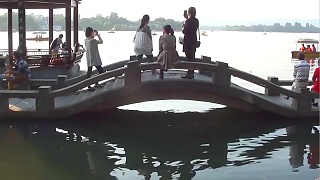
West Lake, HangZhou
|
|
Follow this traveler's videos of places walked and adored.
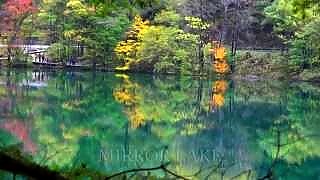
Discover some of China's incredibly diverse natural landscapes.
Including JiuZhaiGou, the YuLong River, the ShiLin Stone Forest, DunHuang desert and oasis, Tiger Leaping Gorge and ZhangJiaJie.
Chinese culture is founded on the harmony of people and nature and the reverence of natural beauty ...
Plus, the beautiful Flight of the Dragon ...
|