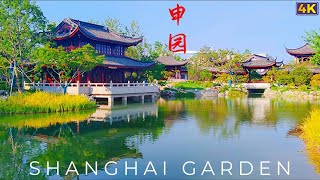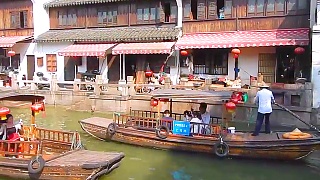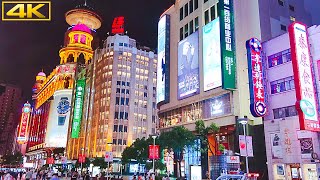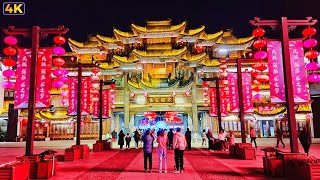
Evening walk in ZhuJiaJiao water town, near ShangHai

With Wei's Travel ...

[640],shadow=true,start=,stop=

Bonus film - ShangHai summer night walk ...

[320],shadow=true,start=,stop=

Shanghai is one of China's most dynamic and cosmopolitan cities, blending a rich history with modern skyscrapers and vibrant culture. Here's what you need to know as a tourist visiting Shanghai:

Historical and Cultural Landmarks:
The Bund: This iconic waterfront promenade along the Huangpu River features colonial-era buildings on one side and futuristic skyscrapers on the other, offering stunning views of Shanghai's skyline.

Yu Garden: Dating back to the Ming dynasty, Yu Garden is a classical Chinese garden with pavilions, ponds, and rockeries. The nearby Yu Garden Bazaar is a great place to shop for souvenirs and traditional crafts.

Shanghai Museum: Home to an extensive collection of Chinese art and artifacts, including bronzes, ceramics, paintings, and calligraphy, the Shanghai Museum is a must-visit for history and art enthusiasts.

Jing'an Temple: One of Shanghai's most famous Buddhist temples, Jing'an Temple is known for its beautiful architecture, peaceful atmosphere, and towering golden Buddha statue.

Modern Attractions:
Shanghai Tower: Ascend to the observation deck of this iconic skyscraper, the tallest in China and the second-tallest in the world, for panoramic views of the city.

The Oriental Pearl TV Tower: Another iconic landmark, this futuristic tower offers observation decks, a glass-bottomed skywalk, and a revolving restaurant.

Shanghai Disneyland: Located in the Pudong district, Shanghai Disneyland offers a magical experience for visitors of all ages with its themed lands, attractions, and entertainment.

Shopping and Entertainment:
Nanjing Road: One of the world's busiest shopping streets, Nanjing Road is lined with department stores, boutiques, and restaurants. Don't miss the nearby pedestrian-friendly Nanjing Road East, known for its lively atmosphere and street performers.

Xintiandi: This upscale shopping, dining, and entertainment district features a mix of traditional Shikumen-style buildings and modern amenities, making it a popular destination for locals and tourists alike.

French Concession: Explore this historic neighborhood known for its tree-lined streets, charming cafes, boutiques, and art galleries.

Culinary Delights:
Shanghai Cuisine: Sample local specialties such as xiaolongbao (soup dumplings), shengjianbao (pan-fried dumplings), and Shanghai-style noodles.

Street Food: Wander through the city's bustling food markets and snack streets to taste a variety of street foods, from savory pancakes to grilled skewers.

Practical Tips:
Transportation: Shanghai has an efficient public transportation system, including the subway, buses, and taxis. Consider purchasing a rechargeable transportation card for convenience.

Language: While Mandarin is the official language, English is widely spoken in tourist areas, hotels, and restaurants.

Weather: Shanghai experiences four distinct seasons, with hot, humid summers and chilly winters. The best times to visit are spring (March to May) and autumn (September to November) when the weather is mild and comfortable.

Etiquette: Respect local customs and traditions, such as using polite language and avoiding loud behavior in public places.

Shanghai offers a captivating blend of old and new, with its historic landmarks, modern skyscrapers, vibrant culture, and delectable cuisine. Whether you're interested in history, architecture, shopping, or dining, Shanghai has something to offer every type of visitor.


Related Videos


Featured Videos

A Miao herbal medicine man in GuiZhou 贵州 – documentary
Rafa in Urumqi, XinJiang
With Rafa Goes Around! ... Bonus films - with Nook Cranny ... With The China Traveler ... With Vica Chinese ... With For All Life's Adventures ...
Wandering the backstreets of outer ShenZhen
With Nico ... ShenYang with Blondie in China ... Bonus films - back in ShenZhen - with Walk For You ... With Colorful World ...
Who really is the aggressor ?  (geopolitics)
With Double Down News ... With Danny HaiPhong and Brian Berletic ...
Music – Tibetan Plateau 青藏高原 – aLan Dawa Dolma
Awesome singer : aLan Dawa Dolma 阿兰·达瓦卓玛. Tibetan and Chinese version ... Plus ...
Communicating in China
If you have not yet been to China, how to communicate might be a concern. This video is by a popular travel blogger discussing just this, after six months in China ...
China 中国 in the winter snow …
As the mini ice-age begins to engage (and the 'global warming' hoax lies in tatters) - a reprieve of our much-loved 'Winter in China' mix; with great music, including ColdPlay and much more ...
XiZhou ancient town, near DaLi in YunNan province
With Sun Kissed Bucket List ... XiZhou Ancient Town Visitor Guide XiZhou Ancient Town is a gem of Yunnan Province, located approximately 20 kilometers from Dali’s old town. Nestled along the shores of the serene Erhai Lake, XiZhou offers a unique blend of rich Bai culture, stunning ancient architecture, and a tranquil environment, making it a must-visit for travelers seeking a more intimate and traditional experience. Overview Location: XiZhou is situated within the Dali Bai Autonomous Prefecture and is renowned for its well-preserved Bai minority culture. Famous For: Traditional Bai houses, ancient courtyards, folk performances, unique local cuisine, and vibrant markets. Getting There From Dali: You can take a bus or taxi from Dali Old Town (20-30 minutes). From Kunming: XiZhou is about a 5-hour drive from Kunming. Buses to Dali are available, and from Dali, you can take local transportation to XiZhou. Best Time to Visit: Spring (April-May) and autumn (September-October). Top Attractions in XiZhou Yan Family Courtyard (Yan Jia Da Yuan): The most famous ancient residence in XiZhou, showcasing traditional Bai architecture with beautiful wood carvings, white-washed walls, and murals. Bai Minority Culture and Houses: Explore over 150 well-preserved traditional Bai houses with intricate designs and courtyards. XiZhou Morning Market: A bustling market full of fresh produce, traditional snacks, and local crafts. Arrive early (7 AM – 9 AM) to experience the market at its liveliest. Erhai Lake: A stunning lake where you can walk, cycle, or take boat rides to enjoy the natural beauty. Shuanglang Town: A trendy nearby town famous for its artistic vibe and boutique guesthouses. A perfect day trip from XiZhou. Cultural Experiences Bai Minority Dress and Dance: Experience colorful traditional Bai clothing and catch performances of traditional dances during festivals or market days. Tea Culture at XiZhou: Enjoy traditional tea-tasting experiences in local homes or guesthouses. Local Delicacies XiZhou Baba (喜洲粑粑): A crispy, savory (or sweet) flatbread made from wheat flour. Try it fresh from street vendors. Dali Cheese (Rushan, 乳扇): A Bai specialty cheese, often grilled or fried, that you can find throughout the town. Erhai Fish: Fresh fish dishes prepared from the lake's bounty, best enjoyed at lakeside restaurants. Rose Petal Cake (玫瑰饼): A delicate pastry filled with rose petal jam. This treat is especially famous in XiZhou, where roses are grown locally. Its fragrant sweetness makes it a popular souvenir. Where to Stay Local Homestays: Family-run guesthouses, often in traditional Bai homes, offering an intimate experience of Bai culture. Boutique Hotels: For more luxury, boutique hotels combine modern amenities with traditional architecture. Tips for Visitors Language: Most people speak the local Bai dialect, but Mandarin Chinese is sufficient for communication. English is not widely spoken. Respect Local Customs: Dress modestly and ask permission before photographing people. Shopping: Support local artisans by purchasing handmade textiles, embroidery, and silverware from the markets. Nearby Attractions Dali Old Town: A larger, more developed town known for its old city walls, temples, and lively atmosphere. Cangshan Mountain: Offers hiking trails, cable cars, and panoramic views of Erhai Lake and Dali’s landscape. Conclusion XiZhou Ancient Town is an ideal destination for those wanting to immerse themselves in authentic Bai culture, ancient architecture, and the peaceful lakeside environment of Yunnan. Whether you're exploring ancient homes, tasting local delicacies, or enjoying the beauty of Erhai Lake, XiZhou provides a rich cultural experience in a relaxed setting.
A guide to visiting HuaShan, ShaanXi province
Mount Hua, or HuaShan, is one of China's Five Great Mountains, renowned for its steep trails, breathtaking views, and significant Taoist history. Located in Shaanxi Province, near the city of Huayin, Huashan attracts adventurers and pilgrims alike. This guide provides an in-depth look at the best attractions, activities, and tips for visiting Huashan. Top Attractions The Five Peaks of Huashan Mount Hua consists of five main peaks, each offering unique scenery and experiences: East Peak (Zhaoyang Peak): Known as the "Sunrise Peak," it is the best spot to watch the sunrise. West Peak (Lianhua Peak): Also called the "Lotus Peak," it is famous for its striking rock formations that resemble a lotus flower. South Peak (Luoyan Peak): The highest of the five peaks at 2,154 meters, offering panoramic views. North Peak (Yuntai Peak): Known as the "Cloud Terrace Peak," it serves as the starting point for many hikes. Central Peak (Yunv Peak): Also known as the "Jade Maiden Peak," it is named after a Taoist legend. Huashan Plank Walk The Huashan Plank Walk is one of the most thrilling attractions on the mountain. The narrow wooden walkway is attached to the sheer cliff face of the South Peak, offering an adrenaline-pumping experience and stunning views. Chess Pavilion Perched on a precarious rock, the Chess Pavilion is a small structure with legendary associations. According to legend, it is where a deity played chess with a mortal. Taoist Temples Mount Hua is home to several ancient Taoist temples, including the Jade Spring Temple at the base of the mountain and the Yuquan Temple. These temples are important pilgrimage sites and offer a glimpse into the mountain's spiritual significance. Geology of Huashan Mount Hua is part of the Qinling Mountain range and is primarily composed of granite. The mountain's distinctive steep slopes and sharp peaks are the result of tectonic uplift and erosion over millions of years. The granite rock faces provide both a dramatic landscape and a challenging environment for climbers. Touring Huashan Planning Your Visit Visiting Huashan requires careful planning due to its challenging terrain and the variety of routes available. A typical visit can take one to two days, depending on the routes and peaks you choose to explore. Here is a suggested itinerary: Day 1: North Peak and the Plank Walk Morning: Take the cable car from the East Gate to the North Peak. Spend the morning exploring the North Peak and its surrounding trails. Afternoon: Head towards the South Peak for the Huashan Plank Walk. Ensure you have the proper safety gear and follow all safety instructions. Evening: Consider spending the night on the mountain at one of the guesthouses or temples to experience the sunrise from one of the peaks. Day 2: The Five Peaks Early Morning: Watch the sunrise from the East Peak. Mid-Morning: Hike to the Central Peak, then continue to the West Peak to see the Lotus Flower Rock. Afternoon: Ascend to the South Peak, the highest peak, for panoramic views. Descend back to the North Peak and take the cable car down. Activities and Experiences Hiking Huashan offers challenging hikes with rewarding views. Trails are steep and can be narrow, requiring a good level of fitness and caution. Popular routes include the ascent from the East Gate to the North Peak and the circular route covering the five peaks. Photography The dramatic landscapes of Huashan provide excellent opportunities for photography. Key spots include the sunrise from the East Peak, the Plank Walk on the South Peak, and the panoramic views from the highest point. Local Cuisine After a day of hiking, try local Shaanxi cuisine, known for its hearty and flavorful dishes. Specialties include biangbiang noodles, roujiamo (Chinese hamburger), and various dumplings. There are several restaurants and food stalls at the base of the mountain and near the East Gate. Travel Tips Best Time to Visit The best times to visit Huashan are spring (April to June) and autumn (September to November) when the weather is mild and the views are clear. Summer can be hot and crowded, while winter can be cold and snowy, making some trails hazardous. Getting There Huashan is accessible by train, bus, and car. The nearest major city is Xi'an, from where you can take a high-speed train to Huashan North Railway Station. From there, shuttle buses or taxis can take you to the mountain's entrances. Accommodation Accommodation options range from budget hostels to mid-range hotels in Huayin City. For a unique experience, consider staying overnight on the mountain in a guesthouse or temple. This allows you to catch the sunrise from one of the peaks. Tickets and Passes Purchase entrance tickets at the mountain's gates. There are separate tickets for the cable cars and the Plank Walk. Consider buying a multi-day pass if you plan to explore all five peaks. Guides and Tours Hiring a local guide can enhance your experience by providing insights into the mountain's history, culture, and geology. Many tour operators offer packages that include transportation, tickets, and guided tours.

Tag search ?