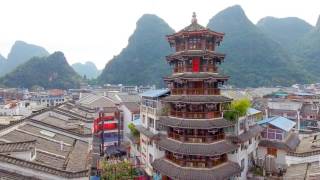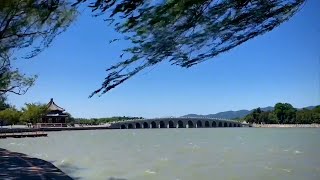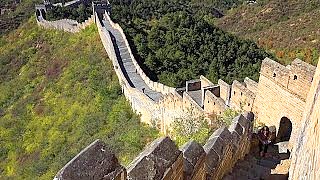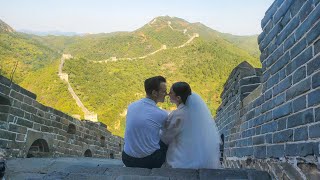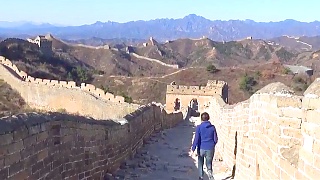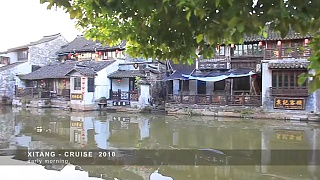
Beautiful SiMaTai Great Wall and the nearby GuBei water-town

SiMaTai Great Wall lies about 159 kilometers NNE from BeiJing city and connects with JinShanLing Great Wall.

[640],shadow=true,start=,stop=The Great Wall of China is one of the most iconic and awe-inspiring attractions in the world, drawing millions of tourists each year. Here's a guide for tourists visiting the Great Wall:

History and Significance:
Historical Significance: The Great Wall of China is a series of fortifications built over centuries to protect China from invasions by nomadic tribes from the north. Its construction began as early as the 7th century BC and continued through different dynasties, with the most famous sections built during the Ming Dynasty (13681644 AD).

Length and Structure: Stretching over 13,000 miles (21,196 kilometers), the Great Wall is not a continuous wall but a series of walls, trenches, and natural barriers, including mountains and rivers. Its main purpose was to provide defense and control trade routes along the northern border of China.

Visiting the Great Wall:
Sections to Visit: While the entire Great Wall is massive, certain sections are more accessible and popular among tourists. The most visited sections include Badaling, Mutianyu, Jinshanling, and Simatai. Each section offers unique features and experiences.

Badaling: This section is the closest to Beijing and is one of the most well-preserved and accessible sections of the Great Wall. It can be crowded, especially during peak tourist seasons.

Mutianyu: Located about 1.5 to 2 hours' drive from Beijing, Mutianyu offers a less crowded but equally impressive experience. It features restored sections as well as more rugged and original parts.

Jinshanling and Simatai: These sections are farther from Beijing but are known for their scenic beauty and relatively fewer crowds. They offer a more authentic and adventurous hiking experience.

Tips for Tourists:
Best Time to Visit: The Great Wall can be visited year-round, but the best times are spring (April to June) and autumn (September to November) when the weather is pleasant, and the scenery is beautiful.

Avoiding Crowds: To avoid crowds, consider visiting the Great Wall early in the morning or during weekdays. Badaling tends to be busiest, so opting for less-visited sections like Jinshanling or Simatai can provide a more peaceful experience.

Wear Comfortable Clothing: The Great Wall involves a fair amount of walking and climbing stairs, so wear comfortable shoes and clothing suitable for hiking.

Stay Hydrated and Sun-Protected: Bring plenty of water, sunscreen, and a hat, especially during hot summer months, as there may be limited shade on the Wall.

Respect the Environment: Help preserve the Great Wall for future generations by refraining from littering, defacing, or damaging the structure.

Cultural Insights:
Learn about the History: Take the time to learn about the history and significance of the Great Wall through signage, guidebooks, or guided tours.

Capture Memories: Don't forget to bring a camera or smartphone to capture the breathtaking views and memories of your visit.

Interact with Locals: Engage with local vendors, tour guides, or fellow travelers to gain insights into Chinese culture and customs related to the Great Wall.

Visiting the Great Wall of China is a once-in-a-lifetime experience that offers not only breathtaking views and photo opportunities but also a deeper appreciation for one of the world's most remarkable architectural achievements.
Related Videos


Featured Videos

China 中国 in the snow …
Tropical Hainan Island to Harbin in China's north east The Harbin Snow and Ice Festival (every January) Beijing - the Forbidden City ZhangJiaJie HuangShan Snowboarding at NanShan, Beijing 'My Shangri-la - a trip through Yunnan province 'One can never forget LiJiang' - Yunnan province 'Beautiful snow county is my home' - HeiLongJiang province
Simple Chinese language phrases to enhance your China trip (pinyin and pronunciation)
PinYin - English : pronunciation. ~ is used where there are two sounds in one syllable. Ou[ch] means use the first sound of the word 'ouch'; same sound as ow[l]. *** Greetings Nǐ Hǎo - Hello / Hi (literally, you good?) : nee how Zài Jiàn - Goodbye / bye : z~eye jee~ann HuānYíng (GuāngLín) - Welcome ! (You'll often hear this when enter a restaurant) DaJia Hao ! - Hello everybody ! *** Introductions Nǐ - you / your : nee Wǒ - I / my : woh What is your name? - Nǐ jiào shénme míngzì? : Nee j~ou[ch] shen mer ming zuh? My name is ... - Wǒ de míngzì shì ... : Woh der ming zuh sh ... *** XièXiè - : Thanks : shee~air shee~air (second is a little softer/quieter) XièXiè Nǐ ! - Thank you! : shee~air shee~air nee! *** DuìBuQǐ - Excuse me / sorry : der boo chee BúKèQì - No problem / you're welcome : boo ker chee Mei guan xi - No problem / you're welcome : may goo~ann shee Qǐng - Please : ching Mei / MeiHǎo - Beautiful : may / may how *** Interations DuWei - That's right : doo~way (quickly, and often said twice) Yes and no have no direct translations in Chinese, but the following will be fine is answer to common questions, although they are more like 'to be' and 'not to be' if translated literally; however, these are real colloquial uses. Bú shì - no : boo shh Bú shì can also be used in reply to 'Thank you !' with the meaning 'you're welcome' / 'no need to say' / 'it's nothing' Shì de - yes : shh der E.g. LàJiāo ? - lah jee~ou[ch] (chillies ?) : Shì de / Bú shì *** Wǒ - I / me : woh Nǐ - You : nee Tā - He / she : tah *** Shopping and restaurants Wǒ Yào - I want / would like I would like one of these : Wǒ yào Yī ge Zhè ge (woh yow ee guh jay guh) *** ZhèGe - This : jay guh NàGe - That : nay guh *** Yī Ge - One (of) : ee guh Lian Ge - Two (of) : lee~ann guh (Two as a simple number is Er, pronounced 'are') Sān Ge - Three (of) : san guh *** Duō Shǎo Qián? - How much? (price) : doo~or sh~ow[l] chee~ann? Zhège duōshǎo qián? - How much is this? : jay guh Nàgè duōshǎo qián? - How much is that? : nay guh Tài Guì Le! - too expensive! : tie gwee ler! *** nǐhǎo ma? - How are you? : nee how mar ? Hǎo De - ok : how der Hěn Hǎo - Good : hen how Bù Hǎo - Not good : boo how *** ShénMe? - When? : shen mer NǎLi? - Where : nah lee? Nǎr - There (gesturing) : nah Qĭng wèn - Excuse me (before asking a stranger a question) : ching wen Qĭng wèn, weì shēng jiān (zài) nă lĭ? - Where is the restroom? : Ching wen. Way sheng jee~ann z~eye (nah) lee? Qĭng wèn, dìtiě zhàn (zài) nǎ lǐ? - Where is the metro station? : Ching wen, dee tee~air z~eye (nah) lee? You might hear zai nar in norther China (e.g. BeiJing) *** 小 Xiǎo - Small : sh~ow[l] 大 Dà - Big : dah Tai - Too : tie *** Bin De - Ice-cold : bin der Lian De - Cold : lee~ann der Rè de - Hot : rer der Rè chá - hot tea : rer char Bīng píjiǔ - Cold beer : bing pee jee~oh *** La - Spicy : lah Bu La - not spicy : boo lah Xiao La - a little spicy : shee~ow[l] lah Da La - Very spicy : dah lah Tai La! - too spicy! : tie lah! *** Noodles - Miàn : mee~ann Dumplings - JiǎoZi : jee~ow[l] zuh Rice - MiFàn / Fàn : mee fan / fan Eggs - JīDàn : jee dan Beef - NiúRòu 牛肉 : nee~you row Lamb - YángRòu 羊肉 : yang row Chicken - JīRòu 鸡肉 : jee row Pork - ZhūRòu 猪肉 : joo row Fish - YúRòu 鱼肉 : yoo row Tofu - DòuFu 豆腐 : doh foo (See BeijingBuzzz's food cheat sheet for much more) (Wo) Chī bǎole! - (I'm) full! : Woh ch b~ou[ch] ler! (Ni) Chī bǎole ma? - (Are you) full? : (Nee) ch b~ou[ch] ler maa? Ma is appended to change a statement into a question. *** ZhōngGuó - China : jong goo~woh YīngGuó - England : ying goo~woh MěiGuó - America : may goo~woh ZhōngWén - Chinese nationality : jong ren YīngWén - English nationality : ying ren *** Hótel - Hotel FànDiàn - Hotel / Restaurant : fan dee~ann Wǒ Bù ZhīDào - I don't know : woh boo juh~dow Tīng Bù Dǒng - I don't understand : ting boo dong ZhèGe Duōshǎo Qián? / DuōShǎo Qián? - How much is this? : doo~or sh~ow[l} chee~ann? Tài guìle ! - Too expensive ! : tie-gwee lah ! Wo Yao ... - I would like ... : woh yow ... Wǒ Yào ZhèGe - I want this one : woh yow jay~guh *** 5 yuan (kwai) / 2 pieces (items) 5元 / 2个 or 5元 2个 8 折 (bā zhé), which directly translates as '8 discount'. This means that the discounted price is 80% of the original price (20% off). 人 Rén - Person : ren 5元 / 2人 - 5 yuan for 2 people *** For toilet doors / WCs : 男 - Man 女 - Woman *** BúShì - No : boo shh ShìDe - Yes : Shh der Hǎo de - Okay : how der MéiYǒu - none / out of stock : may~oh *** Wǒ ài ... - I love ... : woh eye ... - I love this! : woh eye jay-guh! Wǒ ài ZhōngGuó - I love China : woh eye jong goo~woh *** Hǎo Chī - Delicious (literally good eat) : how ch Bú Hǎo Chī - Not tasty : boo how ch One can think of 'Bú' as meaning 'not' *** Wǒ Bù LiǎoJiě - I don't understand : woh boo lee~ow[l]~jee~air *** Chi - eat : ch Wǒ Xiǎng ... - I would like ... : woh shee~ang ... Wǒ Xiǎng Chī ... - I would like to eat ... : woh she~ang ch ... *** Directions Bei - North : bay Nan - South : nan Xi - West : shee Dong - East : dong *** DìTiě - Subway train : dee tee~air Dìtiě nali ma? - Where is the subway? : dee tee~air nah~lee ma Zhan - Train station : zahn Men - gate : men Yuan / kwai - rmb (currency) : yoo~ann / kw~eye (more common) Gong yuan - Park : gong yoo~ann *** KāFēi - Coffee : kah fay Chá - Tea : chah kěLè - Cola : ker ler PiJiou - Beer : pee jee~oh Shui - Water : shway Wo yao liang ge pijiou liande - I would like two cold beers : woh yow[l] lee~ann guh pee jee~oh lee~ann der *** Jia Yo! - Let's go! / Go! (encouraging) : jee~ah yoh! Wǒ Bù Shuō Hànyǔ / ZhōngWén - I don't speak Chinese (huh?!) Or simply Bù ZhōngWén : boo jong wen *** Numbers Numbers are easy (there are finger position numbers too, but that's not so easy) : 1 - Yī : ee 2 - Èr : are 3 - Sān : san 4 - Sì : si (the sound is the first half of 'soot') (short sound) 5 - Wǔ : woo~oh 6 - Liù : lee~oo 7 - Qī : chee 8 - Bā : bah 9 - Jiǔ : jee~oo 10 - Shí : shhh (longer sound) Example of 11 - 99 : 73 - Qi Shí Sān (7x10) + 3 : chee shhh san (7 10 3) 70 - Qi Shí (7x10) : chee shhh (7 10) 100 - Bǎi : buy Example of 101 - 999 : 357 - Sān Bǎi Wǔ Shí Qī (3x100 + 5x10 + 7) : san buy woo~oh shhh chee (3 100 5 10 7) 300 - Sān Bǎi (3x100) : san buy (3 100) One small complication - two (of) - rather than the number two) is liǎng ge : lee~ang ger *** Cheers! - GānBēi! : gan bey!
ZhengZhou 郑州 and around, HeNan province
Explore the local sights and dishes with four lively Chinese girls from Singapore ...
WuXi 无锡 walking tour
Including LingShan Grand Buddha and TaiHu Lake. With Walk East ...
Beautiful Sleeping Buddha – sculpture art from waste
Last year, artist Hu JunJun was invited to make a six ton Reclining Buddha statue with twigs, which received much attention on exhibition in XiaMen. In her works, the Buddha often appears among colorful Chinese landscapes in a light and graceful style, rather than in the stereotypical manner of religious art works. Master architect Tadao Ando designed a museum for their collection of Buddha statues of the Northern Dynasties over the past decade. At the end of 2020, YIT visited Hu JunJun in her studio and collected the backstage story of her creation and collection of Buddha statues ... *** Find many more inspiring videos on our latest Chinese culture videos page ***
The art of effortless living
With Jason Gregory. Wu wei and the Dao (Tao) ... Bonus film - with Alan Watts ...
Alternative energy in China (documentaries)
The traditional Chinese philosophy is to live in harmony with nature rather than trying to conquer nature. A look at China's Green Dream and its amazing progress ...
Yang Cheng Hu highway services stopover
With Wei's Travel. Fuel, food and much more - motorway services, China style ...
Beautiful SuZhou 苏州
JiangSu province, east China. Very beautiful films ... 苏州城市形象宣传片——美丽苏州 MV《绣美天堂》苏州锦绣天堂,美丽的天使们

Tag search ?