 XiaoMi – China’s global top technology innovators
Related Videos
















Featured Videos

|
With Walk For You ...
|

|
Huangshan, also known as the Yellow Mountains, is a renowned mountain range in southern Anhui Province. Famous for its stunning granite peaks, ancient pine trees, hot springs, and the mystical sea of clouds, Huangshan is a UNESCO World Heritage site and a popular destination for tourists and photographers. This guide provides an in-depth look at the best attractions, activities, and tips for visiting Huangshan.
Top Attractions
The Five Peaks of Huangshan
Huangshan features several notable peaks, each offering unique scenery and experiences:
Lotus Peak (Lianhua Peak): The highest peak at 1,864 meters, providing panoramic views and a challenging climb.
Bright Summit (Guangming Ding): Known for its breathtaking sunrise and sunset views.
Celestial Capital Peak (Tiandu Peak): Famous for its steep, narrow paths and stunning vistas.
Purple Cloud Peak (Ziyun Peak): Offers a unique perspective of the mountain range.
Beginning-to-Believe Peak (Shixin Peak): Known for its dense pine trees and excellent viewpoints.
Sea of Clouds
The Sea of Clouds is one of Huangshan's most spectacular phenomena. This natural wonder occurs when fog envelops the valleys and lower peaks, leaving the higher peaks to appear as islands floating in a white sea.
Hot Springs
The hot springs at the foot of Huangshan are famous for their therapeutic properties. The springs have been a popular attraction for centuries and provide a relaxing way to unwind after a day of hiking.
Pine Trees
The ancient pine trees of Huangshan are known for their unique shapes and resilience, often growing out of rocky crevices. The most famous of these is the Greeting Pine (Ying Ke Song), which appears to welcome visitors with its outstretched branches.
Flying-Over Rock
This balanced rock is perched precariously on a narrow ledge and is a popular spot for photography. The rock appears to defy gravity and offers incredible views of the surrounding peaks.
Geology of Huangshan
Huangshan's distinctive landscape is primarily composed of granite, which has been shaped by millions of years of geological activity. The mountain's sharp peaks, deep valleys, and unique rock formations are the result of tectonic uplift and erosion. The granite's resistance to weathering has created the dramatic, jagged peaks that characterize the region.
Touring Huangshan
Planning Your Visit
A visit to Huangshan typically takes two to three days to fully appreciate the main highlights. Here is a suggested itinerary:
Day 1: Arriving and Initial Exploration
Morning: Arrive at Huangshan and take the Yungu Cable Car to the top. Check into a mountain hotel to drop off your luggage.
Afternoon: Explore the Beginning-to-Believe Peak and enjoy the stunning views and unique pine trees.
Evening: Watch the sunset from Bright Summit.
Day 2: Main Peaks and Scenic Areas
Early Morning: Wake up early to catch the sunrise from Bright Summit.
Mid-Morning: Hike to Lotus Peak, the highest peak, for panoramic views.
Afternoon: Visit Flying-Over Rock and take in the stunning views of the sea of clouds if conditions are right.
Evening: Relax at the mountain hotel or explore more of the scenic spots at a leisurely pace.
Day 3: Descending and Hot Springs
Morning: Take the Yungu Cable Car down to the base of the mountain.
Mid-Morning: Visit the hot springs at the base of the mountain for a relaxing soak.
Afternoon: Explore the nearby ancient villages such as Hongcun or Xidi before departing.
Activities and Experiences
Hiking
Huangshan offers a variety of hiking trails ranging from easy walks to challenging climbs. The trails are well-marked and offer breathtaking views at every turn. Popular routes include the circular path that covers the major peaks and the hike from the base to the summit.
Photography
The dramatic landscapes of Huangshan provide endless opportunities for photography. Key spots include the Sea of Clouds, the unique pine trees, and the panoramic views from the peaks.
Local Cuisine
After a day of hiking, enjoy local Anhui cuisine, known for its use of fresh ingredients and rich flavors. Specialties include stinky tofu, mandarin fish, and bamboo shoots. There are several restaurants and food stalls at the base of the mountain and near the cable car stations.
Travel Tips
Best Time to Visit
The best times to visit Huangshan are spring (April to June) and autumn (September to November) when the weather is mild and the scenery is at its most vibrant. Summer can be hot and crowded, while winter offers fewer tourists and the chance to see the mountains covered in snow.
Getting There
Huangshan is accessible by train, bus, and air. The nearest city is Huangshan City (Tunxi), from where you can take a bus or taxi to the mountain. Huangshan Tunxi International Airport has flights from major Chinese cities, and the Huangshan North Railway Station is connected to the high-speed rail network.
Accommodation
Accommodation options range from budget hostels to mid-range hotels in Huangshan City and near the mountain. For a unique experience, consider staying overnight on the mountain in a guesthouse or hotel, which allows you to catch the sunrise and sunset from the peaks.
Tickets and Passes
Purchase entrance tickets at the mountain's gates. There are separate tickets for the cable cars and hot springs. Consider buying a multi-day pass if you plan to explore all the main peaks and scenic areas.
Guides and Tours
Hiring a local guide can enhance your experience by providing insights into the mountain's history, culture, and geology. Many tour operators offer packages that include transportation, tickets, and guided tours.
|
|
With Heretic1988 ...
On the ongoing restoration efforts ...
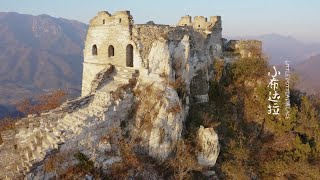
We do not recommend trying to hike here, because of the significant dangers involved, but enjoy the beautiful aerial film, and here's some information about the location.
From the filmmaker :
"Aerial photography of JianKou Great Wall, West Line-East Line (from Jiuyan Building in the west to Zhenbei Building in the east) is a complete record of all important nodes.
It was like witnessing a miracle for the first time. The slender white lines of the white boulders whispered silently on the top of the towering peak, looking up at the huge city wall in front of them, and overlooking the steep curve that leaped up the ridge and spread endlessly, and the wind blew through the masonry. Passing through the gate of the enemy building, a piece of history pushes the dust under your feet to the legend of the ghostly craftsmanship on the mountain at the end of the line of sight, staggering forward, unable to tolerate half a moment of hesitation, faith is as strong as a rock, and it grows wildly between the cliffs, using humble courage to tighten Every stone crevice climbed cautiously, listening to a soul-stirring long song with a startled mind."
Visitor Guide to JianKou Wild Great Wall of China, BeiJing
Getting There
Location: JianKou is a section of the Great Wall of China located in the Huairou District, about 73 kilometers north of BeiJing.
By Public Transport: Take bus 916 or 936 from Dongzhimen Bus Station in BeiJing to Huairou, then transfer to a local minibus or hire a private car to Xizhazi Village, the starting point for hiking JianKou.
By Car: If you prefer to drive, you can rent a car or hire a private car service from BeiJing. The drive takes about 2 hours.
Hiking and Safety Tips
Difficulty: The JianKou section is known for its steep and rugged terrain, making it suitable for experienced hikers. It is not recommended for beginners or those afraid of heights.
Safety Gear: Wear sturdy hiking boots, and consider bringing gloves for climbing steep sections. A hiking stick can also be helpful.
Weather: Check the weather forecast before your trip. Avoid hiking during rainy or snowy conditions, as the wall can become slippery and dangerous.
Guides: Hiring a local guide is recommended for first-time visitors. Guides can provide valuable information about the trail and ensure your safety.
Emergency Supplies: Carry plenty of water, snacks, a first-aid kit, and a fully charged mobile phone. There are no facilities along the trail.
Main Attractions
Notable Sections and Towers
The "Zhengbeilou" Watchtower: One of the highest points on the JianKou section, offering panoramic views of the Great Wall snaking through the mountains. This is a popular spot for photography.
The "Ox Horn Edge" (Niujiaobian): A dramatic and steep section of the wall that looks like the shape of an ox horn. It is challenging to climb but rewards hikers with spectacular views.
The "Sky Stairs" (Tianti): A nearly vertical section of steps that test the courage and stamina of hikers. This is one of the most thrilling parts of the JianKou hike.
Natural Scenery
Mountain Views: The JianKou section offers stunning views of lush mountains and valleys, especially during spring and autumn when the foliage is at its most vibrant.
Wildflowers: In spring, the hillsides are covered with wildflowers, adding a burst of color to the rugged landscape.
Photography: JianKou is a favorite spot for photographers due to its dramatic scenery and the wild, unrestored state of the wall. Sunrise and sunset are particularly beautiful times for capturing photos.
Nearby Attractions
Mutianyu Great Wall: Located close to JianKou, the Mutianyu section is more restored and accessible, making it a good option for those who want a less strenuous hike.
Beijing Huairou Scenic Area: Explore the scenic beauty of Huairou District, including rivers, mountains, and other historical sites.
Dining and Accommodation
While there are no dining facilities on the JianKou Great Wall itself, nearby villages and towns offer a variety of options:
Local Restaurants: Enjoy traditional Chinese meals in local restaurants in Xizhazi Village and Huairou town. Dishes often feature fresh, locally sourced ingredients.
Farm Stays: Experience rural life by staying in a local farmhouse. Many farm stays offer home-cooked meals and comfortable accommodations.
Guesthouses: There are several guesthouses in the area, providing basic but comfortable lodging. Book in advance, especially during peak hiking seasons.
Tips for Visitors
Best Time to Visit: The best times to hike JianKou are spring (April to June) and autumn (September to November) when the weather is mild and the scenery is at its best.
Permits and Restrictions: Check for any necessary permits or restrictions before your visit. Some areas of the wall may be closed for conservation or safety reasons.
Leave No Trace: Help preserve the natural beauty and historical significance of JianKou by carrying out all your trash and minimizing your impact on the environment.
Conclusion
The JianKou Wild Great Wall of China offers an unforgettable hiking experience with its breathtaking scenery, challenging trails, and rich history. Whether you're an avid hiker or a history enthusiast, JianKou provides a unique and rewarding adventure in BeiJing. Plan your visit carefully, respect the natural and historical sites, and enjoy the beauty of this wild and stunning section of the Great Wall.
|

|
Moderate Rebels talks with professor Michael Hudson ...
Give someone a fish and they can eat for a day.
Teach them to fish and they can eat for a lifetime.
Loan them enough to buy a fish and one can then take everything they have.
Financial control is the new slavery.
"New World Order" is neo-liberalism and Western hegemony (empire) - neo-feudalism.
|
|
With Beijing Old Liu ...
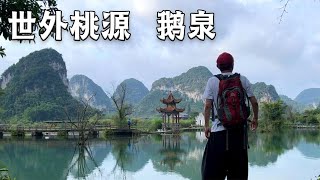
Goose Spring (Equan) Visitor Guide - GuangXi
Overview
Goose Spring, also known as Equan, is a renowned scenic spot in GuangXi Province, China. Known for its crystal-clear waters, lush greenery, and serene environment, Goose Spring offers a perfect getaway for nature lovers and those seeking tranquility.
Getting There
Location: Bama Yao Autonomous County, HeChi City, GuangXi Province, China.
Public Transport:
By Bus: There are regular buses from HeChi City to Bama Yao Autonomous County. From there, local transportation options such as taxis can take you to Goose Spring.
By Train: The nearest major railway station is in HeChi City. From the station, you can take a bus or taxi to the scenic area.
Opening Hours
Daily: 8:00 AM to 6:00 PM
Tickets
Entrance Fee: ¥60
Discounted Ticket (for children, students, and seniors): ¥30
Main Attractions
Goose Spring offers several attractions for visitors to explore:
Goose Spring (Equan): The main feature, this spring is known for its exceptionally clear water and beautiful surroundings.
Equan Waterfall: A picturesque waterfall located near the spring, providing a stunning backdrop for photos.
Scenic Walking Trails: Various trails around the spring offer opportunities for leisurely walks and enjoying the natural beauty.
Lush Forests: The area is surrounded by dense forests, home to diverse flora and fauna.
Observation Decks: Several decks offer panoramic views of the scenic area, perfect for photography and relaxation.
Activities
Visitors can engage in a variety of activities at Goose Spring:
Hiking: Explore the trails that wind through the scenic area and enjoy the beautiful natural environment.
Bird Watching: The area is home to many bird species, making it ideal for bird watchers.
Photography: Capture the stunning landscapes and serene environment.
Relaxing by the Spring: Spend time relaxing by the clear waters of the spring and soaking in the tranquility.
Picnicking: There are designated areas for picnics, where visitors can enjoy a meal amidst nature.
Dining and Refreshments
Several small restaurants and snack stalls are available around Goose Spring, offering local GuangXi cuisine and refreshments. It's also a good idea to bring your own snacks and water.
Visitor Tips
Best Time to Visit: Spring and autumn are the best times to visit due to the pleasant weather and beautiful scenery. Summer can be hot, and winter can be cold.
Wear Comfortable Shoes: The scenic area has many trails, so comfortable walking shoes are recommended.
Stay Hydrated: Bring plenty of water, especially if you plan on hiking.
Prepare for Weather: Bring a raincoat or umbrella during the rainy season, and dress in layers for temperature changes.
Respect Nature: Follow park rules, stay on designated paths, and do not disturb the wildlife.
Nearby Attractions
Baimo Cave: A fascinating karst cave with unique rock formations and underground rivers, located in Bama Yao Autonomous County.
Baimang River: A beautiful river known for its clear waters and picturesque surroundings, ideal for boating and sightseeing.
Longevity Village: A village famous for the longevity of its residents, offering insights into local culture and lifestyle.
Conclusion
Goose Spring (Equan) in GuangXi is a tranquil and beautiful destination that offers a mix of natural beauty, serene environment, and cultural experiences. Whether you're a nature enthusiast, hiker, or simply looking for a peaceful retreat, Goose Spring provides an unforgettable experience.
|

|
The real XinJiang - don't miss it.
With CGTN ...
|

|
With Pat & Giulia ...
|

|
With Feeding Foca ...
"The mountains are high,
and the emperor is far away."
|

|
一籃秋葵 一桌菜,在配上酸泡果,美味極了 | Chinese food made from green okra | 秋葵 美食 | 野小妹 ...
|