The HuaWei P40 Pro smartphone – reviews

[640],shadow=true,start=,stop=
[320],shadow=true,start=,stop= [320],shadow=true,start=,stop=

Related Videos


Featured Videos

Sleeper train – ShangHai to ShenZhen
With Travel With Balnur ...
Movie time – Let’s Get Married ! 咱们结婚吧 !
An awesome romantic comedy movie for Valentine's Day. Four couples with love, life and romance. Filmed in China (BeiJing and ShenZhen) and Italy (Rome, Matera). Directed by Liu Jiang ... Trailer ...
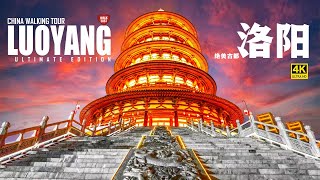
LuoYang City National Park, HeNan province
With China Walking Tour ... Visitor Guide to the Sui and Tang Dynasties of LuoYang City National Park Getting There Location: The Sui and Tang Dynasties of LuoYang City National Park is located in LuoYang, HeNan Province. It is easily accessible from the city center. By Public Transport: You can take a local bus or taxi from anywhere in LuoYang to reach the park. Buses 81 and 83 have stops near the park. By Car: If you are driving, ample parking is available near the park entrance. Entrance and Tickets Entrance Fee: The entrance fee varies depending on the season and any special exhibitions. Typically, it ranges from 50 to 100 RMB. Opening Hours: The park is generally open from 8:00 AM to 6:00 PM. Check for any changes during holidays or special events. Attractions and Activities Historical Sites MingTang and TianTang Complex: Reconstructed palace complexes that offer a glimpse into the grandeur of the Sui and Tang dynasties. The architecture and layout are based on historical records and archaeological findings. Ancient City Walls: Explore the remnants of the ancient city walls that protected LuoYang during the Sui and Tang periods. Museums and Exhibitions Archaeological Museum: This museum within the park showcases artifacts and relics from the Sui and Tang dynasties, including pottery, tools, and ancient manuscripts. Historical Exhibitions: Various exhibitions throughout the park provide detailed insights into the history, culture, and daily life of the Sui and Tang dynasties. Gardens and Scenery Imperial Gardens: Beautifully landscaped gardens that reflect the horticultural styles of the Sui and Tang periods. These gardens are perfect for a leisurely stroll. Scenic Lakes: The park features several artificial lakes that enhance the serene atmosphere and provide picturesque views. Interactive Activities Costume Experience: Visitors can dress in traditional Sui and Tang dynasty attire and take photos in the historical settings of the park. Guided Tours: Join guided tours to learn more about the history and significance of the sites within the park. Tours are available in multiple languages. Dining and Local Specialties Within the park, you will find several dining options that offer both local and traditional Chinese cuisine. Some recommended spots include: Imperial Banquet Restaurant: Experience a traditional imperial-style meal with dishes that were popular during the Sui and Tang dynasties. Tea Houses: Relax in a tea house and enjoy a variety of Chinese teas along with light snacks. Street Food Stalls: Try local snacks and delicacies from the numerous food stalls scattered throughout the park. Shopping Souvenir Shops: Browse the souvenir shops for unique gifts and mementos, including replicas of ancient artifacts, traditional crafts, and books on local history. Artisan Workshops: Visit workshops where local artisans demonstrate traditional crafts such as pottery, calligraphy, and silk weaving. Many items are available for purchase. Tips for Visitors Best Time to Visit: The best times to visit the park are during spring (April to June) and autumn (September to October) when the weather is mild and the gardens are in full bloom. Clothing: Wear comfortable walking shoes and dress in layers to accommodate temperature changes. An umbrella or raincoat may be useful during the rainy season. Guided Tours: Consider joining a guided tour to gain deeper insights into the historical significance of the park. Many tours are available in English and other languages. Respect Local Customs: Be respectful of local customs and traditions, especially when visiting temples and historical sites. Avoid touching artifacts and stay on designated paths. Conclusion The Sui and Tang Dynasties of LuoYang City National Park offers a fascinating journey through Chinese history. With its blend of historical sites, beautiful gardens, and cultural activities, the park provides an enriching experience for all visitors. Whether you're a history buff, a nature lover, or simply looking for a peaceful escape, this national park in LuoYang is a must-visit destination.
Scenes from ZhouZhuang 周庄 (2)
ZheJiang province
The awesome ChaoYang Park (Sun Park) in BeiJing
With MisterVaughn ... ChaoYang Park (Sun Park) visitor guide Overview ChaoYang Park, also known as Sun Park, is one of Beijing's largest and most popular parks. Located in the bustling ChaoYang District, this expansive green space offers a perfect retreat for both locals and tourists. The park features beautiful landscapes, recreational facilities, cultural attractions, and numerous activities for visitors of all ages. History ChaoYang Park was opened to the public in 1984 and has since become a significant recreational area in Beijing. The park's development aimed to provide a green oasis in the city and offer a variety of leisure activities. Over the years, it has hosted numerous cultural and sporting events, further enhancing its popularity and importance. Main Attractions Sunken Garden The Sunken Garden is a beautifully landscaped area featuring a variety of flowers, shrubs, and trees. This tranquil spot is perfect for leisurely walks and offers a peaceful escape from the city's hustle and bustle. The garden is especially stunning during the spring and summer months when the flowers are in full bloom. Lake and Boat Rides The park's central lake is a popular spot for boating and water activities. Visitors can rent paddle boats, rowboats, and even electric boats to explore the serene waters. The lake is surrounded by scenic walking paths and is a great place to relax and enjoy the natural beauty. ChaoYang Theater ChaoYang Theater is famous for its traditional Chinese acrobatic performances. The theater offers daily shows that showcase the incredible skills and talents of Chinese acrobats. These performances are a must-see for visitors interested in Chinese culture and entertainment. Children's Amusement Park The children's amusement park within ChaoYang Park features a variety of rides and attractions designed for younger visitors. From carousels to roller coasters, the amusement park offers plenty of fun and excitement for kids and families. Fitness and Sports Facilities ChaoYang Park offers numerous sports facilities, including tennis courts, basketball courts, and a running track. There are also several outdoor fitness areas with exercise equipment. These facilities are popular among fitness enthusiasts and provide a great way to stay active while enjoying the park's beautiful surroundings. Culture and Traditions ChaoYang Park is a hub of cultural activities and events. Throughout the year, the park hosts various festivals, exhibitions, and performances that celebrate Chinese culture and traditions. Visitors can experience traditional music, dance, and art, as well as modern cultural events. Activities and Experiences Boating Rent a boat and enjoy a relaxing ride on the park's central lake. Boating is a popular activity in ChaoYang Park, offering a peaceful way to take in the scenic views and enjoy the fresh air. Picnicking The park's expansive lawns and shaded areas make it an ideal spot for picnicking. Visitors can bring their own food or purchase snacks from the park's vendors and enjoy a meal surrounded by nature. Walking and Jogging ChaoYang Park features numerous walking and jogging paths that wind through its diverse landscapes. Whether you're looking for a leisurely stroll or a vigorous jog, the park offers a variety of routes to explore. Photography The park's beautiful landscapes, vibrant flowers, and serene lake make it a perfect destination for photography enthusiasts. Capture the natural beauty and the lively atmosphere of ChaoYang Park through your lens. Attending Events Check the park's event calendar for upcoming cultural events, festivals, and performances. Attending these events is a great way to experience local culture and enjoy unique entertainment. Accommodation While there are no accommodations within ChaoYang Park itself, the park is located in a bustling district with numerous hotels and guesthouses nearby. Visitors can choose from a range of options to suit different preferences and budgets, from luxury hotels to budget-friendly hostels. Travel Tips Best Time to Visit: The best time to visit ChaoYang Park is during spring (April to June) and autumn (September to November) when the weather is pleasant, and the park is at its most beautiful. Getting There: ChaoYang Park is easily accessible by public transportation. The nearest subway station is Tuanjiehu Station on Line 10. The park is also well-served by several bus routes. Opening Hours: The park is open daily from 6:00 AM to 10:00 PM. Entrance Fees: There is a nominal entrance fee for the park. Additional fees may apply for specific attractions and activities, such as boat rentals and amusement park rides. Dress Comfortably: Wear comfortable clothing and shoes suitable for walking and outdoor activities. The park is quite large, and you'll likely spend several hours exploring. Stay Hydrated: Carry water, especially during the summer months. There are also several vendors and kiosks throughout the park where you can purchase drinks and snacks. Respect the Environment: Help keep the park clean by disposing of litter properly and respecting the natural surroundings. Avoid disturbing wildlife and follow park regulations.
The Confucius Temple / Imperial College in BeiJing
With Cameraman ... With China Tour ... Visitor Guide to the Confucius Temple and Imperial College, Beijing Introduction The Confucius Temple and Imperial College (Guozijian) in Beijing are historical landmarks dedicated to the legacy of Confucius, one of China's most influential philosophers, and to the education of scholars who served the imperial government. These sites reflect the importance of Confucianism in Chinese history and are a must-visit for anyone interested in Chinese culture and history. History Confucius Temple (孔庙, Kǒng Miào) Built in 1302 during the Yuan Dynasty, the Confucius Temple in Beijing is one of the largest and oldest Confucian temples in China. It was expanded during the Ming and Qing dynasties, becoming a prominent center for Confucian worship and scholarship. The temple was a place where scholars and officials would pay their respects to Confucius and seek inspiration from his teachings. Imperial College (国子监, Guózǐjiàn) The Imperial College, also known as Guozijian, was established in 1306, just a few years after the temple. It served as the highest educational institution in imperial China, where scholars studied the Confucian classics in preparation for civil service examinations. The college was managed by the imperial government, reflecting the significant role of education in governance. Architecture and Key Highlights Confucius Temple The temple complex features traditional Chinese architecture with intricate wooden carvings, stone pillars, and tiled roofs. Key structures include: Dacheng Hall (Hall of Great Accomplishment): The main hall, housing a statue of Confucius, where important ceremonies and rituals are conducted. Stele Pavilions: These pavilions contain stone tablets inscribed with texts and inscriptions from various Chinese dynasties. Spirit Way: A pathway lined with ancient cypress trees, leading to the temple's main halls. Imperial College The Imperial College complex showcases traditional Chinese educational architecture. Highlights include: Biyong Hall: The centerpiece of the college, this circular hall is surrounded by a moat and accessed by four bridges, symbolizing the spread of Confucian teachings to all corners of the world. Jixian Hall: A lecture hall where scholars were taught the Confucian classics. Gate of Great Accomplishment: The main entrance to the college, symbolizing the pursuit of knowledge and scholarly achievement. Visitor Information Here are some practical details to help plan your visit to the Confucius Temple and Imperial College: Location: No. 13, Guozijian Street, Dongcheng District, Beijing, China. Opening Hours: Daily from 8:30 AM to 5:00 PM. Last entry is at 4:30 PM. (Hours may vary seasonally) Admission Fee: Approximately 30 RMB (Check for updated prices before visiting). Transportation: The nearest subway station is Yonghegong (Lama Temple), on Line 2 and Line 5. From there, it’s a short walk to the temple. Tips for Visitors Plan to spend at least 1-2 hours exploring the site to fully appreciate its historical and architectural significance. Visit early in the morning or late in the afternoon to avoid the crowds and enjoy a more peaceful experience. Consider hiring a guide or using an audio guide to gain deeper insights into the history and significance of the site. Respect the cultural and religious significance of the site. Dress modestly and behave respectfully.
Last post of 2021
Each year, we up the quality. At BB, it's always about quality, not quantity. Variety, certainly, but not quantity. Last videos of 2021 - with PopMatta ... One needs to look out for Serpent / Laowai v.2, and not get duped; see through the disguises (devil dressed as a dove); it is for sure that they are out there ... Geo-politics is a mine-field. Be aware of it; but don't let it dull your mind. Let love, creativity and calm be the air that you breathe. The world is doomed to destruction; the vast majority do indeed vastly outnumber the zealots, but in the West, though the people are by and large brainwashed, for sure, most will ever be too dumb to realize it. Plus, western culture has bred a large proportion of narcissists, devoid of empathy and compassion. Extreme individualism ensures ultimate catastrophe. Once extinction becomes possible, it becomes inevitable. The power of annihilation grows much faster than general IQ/EQ; hence the 'great silence' in the universe. While the Earth is still here, live life to the fullest, each remaining day. The tragedy will play out over and over for eternity; don't waste much time on thinking about it. *** All one needs to know is ... We are all one family; but some in the West just want division, control and power - and that's not family - that's hate; 'divide and rule' (elitism / colonialism / imperialism / hegemony). The difference between China and the West ? It is simply, and profoundly, this : For China, the people are family. For the West, the people are livestock. For China, the people are family; not just Chinese, but all people. For the West (the 'elite'), the people are merely livestock. All the best for the year ahead, from BeiJingBuzzz. Keep it real. Live more ...
A trip to HaiNan 海南 tropical paradise island province
HaiNan ('South Sea') island is the southern-most part of China.
Geopolitics update – January 2025 (Red Note, and much more …)
Red Note, Trump, BRICS, and much more .. YT comments : "If a government is elected, but acts against the interests of the people, why should you call it democratic? If a government that is not elected works in the interests of the people, why should you consider it undemocratic?" “The US is not scared of other countries getting your information, they’re scared that you’ll get information from other countries”.

Tag search ?