Inside Chinese smartphone giant HuaWei’s ShenZhen headquarters

An fascinating look inside the massive campus ...

[640],shadow=true,start=,stop=

And also a quick look at BaiDu's campus in BeiJing ...

[320],shadow=true,start=,stop=

And TenCent (WeChat)'s HQ in ShenZhen ...

[320],shadow=true,start=,stop=

Bonus films ...

[320],shadow=true,start=,stop= [320],shadow=true,start=,stop=

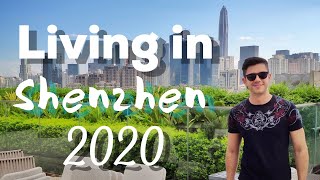
Shenzhen is a modern metropolis located in Guangdong Province, bordering Hong Kong to the south. Known as China's first Special Economic Zone, Shenzhen has transformed from a fishing village into a bustling city known for its innovation, technology, and vibrant culture. Here's what you need to know as a tourist visiting Shenzhen:

Modern Landmarks and Skyscrapers:
Shenzhen Bay Park: This expansive waterfront park offers stunning views of Shenzhen's skyline and the Hong Kong skyline across the bay. It's a popular spot for leisurely strolls, cycling, and picnics.

Shenzhen Civic Center: Admire the futuristic architecture of the Shenzhen Civic Center, which includes landmarks such as the Shenzhen Concert Hall, Shenzhen Library, and Shenzhen Museum.

Ping An Finance Centre: Marvel at one of the tallest skyscrapers in China and the fourth-tallest in the world, featuring an observation deck on the 116th floor offering panoramic views of the city.

Theme Parks and Entertainment:
Window of the World: Explore miniature replicas of famous landmarks from around the world, including the Eiffel Tower, the Taj Mahal, and the Great Wall of China, all in one place.

Happy Valley: This amusement park offers thrilling rides, live entertainment, and themed areas catering to visitors of all ages, making it a popular destination for families and thrill-seekers.

Shopping and Dining:
Huaqiangbei Electronics Market: Known as the world's largest electronics market, Huaqiangbei is a paradise for tech enthusiasts, offering everything from gadgets and components to accessories and repairs.

Coco Park: This upscale shopping and dining district features a wide range of boutiques, department stores, restaurants, bars, and cafes, catering to both locals and tourists.

Cultural and Historical Sites:
Dafen Oil Painting Village: Explore this vibrant artist community known for its reproduction oil paintings, where you can watch artists at work and purchase artworks at affordable prices.

Fairy Lake Botanical Garden: Escape the urban hustle and bustle at this expansive botanical garden, featuring lush greenery, scenic walking trails, and a diverse collection of plants and flowers.

Practical Tips:
Transportation: Shenzhen has a well-developed public transportation system, including the metro, buses, and taxis. The metro is the most convenient way to get around the city, with signs and announcements in both Chinese and English.

Language: Mandarin is the official language, but Cantonese and English are also widely spoken, especially in tourist areas, hotels, and restaurants.

Weather: Shenzhen has a subtropical climate with mild, dry winters and hot, humid summers. The best times to visit are spring (March to May) and autumn (September to November) when the weather is pleasant and comfortable.

Visa: Depending on your nationality, you may need a visa to enter China. Check the latest visa requirements and apply in advance if necessary.

Shenzhen offers a dynamic mix of modern attractions, cultural experiences, and shopping opportunities, making it an exciting destination for tourists seeking a taste of urban life in China. Whether you're interested in technology, entertainment, or simply exploring a vibrant city, Shenzhen has something for everyone.

Related Videos


Featured Videos

More on health and nutrition (2)
With Rangan Chatterjee. With Mark Hyman ... With Tim Spector ...
ShangHai – XinTianDi and the M50 Art Creativity Park
With Wei's Travel ...
The 1000 tree sky garden, ShangHai
With Middle Kingdom Productions ... Bonus film - with Sly's Life ... Bonus film with Willene Business & Lifestyle ... Bonus film - with Ben Coleman ...
ChongQing 重庆 city
ChongQing lies on the YangTze (YangZi) River in central China, just to the east of SiChuan province, and is one of the world's largest cities. Administratively, it is one of China's four direct-controlled municipalities (the others are Beijing, Shanghai and Tianjin).
The Classical Gardens of SuZhou 苏州
JiangSu province.
A trip to KunMing, ‘Spring City’, capital of YunNan province
With Feeding Foca ... Welcome to KunMing: The Spring City KunMing, the capital of YunNan province, is known for its pleasant climate, rich history, and stunning natural scenery. This guide will help you explore the best of what KunMing has to offer. Top Attractions in KunMing Stone Forest (Shilin) A UNESCO World Heritage Site, the Stone Forest is a remarkable natural wonder featuring towering limestone formations. It's located about 90 kilometers from KunMing and is a must-visit for nature lovers. Dianchi Lake Dianchi Lake, also known as KunMing Lake, is the largest freshwater lake in Yunnan. Visitors can enjoy boating, walking along the lakeside, and visiting nearby temples. Green Lake Park (Cuihu Park) Located in the heart of KunMing, Green Lake Park is a peaceful retreat with beautiful lotus ponds, pavilions, and walking paths. It's a great spot for relaxation and people-watching. Yuantong Temple Yuantong Temple is one of the oldest Buddhist temples in KunMing, dating back over 1,200 years. The temple features a unique layout with a large pond in the center and beautiful architecture. Local Cuisine KunMing is famous for its diverse and flavorful cuisine. Here are some must-try dishes: Crossing the Bridge Noodles (Guo Qiao Mi Xian) A traditional Yunnan dish consisting of a bowl of hot broth, rice noodles, and various toppings like meat, vegetables, and herbs. The dish is served with the ingredients separate, allowing you to mix them as you like. Steam Pot Chicken (Qi Guo Ji) This dish is cooked in a unique clay pot that traps steam, resulting in tender and flavorful chicken. It's often served with medicinal herbs for added health benefits. Yunnan Rice Cakes (Er Kuai) These chewy rice cakes are a staple in Yunnan cuisine. They can be stir-fried, grilled, or served in soups. Transportation KunMing is well-connected and easy to navigate. Here are some transportation options: KunMing Changshui International Airport The airport is located about 25 kilometers from the city center and offers domestic and international flights. Taxis and airport shuttles are available for transportation to the city. Public Buses KunMing has an extensive public bus network that covers most of the city. Buses are affordable and a convenient way to get around. Metro KunMing's metro system is modern and efficient, with several lines connecting key areas of the city. It's a great option for avoiding traffic. Taxis and Ride-Hailing Taxis are widely available, and ride-hailing apps are popular in KunMing. They offer a convenient way to travel, especially for shorter distances. Best Time to Visit KunMing is known as the "Spring City" due to its mild climate year-round. However, the best time to visit is from March to October, when the weather is most pleasant and the flowers are in full bloom. Tips for Visitors Wear comfortable shoes, as many attractions involve walking or hiking. Bring sunscreen and a hat, as the sun can be strong, especially at higher altitudes. Learn a few basic Mandarin phrases, as English is not widely spoken outside tourist areas. Respect local customs and traditions, especially when visiting temples and religious sites. Enjoy your trip to KunMing!
The Great Wall of China at JianKou 箭扣, BeiJing
The JianKou ('Arrow Head') section of the Great Wall is one of the most picturesque. It is also un-restored; and with steep inclines and long drops, also one of the most dangerous. JianKou lies between the MuTianYu and HuangHua sections. Filmed and edited by vimeo.com/niffgurd. More about JianKou Great Wall
The magical matsutake mushroom 松茸 (SōngRóng)
"Under the red pine trees above 3,000 meters sea level, there is a fairy ingredient - 松茸 (Matsutake; the French call it Champignon de pint). It's an edible fungus with extremely high nutritional value and a very special aroma. It still can not be artificially cultivated. From "Charcoal Roasted Matsutake" to "Matsutake Chicken Soup" to "Matsutake Wine" ... I made these dishes with the utmost devout ritual using this most precious ingredient!"
The beautiful NanXiang ancient town, ShangHai
With Wei's Travel ... NanXiang Town is affiliated to JiaDing District, ShangHai. It is one of the four famous historical towns in Shanghai. It was once known as 'Little Nanxiang' and 'Sioux City' in history. Nanxiang is a thousand-year-old ancient town. As early as the fourth year of Liang Tianjian in the Southern Dynasty (AD 505), the Baihe Nanxiang Temple was built, and the temple got its name. Later, monuments such as the Twin Brick Pagodas of the Five Dynasties, Hecha Mountain in the Southern Song Dynasty, and the Guyi Garden and Tan Garden in the Ming Dynasty were built. Nanxiang Town has successively won titles such as China's Famous Historical and Cultural Town and National Civilized Town. Nanxiang has high-tech parks and urban industrial parks. More than 200 companies from more than 20 countries and regions around the world have settled in Nanxiang. Nanxiang is a small town with a very developed economy. The famous Nanxiang Xiaolongbao has also spread all over the world and has become the most famous Nanxiang gourmet masterpiece. 00:00 Travel Highlights 旅行精华预览 01:51 Nanxiang Old Street 南翔老街 06:01 Nanxiang Ancient Town 南翔古镇 07:41 Xiaolongbao Cultural Center 南翔小笼包文化馆 11:10 People Street 人民街 21:20 Yunxiang Temple 云翔寺 26:14 Twin Towers Plaza 双塔广场 27:15 Nanxiang History Museum 南翔历史文化馆 29:57 Huntang Lane 混堂弄 31:14 Tanyuan Garden 檀园 36:42 Shifang Art Museum 十方书院美术馆 39:21 Mansion of the Ancients 南翔人家 42:17 Baozun Lobby 宝尊堂 43:34 Garden Lakeside 花园湖景 47:36 Garden Rockery 花园假山 48:45 Beautiful View in Tanyuan 檀园美景 51:21 Republic Street 共和街 Welcome to NanXiang Ancient Town Introduction History Top Attractions Local Cuisine Visitor Tips Introduction NanXiang Ancient Town, located in the JiaDing District of ShangHai, is a historic town known for its rich cultural heritage, beautiful ancient architecture, and famous NanXiang XiaoLongBao (soup dumplings). The town offers visitors a chance to step back in time and explore traditional Chinese culture and history. History Founded over 1,500 years ago during the Southern and Northern Dynasties, NanXiang has been an important cultural and economic hub in the region. The town played a significant role during the Ming and Qing dynasties, and many of its ancient buildings and structures have been preserved to this day. Top Attractions Guyi Garden Guyi Garden is one of the most famous classical gardens in ShangHai. Originally built in the Ming Dynasty, the garden features beautiful landscapes, ancient trees, and traditional Chinese pavilions, making it a must-visit for those who appreciate natural beauty and history. YunXiang Temple YunXiang Temple is a Buddhist temple with a history of over 1,000 years. The temple is known for its serene environment, exquisite architecture, and significant cultural artifacts. Visitors can explore the temple grounds and learn about its rich history. NanXiang Old Street NanXiang Old Street is a bustling area filled with traditional shops, teahouses, and eateries. The street is lined with ancient buildings, offering a glimpse into the town's past while providing a lively atmosphere for visitors. Local Cuisine NanXiang is the birthplace of the famous NanXiang XiaoLongBao, a type of steamed bun filled with soup and meat. These dumplings are a must-try for any visitor. The town also offers a variety of other local delicacies, including traditional ShangHai snacks and sweets. Visitor Tips Best Time to Visit: Spring and autumn are the best times to visit NanXiang, as the weather is mild and pleasant. Getting There: NanXiang Ancient Town is accessible by metro and bus from downtown ShangHai. The closest metro station is NanXiang on Line 11. Language: While Mandarin is the primary language, many locals speak the Shanghainese dialect. Basic English may be understood in tourist areas. Etiquette: When visiting temples, dress modestly and be respectful of the religious practices.

Tag search ?