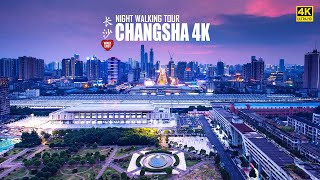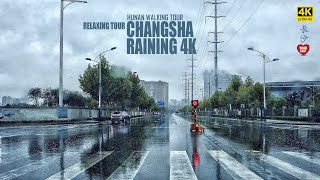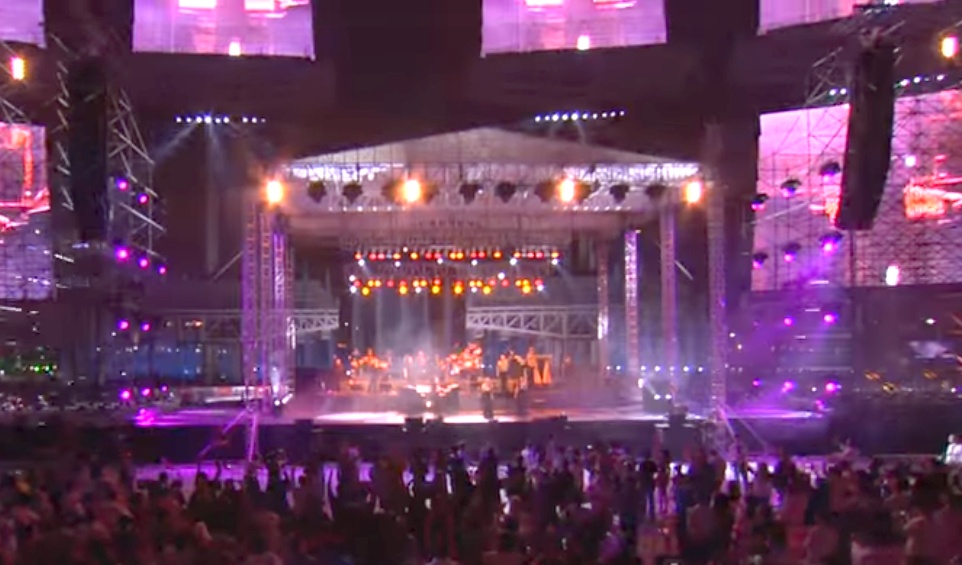
Typical evening activity in China

All Chinese cities and towns re full of public spaces and parks that fill with dance and exercise and joy every evening ...

[640],shadow=true,start=,stop=

Related Videos


Featured Videos
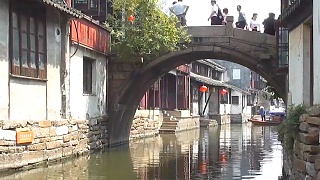
Best ancient towns in China
Old / Ancient Towns in China Lijiang Old Town 丽江古城 (Lìjiāng Gǔchéng): Step back in time in the ancient town of Lijiang, a UNESCO World Heritage Site known for its well-preserved architecture, cobblestone streets, and picturesque canals. Lijiang Old Town is home to traditional Naxi culture and features historic landmarks such as the Mu Palace, the Black Dragon Pool, and the Wangu Tower. Visitors can wander through the maze-like streets, admire the intricate wooden buildings, and experience the vibrant local culture. Fenghuang Ancient Town 凤凰古城 (Fènghuáng Gǔchéng): Discover the charm of Fenghuang Ancient Town, nestled along the banks of the Tuo River in Hunan Province. Fenghuang is known for its well-preserved Ming and Qing dynasty architecture, ancient bridges, and vibrant cultural scene. Visitors can stroll along the cobblestone streets, explore historic temples and ancestral halls, and admire the traditional Miao ethnic minority culture. Pingyao Ancient Town 平遥古城 (Píngyáo Gǔchéng): Explore the ancient walled city of Pingyao, one of China's best-preserved ancient towns and a UNESCO World Heritage Site. Pingyao Ancient Town dates back over 2,700 years and is known for its well-preserved city walls, historic courtyards, and ancient temples. Visitors can walk along the fortified walls, explore the narrow alleyways, and learn about the town's rich history and cultural heritage. Zhujiajiao Ancient Town 朱家角古镇 (Zhūjiājiǎo Gǔzhèn): Experience the charm of Zhujiajiao Ancient Town, located on the outskirts of Shanghai. Zhujiajiao is known for its scenic canals, stone bridges, and well-preserved Ming and Qing dynasty architecture. Visitors can take a boat ride along the canals, explore historic landmarks such as the Fangsheng Bridge and the Kezhi Garden, and sample local delicacies at traditional teahouses and restaurants. Xitang Ancient Town 西塘古镇 (Xītáng Gǔzhèn): Discover the beauty of Xitang Ancient Town, a water town known for its tranquil canals, ancient bridges, and traditional architecture. Xitang has been featured in numerous films and is renowned for its picturesque scenery and romantic atmosphere. Visitors can stroll along the cobblestone streets, explore historic residences and temples, and take a boat ride along the scenic waterways. Wuzhen Ancient Town 乌镇古镇 (Wūzhèn Gǔzhèn): Step back in time in the ancient water town of Wuzhen, known for its well-preserved Qing dynasty architecture, scenic canals, and traditional way of life. Wuzhen is divided into two main districts: the East Scenic Area, which features historic residences and workshops, and the West Scenic Area, which offers a glimpse into rural life along the waterways. Visitors can explore ancient temples, watch traditional performances, and sample local specialties such as Wuzhen rice wine and shadow puppetry. Shaxi Ancient Town 沙溪古镇 (Shāxī Gǔzhèn): Explore the historic town of Shaxi, located along the ancient Tea Horse Road in Yunnan Province. Shaxi is known for its well-preserved Bai ethnic minority architecture, traditional cobblestone streets, and ancient market square. Visitors can wander through the town's labyrinth of alleyways, visit the historic Xingjiao Temple, and hike to the nearby Shibao Mountain to see its intricate Buddhist carvings. Zhaoxing Dong Village 肇兴侗寨 (Zhàoxīng Dòngzhài): Experience the unique culture of the Dong ethnic minority in Zhaoxing Dong Village, located in Guizhou Province. Zhaoxing is known for its traditional wooden houses, ancient wind and rain bridges, and terraced rice paddies. Visitors can explore the village's cobblestone streets, visit the Drum Tower and the Wind and Rain Bridge, and attend traditional Dong festivals and performances. Jinli Ancient Street 锦里古街 (Jǐnlǐ Gǔjiē): Immerse yourself in the lively atmosphere of Jinli Ancient Street, a historic street in Chengdu known for its traditional architecture, bustling markets, and vibrant street food scene. Jinli Street dates back over 2,000 years and has been restored to its former glory, with ancient-style buildings housing teahouses, shops, and snack stalls. Visitors can sample local delicacies such as Sichuan hotpot, stinky tofu, and spicy skewers, shop for souvenirs and handicrafts, and enjoy traditional performances such as Sichuan opera and shadow puppetry. Pingle Ancient Town 平乐古镇 (Pínglè Gǔzhèn): Discover the charm of Pingle Ancient Town, located in Sichuan Province and known for its well-preserved Tang and Song dynasty architecture, ancient streets, and historic landmarks. Pingle is nestled in the picturesque foothills of the Qingcheng Mountains and is surrounded by lush forests, bamboo groves, and tea plantations. Visitors can explore the town's ancient streets, visit historic temples and ancestral halls, and enjoy panoramic views of the surrounding countryside from the Qingcheng Mountains.
Planning war on China – part 25
With Aaron Mate ... YT comments : * "Promoting democracy is an easy way to take over other countries. Simple as that. Pawns and 'big money'." * "Democracy is a scam which dupes the people to support elite rule." * "A story about democracy : A farmer asked his son before he died, "Pigs complain about poor feed, cows complain about heavy work, and chickens complain about dirty nests. What should you do?". The son said: "Change to good feed, buy more cows, clean up chicken coop." The farmer shook his head and said. "No, don't do anything. Let them vote, let them choose you or your wife to take care of them, and let them think they are the boss”." With Carl Sagan ... Poverty in the US ... Meanwhile ... Lemon Tree, with MiuMiu GuitarGirl ... New on the ShangHai metro ... KunMing, YunNan ...
Mega Machines – China’s infrastructure building capabilities
The BRI : the new Silk Road : the China – Russia corridor
Jalapeno chilli peppers
With LongMeiMei ...
The beautiful QianLing Mountain Park, GuiYang, GuiZhou province
With BeiJing Liu ... Bonus film - GuiYang walk at night - with Walk East ... Plus ShanHu Park and GuiZhou Museum ...
DaLi, YunNan province trip
With Willene Business & Lifestyle ... Bonus film - with Seiu Travel ...
YanQi Lake 雁栖湖 at dusk, HuaiRou, BeiJing
YànQī Hú lies about 60 kilometers north of Beijing city, near Huáiróu.
XiaoQiKong Scenic Area, LiBo, GuiZhou province
XiaoQiKong Scenic Area, LiBo, GuiZhou : A Visitor’s Guide The Xiaoqikong Scenic Area, or "Seven Small Arches," is a UNESCO World Heritage site located in Libo County, Guizhou Province. This breathtaking natural haven is famous for its karst landscapes, dense forests, crystal-clear rivers, and historic stone bridges. Its name derives from a 19th-century stone bridge with seven arches, which is the centerpiece of the park. How to Get There By Air: The nearest airport is Libo Airport, which has flights from major cities like Guiyang. From the airport, it's about an hour's drive to the scenic area. By Train: Libo is accessible via high-speed rail. From the Libo Railway Station, take a taxi or local bus to Xiaoqikong. By Bus: Direct buses from Guiyang or other nearby cities to Libo are available. From Libo town, a short local bus or taxi ride will bring you to the park. Entrance and Fees Opening Hours: 8:00 AM – 5:30 PM (varies by season). Admission Fee: Approximately 110–150 RMB (varies depending on the season and package options, including shuttle services). Top Attractions in Xiaoqikong Scenic Area 1. The Seven Small Arches Bridge Overview: This Qing Dynasty stone bridge, with seven small arches spanning a turquoise river, is the park's namesake and one of its most iconic sights. Don’t Miss: The surrounding waters reflect lush greenery, creating a picture-perfect scene for photography. 2. The Water Forest Unique Feature: Trees grow directly out of the water in this surreal wetland area. The intertwining roots and crystal-clear streams create an enchanting atmosphere. Activities: Walk along the wooden pathways and admire the unique ecosystem. 3. 68-Level Waterfalls Description: A cascading series of small waterfalls stretch over several kilometers, forming a mesmerizing chain of white foam and turquoise pools. Tip: Visit early in the morning for fewer crowds and better lighting for photos. 4. Green Canyon (Lushui Valley) Highlight: This narrow canyon is filled with lush vegetation and dramatic karst formations. What to Do: Follow the trail that winds through the canyon for stunning views of cliffs, caves, and water features. 5. Mandarin Duck Lake Why Visit: A serene lake surrounded by dense forest, where you can spot pairs of mandarin ducks and other waterfowl. Activities: Rent a boat to explore the lake or enjoy a picnic on its shores. 6. The Ancient Banyan Feature: A massive banyan tree with sprawling roots and branches that provide a mystical and serene setting. Significance: This is one of the oldest trees in the area, revered by locals. 7. Qinglong Waterfall Overview: A grand waterfall set amidst lush green cliffs. What to Do: Hike up to the viewing platform for the best angle of this magnificent cascade. Activities and Experiences Hiking Trails: The park features several well-maintained trails, ranging from easy walks to more challenging hikes. Most trails pass through diverse landscapes, from karst caves to dense bamboo forests. Boat Rides: Enjoy scenic boat rides on Mandarin Duck Lake or the surrounding waterways. Wildlife Spotting: The area is home to diverse flora and fauna, including rare species like the Guizhou golden monkey and colorful butterflies. Photography: The vibrant turquoise waters, lush greenery, and karst formations make Xiaoqikong a photographer’s paradise. Local Cuisine Rice Noodles (Mixian): A staple dish in Guizhou, served in rich broth with fresh herbs and spices. Sour Fish Soup: A tangy and spicy local specialty made with freshwater fish. Sticky Rice Dumplings: Perfect for a quick snack while exploring. Wild Vegetable Dishes: Many restaurants in the area use locally foraged vegetables, prepared simply to highlight their natural flavors. Best Time to Visit Spring (March–May): The park is lush and vibrant, with waterfalls at their fullest due to seasonal rains. Autumn (September–November): Cooler weather and the surrounding forest's changing colors make this the most picturesque season. Tips for Visitors Transportation Within the Park: Shuttle buses are available for an additional fee and are highly recommended to cover the large area efficiently. Clothing: Wear comfortable walking shoes and pack layers, as the weather can change quickly in the mountains. Photography Gear: Bring a waterproof bag for your camera or phone, as many attractions involve water. Stay Hydrated: Carry water, especially if hiking longer trails, as shops may not be available in remote areas. Crowds: Visit early in the morning or during weekdays to avoid peak tourist times. Nearby Attractions Daqikong Scenic Area: A complementary park nearby with its own set of natural wonders, including deeper gorges and caves. Libo Zhangjiang Scenic Spot: Another UNESCO World Heritage site featuring pristine rivers and karst landscapes. Ethnic Villages: Visit local Buyi, Miao, and Shui villages to experience traditional customs, architecture, and festivals. Xiaoqikong Scenic Area is a destination where natural beauty, tranquility, and adventure come together. Whether you're an avid hiker, a nature lover, or a history enthusiast, this scenic area offers something unique and unforgettable.

Tag search ?