 Communicating in China
If you have not yet been to China, how to communicate might be a concern. This video is by a popular travel blogger discussing just this, after six months in China ...
[640],shadow=true,start=,stop=Related Videos







Featured Videos
|
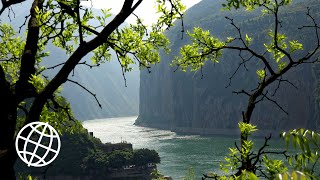
The Yangtze or YangZi (Cháng jiāng) is the longest river in Asia, the third-longest in the world, and the longest in the world to flow entirely within one country. Its source is in the northern part of the Tibetan Plateau and flows 6,300 km (3,900 miles) in a generally eastern direction to the East China Sea near ShangHai.
|
|
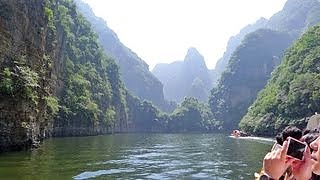
90 kilometers (55 miles) north west of Beijing city, LongQing Gorge offers boating, hiking and more; plus an ice festival in winter.
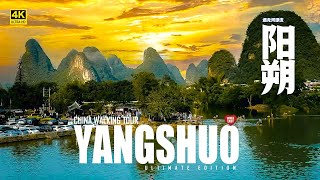
LóngQìng Xiá reminds one of the natural, soaring scenery around GuiLin and YangShuo ...
|
|
GuangXi province.
With Walk East ...
|

|
|
|
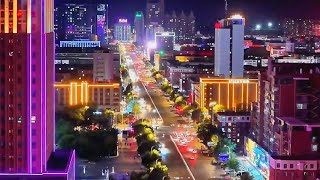
With Valeriy Blank ...
TongLiao travel guide
Introduction
TongLiao, located in eastern Inner Mongolia, is a vibrant city known for its rich cultural heritage, picturesque landscapes, and unique ethnic diversity. As a key city in the Inner Mongolia Autonomous Region, TongLiao offers a blend of Mongolian traditions and modern urban life. This guide will provide you with detailed information on the city's attractions, local cuisine, cultural highlights, and practical travel tips for an enjoyable visit to TongLiao.
Must-See Attractions
Dalelin Temple (大乐林寺)
Dalelin Temple is one of the most important Tibetan Buddhist temples in Inner Mongolia. This beautiful temple complex features stunning architecture, intricate murals, and serene courtyards. It is a place of worship and meditation, offering a peaceful retreat from the bustling city life.
Horqin Grassland (科尔沁草原)
The Horqin Grassland is a vast expanse of natural beauty, offering visitors a chance to experience the traditional nomadic lifestyle of the Mongolian people. Visitors can stay in yurts, ride horses, and enjoy the breathtaking scenery of rolling hills and endless plains. The grassland is especially beautiful during the summer when wildflowers are in full bloom.
Nadam Fair (那达慕大会)
The Nadam Fair is an annual festival celebrated by the Mongolian people, showcasing traditional sports such as horse racing, wrestling, and archery. The fair is a vibrant and colorful event, featuring traditional music, dance, and delicious local food. It is a fantastic opportunity to immerse yourself in Mongolian culture and traditions.
TongLiao Museum (通辽博物馆)
The TongLiao Museum is a great place to learn about the history, culture, and natural environment of TongLiao and the surrounding region. The museum's exhibits include ancient artifacts, traditional costumes, and displays on the local flora and fauna. It provides a comprehensive overview of the area's rich heritage.
Kulun Temple (库伦寺)
Kulun Temple, also known as the Temple of Ten Thousand Buddhas, is another significant Tibetan Buddhist temple in TongLiao. The temple is renowned for its impressive collection of Buddha statues and beautiful religious art. It is a serene and spiritual place, attracting both worshippers and tourists.
Local Cuisine
TongLiao's cuisine is a delightful blend of Mongolian and Chinese flavors, featuring hearty and savory dishes. Here are some must-try foods:
Roast Lamb (烤羊肉)
Roast lamb is a staple of Mongolian cuisine and a must-try when visiting TongLiao. The meat is marinated with spices and slow-roasted to perfection, resulting in tender and flavorful lamb that is often enjoyed with flatbread and fresh vegetables.
Milk Tea (奶茶)
Mongolian milk tea is a traditional beverage made with tea, milk, and salt. It has a unique and comforting flavor, often served with traditional snacks like cheese and bread. It is a perfect drink to warm you up on a chilly day.
Buuz (包子)
Buuz are steamed dumplings filled with minced meat, usually lamb or beef, and seasoned with onions and spices. These savory dumplings are a popular snack or meal, enjoyed for their rich taste and satisfying texture.
Cheese (奶酪)
Mongolian cheese, made from cow or goat milk, is a traditional food that comes in various forms, from hard and crumbly to soft and creamy. It is often enjoyed as a snack or used as an ingredient in other dishes.
Cultural Highlights
Traditional Mongolian Music and Dance
Traditional Mongolian music and dance are integral parts of the local culture in TongLiao. Performances often feature throat singing, horsehead fiddle (morin khuur), and lively dances that reflect the nomadic lifestyle and natural beauty of the grasslands. Attending a cultural performance is a wonderful way to experience the artistic heritage of the Mongolian people.
Ethnic Festivals
TongLiao hosts several ethnic festivals throughout the year, celebrating the customs and traditions of the Mongolian, Han, and other ethnic groups in the region. These festivals include music, dance, food, and various cultural activities, offering a vibrant and immersive cultural experience.
Handicrafts and Souvenirs
TongLiao is known for its traditional handicrafts, including embroidery, leather goods, and jewelry. Local markets and shops offer a variety of handmade items that make for unique souvenirs and gifts. These crafts reflect the artistic skills and cultural heritage of the local people.
Practical Travel Tips
Best Time to Visit: The best time to visit TongLiao is during the spring (April to June) and autumn (September to October) when the weather is mild and pleasant.
Getting Around: TongLiao has a well-developed public transportation system, including buses and taxis. Renting a car or hiring a local guide can also be a convenient way to explore the surrounding grasslands and attractions.
Language: Mandarin Chinese is the official language, but Mongolian is also widely spoken. English is not commonly spoken, so it's helpful to learn some basic Mandarin phrases or use a translation app.
Accommodation: TongLiao offers a range of accommodation options, from budget hotels to more upscale establishments. Staying in a yurt on the grasslands is a unique experience that provides a glimpse into the traditional Mongolian lifestyle.
Health and Safety: TongLiao is generally a safe city for travelers. However, it's advisable to take standard precautions, such as avoiding poorly lit areas at night and keeping an eye on your belongings.
Conclusion
TongLiao is a fascinating destination that offers a blend of rich cultural heritage, stunning natural landscapes, and unique ethnic traditions. Whether you're exploring its historic temples, enjoying the local cuisine, or experiencing the vibrant festivals, TongLiao provides a memorable and enriching travel experience. Use this guide to make the most of your visit to this captivating city in Inner Mongolia.
|
|
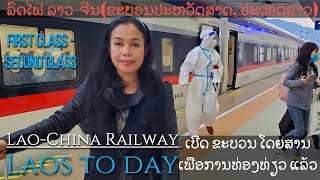
With NeeNee Lao Life ນີນີ ວິຖີລາວ ...
|
|
QingHai province
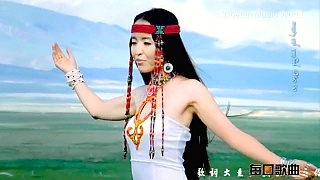
The group is called HAYA, together with singer DaiQing Tana, and the song is in both mandarin and mongolian. The song is based on a QingHai folk tune. Beautiful in every way ...
|

|
Overview
ChengDu (成都) is the capital city of SiChuan province in south-west China. Known for its spicy cuisine, relaxed lifestyle, and panda conservation centers, Chengdu offers a unique blend of modernity and tradition.
Top Attractions
Chengdu Research Base of Giant Panda Breeding (成都大熊猫繁育研究基地) - Chéngdū Dàxióngmāo Fányù Yánjiū Jīdì
Jinli Ancient Street (锦里古街) - Jǐnlǐ Gǔjiē
Wuhou Shrine (武侯祠) - Wǔhóu Cí
Qingcheng Mountain (青城山) - Qīngchéng Shān
Dujiangyan Irrigation System (都江堰) - Dūjiāngyàn
Wide and Narrow Alleys (Kuanzhai Alley) (宽窄巷子) - Kuānzhǎi Xiàngzi
Sichuan Opera and Face Changing Show (川剧变脸) - Chuānjù Biànliǎn
Chengdu People's Park (成都人民公园) - Chéngdū Rénmín Gōngyuán
Chunxi Road (春熙路) - Chūnxī Lù
Song Xian Qiao Antique Market (宋庆龄故居松仙桥古玩市场) - Sòng Qìnglíng Gùjū Sōngxiānqiáo Gǔwàn Shìchǎng
Wenshu Monastery (文殊院) - Wénshū Yuàn
Mt. Emei (峨眉山) - Éméi Shān (Day trip from Chengdu)
Tianfu New Area (天府新区) - Tiānfǔ Xīn Qū
Anshun Bridge Night Market (安顺廊桥夜市) - Ānshùn Lángqiáo Yèshì
Chengdu Culture Park (成都文化公园) - Chéngdū Wénhuà Gōngyuán
Chengdu Panda Asian Food Festival (成都国际熊猫美食节) - Chéngdū Guójì Xióngmāo Měishí Jié
Chengdu Botanical Garden (成都植物园) - Chéngdū Zhíwùyuán
Sichuan Science and Technology Museum (四川科技馆) - Sìchuān Kējìguǎn
Chengdu Tianfu Square (成都天府广场) - Chéngdū Tiānfǔ Guǎngchǎng
Dufu Thatched Cottage (杜甫草堂) - Dùfǔ Cǎotáng
Huanglongxi Ancient Town (黄龙溪古镇) - Huánglóngxī Gǔzhèn
Sichuan University (四川大学) - Sìchuān Dàxué
Sanxingdui Museum (三星堆博物馆) - Sānxīngduī Bówùguǎn
Daci Temple (大慈寺) - Dàcí Sì
Luodai Ancient Town (洛带古镇) - Luòdài Gǔzhèn
Chengdu Sports Center (成都市体育中心) - Chéngdū Shì Tǐyù Zhōngxīn
Chengdu Eastern Music Park (成都东部音乐公园) - Chéngdū Dōngbù Yīnyuè Gōngyuán
Huanhuaxi Park (浣花溪公园) - Huànhuāxī Gōngyuán
Qintai Road Historic District (琴台路历史文化街区) - Qíntái Lù Lìshǐ Wénhuà Jiēqū
Chengdu Happy Valley (成都欢乐谷) - Chéngdū Huānlègǔ
Huaxi Music Fountain (花溪音乐喷泉) - Huāxī Yīnyuè Pēnquán
Hejiang Pavilion (合江亭) - Héjiāng Tíng
Chengdu Radio and TV Tower (成都电视塔) - Chéngdū Diànshì Tǎ
Wolong National Nature Reserve (卧龙国家级自然保护区) - Wòlóng Guójiā Jí Zìrán Bǎohùqū
Mt. Qingcheng-Dujiangyan Scenic Area (青城山-都江堰风景区) - Qīngchéng Shān-Dūjiāngyàn Fēngjǐng Qū
Chengdu Tianfu Greenway (成都天府绿道) - Chéngdū Tiānfǔ Lǜdào
Chengdu Haichang Polar Ocean Park (成都海昌极地海洋公园) - Chéngdū Hǎichāng Jídì Hǎiyáng Gōngyuán
Dining Experiences
Hot Pot (火锅) - Huǒguō
Sichuan Cuisine (川菜) - Chuāncài
Tea Houses (茶馆) - Cháguǎn
Huangcheng Laoma (Old Master Huang's Restaurant) (黄城老妈) - Huángchéng Lǎomā
Yulin Life Plaza Food Street (玉林生活广场美食街) - Yùlín Shēnghuó Guǎngchǎng Měishí Jiē
Long Chaoshou Restaurant (Dragon's Wonton Restaurant) (龙抄手) - Lóng Chāoshǒu
Shopping and Entertainment
Chunxi Road Shopping District (春熙路购物区) - Chūnxī Lù Gòuwù Qū
Taikoo Li (太古里) - Tàigǔlǐ
IFS (International Finance Square) (国际金融中心) - Guójì Jīnróng Zhōngxīn
Sichuan Opera and Tea Culture Show (川剧茶艺表演) - Chuānjù Cháyì Biǎoyǎn
Chengdu Global Center (成都环球中心) - Chéngdū Huánqiú Zhōngxīn
Chengdu IFS Ice Fountain (IFS冰雪奇缘) - IFS Bīngxuě Qíyuán
Chengdu New Century Global Center (成都世纪环球中心) - Chéngdū Shìjì Huánqiú Zhōngxīn
Tianfu New Area (天府新区) - Tiānfǔ Xīn Qū
Nightlife and Entertainment
Wide and Narrow Alleys (Kuanzhai Alley) (宽窄巷子) - Kuānzhǎi Xiàngzi
Jiuyanqiao Bar Street (九眼桥酒吧街) - Jiǔyǎnqiáo Jiǔbā Jiē
Lan Kwai Fong Chengdu (成都兰桂坊) - Chéngdū Lánguìfāng
Heming Teahouse (Hemingway Bar) (海明茶馆) - Hǎimíng Cháguǎn
Chengdu Sino-Ocean Taikoo Li (成都远洋太古里) - Chéngdū Yuǎnyáng Tàigǔlǐ
Practical Tips
Transportation: Use the Chengdu metro system, buses, or taxis for getting around.
Language: Mandarin is the primary language; learn some basic phrases.
Weather: Chengdu has a mild climate, but prepare for occasional rain, especially in summer.
Currency: Use local currency (Renminbi).
Panda Visits: Plan your visit to the panda base early in the morning for the best panda viewing.
Respect Local Customs: Embrace the laid-back lifestyle and tea culture of Chengdu.
Hidden Gems
Leshan Giant Buddha (乐山大佛) - Lèshān Dàfó (Day trip from Chengdu)
Mount Qingcheng (青城山) - Qīngchéng Shān (Day trip from Chengdu)
Luodai Ancient Town (洛带古镇) - Luòdài Gǔzhèn
Wolong National Nature Reserve (卧龙国家级自然保护区) - Wòlóng Guójiā Jí Zìrán Bǎohùqū
Chengdu Tianfu Greenway (成都天府绿道) - Chéngdū Tiānfǔ Lǜdào
Chengdu Haichang Polar Ocean Park (成都海昌极地海洋公园) - Chéngdū Hǎichāng Jídì Hǎiyáng Gōngyuán
Chengdu Anren Ancient Town (成都安仁古镇) - Chéngdū Ānrén Gǔzhèn
Chengdu Wuhou Shrine Music and Dance Show (武侯祠音乐舞蹈表演) - Wǔhóu Cí Yīnyuè Wǔdǎo Biǎoyǎn
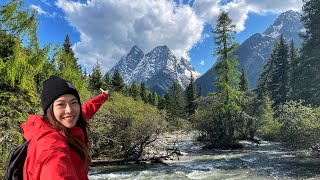
Mount Siguniang (Four Sisters Mountain) (四姑娘山) - Sìgūniáng Shān (Multi-day excursion from Chengdu)
Chengdu Happy Valley (成都欢乐谷) - Chéngdū Huānlègǔ
Huanglongxi Ancient Town (黄龙溪古镇) - Huánglóngxī Gǔzhèn
Sanxingdui Museum (三星堆博物馆) - Sānxīngduī Bówùguǎn
Dujiangyan Panda Base (都江堰熊猫基地) - Dūjiāngyàn Xióngmāo Jīdì
Chengdu Du Fu Thatched Cottage Museum (成都杜甫草堂博物馆) - Chéngdū Dùfǔ Cǎotáng Bówùguǎn
Chengdu Lixiang Park (成都荔香公园) - Chéngdū Lìxiāng Gōngyuán
Chengdu Yongling Mausoleum (成都永陵) - Chéngdū Yǒnglíng
Chengdu Aircraft Carrier Theme Park (成都航空母舰主题公园) - Chéngdū Hángkōng Mǔjiàn Zhǔtí Gōngyuán
Chengdu Happy Water World (成都欢乐水世界) - Chéngdū Huānlè Shuǐ Shìjiè
Chengdu Confucius Temple (成都文庙) - Chéngdū Wénmiào
Chengdu Huanglongxi Film and Television Base (成都黄龙溪影视基地) - Chéngdū Huánglóngxī Yǐngshì Jīdì
Chengdu Xiling Snow Mountain (成都西岭雪山) - Chéngdū Xīlǐng Xuěshān
Chengdu Sichuan Opera Theater (成都川剧院) - Chéngdū Chuānjù Yuàn
Chengdu Bonsai Garden (成都盆景园) - Chéngdū Pénjǐng Yuán
Chengdu Nanhu Dreamland (成都南湖梦幻岛) - Chéngdū Nánhú Mènghuàn Dǎo
Chengdu Dayi Strawberry Park (成都大邑草莓园) - Chéngdū Dàyì Cǎoméi Yuán
Chengdu Dinosaur Museum (成都恐龙博物馆) - Chéngdū Kǒnglóng Bówùguǎn
Enjoy exploring Chengdu's rich culture, delicious cuisine, and the adorable giant pandas!
|
|
With Travel with Fawn ...
Welcome to Mount Siguniang
Discover the majestic beauty and adventure of Mount Siguniang.
Introduction
Mount Siguniang, also known as Four Sisters Mountain, is a scenic mountain range located in Sichuan Province, China. It is renowned for its stunning peaks, diverse wildlife, and picturesque landscapes, making it a popular destination for hikers, climbers, and nature enthusiasts.
Location
Mount Siguniang is situated in Xiaojin County, Aba Tibetan and Qiang Autonomous Prefecture, Sichuan Province. It is approximately 220 kilometers west of Chengdu, the provincial capital.
History
Mount Siguniang has long been regarded as a sacred place by the local Tibetan and Qiang ethnic groups. The name "Siguniang" translates to "Four Sisters," referring to the four distinct peaks in the mountain range. Over the years, the area has become a significant site for both cultural heritage and ecological conservation.
Attractions
Four Peaks: The mountain range features four prominent peaks: DaFeng (Big Peak), ErFeng (Second Peak), SanFeng (Third Peak), and Yaomei Feng (Youngest Sister Peak), the highest being Yaomei Feng at 6,250 meters.
Shuangqiao Valley: Known for its beautiful forests, meadows, and streams, offering an accessible and scenic hiking experience.
Changping Valley: Famous for its dense forests, alpine meadows, and views of snow-capped peaks, ideal for trekking and photography.
Haizi Valley: Features glacial lakes, diverse flora, and stunning vistas, perfect for longer and more challenging hikes.
Bipenggou Nature Reserve: A neighboring reserve known for its pristine landscapes and biodiversity.
Activities
Hiking and Trekking
Mountain Climbing
Camping
Photography
Wildlife Watching
Cultural Tours
Facilities
Visitor Center
Restrooms
Accommodations (Hotels, Guesthouses)
Camping Sites
Food Stalls and Restaurants
Parking Lots
Guided Tour Services
Visitor Tips
Wear appropriate clothing and footwear for hiking and mountain conditions.
Bring sufficient water and snacks, especially for longer treks.
Check weather conditions and plan your visit accordingly.
Acclimatize to the altitude gradually to avoid altitude sickness.
Respect local customs and traditions, particularly when visiting Tibetan cultural sites.
Follow all park regulations and guidelines to preserve the natural environment.
|