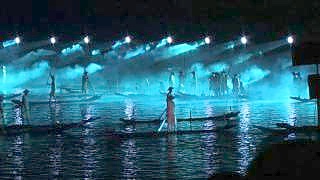
Scenes of ancient China – HongCun 宏村

Filmed in July 2013. With Sticker Travel.

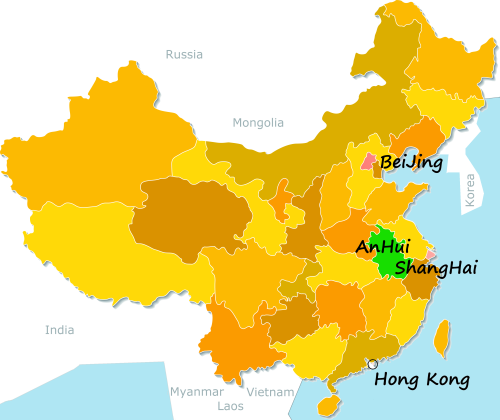
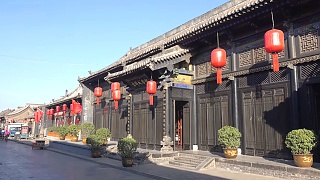
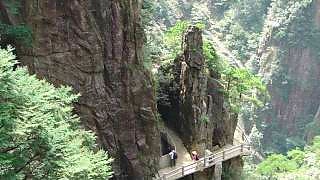
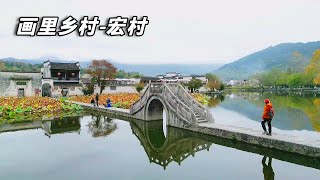
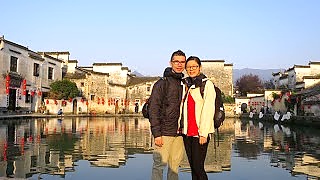
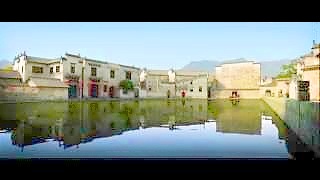
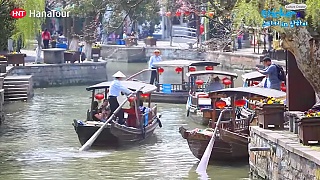
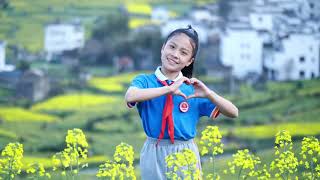
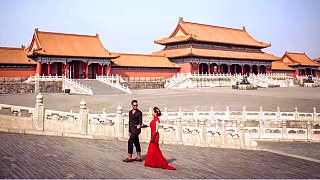
First film shows the village of HongCun in AnHui province. Scenes from the film 'Crouching Tiger, Hidden Dragon' were filmed in HongCun, which is close to the south slope of Mount HuangShan and a UNESCO World Heritage site.

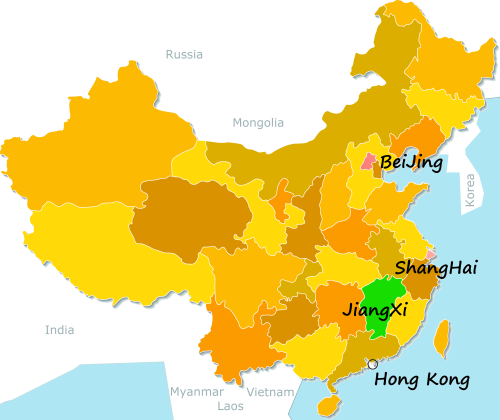
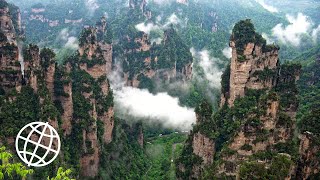
The second film shows some places from WuYuan County, JiangXi province, including LiKeng village. Many of the well-preserved structures here date back to the Tang Dynasty, around 700 AD.

[640],shadow=true,start=,stop=
[320],shadow=true,start=,stop=
AnHui map
JiangXi map
Related Videos


Featured Videos

Skyline BeiJing 北京
A most extraordinary journey
A very special world trip by an amazing Chinese family. Don't miss it ...
The Putuo ZongCheng Temple 普陀宗乘之庙 in ChengDe 成德
The Putuo ZongCheng Temple in ChengDe, HeBei province, is a Qing dynasty Buddhist temple. The complex was constructed between 1767 and 1771 during the reign of emperor QianLong (1735–1796). It is located just north of the ChengDe Mountain Resort. Along with the equally famed Puning Temple, it is one of the Eight Outer Temples of ChengDe (a UNESCO World Heritage Site). The temple was modeled after the Potala Palace in Tibet. The temple complex covers a surface area of some 220,000 square meters, making it one of the largest in China. The Mountain Resort in ChengDe 避暑山庄 (BìShǔ ShānZhuāng literally means "Mountain Villa for Avoiding the Heat") was an imperial get-away. Built between 1703 and 1792 during the Qing dynasty, the vast Mountain Resort covers a total area of 5.6 square kilometers (2.2 square miles) and is surrounded by a mini 'Great Wall', which one can walk. It contains a variety of gardens, pagodas, temples and palaces representing the styles from various regions of China.
LiZiQi – the life of a countryside girl : farming and cooking – don’t miss it !
With 李子柒 Liziqi ...
XinJiang and the Uighurs – fact and fiction
With The New Atlas ... Bonus film ...
Mandarin and other Chinese languages
Goose Spring, a paradise hidden deep in GuangXi province
With Beijing Old Liu ... Goose Spring (Equan) Visitor Guide - GuangXi Overview Goose Spring, also known as Equan, is a renowned scenic spot in GuangXi Province, China. Known for its crystal-clear waters, lush greenery, and serene environment, Goose Spring offers a perfect getaway for nature lovers and those seeking tranquility. Getting There Location: Bama Yao Autonomous County, HeChi City, GuangXi Province, China. Public Transport: By Bus: There are regular buses from HeChi City to Bama Yao Autonomous County. From there, local transportation options such as taxis can take you to Goose Spring. By Train: The nearest major railway station is in HeChi City. From the station, you can take a bus or taxi to the scenic area. Opening Hours Daily: 8:00 AM to 6:00 PM Tickets Entrance Fee: ¥60 Discounted Ticket (for children, students, and seniors): ¥30 Main Attractions Goose Spring offers several attractions for visitors to explore: Goose Spring (Equan): The main feature, this spring is known for its exceptionally clear water and beautiful surroundings. Equan Waterfall: A picturesque waterfall located near the spring, providing a stunning backdrop for photos. Scenic Walking Trails: Various trails around the spring offer opportunities for leisurely walks and enjoying the natural beauty. Lush Forests: The area is surrounded by dense forests, home to diverse flora and fauna. Observation Decks: Several decks offer panoramic views of the scenic area, perfect for photography and relaxation. Activities Visitors can engage in a variety of activities at Goose Spring: Hiking: Explore the trails that wind through the scenic area and enjoy the beautiful natural environment. Bird Watching: The area is home to many bird species, making it ideal for bird watchers. Photography: Capture the stunning landscapes and serene environment. Relaxing by the Spring: Spend time relaxing by the clear waters of the spring and soaking in the tranquility. Picnicking: There are designated areas for picnics, where visitors can enjoy a meal amidst nature. Dining and Refreshments Several small restaurants and snack stalls are available around Goose Spring, offering local GuangXi cuisine and refreshments. It's also a good idea to bring your own snacks and water. Visitor Tips Best Time to Visit: Spring and autumn are the best times to visit due to the pleasant weather and beautiful scenery. Summer can be hot, and winter can be cold. Wear Comfortable Shoes: The scenic area has many trails, so comfortable walking shoes are recommended. Stay Hydrated: Bring plenty of water, especially if you plan on hiking. Prepare for Weather: Bring a raincoat or umbrella during the rainy season, and dress in layers for temperature changes. Respect Nature: Follow park rules, stay on designated paths, and do not disturb the wildlife. Nearby Attractions Baimo Cave: A fascinating karst cave with unique rock formations and underground rivers, located in Bama Yao Autonomous County. Baimang River: A beautiful river known for its clear waters and picturesque surroundings, ideal for boating and sightseeing. Longevity Village: A village famous for the longevity of its residents, offering insights into local culture and lifestyle. Conclusion Goose Spring (Equan) in GuangXi is a tranquil and beautiful destination that offers a mix of natural beauty, serene environment, and cultural experiences. Whether you're a nature enthusiast, hiker, or simply looking for a peaceful retreat, Goose Spring provides an unforgettable experience.
Planning war on China – part 37 – Don’t miss it !!
With The New Atlas - Inflection - Brian Berletic and Angelo Giuliano ... Bonus film - with Mark Sleboda - don't miss this either ...
WuHan city, capital of HuBei province – night and day
With China Walking Tour ... Welcome to WuHan, China Introduction History of WuHan Top Attractions Local Culture Local Cuisine Visitor Tips WuHan in Modern History Introduction WuHan, the capital city of HuBei province, is located at the confluence of the Yangtze and Han rivers in central China. Known as the "Thoroughfare of Nine Provinces," WuHan has long been a major transportation hub, serving as a gateway between northern and southern China. With a rich history that spans over 3,500 years, WuHan is a city of contrasts, blending ancient traditions with modern advancements. The city is composed of three historic towns: Wuchang, Hankou, and Hanyang, which were merged in 1927 to form modern WuHan. Today, it is a bustling metropolis with a vibrant economy, cultural heritage, and a thriving arts scene. History of WuHan WuHan's history dates back to ancient times, with its origins in the Spring and Autumn Period (770-476 BC). The city's strategic location along the Yangtze River made it an important center for trade and military defense. Wuchang, Hankou, and Hanyang each developed unique characteristics over the centuries, contributing to the diverse cultural landscape of the region. During the Qing Dynasty, WuHan became one of the four most famous towns in China, known for its bustling commercial activities. The city played a significant role in the 1911 Revolution, which led to the fall of the Qing Dynasty and the establishment of the Republic of China. In the 20th century, WuHan continued to grow as a major industrial and educational center. It was also the site of several key events in modern Chinese history, including the WuHan Uprising and the WuHan Incident. Top Attractions in WuHan Yellow Crane Tower The Yellow Crane Tower is one of the most famous landmarks in WuHan. Originally built in 223 AD during the Three Kingdoms period, the tower has been destroyed and rebuilt several times throughout history. The current structure, completed in 1985, stands as a symbol of WuHan's rich cultural heritage. Visitors can enjoy panoramic views of the Yangtze River and the city from the top of the tower. East Lake (Donghu) East Lake is the largest urban lake in China, offering a tranquil escape from the bustling city. The lake is surrounded by scenic parks, gardens, and walking trails. Key attractions around the lake include the Mo Hill Scenic Area, the Chu Culture Museum, and the WuHan Botanical Garden. The lake is particularly beautiful in spring when the cherry blossoms are in full bloom. WuHan University WuHan University is renowned for its beautiful campus, especially during the cherry blossom season in late March and early April. The university's historic buildings, lush gardens, and peaceful atmosphere make it a popular destination for both tourists and locals. It is also one of China's top universities, with a rich academic tradition. GuiYuan Temple GuiYuan Temple is a famous Buddhist temple in WuHan, known for its exquisite architecture and serene ambiance. Founded in the 17th century, the temple is home to a large collection of Buddhist scriptures and statues. The temple’s Five Hundred Arhats Hall is particularly noteworthy, featuring life-sized statues of 500 arhats (enlightened disciples of Buddha) in various poses. Hubei Provincial Museum The Hubei Provincial Museum is one of China's leading museums, offering a comprehensive look at the region's history and culture. The museum's most famous exhibit is the Marquis Yi of Zeng's tomb, which includes the remarkable bronze chime bells. The museum also features artifacts from the Chu culture, ancient jade carvings, and traditional musical instruments. Local Culture WuHan is a city with a rich cultural heritage, shaped by its long history and diverse population. The city is a melting pot of different cultures, blending traditional Chinese customs with influences from other regions and ethnic groups. One of the most notable cultural aspects of WuHan is its connection to Chu culture, an ancient civilization that thrived in the region over 2,000 years ago. The Chu culture is known for its distinctive art, music, and religious practices, many of which are preserved in WuHan's museums and cultural institutions. WuHan is also known for its vibrant arts scene, with numerous theaters, galleries, and cultural events taking place throughout the year. The WuHan International Acrobatic Art Festival and the WuHan Yangtze River Piano Music Festival are just a few examples of the city's cultural offerings. Local Cuisine WuHan's cuisine is a reflection of its geographical location and cultural diversity. The city is known for its hearty and flavorful dishes, which often feature freshwater fish, rice, and a variety of spices. Some must-try dishes include: Re Gan Mian (Hot Dry Noodles): A signature dish of WuHan, Re Gan Mian is a breakfast staple made from wheat noodles tossed in a sesame paste, soy sauce, and chili oil. It is typically garnished with pickled vegetables, garlic, and green onions. Doupi: A traditional snack made from sticky rice, minced pork, and yellow soybeans, wrapped in a thin tofu skin and pan-fried until crispy. Steamed Wuchang Fish: A famous dish from the Yangtze River, Wuchang fish is steamed with ginger, garlic, and soy sauce, and served with a drizzle of hot oil. San Zhi Er: A local delicacy made from pig's feet, duck's feet, and chicken feet, braised in a rich, savory sauce until tender. Lotus Root Soup: A popular dish in WuHan, this soup is made with lotus root, spare ribs, and goji berries, creating a nutritious and flavorful broth. Street food is also an integral part of WuHan’s culinary scene, with night markets offering a wide range of snacks and local specialties. Don't miss the chance to sample WuHan’s street food, such as grilled skewers, fried dumplings, and stinky tofu. Visitor Tips Best Time to Visit: The best time to visit WuHan is during the spring (March to May) and autumn (September to November) when the weather is mild and pleasant. These seasons also coincide with the blooming of cherry blossoms and the changing of autumn leaves. Getting There: WuHan is a major transportation hub, with direct flights to major cities around the world. WuHan TianHe International Airport is the main gateway to the city. WuHan is also well-connected by China's high-speed rail network, with trains to and from Beijing, Shanghai, Guangzhou, and other major cities. Public Transportation: WuHan has an extensive public transportation system, including buses, taxis, and a growing metro network. The metro is the most convenient way to get around the city, with signs and announcements in both Chinese and English. Language: While Mandarin is the official language, the local dialect, WuHanese, is widely spoken. English is not commonly spoken, so it's advisable to have a translation app or basic Mandarin phrases ready. Respect Local Customs: When visiting religious sites, such as temples, dress modestly, and be respectful of local customs. Always ask for permission before taking photos of people, especially in traditional settings. WuHan in Modern History WuHan has played a pivotal role in China's modern history, particularly during the 20th century. The city was the starting point of the 1911 Revolution, also known as the Xinhai Revolution, which led to the overthrow of the Qing Dynasty and the establishment of the Republic of China. The Wuchang Uprising, which took place on October 10, 1911, is considered the beginning of this revolution, and WuHan is often referred to as the 'Cradle of the Revolution.'

Tag search ?