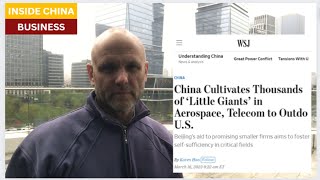
China’s economic rise through planned industrial policy

China's industrial output is #1 and greater than the next nine countries combined. The US's military spending is #1 and greater than the next nine countries combined.

To the 'past' colonial powers of the West, China was supposed to remain just their factory to power their hegemony, not become a peer. Hence the anti-China 'threat'.

With Ben Norton ...

[640],shadow=true,start=,stop=


Related Videos


Featured Videos

Seasonal lights and New Year countdown in BeiJing 北京
The first film features WangFuJing, XiDan and the Solana Center in ChaoYang Park. The second film shows the New Year countdown celebrations at The Place, which features the world's largest overhead LED display.
Spring Festival traditional music excerpt
Traditional Chinese instruments, plus ballet from Ukraine. Beautiful ...
GuangZhou’s new BaiYun high speed rail station
With Rafa Goes Around! ...
DeepSeek – China’s revolutionary AI – and it is open-source !
In just two months, and at a tiny fraction of the cost. With AI Search ... With East West Investment Opportunities ... With Wes Roth ... Ms. Luo FuLi -罗福莉-, a 29 year-old computer sciences engineer, is the project chief of the DeepSeek V3 Project. She was born and raised in a rural area in the SiChuan province, she had graduated from the University of BeiJing (北大) and worked in Alibaba, and another firm before joining DeepSeek, an IT firm based in HangZhou. Recently, it is rumored that Xiaomi ‘s founder has been trying to hire her. She has become overnight a social sensation in the internet and labeled as the “AI - Talent & Young Woman of China”.
FengHuang ancient water town, HuNan province – visitor guide
With China Walking Tour ... FengHuang Ancient Water Town Visitor Guide Fenghuang Ancient Town, located in western Hunan Province, is one of China's most well-preserved ancient towns, known for its picturesque riverside setting, traditional wooden houses, and rich cultural heritage. This guide will help you explore the town’s unique charm and provide practical information to ensure a memorable visit. Overview of Fenghuang Ancient Town History & Culture: Fenghuang, meaning "Phoenix," was built in the Ming Dynasty (around 1704) and is a stunning example of traditional Chinese architecture and riverside living. The town is home to the Miao and Tujia ethnic minorities, whose distinct customs, folk art, and architecture add a rich cultural layer to the town's charm. Strolling along the banks of the Tuojiang River, you’ll be surrounded by ancient stilted houses (diaojiaolou), stone-paved streets, and peaceful bridges that seem frozen in time. Why Visit: With its well-preserved historical architecture, vibrant local culture, and scenic river views, Fenghuang is a must-visit destination for those interested in Chinese history, culture, and photography. Visitors can enjoy riverboat rides, explore narrow alleyways, and visit local shops selling traditional crafts. Key Attractions in Fenghuang Tuojiang River The lifeblood of Fenghuang, the Tuojiang River runs through the heart of the town. Stroll along its banks, take a boat ride, or photograph the iconic wooden houses perched on stilts over the water. The river comes alive at night, with beautifully illuminated buildings reflecting on the water. Diaojiaolou (Stilt Houses) The stilted wooden houses that line the Tuojiang River are some of Fenghuang's most recognizable architectural features. These traditional houses, built by the Miao people, offer a glimpse into the area's ancient construction techniques and local way of life. Many of these houses are now home to cafes, guesthouses, and shops. Hongqiao Wind and Rain Bridge One of the most famous landmarks in Fenghuang, the Hongqiao Bridge is a beautiful covered bridge with traditional Chinese architecture. It serves as both a pedestrian passage and a scenic spot for photographs. Inside, the bridge hosts shops selling local crafts and snacks. East Gate Tower The East Gate Tower (Dongmen Tower) was originally built as part of the town's fortifications during the Ming Dynasty. This well-preserved tower offers great views of the ancient town and the river. A walk through the gates is a step back into the town’s historical past. Miao Ethnic Museum This museum provides an in-depth look at the culture, history, and lifestyle of the Miao ethnic group, which is native to the Fenghuang area. It is an excellent stop for those interested in learning more about the rich cultural traditions of the region, including their festivals, clothing, and traditional crafts. Travel Tip: While the daytime charm of Fenghuang is undeniable, the town is especially magical at night, when the lights illuminate the riverside buildings and bridges, creating a serene atmosphere for evening strolls. Practical Travel Information for Fenghuang When to Visit The best time to visit Fenghuang Ancient Town is during the spring (April-May) and autumn (September-October) seasons, when the weather is pleasant, and the crowds are more manageable. Summer can be hot and humid, while winter, though quieter, can be quite cold, especially in the mornings and evenings. Getting to Fenghuang By Air: The nearest airport is Tongren Fenghuang Airport, which is about 30 kilometers from the town. From the airport, travelers can take a bus or taxi to reach Fenghuang. Alternatively, visitors can fly into Zhangjiajie or Changsha and take a bus or train to the town, though this will involve a longer journey. By Train: Fenghuang does not have a train station, but the nearest train station is Jishou Railway Station, about 50 kilometers away. From there, travelers can take a bus or taxi to Fenghuang, which takes about an hour. By Bus: Regular buses run from nearby cities such as Zhangjiajie, Jishou, and Changsha. The bus journey from Zhangjiajie to Fenghuang takes approximately 4 hours, while it is around 6 hours from Changsha. Accommodation Fenghuang offers a wide range of accommodation options, from budget guesthouses to boutique hotels. Many of the traditional stilt houses along the river have been converted into guesthouses, offering a unique stay with scenic river views. For those seeking more comfort, hotels in the town center provide modern amenities. It’s recommended to book in advance during peak travel seasons. Cultural Sensitivity As Fenghuang is home to ethnic minorities such as the Miao and Tujia, visitors should be mindful of local customs. When visiting minority villages or interacting with locals, it's important to respect their traditions and dress modestly. Always ask for permission before taking photographs of local people, especially in more rural areas. Language Mandarin is the official language, but many locals also speak the Miao language. English is not widely spoken, so it's useful to have a translation app or learn a few basic Mandarin phrases to make communication easier. Local Cuisine Fenghuang’s cuisine reflects the flavors of Hunan Province, known for its spicy dishes. Be sure to try the local specialties, such as sour fish soup (suantang yu), Miao-style grilled fish, and pickled vegetables. There are also numerous street food vendors offering local snacks like glutinous rice cakes and fried tofu. Travel Tip: Fenghuang can be quite crowded during Chinese public holidays, especially the National Day Golden Week in October. Plan your visit outside these peak periods for a more peaceful experience. Suggested Itinerary for Exploring Fenghuang Day 1: Arrive in Fenghuang, check in to your riverside guesthouse, and take an evening stroll along the Tuojiang River to enjoy the illuminated scenery. Day 2: Visit the Hongqiao Wind and Rain Bridge, explore the East Gate Tower, and take a riverboat ride along the Tuojiang River. In the afternoon, wander through the ancient alleyways and visit the Miao Ethnic Museum. Day 3: Explore the surrounding countryside by visiting nearby Miao or Tujia villages, where you can learn more about their traditional crafts and culture. Return to Fenghuang in the evening for dinner and a relaxed evening by the river.
Planning war on China – part 12
An example of how the western MSM (main stream media) tries to convince you of their lies (hate). The real aim is to destroy the Chinese economy. In reality, it is the viewers who are being coerced / exploited. Mind control is controlling what one 'knows'. Demonisation of the 'other' is the first act of war. All about hegemony - colonialism rebranded as 'freedom and democracy'. With Daniel Dumbrill and Brian Berletic, dissecting what you are supposed to believe ... Because truth is sacred. Ben Norton of the Moderate Rebels on Intersectional Imperialism ...
Halloween in downtown ShangHai
With Wei's Travel ...
WangXian valley, GuiZhou province
With Beautiful China ... WangXian Valley visitor guide Overview WangXian Valley, located in GuiZhou province, is a breathtaking natural landscape known for its dramatic cliffs, lush greenery, and serene waters. The valley offers a tranquil retreat from the hustle and bustle of city life and is a perfect destination for nature lovers and adventure seekers. History WangXian Valley has a rich history and is steeped in local legends and folklore. The name "WangXian" translates to "Watching the Immortals," a reference to the mythical tales of immortals residing in the valley. The area has long been revered for its natural beauty and spiritual significance. Main Attractions Immortal Watching Rock Immortal Watching Rock is one of the most iconic features of WangXian Valley. This massive rock formation offers panoramic views of the valley and is a popular spot for photography. The rock is also associated with local legends of immortals who were said to have meditated here. WangXian Waterfall WangXian Waterfall is a stunning cascade that plunges into a crystal-clear pool below. The waterfall is surrounded by lush vegetation and offers a serene and picturesque setting. Visitors can enjoy the soothing sound of the water and the refreshing mist in the air. Scenic Hiking Trails The valley features several scenic hiking trails that wind through dense forests, along rocky cliffs, and past tranquil streams. These trails vary in difficulty and offer something for hikers of all levels. Along the way, hikers can encounter diverse flora and fauna and enjoy breathtaking views of the valley. Local Villages WangXian Valley is home to several traditional villages where visitors can experience the local culture and hospitality. These villages offer a glimpse into the traditional lifestyle of the local ethnic communities, with their unique architecture, customs, and festivals. Culture and Traditions WangXian Valley is rich in cultural heritage and is inhabited by various ethnic groups, each with its own traditions and customs. Visitors can witness traditional dances, music, and crafts that reflect the cultural diversity of the region. The valley also hosts several festivals throughout the year that celebrate local traditions and beliefs. Activities and Experiences Hiking and Nature Walks Explore the natural beauty of WangXian Valley by embarking on one of the many hiking and nature trails. These trails offer a chance to connect with nature, enjoy panoramic views, and discover hidden gems along the way. Photography The valley is a paradise for photographers, with its stunning landscapes, vibrant flora, and serene waters. Whether you're a professional photographer or an amateur enthusiast, you'll find plenty of opportunities to capture the natural beauty of WangXian Valley. Cultural Tours Join a guided cultural tour to learn more about the local traditions, history, and lifestyle of the ethnic communities in the area. These tours provide valuable insights and a deeper understanding of the cultural heritage of WangXian Valley. Camping For those who love the outdoors, camping in WangXian Valley is an unforgettable experience. There are several designated camping areas where visitors can set up tents and enjoy the tranquility of nature under the starry sky. Accommodation WangXian Valley offers a range of accommodation options to suit different preferences and budgets. Visitors can choose from luxury resorts, cozy guesthouses, and traditional homestays. Staying in a local guesthouse or homestay provides an authentic experience and a chance to interact with the local community. Travel Tips Best Time to Visit: The best time to visit WangXian Valley is during spring (March to May) and autumn (September to November) when the weather is mild and the scenery is at its most beautiful. Getting There: WangXian Valley is accessible by bus or car from GuiZhou's major cities. The nearest airport is GuiYang LongDongBao International Airport, which offers connections to various domestic and international destinations. Opening Hours: The scenic area is open daily from 8:00 AM to 5:00 PM. Entrance Fees: There is an entrance fee for the scenic area, with additional fees for specific attractions and activities. It is advisable to check the latest fees before planning your visit. Dress Comfortably: Wear comfortable clothing and sturdy walking shoes, as the terrain can be uneven and the weather can change quickly. Respect Local Customs: Be respectful of local customs and traditions, especially when visiting villages and cultural sites. Always ask for permission before taking photos of people. Stay Hydrated: Carry plenty of water, especially if you plan on hiking or spending extended periods outdoors. It's also a good idea to bring snacks or a packed lunch for longer excursions.
HuangShan 黃山 (Yellow Mountain), AnHui province

Tag search ?