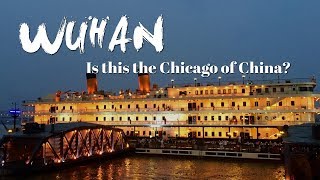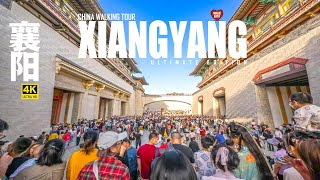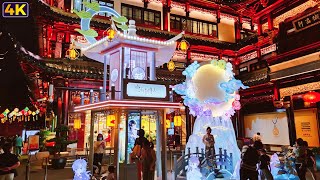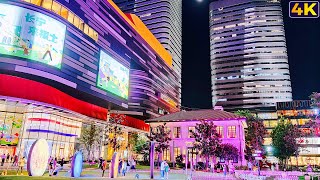
WuHan city night drive, HuBei province

With Walk East ...

[640],shadow=true,start=,stop=

Wuhan, the capital city of Hubei Province in central China, is a vibrant and dynamic metropolis with a rich history, cultural heritage, and modern amenities. Situated at the confluence of the Yangtze and Han rivers, Wuhan is known as the River City and serves as a major transportation hub and economic center in China. Here's a guide to Wuhan for visitors:

Historical and Cultural Attractions:
Yellow Crane Tower (Huanghelou): This iconic landmark, dating back over 1,700 years, offers panoramic views of Wuhan and the Yangtze River. It's a symbol of the city's rich cultural heritage and is surrounded by lush gardens and scenic vistas.

Guiyuan Temple: Explore this ancient Buddhist temple, renowned for its intricate architecture, serene gardens, and impressive collection of Buddhist scriptures and artifacts.

Hubei Provincial Museum: Delve into the history and culture of Hubei Province at this world-class museum, which houses a vast collection of artifacts, including ancient artifacts from the Warring States period and exquisite bronze bells from the Spring and Autumn period.

East Lake (Donghu): Escape the urban hustle and bustle with a visit to East Lake, the largest urban lake in China. Explore its scenic walking paths, tranquil pavilions, and picturesque landscapes.

Wuhan University: Stroll through the picturesque campus of Wuhan University, one of China's most prestigious universities, known for its beautiful gardens, historic buildings, and academic excellence.

Modern Landmarks:
Yangtze River Bridge: Visit the first bridge to span the Yangtze River, a symbol of Wuhan's engineering prowess and economic significance. The bridge offers stunning views of the river and the city skyline.

Han Street (Hanjie): Explore this vibrant pedestrian street, lined with shops, restaurants, and entertainment venues. Han Street is a popular destination for shopping, dining, and nightlife, with a lively atmosphere day and night.

Culinary Delights:
Hot Dry Noodles (Re-gan Mian): Sample Wuhan's most famous dish, hot dry noodles, a simple yet delicious noodle dish served with sesame paste, chili oil, and other seasonings.

Wuhan Soup Dumplings (Jiaozi): Indulge in these savory soup dumplings, filled with flavorful broth and meat or vegetable fillings. They're a popular street food snack and can be found at markets and food stalls throughout the city.

Practical Information:
Transportation: Getting around Wuhan is convenient, with an extensive public transportation system that includes buses, the Wuhan Metro, and ferries across the Yangtze River.

Accommodation: Wuhan offers a wide range of accommodation options, from luxury hotels to budget-friendly hostels, catering to different preferences and budgets.

Language: Mandarin Chinese is the official language, but some locals may speak English, especially in tourist areas.

Safety: Wuhan is generally safe for travelers, but it's always wise to take standard precautions regarding personal belongings and travel safety.

Unique Experiences:
Cherry Blossom Festival: Visit Wuhan in spring to witness the breathtaking cherry blossoms in full bloom at Wuhan University and other scenic spots around the city.

Yangtze River Cruise: Embark on a cruise along the mighty Yangtze River, passing through picturesque landscapes, historic towns, and the famous Three Gorges.

Wuhan offers visitors a fascinating blend of history, culture, and modernity, with a diverse array of attractions, culinary delights, and unique experiences waiting to be discovered. Whether exploring ancient landmarks, strolling along scenic riverbanks, or savoring local cuisine, visitors to Wuhan are sure to be captivated by the city's charm and vitality.
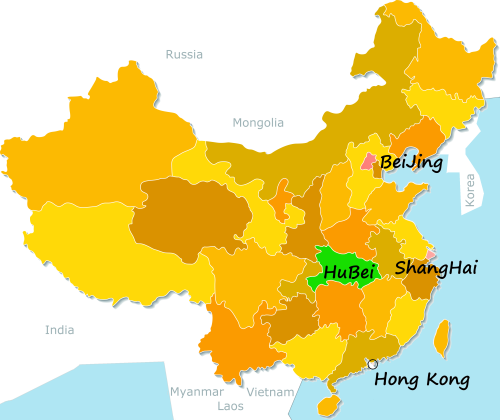
HuBei map

Related Videos


Featured Videos

BeiJing in autumn : MuTianYu Great Wall of China
The Luo Hong Swan photography art museum in BeiJing
With Beijing Old Liu ...
Yuan DaDu City Wall Park, BeiJing
With MisterVaughn ... Welcome to Yuan Dadu City Wall Park Discover the ancient walls of Beijing About Yuan Dadu City Wall Park Yuan Dadu City Wall Park is a historical park located in the northern part of Beijing, encompassing the remnants of the city walls from the Yuan Dynasty (1271-1368). The park preserves a section of the ancient city walls and provides visitors with a glimpse into the rich history of Beijing. The park stretches for several kilometers and is a popular spot for both locals and tourists to relax, exercise, and learn about the city's past. Main Attractions Ancient City Walls The park features well-preserved sections of the ancient Yuan Dynasty city walls. These walls, originally built to protect the capital, now stand as a testament to the architectural prowess and historical significance of the Yuan Dynasty. City Wall Relics Museum Located within the park, the City Wall Relics Museum offers an in-depth look at the history of the Yuan Dadu city walls. The museum displays artifacts, historical documents, and detailed models of the ancient city. Scenic Walkways The park features beautifully landscaped walkways that run alongside the ancient walls. These walkways are perfect for leisurely strolls and provide visitors with picturesque views of the park's greenery and historical structures. Peony Garden The Peony Garden, located in the park, is a must-visit during the blooming season in spring. The garden showcases a stunning variety of peonies and is a popular spot for photography and relaxation. Activities Morning Exercises Yuan Dadu City Wall Park is a popular spot for locals to perform morning exercises such as tai chi, dancing, and jogging. Visitors can join in or simply enjoy watching these traditional Chinese activities. Photography The park offers excellent opportunities for photography, especially around the ancient city walls and gardens. Capture the historical essence and natural beauty of the park in your photos. Seasonal Festivals Yuan Dadu City Wall Park hosts various cultural events and festivals throughout the year, such as the Peony Festival in spring and traditional Chinese cultural performances. These events provide a deeper understanding of the local culture and history. Transport Yuan Dadu City Wall Park is easily accessible from various parts of Beijing. Here are some ways to get there: By Subway: Take Line 10 to Jiandemen Station, then walk north for about 10 minutes to reach the park. By Bus: Multiple bus routes stop near Yuan Dadu City Wall Park, including routes 27, 55, and 305. Get off at the Dadu Ruins Park stop. By Taxi: Taxis are a convenient option, especially if you are traveling with a group or have heavy luggage. Just ask the driver to take you to Yuan Dadu City Wall Park (元大都城垣遗址公园).
Dong Dong Dong – JoySide (music)
Indie rock band from BeiJing, 2016. This song featured in our recent MiuMiu GuitarGirl videos post. Many have asked about the band and the song - so here is the original video I gave you real love But you want more A music gem ...
XiangShan 香山 / Fragrant Hills Park, plus Prince Gong’s Mansion 恭王府, BeiJing
Bonus film - CITIC Tower ...
XinJiang – the real truth …
With Angelo Giuliano and Brian Berletic. They also discuss China's infrastructure and the development of XinJiang, Tibet, etc. ... In depth ... The West likes to trumpet 'individualism' - but is this really for the elite to divide the people, an excuse for the lack of infrastructure, and that if one is poor, it is your fault ? Compared to China's development and poverty alleviation, what has the West achieved over recent decades ? There are around 200,000 Chinese students in UK alone. China has 120 million outbound overseas tourists each year. There are 850,000 expats living and working in China. XiaoMi sells more smart phones than Apple. Etc. - Reality versus fake news. As for Western MSM, the more ridiculous the bias, the more obvious it becomes. In China, the people are family; in the West, the people are merely livestock.
The Temple of Heaven 天坛, BeiJing – video
Beautiful HangZhou 杭州
HangZhou lies 180 kilometers south west of ShangHai in the YangTse River Delta and is the capital of ZheJiang province. With abundant natural scenery, including the famous West Lake, HangZhou has been a popular city for over 2,000 years when it was founded during the Qin dynasty. It is listed as one of the seven great ancient capitals of China. The West Lake covers 6 square km and is surrounded by historical sites and scenic areas. HangZhou lies at the southern end of the Grand Canal of China, with a length of nearly 1,800 km; at the northern end lies BeiJing. It was completed around 600 AD during the Sui dynasty. The longest man-made canal in the world, by far, it is a fine example of China's achievements, which include invention of the canal lock (Song dynasty; 10th century). HangZhou is also noted for tea, silk, umbrellas and fans.
Bamboo basket weaving 传统竹编提篮
Awesome traditional craft skills; beautiful. With XiaoXi's Culinary Idyll 我们的小喜 ...

Tag search ?