Beautiful WuYuan, JiangXi province

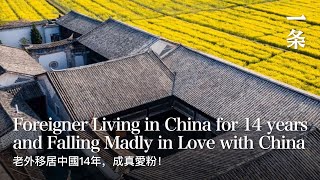
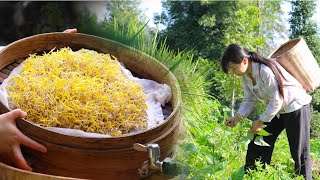
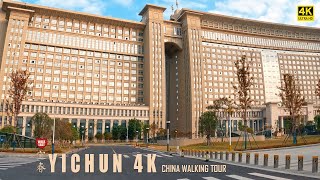
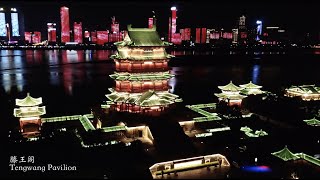
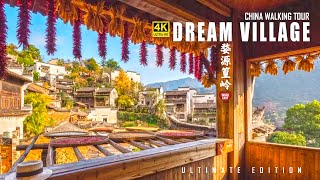
WuYuan, known as the "most beautiful countryside in China", with at least 50 old villages, is located in the northeast of JiangXi province, and near Mount HuangShan and JingDeZhen.

With Walk East ...

[640],shadow=true,start=,stop=

Max (Walk East) :

Wuyuan is home to a few of the well-preserved ancient architecture in China. Each of those ancient structures has a unique appearance as well as structure.

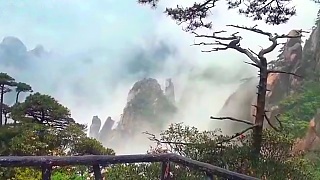
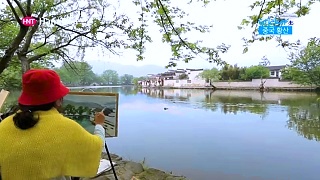
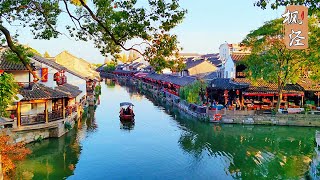
They emerge from among the emerald green mountains and trees, clear rivers along with the crisscrossing paths between the fields.

Those structures were built in 740 during the Tang Dynasty; its remoteness and inconvenient transportation protecting its villages' beauty from a large amount of tourists.

Local people there can enjoy the pure, clean brooks, seemingly delicate wooden buildings, unique bridges as well as the tranquil lifestyle, etc...

This village has turned into a ecological, cultural as well as tourist demonstration center of China. The ancient Architectural complexes,caves, blue water, trees as well as rural sceneries; all these form a typical Chinese countryside scene

Wuyuan has become a well known town in the world features in famous Huizhou local culture as well as charming idyllic scenery.

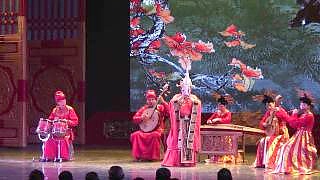
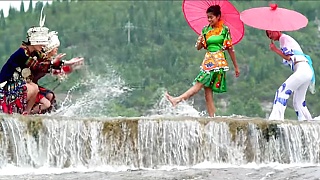
Beijing Opera, Hui Opera, the Luo Dance known as the "Dance Live Fossil" as well as the charming tea performance, all these make Wuyuan fascinating tourism destination.

【Likeng Village】

Likeng Village is a cluster of houses constructed along a brook. It is said to be the most scenically beautiful village in the town.

The brook is two to three meters wide spanned at different points by makeshift bridges. A rolling stream through the village lived by 260 peasant households along with ancient buildings with its pink walls, black tiles as well as beautiful girls who are washing laundry reflecting from the stream look like a natural scenery.

【Visit Local Ancient Village in Hui-style】

Wuyuan is the birthplace of the Huizhou culture. Villages around are must go, and you will be attracted by the quiet and simple countryside life there.

noticeable Huizhou-style architecture can be found in these old villages, such as, arches, stone tablets, stone bridges, ancient stages, etc.

Wuyuan is a county in northeastern Jiangxi province. It is renowned for its beautiful countryside and well-preserved ancient Huizhou villages and architecture. Many of the buildings and villages date from the Tang dynasty and have been protected by the county’s remoteness and relatively inconvenient transportation.

Highlights and Travel Tips
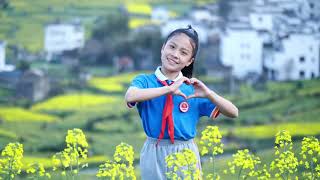
The area is famous for the fields of yellow rapeseed flowers that surround the villages in March and April, which are among the most beautiful in China and will delight photographers. One of the best places to see the flowers is hills surrounding the village of Jiangling.

Popular villages and sights around the county include Likeng Village, Mount Dazhang (a beautiful area filled with soaring mountains and crashing waterfalls that is as yet undiscovered by tourism), Rainbow Bridge (a covered bridge), and Jiangling Village.
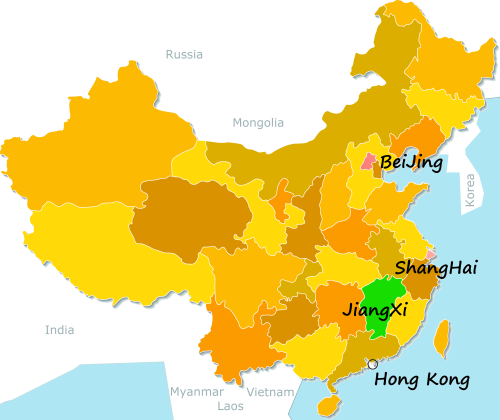
JiangXi map

Related Videos


Featured Videos

Mega Machines – China’s infrastructure building capabilities
Beautiful DaLi 大理, YunNan province
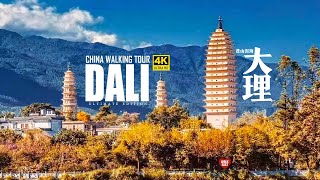
Picturesque DaLi is located in YunNan province, south China, about 300 kilometers (185 miles) northwest of the provincial capital, KunMing. DaLi is surrounded by the CangShan mountains to the east, west and south, with ErHai Lake to the north. In this part of YunNan one can find 25 ethnic minorities (primarily the Bai people), which has created a unique cultural heritage bringing a charm to everyday life and a wide range of festivities. Famous attractions include the Butterfly Spring and the Three Pagodas of ChongSheng Temple. DaLi is also known for its highly prized marble, known as DaLi Stone. The old town is quite separate from the new city (called XiaGuan) and many buildings here, including the city walls and moat, date from the Ming dynasty (1368-1644). DaLi is a 20 minute flight from KunMing (75 minutes from ChengDu and ChongQing). There are also flights to ShangHai, BeiJing, ShenZhen, GuangZhou and GuiYuan. By rail, DaLi is connected to KunMing and LiJiang. 风景如画的大理位于云南省南部中国,约300公里的省会,昆明西北(185哩)。 大理是由苍山群山环绕,东,西,南,与洱海北部。在这部分云南人能找到25个少数民族(主要是白族人),这创造了一个独特的文化底蕴带来的魅力,日常生活和各种庆祝活动。 著名景点包括蝴蝶泉和崇圣寺三塔。大理也以其如获至宝大理石,被称为大理石。 老城区,距离新城区(称为下关)和许多建筑在这里,包括城墙和护城河,日期从明朝(1368-1644)完全分离。 大理距离昆明有20分钟的飞行(从成都和重庆75分钟)。也有航班到​​上海,北京,深圳,广州和桂圆。通过铁路,大理连接昆明和丽江。
YangShuo 阳朔 – ‘my kind of adventure’
GuangXi province ...
Something different – minimalism (less is more)
With Einzelgänger ... Bonus film - Erich Fromm on 'To Have or To Be' ...
10 years in China – how is it ?
Bonus films ...
The awesome BeiHai Park 北海公园 in BeiJing
With MisterVaughn ... With ABingYOLO ... With Downtown China ... Welcome to BeiHai Park Explore the historical and cultural wonders of BeiHai Park in Beijing. Introduction Beihai Park is one of the oldest, largest, and best-preserved ancient imperial gardens in China. It is located in the heart of Beijing and offers visitors a beautiful blend of traditional Chinese architecture, gardens, and waterways. Location Beihai Park is situated in the Xicheng District of central Beijing, just north of the Forbidden City. History Beihai Park has a history of over 1,000 years, dating back to the Liao Dynasty. It was extensively renovated and expanded during the Jin, Yuan, Ming, and Qing dynasties, with significant contributions from Emperor Kublai Khan of the Yuan Dynasty. The park has served as an imperial garden and a place of worship for several Chinese dynasties. Attractions White Dagoba: An iconic white stupa located on Qionghua Island, built in 1651 to honor the visit of the 5th Dalai Lama to Beijing. Qionghua Island: The central island of Beihai Park, featuring beautiful pavilions, halls, and scenic views. Nine-Dragon Screen: A 27-meter-long, 6.65-meter-high glazed-tile wall depicting nine vivid dragons playing in the clouds, built in 1756. Five-Dragon Pavilions: A group of five connected pavilions overlooking the lake, perfect for relaxing and enjoying the scenery. Jade Flowery Islet: An islet with lush vegetation, bridges, and historical buildings, including the Hall of the Heavenly King. Yong'an Temple: A Buddhist temple on Qionghua Island, featuring stunning architecture and peaceful gardens. Round City: A small city within Beihai Park, surrounded by high walls and featuring the Chengguang Hall, which houses a large jade Buddha statue. Eastern Shore Area: Includes attractions like the Hao Pu Creek Garden and the Iron Screen Wall. Western Shore Area: Features the Pavilion of One Thousand Buddhas and the Garden of Tranquil Heart. Jingxin Studio Western Heaven Temple Fangshan Restaurant Activities Boating on Beihai Lake Strolling through the gardens Photography Visiting historical and cultural sites Enjoying traditional Chinese performances Participating in seasonal festivals and events Facilities Visitor Center Restrooms Gift Shops Cafes and Restaurants Parking Lots Boat Rental Services Guided Tour Services Visitor Tips Wear comfortable walking shoes. Bring water and snacks, especially if you plan to stay for several hours. Visit early in the morning or late in the afternoon to avoid crowds. Check the weather forecast and dress appropriately. Respect the cultural and historical significance of the site; behave appropriately and follow all rules and guidelines. Take advantage of the boat rental services to explore Beihai Lake from a unique perspective.
The beautiful HuangLong 黄龍 Scenic Area
A UNESCO World Heritage Site. HuangLong Scenic Area lies in SiChuan province, about 150km north west from the provincial capital ChengDu. It is famed for its colorful pools formed by mineral deposits, and there are also rich forests full of wildlife, including the Giant Panda, snow-capped peaks, waterfalls and hot springs.
Acrobatics show in BeiJing 北京
Some scenes from the performance ...
Blue sky BeiJing 北京
[May 15th 2017] Heat-wave ahead ! Summer is hotting up in BeiJing this week - into the high 30s C (90s F in old money). Keep cool (keep hydrated), be cool (sensible, giving and creative), keep in touch (we love your feedback and input), and above all - love life (live more; BE love) ... Like our site ? - help us with a donation. Something to share ? - your own film or something you like - let us know ! To have and to be - huh ? The two big verbs - to have and to be ... Thinking through this seemingly abstract concept could change your life, for the better. Two very different ways to live; or rather - really live or not really live. To have is good, to a point; but can be a holding onto more than we really need, and a baggage of the past dragged into the future that prevents us living in the real now. For what we 'have' is not just physical stuff - it is also the clutter and beliefs in our mind. To be, is to live, free of the past and all that we 'have' (and 'know'). Live more ... be more ... Listen less (to others and beliefs), and look more (and think more, based on what is, not on what you have heard). Someone once said that to love is much better than to be loved; to give so much better than to receive (have); and so it is with to have and to be ... To be is the way. Everything taken, comes to an end. Everything given ripples through time for an eternity. To ask for nothing, and give all - that is love. To be, not to have. ~~~ You might like to read Erich Fromm's To Have or To Be, and The Art of Love, which also explore this concept, and is essentially what the Buddha told us. Easy read; concise and potent. Also good reading : Jiddhu Krishnamurthi - for example, Commentaries on Living (three easy read volumes), and Alan Watts - for example, The Way of Zen.

Tag search ?