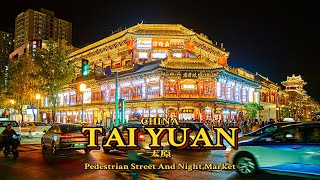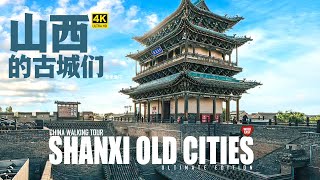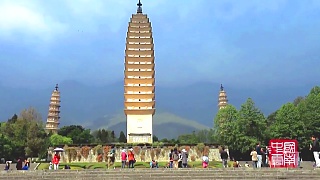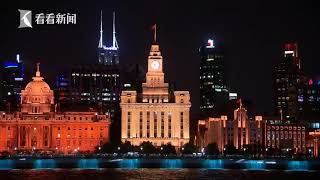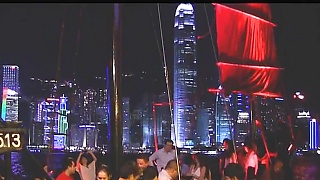
TaiYuan ancient city walking tour, ShanXi province

With Walk East ...

[640],shadow=true,start=,stop=

With Seiu Travel ...

[320],shadow=true,start=,stop=

Visitor Guide to TaiYuan City, ShanXi Province

Overview

TaiYuan, the capital city of ShanXi Province, is a fascinating blend of ancient history and modern development. Known for its rich cultural heritage, TaiYuan offers visitors a glimpse into China's past while also showcasing its rapid modernization.

Getting There

By Air: TaiYuan WuSu International Airport (TYN) serves the city with both domestic and international flights. It is located about 15 kilometers from the city center, and you can reach downtown by taxi, airport shuttle, or public bus.

By Train: TaiYuan Railway Station and TaiYuan South Railway Station connect the city with major destinations across China, including Beijing, Xi'an, and Shanghai. High-speed trains offer convenient and quick travel options.

By Bus: Long-distance buses from nearby cities and provinces also provide access to TaiYuan. The main bus stations in TaiYuan are TaiYuan Long-Distance Bus Station and TaiYuan West Bus Station.

Getting Around

  • Public Transport: TaiYuan has an extensive public bus network and a developing metro system, making it easy to navigate the city.
  • Taxis: Taxis are readily available and relatively inexpensive. Ride-hailing apps like DiDi are also widely used.
  • Biking: Bike-sharing services are popular and provide a convenient way to explore the city at your own pace.

Main Attractions

JinCi Temple

JinCi Temple, located about 25 kilometers southwest of TaiYuan, is a historic site with beautiful architecture, ancient trees, and intricate carvings. The temple, dating back over 1,400 years, is dedicated to the worship of Prince Shuyu of the Zhou Dynasty.

ShanXi Museum

ShanXi Museum, one of China's most important museums, offers a comprehensive look at the history and culture of ShanXi Province. The museum's exhibits include ancient relics, artifacts from the Silk Road, and displays on ShanXi's rich coal mining history.

TaiYuan Ancient City Wall

The TaiYuan Ancient City Wall is a significant historical landmark that reflects the city's ancient military architecture. Portions of the wall have been restored, and visitors can walk along it to enjoy panoramic views of the city.

Fenhe Park

Fenhe Park, situated along the Fen River, is a large urban park offering beautiful landscapes, walking paths, and recreational facilities. It's a great place to relax, enjoy nature, and experience the local lifestyle.

Twin Pagoda Temple

The Twin Pagoda Temple, also known as Yongzuo Temple, features two impressive pagodas dating back to the Ming Dynasty. The temple is a serene spot with beautiful gardens and ancient architecture.

Local Cuisine

TaiYuan offers a variety of local and regional dishes. Here are some must-try foods:

  • ShanXi Sliced Noodles (DaoXiaoMian): A famous local dish made with hand-sliced noodles, usually served with a savory broth and various toppings.
  • Vinegar Culture: ShanXi is known for its aged vinegar, which is a staple in many local dishes. Be sure to try dishes that highlight this unique flavor.
  • ShanXi Meat Patties (RouJiaMo): Often referred to as the "Chinese hamburger," these meat-filled buns are a delicious and popular street food.
  • Fenhe River Fish: Fresh fish from the Fen River, prepared in a variety of ways, is a local specialty.

Shopping

  • Liuxiang Pedestrian Street: A bustling shopping area offering a mix of traditional and modern shops, local snacks, and souvenirs.
  • Chongshan Monastery Market: A market near Chongshan Monastery where you can find local handicrafts, antiques, and traditional ShanXi products.
  • Coal Museum of China: The museum shop offers unique souvenirs related to ShanXi's coal mining history.

Accommodation

  • Luxury Hotels: TaiYuan has several high-end hotels offering excellent amenities and services, such as the Kempinski Hotel TaiYuan and the Shanxi Grand Hotel.
  • Mid-Range Hotels: There are numerous mid-range options providing comfortable accommodations at reasonable prices, including international chains like Holiday Inn and local boutique hotels.
  • Budget Accommodations: Budget travelers can find affordable guesthouses, hostels, and budget hotels throughout the city.

Historical Background of TaiYuan

TaiYuan, with a history spanning over 2,500 years, has been a significant political, economic, and cultural center in northern China. Founded during the Spring and Autumn period, the city has witnessed numerous historical events and developments.

During the Tang Dynasty, TaiYuan was a strategic military base and the hometown of the Tang emperors. The city played a crucial role in various dynastic changes and military campaigns.

In modern times, TaiYuan has developed into an industrial powerhouse, particularly known for its coal mining and steel production. Despite its industrialization, the city has preserved many of its historical and cultural sites, offering a rich tapestry of the ancient and modern.

Tips for Visitors

  • Best Time to Visit: The best times to visit TaiYuan are spring (April to June) and autumn (September to November) when the weather is mild and pleasant.
  • Clothing: Wear comfortable walking shoes and dress in layers to accommodate changing temperatures. Bring a hat and sunscreen if you plan to spend time outdoors.
  • Respect Local Customs: Be respectful of local customs and traditions, especially when visiting religious and cultural sites.
  • Language: While Mandarin is widely spoken, learning a few basic phrases or using a translation app can be very helpful.
  • Plan Your Visit: TaiYuan offers a mix of historical and modern attractions. Plan your visit to include both cultural sites and modern amenities to get a complete experience.

Conclusion

TaiYuan, with its rich historical heritage and vibrant modern culture, offers a unique and diverse travel experience. From ancient temples and city walls to modern parks and shopping streets, TaiYuan provides a fascinating journey through time. Whether you're exploring its historical landmarks, enjoying local cuisine, or experiencing the city's contemporary side, TaiYuan is a destination that promises a memorable visit. Plan your trip carefully to make the most of your time in this dynamic capital of ShanXi Province.
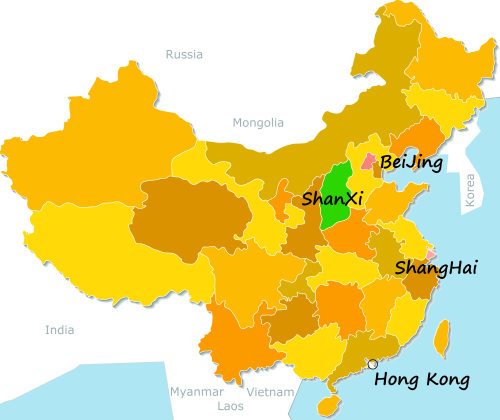
ShanXi map

Related Videos


Featured Videos

Beautiful SuZhou 苏州
JiangSu province, east China. Very beautiful films ... 苏州城市形象宣传片——美丽苏州 MV《绣美天堂》苏州锦绣天堂,美丽的天使们
The awesome BeiHai Park 北海公园 in BeiJing
With MisterVaughn ... With ABingYOLO ... With Downtown China ... Welcome to BeiHai Park Explore the historical and cultural wonders of BeiHai Park in Beijing. Introduction Beihai Park is one of the oldest, largest, and best-preserved ancient imperial gardens in China. It is located in the heart of Beijing and offers visitors a beautiful blend of traditional Chinese architecture, gardens, and waterways. Location Beihai Park is situated in the Xicheng District of central Beijing, just north of the Forbidden City. History Beihai Park has a history of over 1,000 years, dating back to the Liao Dynasty. It was extensively renovated and expanded during the Jin, Yuan, Ming, and Qing dynasties, with significant contributions from Emperor Kublai Khan of the Yuan Dynasty. The park has served as an imperial garden and a place of worship for several Chinese dynasties. Attractions White Dagoba: An iconic white stupa located on Qionghua Island, built in 1651 to honor the visit of the 5th Dalai Lama to Beijing. Qionghua Island: The central island of Beihai Park, featuring beautiful pavilions, halls, and scenic views. Nine-Dragon Screen: A 27-meter-long, 6.65-meter-high glazed-tile wall depicting nine vivid dragons playing in the clouds, built in 1756. Five-Dragon Pavilions: A group of five connected pavilions overlooking the lake, perfect for relaxing and enjoying the scenery. Jade Flowery Islet: An islet with lush vegetation, bridges, and historical buildings, including the Hall of the Heavenly King. Yong'an Temple: A Buddhist temple on Qionghua Island, featuring stunning architecture and peaceful gardens. Round City: A small city within Beihai Park, surrounded by high walls and featuring the Chengguang Hall, which houses a large jade Buddha statue. Eastern Shore Area: Includes attractions like the Hao Pu Creek Garden and the Iron Screen Wall. Western Shore Area: Features the Pavilion of One Thousand Buddhas and the Garden of Tranquil Heart. Jingxin Studio Western Heaven Temple Fangshan Restaurant Activities Boating on Beihai Lake Strolling through the gardens Photography Visiting historical and cultural sites Enjoying traditional Chinese performances Participating in seasonal festivals and events Facilities Visitor Center Restrooms Gift Shops Cafes and Restaurants Parking Lots Boat Rental Services Guided Tour Services Visitor Tips Wear comfortable walking shoes. Bring water and snacks, especially if you plan to stay for several hours. Visit early in the morning or late in the afternoon to avoid crowds. Check the weather forecast and dress appropriately. Respect the cultural and historical significance of the site; behave appropriately and follow all rules and guidelines. Take advantage of the boat rental services to explore Beihai Lake from a unique perspective.
Exploring TengChong, YunNan province
With Clare Traveling Pandaland ... Tengchong, Yunnan Province: A Visitor's Guide Tengchong, located in the western part of Yunnan Province near the border with Myanmar, is a gem of natural beauty, rich history, and unique culture. Known for its volcanic landscapes, hot springs, and historical significance, it offers a mix of relaxation, adventure, and cultural exploration. How to Get There By Air: Tengchong Tuofeng Airport connects the city to major Chinese cities like Kunming and Chengdu. By Road: A scenic drive from Kunming takes around 8–10 hours by car or bus, passing through the mountainous Yunnan terrain. Top Attractions 1. Rehai Hot Springs Why Visit: Known as "Hot Sea," this geothermal area has over 80 hot spring pools, each with unique properties. Some are perfect for a relaxing soak, while others are too hot and are used for steaming food or traditional therapies. Don’t Miss: Try the therapeutic spa treatments or soak in an outdoor pool surrounded by lush greenery. 2. Tengchong Volcanic Geothermal National Park Highlights: Home to dormant volcanic craters and lava fields, this park offers hiking trails with breathtaking views. Activities: Climb up volcanoes like Dakongshan (Large Empty Mountain) for panoramic views, or explore the Lava Stone Forest. 3. Heshun Ancient Town Why Visit: A quaint town filled with cobbled streets, traditional Yunnan-style homes, and a rich history of overseas Chinese who returned home. Must-See: Visit the Heshun Library, one of the oldest private libraries in China, and explore the charming teahouses and ancestral halls. 4. Beihai Wetlands Overview: This serene area features floating meadows and diverse bird species. Activities: Take a boat ride through the wetlands or enjoy bird-watching during migratory seasons. 5. Yunfeng Mountain Why Visit: A sacred Taoist site with an ancient temple at its peak. What to Do: Hike or take a cable car up the mountain, then enjoy stunning views of the surrounding countryside. 6. Dianmian Anti-Japanese War Memorial Historical Importance: Tengchong was a key battleground during WWII. This memorial honors the local and international soldiers who fought against Japanese forces. What to See: Artifacts, photographs, and the reconstructed battle sites. Cultural Highlights Traditional Crafts: Tengchong is famous for its jade carving. Visit local workshops to see artisans at work or purchase unique jade jewelry. Ethnic Diversity: Experience the culture of the Bai, Dai, and Lisu ethnic groups through their festivals, dances, and cuisines. Local Cuisine Signature Dishes: Guoqiao Mixian (Crossing-the-Bridge Noodles): A flavorful noodle soup with a variety of toppings. Bamboo Rice: Sticky rice cooked in bamboo tubes. Tengchong Fried Pork: Crispy pork stir-fried with local spices. Mushroom Hotpot: A must-try with Yunnan’s diverse range of wild mushrooms. Snacks: Don’t miss the fengmi baba (honey glutinous rice cake) or fried potato balls. Best Time to Visit Spring and Autumn (March–May, September–November): These seasons offer mild weather and clear skies, perfect for outdoor exploration. Winter (December–February): Ideal for enjoying the hot springs, though mornings and evenings can be chilly. Shopping Jade and Gemstones: Tengchong is renowned for its high-quality jade. Look for authentic pieces in certified stores. Local Handicrafts: Embroidered textiles, wooden carvings, and bamboo products make great souvenirs. Tea: Yunnan is known for its Pu’er and black teas, widely available in Tengchong. Practical Tips Language: Mandarin is widely spoken, though some locals speak Yunnan dialects. Learn a few basic phrases for ease of communication. Currency: Bring enough cash, as rural areas may not accept cards or digital payments. Transportation: Rent a bicycle or use tuk-tuks to explore small towns like Heshun. Clothing: Pack layers, as temperatures can fluctuate between day and night, especially in the mountains. Day Trips Ruili: A bustling border town with vibrant markets and a mix of Chinese and Burmese cultures. Myanmar Border: Visit the border towns to experience the unique blend of Chinese and Burmese influences. Tengchong is a destination that beautifully combines natural wonders, cultural depth, and historical significance, offering something for every traveler.
Hong Kong 香港 in time-lapse (7)
QinHuangDao 秦皇岛
Where the Great Wall of China meets the sea, HeBei province, east from BeiJing ...
Something different – special – Michel Pepe (wonderful music)
Awesome soundscapes by the wonderful Michel Pepe - let your heart sail through the stars ...
Something different – It’s all about the bass
Awesome young talent - her favorite bass lines / riffs ... Jamming with Steve Vai ... Ellen's story ... Don't stop the music ...
Reality (philosophy, Alan Watts)
When a mind is like a mirror, it sees everything, and holds onto nothing. Chuang-Tzu : '... mind as a mirror; it grasps nothing; it refuses nothing; it receives, but does not keep.' The wisdom of the eloquent Alan Watts (1915 - 1973) - the insights behind both Taoism and Buddhism ...
Tiger Leaping Gorge 虎跳峡 – the 28 bends …
YunNan province. A beautiful film of a wonderful place - don't miss it ... Live more !

Tag search ?