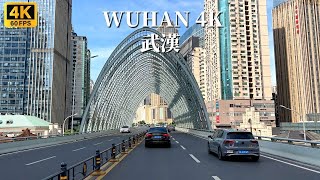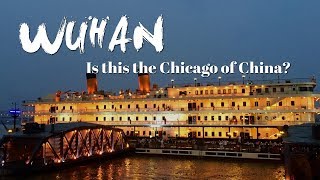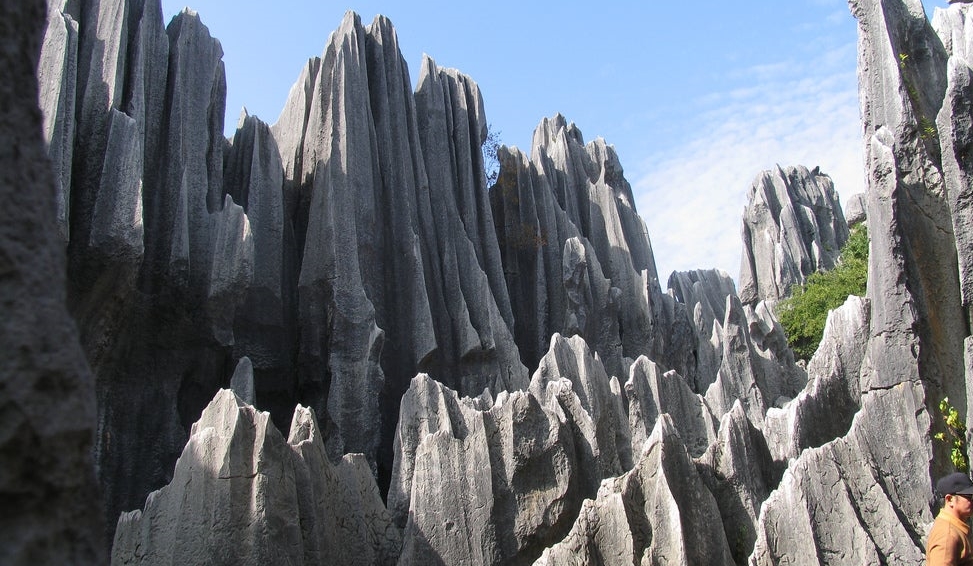
WuHan city night walk, HuBei province

With Walk East ...

[640],shadow=true,start=,stop=

Wuhan, the capital city of Hubei Province in central China, is a vibrant and dynamic metropolis with a rich history, cultural heritage, and modern amenities. Situated at the confluence of the Yangtze and Han rivers, Wuhan is known as the River City and serves as a major transportation hub and economic center in China. Here's a guide to Wuhan for visitors:

Historical and Cultural Attractions:
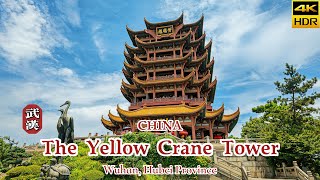
Yellow Crane Tower (Huanghelou): This iconic landmark, dating back over 1,700 years, offers panoramic views of Wuhan and the Yangtze River. It's a symbol of the city's rich cultural heritage and is surrounded by lush gardens and scenic vistas.

Guiyuan Temple: Explore this ancient Buddhist temple, renowned for its intricate architecture, serene gardens, and impressive collection of Buddhist scriptures and artifacts.

Hubei Provincial Museum: Delve into the history and culture of Hubei Province at this world-class museum, which houses a vast collection of artifacts, including ancient artifacts from the Warring States period and exquisite bronze bells from the Spring and Autumn period.

East Lake (Donghu): Escape the urban hustle and bustle with a visit to East Lake, the largest urban lake in China. Explore its scenic walking paths, tranquil pavilions, and picturesque landscapes.

Wuhan University: Stroll through the picturesque campus of Wuhan University, one of China's most prestigious universities, known for its beautiful gardens, historic buildings, and academic excellence.

Modern Landmarks:
Yangtze River Bridge: Visit the first bridge to span the Yangtze River, a symbol of Wuhan's engineering prowess and economic significance. The bridge offers stunning views of the river and the city skyline.

Han Street (Hanjie): Explore this vibrant pedestrian street, lined with shops, restaurants, and entertainment venues. Han Street is a popular destination for shopping, dining, and nightlife, with a lively atmosphere day and night.

Culinary Delights:
Hot Dry Noodles (Re-gan Mian): Sample Wuhan's most famous dish, hot dry noodles, a simple yet delicious noodle dish served with sesame paste, chili oil, and other seasonings.

Wuhan Soup Dumplings (Jiaozi): Indulge in these savory soup dumplings, filled with flavorful broth and meat or vegetable fillings. They're a popular street food snack and can be found at markets and food stalls throughout the city.

Practical Information:
Transportation: Getting around Wuhan is convenient, with an extensive public transportation system that includes buses, the Wuhan Metro, and ferries across the Yangtze River.

Accommodation: Wuhan offers a wide range of accommodation options, from luxury hotels to budget-friendly hostels, catering to different preferences and budgets.

Language: Mandarin Chinese is the official language, but some locals may speak English, especially in tourist areas.

Safety: Wuhan is generally safe for travelers, but it's always wise to take standard precautions regarding personal belongings and travel safety.

Unique Experiences:
Cherry Blossom Festival: Visit Wuhan in spring to witness the breathtaking cherry blossoms in full bloom at Wuhan University and other scenic spots around the city.

Yangtze River Cruise: Embark on a cruise along the mighty Yangtze River, passing through picturesque landscapes, historic towns, and the famous Three Gorges.

Wuhan offers visitors a fascinating blend of history, culture, and modernity, with a diverse array of attractions, culinary delights, and unique experiences waiting to be discovered. Whether exploring ancient landmarks, strolling along scenic riverbanks, or savoring local cuisine, visitors to Wuhan are sure to be captivated by the city's charm and vitality.
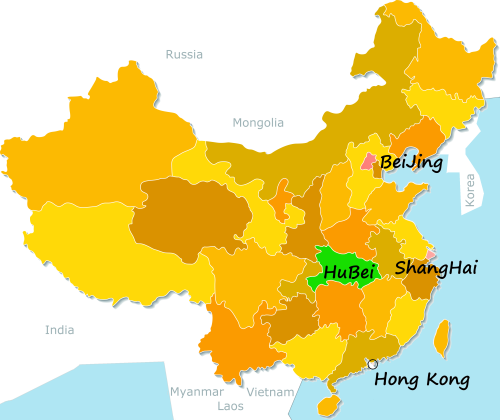

HuBei map

Related Videos


Featured Videos

BeiJing : 2008 to 2022 – don’t miss it
Bonus film - a highlight from the Chinese New Year Gala show 2022 ... Robot chefs ...
China from above – with Stef Hoffer
A trip to QingHai 青海 province
Including the capital, XiNing, and QingHai Lake ...
The International Children’s Concert
The delightful China Central TV concert of 2013 ... * Children of the Dragon (HOU Dejian, 侯德健), performed by Green QIU (QIU Wutong, 邱梧桐, 10 years old), Xiaolong (小龙, 11 years old), and JIN Zhuofan (金卓凡, 12 years old), all from China. * Memory (musical Cats, Andrew Loyd Webber), performed by Jessie Hillel (11 years old) from New Zealand. * You Raise Me Up, performed by LI Zewei (李泽维, 11 years old), ZHONG Chenle (钟辰乐, 11 years old), and LIU Bo (柳博, 10 years old), all from China. * Turkish March (土耳其进行曲), by Wolfgang Amadeus Mozart (莫扎特), performed by ZOU Yufei (邹宇飞, 4 years old), WANG Liya (王丽雅, 11 years old), ZHU Zihe (朱梓赫, 8 years old), and YE Zifan (叶子凡, 12 years old), all from China. * He is a Pirate, performed by CHEN Qingli (陈庆丽) from Hong Kong, China. * I can fly, performed by Teressa from the U.S. (5 years old). Teressa is of Chinese and American heritage. * Baby, performed by NIE Jieming (聂杰铭, English name: James Robert Nicol, 11 years old) from Australia. * Spicy Girl, performed by Tianyuan (Chinese name:恬源, English name: Tyerra, 8 years old) from the U.S. Tianyuan is of Chinese and American heritage. * Kalinka, performed by Russian children from Russian Embassy School in Beijing, and Xiao Ding Dang Childrens Choir of the Russian Culture Center in Beijing. * Love to Flowers and Earth Song, performed by Fairies in Rain Forest (Chinese name:雨林精灵, Pinyin: Yu Lin Jing Ling). Fairies in Rain Forest is formed by two sisters: Linda LEE (李林妲, LI Linda) and Wanda LEE (李宛妲, LI Wanda) of Chinese and German heritage. Their fater, Josef Margraf, is a German ecologist. Love to Flowers is a folk song of ethnic Hani Chinese, sung in the Hani language. Earth Song by Michael Jackson. * I Just Can't Wait to be King (from The Lion King), performed by the Popcorn Band (Chinese name: 爆米花乐团) from China and Chelsey Mark (Chinese name: 麦小龙, Pinyin: MAI Xiaolong) from Canada; Chelsey Mark is a well-known host of CCTV. * You'll Be in My Heart (Phil Collins), performed by Ming-An Fasquelle (11 years old, French-American, born in France, raised in Beijing). * I Have a Dream (Abba), performed by WANG Xinyi (王馨怡, 10 years old) from China. * ABC (Jackson 5) performed by SH' Boss Boys from the U.S. * We Will Rock You (Brian May / Queen), performed by Xiaolong (小龙), Huolong (火龙), LI Shuxi (李淑昕), ZHENG Xiao (郑宵), Tianyuan (恬源), 奥斯卡 (Oscar), 成宇朵儿 (CHENGYU Duo-Er), Popcorn Band (爆米花乐队), Zaizai (仔仔), and Kent Niepert (Xiaolong's dad).
Song of the Surging Water
Title song of the 2015 movie Wolf Totem 汪峰 沧浪之歌(《狼图腾》主题曲) Sung by Wang Feng
Street fashion in GuLou, BeiJing 北京
In the heart of old Beijing, a variety of young women describe their threads ...
The Stone Village of the NaXi people, YunNan province
With China Road Tales ... The Stone Village of the NaXi people, located in YunNan Province, China, is a remarkable destination that offers a unique glimpse into the traditional lifestyle, culture, and architecture of the NaXi ethnic minority. Here’s a detailed look at this fascinating village: ### Location and Overview - **Location**: The Stone Village, also known as ShiZhiShu Village, is situated in the YuLong Naxi Autonomous County in the northwestern part of Yunnan Province, near the town of Lijiang. - **Geography**: Nestled in the foothills of the Jade Dragon Snow Mountain (YuLong XueShan), the village is surrounded by stunning natural beauty, including rugged mountains, lush forests, and clear streams. ### NaXi Culture and Heritage - **Ethnic Group**: The NaXi people are one of China’s 56 recognized ethnic groups, with a rich cultural heritage that blends elements of Han Chinese, Tibetan, and other neighboring cultures. - **Language**: The NaXi language, belonging to the Sino-Tibetan language family, is still spoken by many villagers. The NaXi also have a unique pictographic script called Dongba, used primarily for religious texts. - **Matriarchal Society**: Historically, the NaXi society was matrilineal, with property and family names passed down through the female line. ### Architecture - **Stone Houses**: The village is renowned for its traditional stone houses, built using local materials such as stone, wood, and mud. These houses are designed to blend harmoniously with the natural environment and are known for their durability and unique aesthetic. - **Courtyards**: Many homes are built around central courtyards, which serve as communal spaces for family activities and social gatherings. - **Wooden Carvings**: Intricate wooden carvings and decorations adorn the houses, showcasing the NaXi’s craftsmanship and artistic traditions. ### Traditional Lifestyles - **Agriculture**: The NaXi people in the Stone Village primarily engage in agriculture, cultivating crops such as barley, wheat, and vegetables. They also raise livestock, including pigs, chickens, and yaks. - **Traditional Dress**: The NaXi have distinctive traditional clothing, often featuring bright colors and intricate embroidery. Women’s attire includes long gowns with wide belts and colorful headscarves, while men typically wear tunics and trousers. - **Festivals and Rituals**: The NaXi people celebrate various traditional festivals, such as the Torch Festival and the Sanduo Festival, which are marked by music, dance, and religious ceremonies. ### Dongba Religion - **Animism and Shamanism**: The NaXi practice Dongba religion, an animistic belief system that involves worshiping nature spirits and ancestors. Dongba priests, who are also scholars, play a central role in religious rituals and the preservation of cultural heritage. - **Dongba Texts**: These religious texts are written in the unique Dongba script, a pictographic writing system that dates back over a thousand years. ### Tourism and Preservation - **Cultural Tourism**: The Stone Village has become a popular destination for tourists seeking to experience the traditional lifestyle and culture of the NaXi people. Visitors can explore the village, interact with locals, and learn about their customs and traditions. - **Preservation Efforts**: There are ongoing efforts to preserve the unique architecture and cultural heritage of the Stone Village. Local and regional governments, along with cultural organizations, are working to protect the village from modern development and ensure the continuation of NaXi traditions. ### Nearby Attractions - **Lijiang Ancient Town**: A UNESCO World Heritage Site, Lijiang is known for its well-preserved ancient architecture and vibrant NaXi culture. It is a short drive from the Stone Village and offers additional cultural experiences. - **Jade Dragon Snow Mountain**: This majestic mountain range provides opportunities for hiking, skiing, and enjoying spectacular natural scenery. ### Conclusion The Stone Village of the NaXi people in Yunnan Province is a captivating destination that offers an authentic glimpse into the traditional life and culture of one of China’s most unique ethnic groups. With its distinctive stone architecture, rich cultural heritage, and stunning natural surroundings, the Stone Village provides a memorable and enriching experience for all who visit.
Freedom – what is it, really
Real freedom is to be able to live without fear - without fear of destitution, poverty, illness, murder and crime; being able to live; being able to love, one's family and friends and the wider world, because one is not in constant fear ... Freedom to say what you like on a park stool (fake freedom / fools freedom - no leg irons, perhaps, but economic chains), or the real freedom to live your life ? The West has decepid infrastructure, mass shootings (about 5 in just the last week), failing healthcare and declining life expectancy, to name a few of its ills. Is it all about the 1% or is it for all the people ? The West needs to grow up. With Sabrina in China ... In China, the people are family. In the West, the people are livestock. When you know you are family, no need to fear, and are free.
Along the YangTze 长江 River
A beautiful film that takes you to all the places along the river ... YángZǐ Jiāng (modern PinYin), also known in China as Cháng Jiāng (literally, 'Long River'), is the longest river in Asia and the third-longest in the world. It flows for 6,300 kilometers (4,000 miles) from the glaciers on the QingHai-Tibet Plateau in QingHai province eastward across southwest, central and eastern China before emptying into the East China Sea at Shanghai. The Three Gorges Dam on the river is the largest hydro-electric power station in the world.

Tag search ?