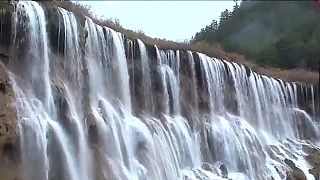
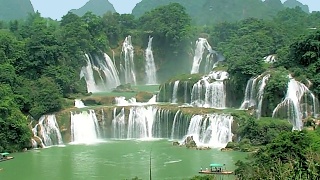
Clear pools and waterfalls ...
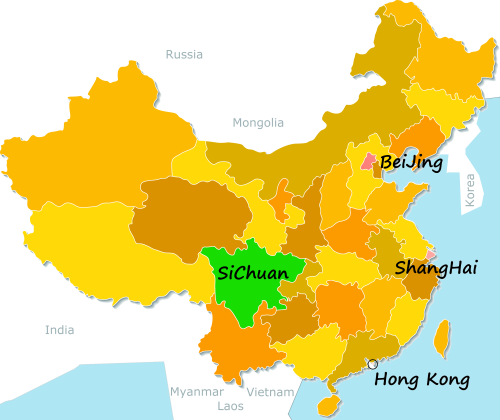
[640],shadow=true,start=,stop=SiChuan map
Live more ...
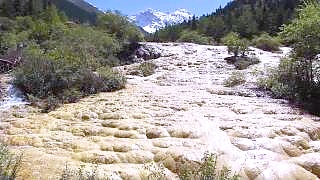
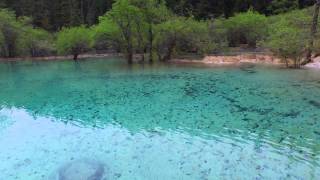
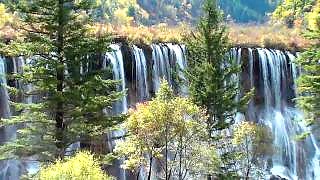
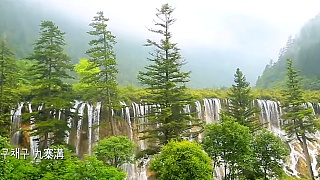
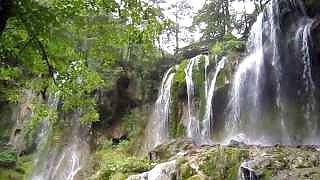
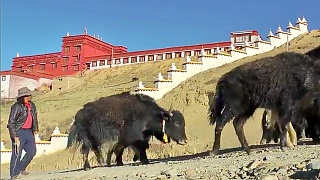
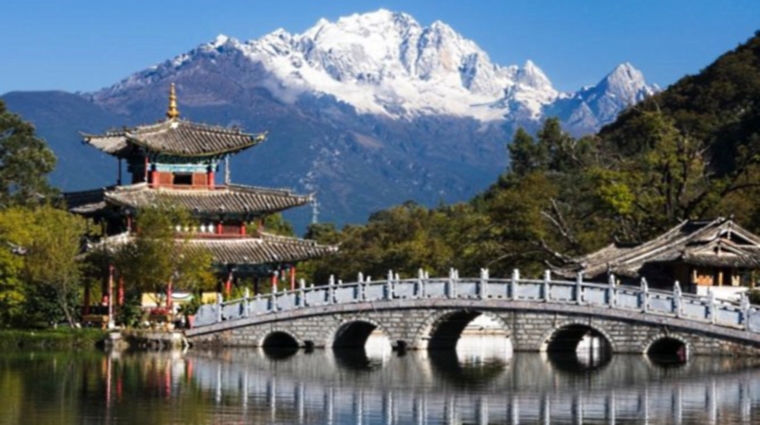
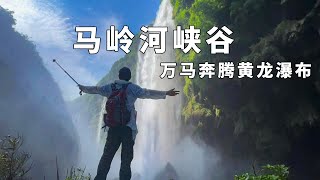
 JiuZhaiGou 九寨沟 and HuangLong 黄龙 scenery, SiChuan province
Clear pools and waterfalls ...
[640],shadow=true,start=,stop=

|
With Christian Schaffer ...
|
|
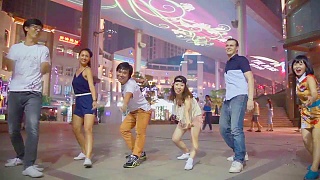
Dance - the second international language, after its sister : music.
BeijingBuzzz is 9 (and a half - July 2017) ! So besides a little jelly, we thought we'd celebrate with a typically eclectic selection of 12 dance videos from our first 9 years ...
Two left feet ? No matter; whatever your passion, remember that time flies - follow your dream; how often does the butterfly land in the palm of your hand ...?
Keep warm this winter, but also be cool - and get off that sofa, or internet, now and then ... Live more ! (especially if you have noted that there are actually 13 videos ;)
Happiness is not what you get, but what you give. Become a fountain of joy and share the love ...
|
|
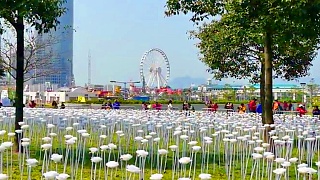
In February 2016, 25,000 white roses, actually LED lights, were installed in the Central Promenade and Tamar Park area of Hong Kong's business district, for both Valentine's day and the Lantern Festival, part of the Chinese New Year period. Beautiful ...
Plus, views of Hong Kong's skyline ...
|
|
With KiraVideo ...
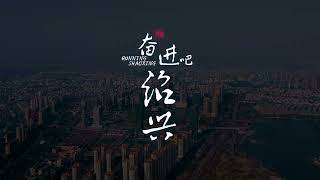
Welcome to ShaoXing
Discover the rich history and cultural heritage of Shaoxing, China.
Introduction
Shaoxing is a city located in the Zhejiang province of China, known for its rich cultural heritage, ancient architecture, and scenic waterways. It is renowned for its historical significance and contributions to Chinese literature, arts, and politics.
Location
Shaoxing is situated in eastern China, within the Zhejiang province. It is approximately 200 kilometers southwest of Shanghai and 60 kilometers southeast of Hangzhou.
History
Shaoxing boasts a history that spans over 2,500 years. It has been an important cultural and economic center since ancient times. The city is famous for being the hometown of notable historical figures such as the ancient calligrapher Wang Xizhi and the modern writer Lu Xun. Its rich cultural heritage is evident in its well-preserved ancient architecture, traditional water towns, and numerous historical sites.
Attractions
East Lake (Donghu): A beautiful lake surrounded by cliffs, known for its serene boat rides and picturesque scenery.
Lu Xun's Former Residence: The home of the famous Chinese writer Lu Xun, now a museum dedicated to his life and works.
Orchid Pavilion (Lanting): A historical site where Wang Xizhi composed the famous calligraphy work "Preface to the Poems Composed at the Orchid Pavilion."
Shen Garden: A classical Chinese garden known for its romantic associations with the famous poet Lu You and his love story with Tang Wan.
Bazi Bridge: An ancient stone bridge offering scenic views of the surrounding canals and traditional buildings.
Qiu Jin's Former Residence: The former home of Qiu Jin, a well-known female revolutionary and poet.
Da Yu Mausoleum: The mausoleum of the legendary figure Yu the Great, known for controlling floods and founding the Xia Dynasty.
Keyan Scenic Area: A picturesque area featuring ancient caves, rock formations, and traditional Chinese architecture.
Activities
Exploring historical sites and museums
Taking boat rides on scenic waterways
Enjoying traditional Chinese gardens
Sampling local cuisine and Shaoxing wine
Participating in cultural festivals and events
Shopping for local handicrafts and souvenirs
Facilities
Visitor Center
Restrooms
Gift Shops
Cafes and Restaurants
Parking Lots
Guided Tour Services
Public Transportation
Hotels and Accommodations
Visitor Tips
Wear comfortable walking shoes.
Bring water and snacks, especially if you plan to stay for several hours.
Visit early in the morning or late in the afternoon to avoid crowds.
Check the weather forecast and dress appropriately.
Respect the cultural and historical significance of the site; behave appropriately and follow all rules and guidelines.
Take advantage of guided tours to learn more about the rich history and culture of Shaoxing.
Try the local cuisine, especially the famous Shaoxing rice wine and local dishes.
|
|
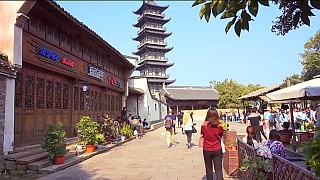
This beautiful water town, often referred to as 'the Venice of the East', lies in the ancient Kingdom of Wu, between ShangHai, SuZhou and HangZhou, in ZheJiang province, east China.
|
|
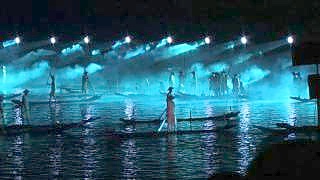
A wonderful performance just 2 kilometers along the Li River from YangShuo.
The show incorporates local traditions, and around 600 performers combine with the beautiful setting to poetically elucidate the harmony of people and nature.
|
|
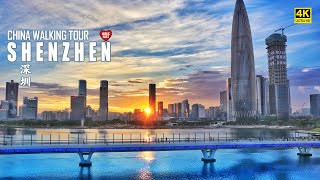
GuangDong province.
With Walk East ...
|
|
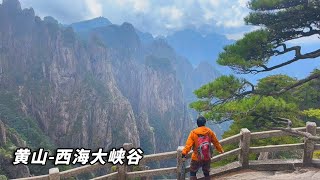
AnHui province ...
|

|
Indie rock band from BeiJing, 2016.
This song featured in our recent MiuMiu GuitarGirl videos post. Many have asked about the band and the song - so here is the original video
I gave you real love
But you want more
A music gem ...
|