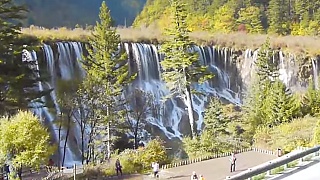
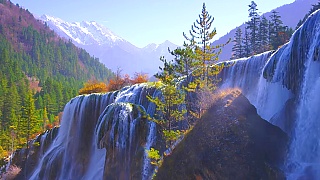
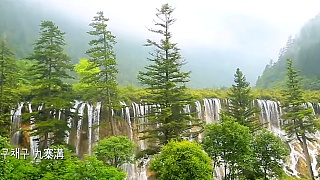
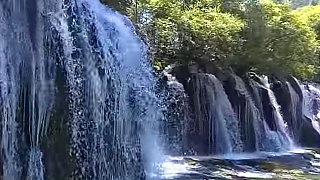
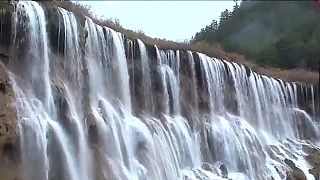
Exquisitely beautiful ...
[640],shadow=true,start=,stop=An episode of Happy Chinese at JiuZhaiGou ...
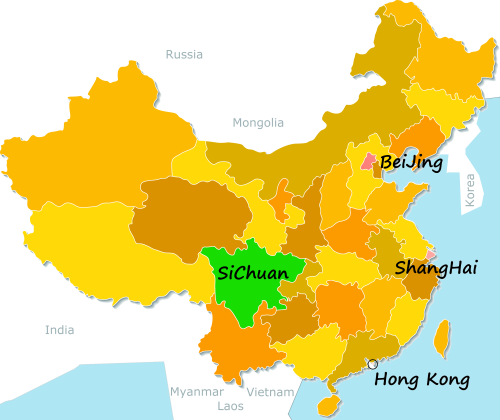
SiChuan map
Live more ...
 Beautiful JiuZhaiGou 九寨沟 Valley, SiChuan
Exquisitely beautiful ...
[640],shadow=true,start=,stop=An episode of Happy Chinese at JiuZhaiGou ...

|
With The New Atlas ...
Bonus film - with Daniel Dumbrill ...
Bonus film 2 - with NuMuves ...
Bonus film 3 - with Professor Michael Hudson ...
Bonus film 4 - with George Galloway and Afshin Rattansi ...
Bonus film 5 - propaganda theater ...
|

|
Brave voices speak out despite the chilling, silencing fear of firebombs and steel pipes of the foreign-backed subversive destroyers.
Fascist colonialism re-branded as 'freedom and democracy'; in reality, everything but.
The rioters are either imports or dupes. Either way, probably best called terrorists, because terror is their mode of action.
|
|
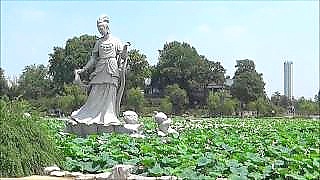
Based around a large lake with a perimeter of 15 kilometers. In JiangSu province.
|

|
Rough-cut version - a polished version will appear here some day ...
Bonus films - 'One day in BeiJing', 'a 17 hours cycle ride around DongCheng, central BeiJing' and BeiJing's unicycle acrobatic stars on French TV; wow - awesome ...
Love - is the only way ...
|

|
How the West created the discord with China, and Asia, and what might ensue ...
|
|
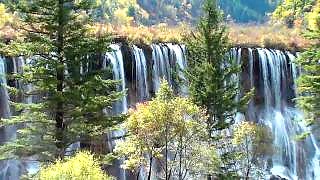
Exquisitely beautiful ...
An episode of Happy Chinese at JiuZhaiGou ...
|
|
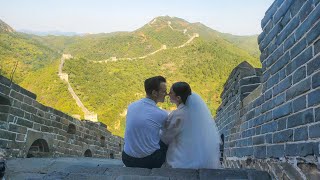
With LaLaLaLauran ...
GuBei Water Town Travel Guide
Introduction
GuBei Water Town, located at the foot of the Simatai Great Wall in Miyun County, Beijing, is a picturesque water town that combines natural beauty with rich cultural heritage. Modeled after the ancient towns in Jiangnan (the region south of the Yangtze River), GuBei Water Town features traditional architecture, serene waterways, and stunning views of the Great Wall. This guide will help you explore the enchanting GuBei Water Town, including must-see attractions, activities, and practical travel information.
Must-See Attractions
Simatai Great Wall (司马台长城)
One of the main highlights of GuBei Water Town is its proximity to the Simatai Great Wall, known for its steep slopes and well-preserved watchtowers. Visitors can take a cable car or hike to the wall, offering breathtaking views and a sense of historical significance.
Water Town Night Tour (夜游水镇)
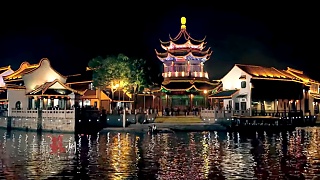
Experience the magic of GuBei Water Town at night, when the entire town is illuminated with colorful lights reflecting off the waterways. The night tour provides a unique perspective of the town's beauty and a tranquil atmosphere for a relaxing evening stroll.
Wangjing Tower (望京楼)
Wangjing Tower, also known as the Watching Beijing Tower, offers panoramic views of the town and the surrounding mountains. It is a perfect spot for photography and enjoying the natural scenery.
Folk Culture Museum (民俗文化馆)
The Folk Culture Museum showcases the traditional customs, clothing, and handicrafts of the local people. It provides an educational insight into the cultural heritage of the region.
Yang Wudi Temple (杨无敌庙)
Dedicated to the legendary General Yang Yanzhao, the Yang Wudi Temple is a historic site that offers a glimpse into the town's religious and military history. The temple is beautifully preserved and adds to the cultural richness of GuBei Water Town.
Activities and Experiences
Boat Rides: Take a boat ride along the picturesque canals of GuBei Water Town. This is a relaxing way to see the town from a different perspective and enjoy the peaceful waterways.
Traditional Performances: Enjoy traditional Chinese performances, including folk music, dance, and opera. These performances are often held in the town's public squares and add to the cultural ambiance.
Local Cuisine: Sample local delicacies at the various restaurants and street food vendors throughout the town. Popular dishes include roast duck, handmade noodles, and various snacks.
Hot Springs: Relax and unwind at the nearby hot springs, which offer a soothing retreat after a day of exploring. The hot springs are renowned for their therapeutic properties and scenic surroundings.
Shopping: Browse the town's shops for traditional handicrafts, souvenirs, and local products. The shops offer a wide range of items, from silk garments to handmade pottery.
Practical Travel Information
Getting There: GuBei Water Town is accessible by bus, car, or private tour from Beijing. The journey takes approximately 2-3 hours by car. Buses are available from Beijing's Dongzhimen Bus Station.
Entrance Fee: The entrance fee for GuBei Water Town varies depending on the season and whether you are visiting during the day or night. Check the official website or contact local tourism offices for up-to-date pricing.
Opening Hours: GuBei Water Town is open from 8:00 AM to 9:00 PM. Night tours are available from 5:00 PM to 10:00 PM, offering a unique evening experience.
Accommodation: There are several accommodation options within GuBei Water Town, ranging from traditional guesthouses to luxury hotels. Staying overnight allows visitors to fully immerse themselves in the town's atmosphere and enjoy the night tour.
Health and Safety: Ensure you are in good health before exploring the town, especially if you plan to hike the Simatai Great Wall. Stay hydrated, wear comfortable shoes, and follow local safety guidelines.
Local Services: Facilities such as restrooms, restaurants, and shops are available throughout the town. Most areas are well-equipped to cater to tourists' needs, but it's always a good idea to carry basic necessities.
Conclusion
GuBei Water Town offers a unique blend of natural beauty, cultural heritage, and modern amenities, making it an ideal destination for travelers looking to experience the charm of ancient China. Use this guide to plan your visit and explore the enchanting waterways, traditional architecture, and stunning views of the Simatai Great Wall. Whether you're a history enthusiast, a culture lover, or simply looking for a picturesque retreat, GuBei Water Town promises an unforgettable experience.
SiMaTai Great Wall Travel Guide
Introduction
The SiMaTai section of the Great Wall of China is renowned for its unique architectural features and breathtaking scenery. Located in the Miyun County of Beijing, approximately 120 kilometers northeast of downtown Beijing, this section is known for its steep gradients and well-preserved structures. SiMaTai offers an adventurous and less commercialized experience, making it a favorite among hikers and history enthusiasts. This guide will help you explore the SiMaTai section, including must-see highlights, hiking tips, and practical travel information.
Must-See Highlights
Sky Bridge (天桥)
The Sky Bridge is a narrow, steep section of the Great Wall that offers thrilling views and a challenging hike. This part of the wall is only a meter wide and connects two peaks, providing an exhilarating experience for adventurous visitors.
Heavenly Ladder (天梯)
The Heavenly Ladder is a steep staircase that ascends almost vertically up the mountain. It is one of the most challenging parts of the SiMaTai section, but the effort is rewarded with spectacular views of the surrounding landscape.
Fairy Tower (仙女楼)
The Fairy Tower is one of the 16 watchtowers on the SiMaTai section. It is unique for its distinctive architectural style and the stunning views it offers. This tower is a popular spot for photography and taking in the panoramic scenery.
East and West Towers (东西望楼)
The East and West Towers are the two highest points of the SiMaTai section. These towers were crucial for military defense and communication in ancient times. Climbing to the top provides a sense of accomplishment and offers some of the best views of the Great Wall.
Hiking Tips
Best Time to Visit: The best time to visit SiMaTai is during the spring (April to June) and autumn (September to November) when the weather is mild, and the scenery is at its most beautiful.
Hiking Difficulty: The SiMaTai section is known for its steep and rugged terrain. It is suitable for experienced hikers with a good level of fitness. Some parts can be quite challenging.
What to Wear: Wear sturdy hiking shoes with good grip, comfortable clothing, and a hat. Bring layers as temperatures can vary.
What to Bring: Carry plenty of water, snacks, sunscreen, and a first-aid kit. A camera is also recommended for capturing the stunning views.
Hiking Route: A popular route is to start from the SiMaTai West entrance and hike to the JinShanLing section. This takes about 4-5 hours and covers some of the most scenic and challenging parts of the wall.
Guided Tours: Consider hiring a local guide or joining a guided tour for a more informative experience. Guides can provide historical context and ensure you stay on the best paths.
Practical Travel Information
Getting There: SiMaTai is accessible by bus, car, or private tour from Beijing. The journey takes approximately 2-3 hours by car. Buses are available from Beijing's Dongzhimen Bus Station.
Entrance Fee: The entrance fee for SiMaTai varies depending on the season and whether you are hiking during the day or night. Check the official website or contact local tourism offices for up-to-date pricing.
Opening Hours: SiMaTai is open from 8:00 AM to 5:00 PM for daytime hiking and from 5:30 PM to 10:00 PM for night tours. Night tours offer a unique perspective of the Great Wall under the stars.
Accommodation: There are several guesthouses and hotels near SiMaTai for those who wish to stay overnight. The Gubei Water Town resort nearby offers more luxurious accommodations and amenities.
Health and Safety: Ensure you are in good health before attempting the hike, as the terrain can be demanding. Stay on designated paths to avoid accidents and respect local regulations and signs.
Local Services: Facilities such as restrooms and small shops are available at the entrance and at certain points along the wall. However, it's advisable to bring your own supplies for convenience.
Conclusion
The SiMaTai section of the Great Wall of China offers a unique and adventurous experience compared to other parts of the wall. Its steep gradients, well-preserved structures, and stunning views make it a must-visit destination for any traveler. Use this guide to plan your visit and enjoy the incredible beauty and historical significance of SiMaTai. Whether you're a history enthusiast, a photography lover, or an avid hiker, SiMaTai promises an unforgettable adventure.
|

|
With Cyrus Janssen ...
|

|
|