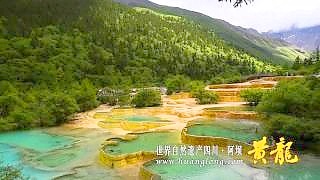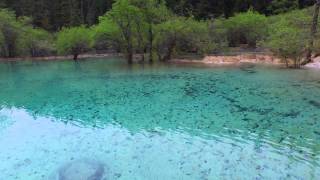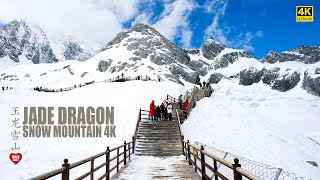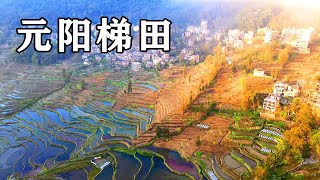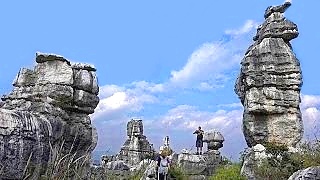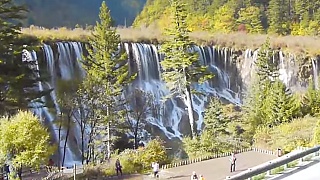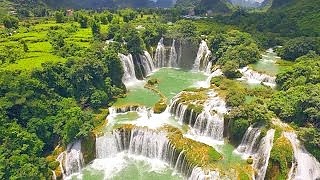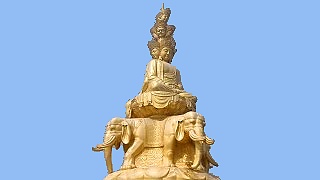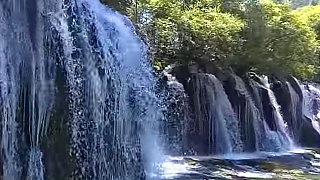
The beautiful HuangLong 黄龍 Scenic Area

A UNESCO World Heritage Site.


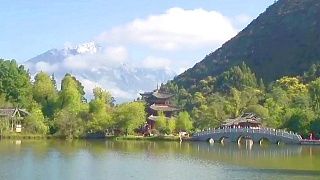
HuangLong Scenic Area lies in SiChuan province, about 150km north west from the provincial capital ChengDu. It is famed for its colorful pools formed by mineral deposits, and there are also rich forests full of wildlife, including the Giant Panda, snow-capped peaks, waterfalls and hot springs.


[640],shadow=true,start=26,stop=
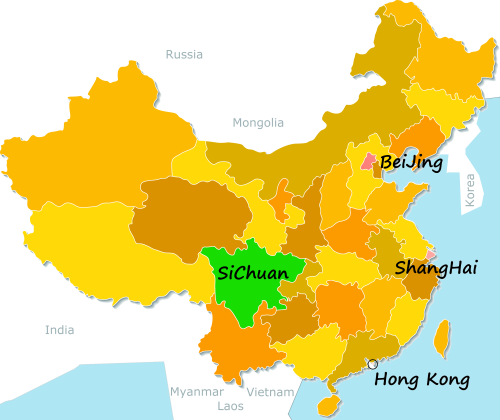
SiChuan map
Related Videos


Featured Videos

White radish 白萝卜 – growing, pickling and cooking
A mild-flavored winter radish usually characterized by fast-growing leaves and a long, white, napiform root. It is similar in appearance to fresh horseradish but packs a lighter peppery punch similar to watercress. Unlike other radishes, it is as good cooked as it is raw. A very beautiful film and culinary masterclass with LiZiQi 李子柒. Dishes include SiChuan pickles, NorthEast sauerkraut and several types of XianCai, salty side-dish, and SuanCai, sour cabbage, with spice and without. Similar to Korean kimchi - Korean is one of the 56 ethnic groups in China. Don't miss it ... Rimo Z : 0:23 Rapeseed flowers 2:50 White Radish 3:37 Carrot 4:31 Chinese Cabbage 6:03 Mustard, then dehydrate the vegetables 7:58 Smear chilli sauce 8:28 Sealed for 1 month 8:51 Pine leaves for smoking the meat (Bacon) 9:03 Orange or clementine 9:10 Pomelo on the tree 9:22 Start smoking the sausage and meat 9:30 Add the pomelo and orange peel to enrich the flavor 10:16 Add salt and chilli powder, start pickling the dehydrated radish and carrots 10:36 Dried fish 11:58 put the dried fish, sausage and meat (or bacon) for boiling before eating or further cooking, this step helps to clean the food and reduce the salt 12:47 stir fry with ginger and then start stewing with green onion and orange peel 13:34 Fermented pickle cabbage (non-spicy) 13:49 Fermented pickle cabbage (spicy) 14:06 Minced meat with oil, spice powder, green onions, soy sauce, ginger and 14:14 hot oil to increase the aroma 14:26 Chop the pickle Chinese cabbage 14:38 Mix the minced meat and pickled cabbage, start making dumplings 15:53 Cut the salted meat, stir fry with green onion and stew with the dried vegetables 15:52 Add spicy pickled cabbages 16:16 Add some hot oil on top of the pickle dishes to excite the fragrance 16:42 Cut the boiled sausage, salted meat etc. 17:49 Looks like rose tea 17:55 Just white congee 米老鼠 : Kimchi first appeared in the book of songs. It was interpreted as sauerkraut in China. Korean kimchi originated in the Tang Dynasty. Tang Dynasty general Xue Rengui was assigned to Korea (today's Korea) by the government to settle down in Korea. Many of his entourage were from Jiangbei County, Chongqing, who could make kimchi in his hometown. Since then, Chongqing kimchi has entered Korea. Several wars in Korea have brought this kind of dish into Korean civilian families. Kimchi went through several stages before it became the real Korean kimchi. The first stage is the Three Kingdoms period, when the pickled dishes or radish, cucumber, etc., introduced to South Korea after adding leeks and other fresh vegetables. In the second stage, in the Korean period, the production methods began to be enriched, and the raw materials were added to the base. The third stage is that cabbage has become the main raw material, which is what we eat now.
FoShan city, GuangDong province
With Walk East ... GuanYin of Mount XiQiao ... Foshan, located in Guangdong Province, is a city rich in culture, history, and culinary delights. Known as the birthplace of martial arts legends like Yip Man and Wong Fei Hung, it offers a blend of traditional and modern attractions. * Top Attractions: Ancestor Temple (Zumiao Temple): A Taoist temple showcasing exquisite architectural art from the Ming and Qing dynasties. Visitors can enjoy kung fu shows, lion dances, and Cantonese opera performances. Lingnan Tiandi: A district featuring well-preserved Lingnan-style architecture, with arcades, green brick houses, and stone roads. It's a vibrant area filled with galleries, cafés, bars, and handicraft shops. Ancient Nanfeng Kiln: Built during the Ming Dynasty, it's the oldest continuously operating kiln in the world. Visitors can explore the Shiwan Ceramic Museum and even try their hand at pottery making. Qinghui Garden: One of China's top ten gardens, showcasing classical South Chinese gardening art with its intricate designs and serene landscapes. Xiqiao Mountain Scenic Area: A national park featuring natural beauty and cultural heritage, including the impressive Nanhai Guanyin statue. * Culinary Highlights: Foshan, particularly the Shunde district, is renowned for its gastronomy. Recognized by UNESCO as a "City of Gastronomy," it offers a plethora of local delicacies. * Travel Tips: Language: Mandarin is widely spoken, but Cantonese is prevalent among locals. Transportation: Foshan is well-connected by metro and buses. It's also close to Guangzhou, making day trips convenient. Best Time to Visit: Spring (March to May) and autumn (September to November) offer pleasant weather for sightseeing. Foshan seamlessly blends its rich historical heritage with modern development, making it a captivating destination for travelers seeking cultural immersion and culinary adventures.
GuiZhou country girl – a day in the life
The economics of the US new cold war on China and Russia
Max Blumenthal and Ben Norton talk with economist Michael Hudson. Don't miss it ...
US poised to run Thailand into the ground to harm China
The awesome Wanda Mall, ShenZhen
With Time Walker ... Bonus films - with Rafa Goes Around! ... With Nico ...
Introducing the city of JiNan 济南
JǐNán is the provincial capital city of ShanDong province in east China. It is known as the 'City of Springs'. Including BaoTu Park and HongJiaLou ... Aerial views ...
China’s economy – the reality – October 2023
With Jason / Living in China ... Bonus film - Jason in GuiLin and YangShuo ... With Sabrina in China ... Plus ...
Beautiful BeiJing 北京
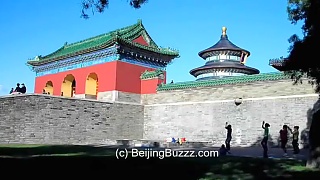
Part 1 : BeiHai Park, the Beijing Botanical Garden, the Confucius Temple, Ditan Park, the Minorities Ethnic Culture Park (Minzu), the Forbidden City, the Great Wall (at Badaling), JingShan Park, ZhongShan Park Part 2 : the Temple of Heaven, Tian'AnMen Square, QianMen, the Birds Nest national stadium, QianHai, PanJiaYuan, LiuYin Park, QingNianHu Park, RiTan Park, LianHuaChi Park, LongTan Park, NanLuoGuXiang and the Beijing Botanical Garden Part 3 : the Summer Palace, YuanMingYuan, XiangShan Park, TuanJieHu Park, XuanWu Park, Yuan Dynasty DaDa City Wall Park, YongHeGong Lama Temple and ZhongGuanCun, XiDan, CBD, ChongWenMen New World Center ice rink

Tag search ?