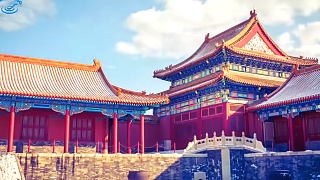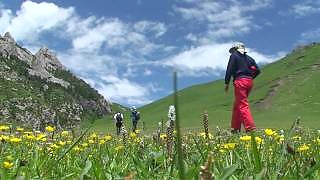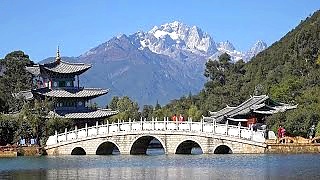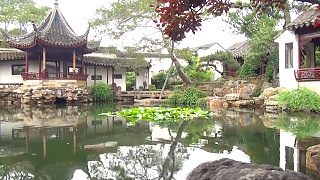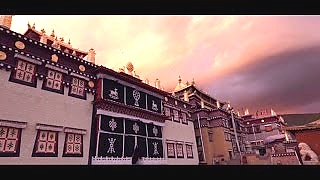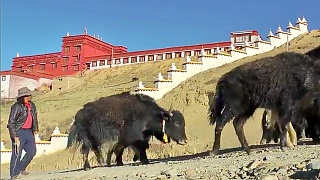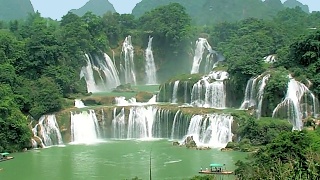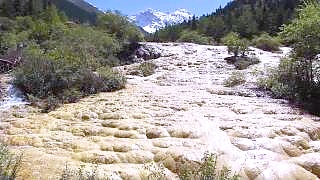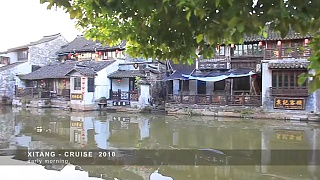
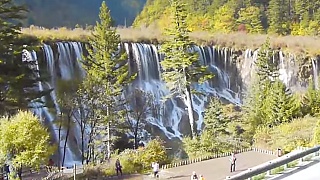
Scenes from JiuZhaiGou 九寨沟

[640],shadow=true,start=27,stop=

JiuZhaiGou Valley (九寨沟), literally 'Nine Villages Valley', is a nature reserve and national park located in the north of SiChuan province, near the GanSu border.

JiuZhaiGou is part of the MinShan mountains on the edge of the Tibetan Plateau, and is known for its many multi-level waterfalls, colorful mineral lakes and snow-capped peaks. The elevation ranges from 2,000 to 4,500 meters (6,600 to 14,800 feet). It lies 330 km (205 miles) north of the provincial capital of Chengdu and is a UNESCO World Heritage Site.

This remote region has been inhabited by various Tibetan and Qiang peoples for many centuries.

The valleys here are lined with 55 km of roads for shuttle buses, as well as wooden boardwalks and small pavilions. The boardwalks are typically located on the opposite side of the lakes from the roads.

Many visitors will first take the shuttle bus to the end of RiZe or ShuZheng valley, then make their way back downhill by foot on the boardwalks, taking the bus when the next site is deemed too distant.

JiuZhaiGou is a ten hour bus ride from ChengDu, or one can fly from ChengDu or ChongQing to JiuZhai HuangLong Airport, then take an hour long bus ride to HuangLong, or a 90 minute ride to JiuZhaiGou. There is also a daily flight to Xi'An, in the peak season, and from BeiJing, ShangHai and HangZhou.
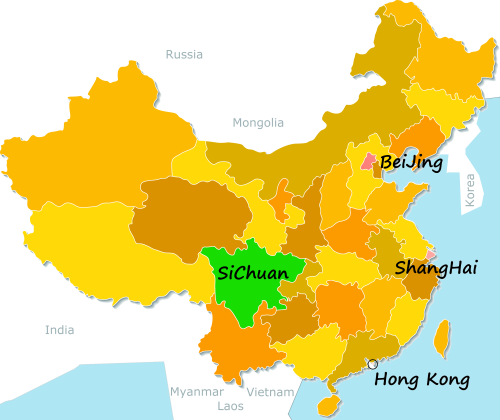
SiChuan map

Related Videos


Featured Videos

A guide to XiaMen, FuJian province
With CGTN Travelogue ... With Blondie in China ... Xiamen Visitor Guide Introduction Xiamen, a coastal city in Fujian Province, is known for its scenic views, rich history, and vibrant cultural scene. With its mix of modern urban life and traditional charm, Xiamen offers visitors an unforgettable experience. This guide will provide you with all the essential information to explore Xiamen's beautiful beaches, historic sites, and delicious cuisine. Key Attractions 1. Gulangyu Island Gulangyu Island, a UNESCO World Heritage site, is just a short ferry ride from Xiamen's main city. Known for its colonial architecture, winding streets, and absence of vehicles, Gulangyu offers a peaceful retreat from the bustling city. Highlights include the Piano Museum, Sunlight Rock, and the Shuzhuang Garden. 2. Nanputuo Temple Nanputuo Temple is one of the most famous Buddhist temples in China. Located at the foot of Wulaofeng (Five Old Men Peaks), the temple complex includes beautiful halls, statues, and a large lotus pond. Visitors can also hike up the mountain behind the temple for panoramic views of Xiamen. 3. Xiamen University Xiamen University is often considered one of the most beautiful campuses in China. Visitors can explore its lush grounds, see the historic buildings, and walk around the tranquil Furong Lake. The university is located near Nanputuo Temple, making it convenient to visit both in one trip. 4. Zhongshan Road Pedestrian Street Zhongshan Road is a bustling pedestrian street filled with shops, street food vendors, and historic buildings. It's a great place to experience local life, shop for souvenirs, and taste Xiamen's famous snacks, such as peanut soup and oyster omelets. 5. Hulishan Fortress This coastal defense fortress was built in the late 19th century during the Qing Dynasty. The site includes ancient cannons, barracks, and a small museum detailing Xiamen's military history. Hulishan Fortress offers insights into China's coastal defense history and provides scenic views of the ocean. Cultural Activities Xiamen is a city rich in culture and tradition. Here are some activities to help you experience the local culture: Tea Tasting: Fujian Province is famous for its tea, and Xiamen is a great place to taste high-quality oolong tea. Visit a local tea house or the Xiamen Tea Culture Museum to learn about the tea-making process and enjoy a traditional tea ceremony. Temple Visits: In addition to Nanputuo Temple, explore other local temples such as the Hongshan Temple and the Tianhou Temple, dedicated to the goddess of the sea, Mazu. Attend a Minnan Opera Performance: Minnan opera, also known as Hokkien opera, is a traditional form of Chinese opera popular in Fujian. Catch a performance to experience this unique cultural expression. Explore Local Markets: Visit markets like the Eighth Market (Ba Jiao Ting Market) to see local produce, seafood, and traditional foods. It's a great way to experience the local lifestyle and cuisine. Dining Options Xiamen is a paradise for food lovers, offering a wide range of local dishes and seafood delicacies. Here are some must-try dining experiences: Seafood: Being a coastal city, Xiamen boasts fresh seafood dishes. Try local specialties like sandworm jelly, steamed mantis shrimp, and crab porridge. Shacha Noodles: This famous noodle dish is made with a unique peanut-based shacha sauce, pork, and various vegetables. It is a staple of Xiamen's street food scene. Spring Rolls: Xiamen-style spring rolls are a popular snack. They are filled with a mix of vegetables, meat, and sometimes seafood, wrapped in thin dough and fried to a crispy perfection. Local Snacks: Don't miss out on trying local snacks like peanut soup, oyster omelet, and rice dumplings (zongzi). You can find these at street food stalls and markets. Dim Sum: For a more formal dining experience, visit a local dim sum restaurant to enjoy a variety of steamed buns, dumplings, and other small dishes. Shopping Xiamen offers a wide range of shopping experiences, from modern malls to traditional markets: SM City Xiamen: This large shopping mall is one of the most popular in Xiamen, offering international brands, local shops, and a variety of dining options. Zhongshan Road: A pedestrian street known for its local boutiques, souvenir shops, and street food. It's a great place to buy local crafts, tea, and snacks. Shapowei Art Zone: A trendy area with art galleries, coffee shops, and boutique stores. It's an excellent spot for unique gifts and handmade items. Wuyuanwan Wetland Park Market: Visit this market for fresh produce, local snacks, and handmade goods. It's a perfect spot for those looking to experience local life and purchase fresh food. Practical Tips for Visitors Best Time to Visit: The best time to visit Xiamen is from October to December when the weather is pleasant, and the skies are clear. Spring (March to May) is also a good time, with mild temperatures and blooming flowers. Getting Around: Xiamen is well-connected by public transportation, including buses, taxis, and a metro system. Biking is also a popular way to explore the city, especially along the scenic coastline. Language: Mandarin is the primary language spoken in Xiamen, though many people understand basic English, especially in tourist areas. Learning a few basic Mandarin phrases or using a translation app can be helpful. Currency: The local currency is the Chinese Yuan (CNY). Most shops and restaurants accept credit cards, but it's a good idea to carry some cash, especially when shopping at local markets and street vendors. Respect Local Customs: Xiamen is a culturally rich city with many religious sites. Be respectful when visiting temples and other religious places. Dress modestly, especially when entering temples, and follow any rules regarding photography. Safety: Xiamen is a relatively safe city for tourists. However, as with any travel destination, keep an eye on your belongings, especially in crowded areas and markets.
QingXiu Mountain Scenic Area, NanNing, GuangXi province
Discover beautiful TianJin 天津 …
TianJin lies 30 minutes east of BeiJing by high speed rail, on the coast in north east China.
Mei Lan : Panda lunch, panda snooze – video
Three year old Mei Lan at Atlanta Zoo a couple of months before she was moved to the ChengDu Panda Base in China.
Pu’Er 普洱 National Park, plus local customs and tea culture
Pu'Er lies in south YunNan province, south China, not far from the borders with Myanmar and Laos, and is home to a number of ethnic groups. This area is rich in vegetation and wildlife. Pu'Er gives its name to a popular variety of fermented, aged, dark tea with a strong, earthy flavor. Pu'Er is about a four to five hours' drive from the provincial capital, KunMing.
The extraordinary LongJi (Dragon’s Backbone) rice terraces, GuangXi province
With EpicGlobe Walks ... Visitor Guide to the Longji Dragon’s Backbone Rice Terraces Introduction The Longji Dragon’s Backbone Rice Terraces, Longsheng County, Guangxi Province, are one of the most breathtaking agricultural landscapes in the world. These terraces, which resemble a dragon’s scales, were first built during the Yuan Dynasty (1271–1368) and have been maintained by the local Zhuang and Yao communities for centuries. The terraces are a testament to human ingenuity and harmony with nature. Best Time to Visit The Longji Rice Terraces are stunning year-round, but the best times to visit are: Spring (April–May): The terraces are filled with water, creating a mirror-like effect that reflects the sky and surrounding mountains. Summer (June–August): The rice paddies are lush and green, offering a vibrant landscape. Autumn (September–October): The rice turns golden, creating a warm, picturesque scene. Winter (November–February): The terraces are sometimes covered in snow, offering a serene and unique view. How to Get There The Longji Rice Terraces are approximately 100 kilometers from Guilin. Here’s how to reach them: By Bus: Take a bus from Guilin Bus Station to Longsheng (about 2 hours). From Longsheng, transfer to a local bus or taxi to the terraces (another 1 hour). By Private Car: Hiring a private car or taxi from Guilin is a convenient option and takes about 2.5 hours. By Tour: Many tour operators in Guilin offer day trips to the terraces, including transportation and guided tours. Main Attractions 1. Ping’an Terraces The Ping’an Terraces are the most accessible and popular section of the Longji Rice Terraces. Highlights include: Seven Stars with Moon: A cluster of seven small rice paddies surrounding a larger one, resembling stars and the moon. Nine Dragons and Five Tigers: A scenic spot where the terraces resemble dragons and tigers. 2. Jinkeng Terraces The Jinkeng Terraces are less crowded and offer stunning views. Key spots include: Golden Buddha Peak: The highest point in the area, offering panoramic views of the terraces. Yao Minority Villages: Visit the traditional villages of the Yao people, known for their long hair customs. Activities Hiking: Explore the terraces on foot via well-marked trails. Popular routes include Ping’an to Jinkeng and vice versa. Photography: Capture the stunning landscapes, especially during sunrise and sunset. Cultural Experiences: Visit local villages to learn about the Zhuang and Yao cultures, including traditional dances and handicrafts. Tips for Visitors Wear Comfortable Shoes: The terrain is hilly and uneven, so sturdy footwear is essential. Bring Layers: The weather can change quickly, especially at higher elevations. Stay Hydrated: Carry water, especially if you plan to hike. Respect Local Customs: Be mindful of the local cultures and traditions. Cash is King: Many local vendors and small businesses do not accept credit cards. Where to Stay There are several accommodation options near the terraces, ranging from guesthouses to boutique hotels. Popular choices include: Ping’an Village: Offers a range of guesthouses with stunning terrace views. Dazhai Village: Known for its Yao culture and cozy lodgings. Conclusion The Longji Dragon’s Backbone Rice Terraces are a must-visit destination for nature lovers, photographers, and cultural enthusiasts. Whether you’re hiking through the terraces, learning about local traditions, or simply soaking in the breathtaking views, this UNESCO World Heritage Site promises an unforgettable experience.
Mount DanXia 丹霞山 scenic area, GuangDong province
DānXiá Shān is a world famous UNESCO World Heritage Site Geo-Park. The area comprises a reddish sandstone which has been eroded over the years into a series of outcrops with spectacular cliffs and unusual rock formations. There are a number of temples in the mountains and many scenic paths. FuYiJiang River winds through the mountains and boat trips are possible.
Movie time – Let’s Get Married – a bitter/sweet romantic comedy
Xi’An city drive
In ShaanXi province. With Chinese Street View ...

Tag search ?