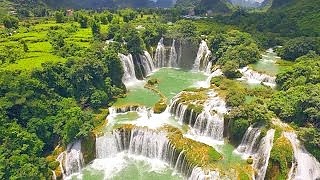
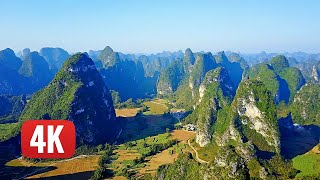
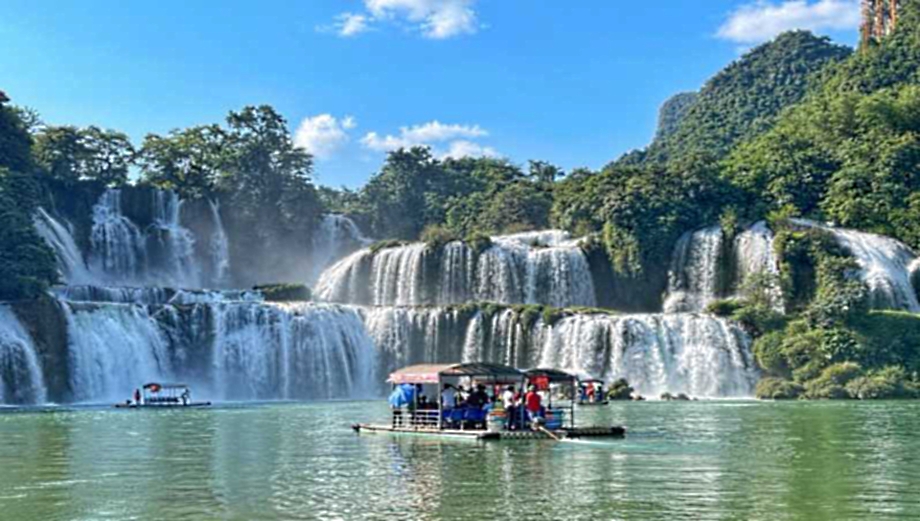
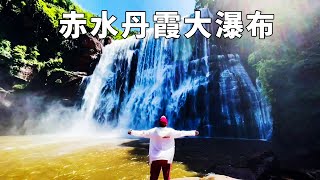
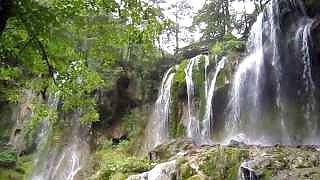
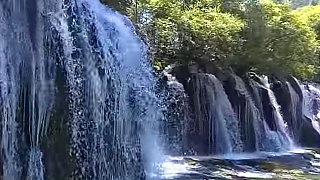
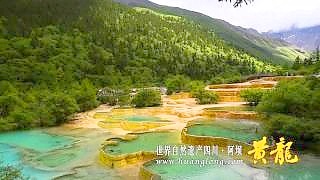
GuangXi Province, on the border with Vietnam.
Filmed in June 2009.
[640],shadow=true,start=3,stop=165
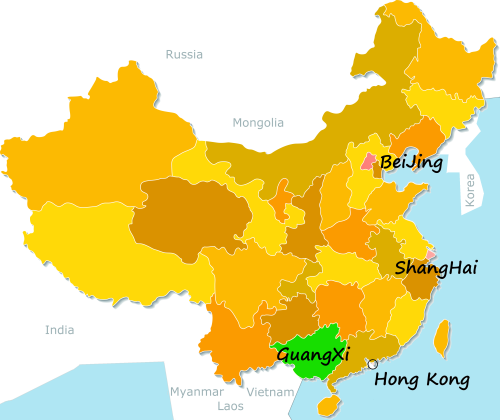
GuangXi map
Live more ...
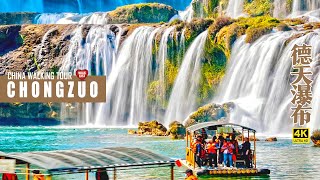
 The spectacular DeTian Waterfalls 德天瀑布
GuangXi Province, on the border with Vietnam.
Filmed in June 2009.

|
北京卫视网络春晚-雨花石+我的祖国+映山红- Beijing TV Net Spring Festival Evening, 2011.
Bonus songs, from the Voice of China TV show ...
|

|
An unusual video for the new year (it is not about China), but it relates to our by-line - 'live more'.
The past can provide wisdom, the future goals to strive for, but don't lose focus on the here and now - it is the true reality so don't miss it.
Wishing all the best in life to all our visitors. Do your best to make it happen, whatever your dreams, yet love and live each moment (it might not be one's ideal circumstance, but we can still make the most of it) ...
|
|
With Walk East ...
Bonus film - the Singing Sand Dunes of GanSu ...
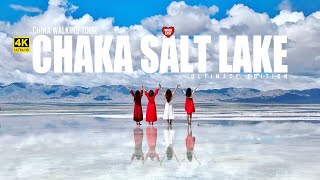
Visitor Guide to Chaka Salt Lake, QingHai
Overview
Chaka Salt Lake, located in the Haixi Mongolian and Tibetan Autonomous Prefecture in QingHai Province, is a stunning natural wonder known for its mirror-like reflection of the sky. Often referred to as the "Mirror of the Sky," this salt lake offers breathtaking views and a unique travel experience.
Getting There
By Air: The nearest airport is CaoJiabao Airport in XiNing, the capital of QingHai Province, located approximately 300 kilometers from Chaka Salt Lake. From the airport, you can take a taxi or a bus to XiNing Railway Station, and then a train or bus to Chaka Town.
By Train: You can take a train to Chaka Railway Station, which is well-connected to major cities like XiNing and Lhasa. From the station, you can take a local taxi or shuttle bus to the lake.
By Bus: Long-distance buses from XiNing and other cities in QingHai Province can take you to Chaka Town. From there, local buses and taxis are available to reach the lake.
Getting Around
Walking: The best way to explore Chaka Salt Lake is on foot, allowing you to fully immerse yourself in the stunning scenery and take beautiful photographs.
Local Transport: Taxis and shuttle buses are available for traveling to and from different parts of the lake area.
Main Attractions
Mirror Reflection
The most famous feature of Chaka Salt Lake is its mirror-like surface, which perfectly reflects the sky and surrounding mountains. The best time to see this phenomenon is on a clear day, especially during sunrise and sunset when the colors are most vibrant.
Salt Sculptures
The lake is surrounded by fascinating salt sculptures, created both naturally and by local artists. These sculptures add an artistic touch to the already stunning landscape.
Chaka Salt Lake Scenic Area
The scenic area offers well-maintained walkways, viewing platforms, and resting spots for visitors. It's a great place to take a leisurely stroll and enjoy the natural beauty of the lake.
Train Rides
A narrow-gauge tourist train runs along the edge of the lake, offering a unique perspective and a convenient way to see more of the area. The train ride is especially popular among families and photographers.
Stargazing
Due to its high altitude and clear skies, Chaka Salt Lake is an excellent location for stargazing. On a clear night, you can see a breathtaking display of stars, making it a popular spot for astronomy enthusiasts.
Local Cuisine
While visiting Chaka Salt Lake, you can enjoy a variety of local and regional dishes. Here are some recommendations:
Lamb Dishes: The region is known for its high-quality lamb, which is used in various dishes such as roasted lamb, lamb hotpot, and lamb kebabs.
QingHai Yogurt: Made from yak milk, QingHai yogurt is thick, creamy, and slightly tangy. It is often served with honey or sugar.
Tibetan Cuisine: Enjoy traditional Tibetan dishes such as tsampa (roasted barley flour), yak butter tea, and momos (dumplings).
Shopping
Salt Products: Chaka Salt Lake is a major producer of salt, and you can purchase various salt products, including salt crystals, salt lamps, and bath salts.
Local Handicrafts: Explore shops for traditional Tibetan and Mongolian handicrafts, such as jewelry, textiles, and wooden carvings.
Specialty Foods: Purchase local specialties such as dried yak meat, yak cheese, and Tibetan pastries.
Accommodation
Hotels: Chaka Town offers several hotels and guesthouses catering to different budgets, providing comfortable accommodations and easy access to the lake.
Eco-Lodges: For a more unique experience, consider staying in an eco-lodge or yurt near the lake, which offers stunning views and a closer connection to nature.
Historical Background of Chaka Salt Lake
Chaka Salt Lake has a history of salt production dating back over 3,000 years. The lake's salt has been an essential resource for local communities, providing economic support and playing a crucial role in daily life.
The name "Chaka" means "salt lake" in Tibetan, reflecting the area's significance in Tibetan culture. The lake has also been an important stop on the ancient Tea Horse Road, a trade route that connected China with Tibet and other regions.
In recent years, Chaka Salt Lake has developed into a major tourist destination, attracting visitors with its unique natural beauty and mirror-like reflections. The local government has invested in infrastructure and facilities to enhance the visitor experience while preserving the lake's natural environment.
Tips for Visitors
Best Time to Visit: The best times to visit Chaka Salt Lake are summer (June to August) and autumn (September to October) when the weather is mild and the lake's reflections are most impressive.
Clothing: Wear comfortable walking shoes and dress in layers to accommodate changing temperatures. Sun protection, such as hats and sunscreen, is also recommended.
Respect Local Customs: Be respectful of local customs and traditions, especially when visiting nearby Tibetan and Mongolian communities.
Language: While Mandarin is widely spoken, learning a few basic phrases or using a translation app can be very helpful.
Plan Your Visit: Chaka Salt Lake is best explored at a leisurely pace. Take your time to enjoy the stunning views, visit local attractions, and savor the local cuisine.
Conclusion
Chaka Salt Lake, with its breathtaking mirror reflections, unique salt sculptures, and rich cultural heritage, offers a one-of-a-kind travel experience. Whether you're exploring the scenic area, enjoying local cuisine, or stargazing under the clear night sky, Chaka Salt Lake provides a serene and memorable escape. Plan your visit carefully to make the most of your trip to this stunning destination in QingHai Province.
|
|
With Walk East ...
|
|
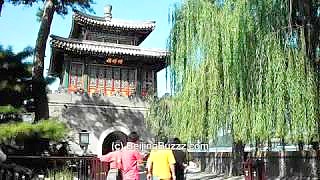
Filmed in October 2010
|

|
With HuNan TV ...
|
|
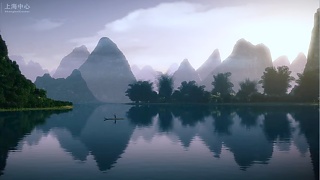
印象桂林
GuangXi province, south China.
Awesome, beautiful landscapes and culture ...
Amazing CGI.
|
|
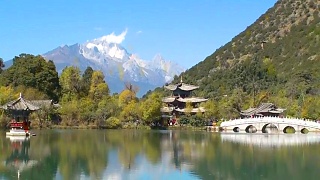
Beautiful place; lovely film ...
|

|
With Little Chinese Everywhere ...
Bonus film - with A German In China ...
|