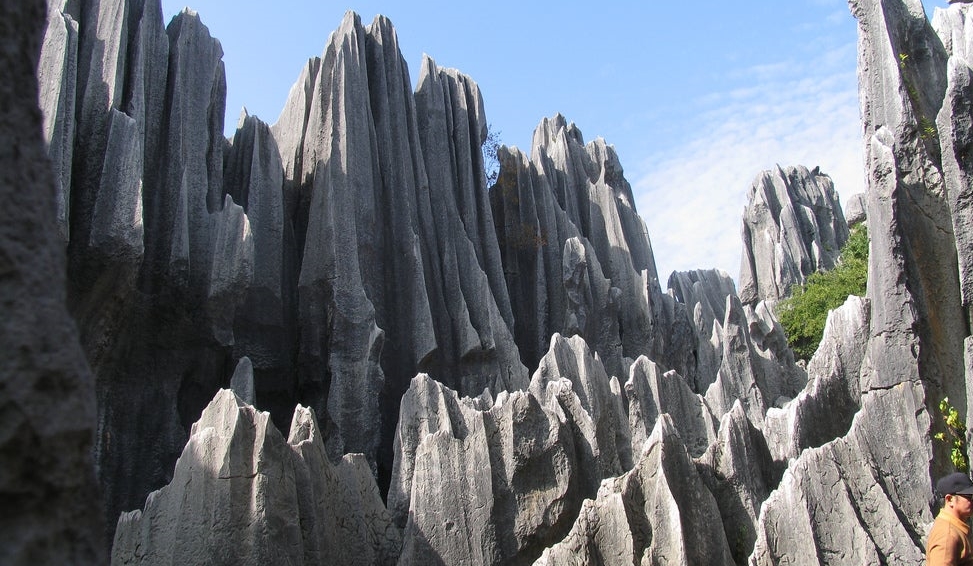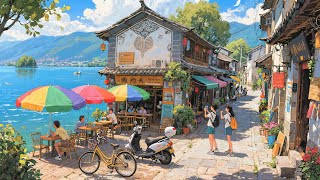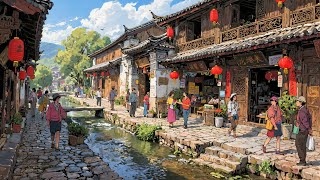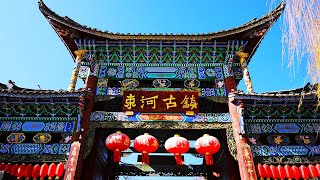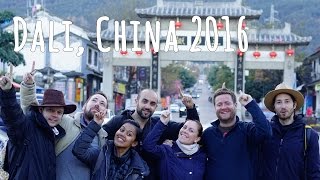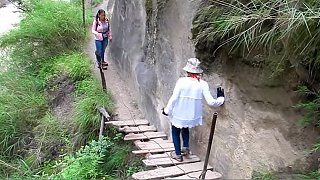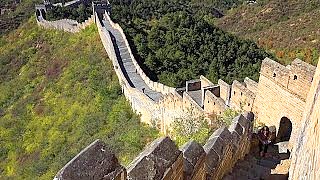
A trip to LiJiang, Jade Dragon Snow Mountain and Tiger Leaping Gorge, YunNan province – don’t miss it !

'Relax and hold on tight'.

With Gone With The Wynns ...

[640],shadow=true,start=,stop=

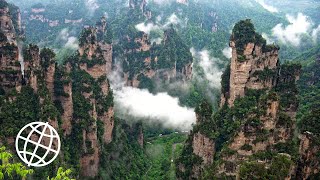
Bonus films - Tiger Leaping Gorge - with Amazing Places on Our Planet ...

[320],shadow=true,start=,stop=

With DuckTravel ...

[320],shadow=true,start=,stop=

Lijiang, located in the northwest of Yunnan Province in southwestern China, is a picturesque ancient town renowned for its stunning natural scenery, rich cultural heritage, and well-preserved traditional architecture. Here's a guide for tourists visiting Lijiang:

Historical and Cultural Significance:
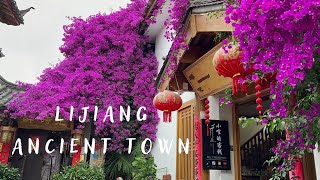
Ancient Town: Lijiang Old Town, a UNESCO World Heritage site, is a well-preserved ancient town with a history dating back over 800 years. It was an important stop on the ancient Tea Horse Road, a trading route connecting Yunnan with Tibet and Southeast Asia.

Naxi Culture: Lijiang is home to the Naxi ethnic minority, whose rich cultural heritage is reflected in the town's architecture, music, and customs. Visitors can experience Naxi culture through traditional music performances, local festivals, and visits to Naxi villages.

Top Attractions:
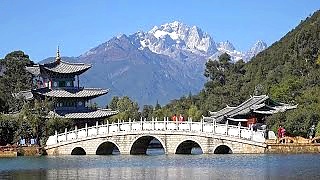
Lijiang Old Town: Explore the cobblestone streets, winding alleys, and historic buildings of Lijiang Old Town, which is renowned for its traditional Naxi architecture, wooden houses, and flowing canals. Highlights include the ancient Mu Residence, Black Dragon Pool Park, and Sifang Street.

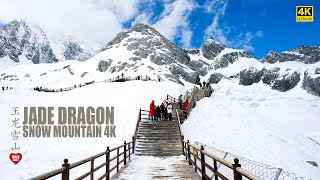
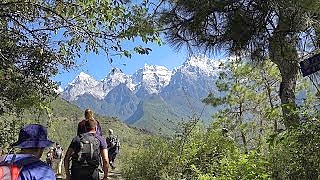
Jade Dragon Snow Mountain: Towering over Lijiang, Jade Dragon Snow Mountain is a majestic snow-capped mountain range known for its breathtaking scenery and diverse ecosystems. Visitors can take a cable car ride to the mountain's summit, hike along scenic trails, and enjoy panoramic views of the surrounding landscape.

Lijiang Mural: Baisha Village: Baisha Village, located near Lijiang, is home to a collection of ancient murals dating back to the Ming Dynasty. These exquisite frescoes depict scenes from Chinese mythology, religious rituals, and daily life, providing insights into the region's cultural heritage.

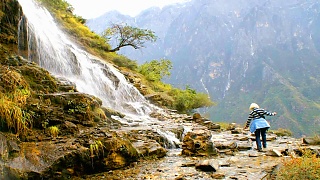
Tiger Leaping Gorge: Located about 60 kilometers north of Lijiang, Tiger Leaping Gorge is one of the deepest river canyons in the world and a popular destination for hiking and outdoor adventure. Visitors can trek along scenic trails, admire dramatic cliffs and waterfalls, and experience the natural beauty of the gorge.

Culinary Delights:
Yunnan Cuisine: Lijiang is known for its diverse and flavorful Yunnan cuisine, which features fresh ingredients, bold flavors, and influences from neighboring regions. Visitors can sample local specialties such as Yunnan hot pot, crossing-the-bridge noodles, and yak meat dishes at restaurants and street food stalls throughout the town.

Old Town Snacks: Explore the bustling markets and food stalls of Lijiang Old Town to discover a wide variety of snacks and delicacies, including fried cheese, sweet pastries, and rice cakes. Don't miss the opportunity to try local specialties like yak butter tea and rose-flavored desserts.

Practical Tips:
Weather: Lijiang enjoys a mild climate year-round, with cool summers and chilly winters. The best time to visit is during the spring (March to May) and autumn (September to November) when the weather is pleasant and the scenery is beautiful.

Altitude: Lijiang is situated at a high altitude, so visitors should take precautions to prevent altitude sickness, such as staying hydrated, avoiding strenuous activity, and acclimatizing gradually.

Transportation: Getting around Lijiang is convenient with its network of public buses, taxis, and bicycles. Many attractions in and around the town can be explored on foot or by bicycle, while taxis and buses provide transportation to more distant locations.

Accommodation: Lijiang offers a wide range of accommodation options, including boutique hotels, guesthouses, and traditional courtyard homes. Staying in Lijiang Old Town allows visitors to immerse themselves in the town's historic atmosphere and vibrant culture.

Lijiang offers a captivating blend of natural beauty, cultural heritage, and traditional charm, making it an enchanting destination for tourists seeking to explore the treasures of Yunnan Province. Whether marveling at ancient architecture, hiking through majestic mountains, or savoring local cuisine, Lijiang has something to offer for every traveler.
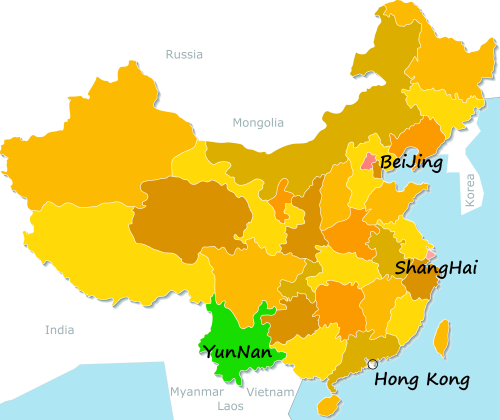
YunNan map

Related Videos


Featured Videos

‘Paris of the East’ in beautiful ShangHai
With Wei's Travel ... The French Concession in Shanghai is a place that condenses a century of history in modern Shanghai. It is the largest and most prosperous concession among the four concessions in old China. It was handed back to the Republic of China government in 1943, renamed the Eighth District. The French Concession in Shanghai was opened in 1849, experienced a slight expansion in 1900, and began to expand significantly in 1914 to establish the New French Concession. The French Concession maintained a high degree of independence in old Shanghai. The entire French Concession in Shanghai was the most high-end residential area in old Shanghai, and the architectural style can be said to be uniform. The reason why the Indigo tree is called French plane tree in China is also because it was first introduced by the French and planted in the French Concession in Shanghai. Shanghai's reputation as the "Paris of the East" is also named after the French Concession. Its architectural style is independent of the public concession and the Chinese border, and is almost the same as Paris thousands of miles away. The French had always maintained great control over the French Concession. 00:00 Highlights 精彩预览 01:40 ZIKAWEI Shopping Area 徐家汇商圈 04:22 Hengshan Lane 衡山坊 09:53 Xujiahui Park 徐家汇公园 22:07 EMI Building 百代小楼 25:10 Hengshan Boulevard 衡山路 27:29 Lipo Garden 丽波花园 31:08 Gaoan Garden 高安花园 33:57 Yongping Lane 永平里 38:52 No.8 Hengshan Avenue 衡山路8号园区 48:03 Hengshan Boulevard North Part 衡山路北段 50:32 Shanghai Symphony Orchestra 上海交响乐团 53:58 Clemen Apartment 克莱门公寓 58:31 Urumqi Middle Road 乌鲁木齐中路 01:07:58 Anfu Road 安福路 01:20:44 Wiggle Wiggle Flagship Store 01:29:36 Wukang Road 武康路 01:38:28 Ferguson Lane 武康庭 01:47:41 Wukang Building 武康大楼 01:52:03 CITE BOURGOGNE 步高里 01:54:57 Ruijin Hotel 瑞金宾馆 02:06:34 Yongkang Road 永康路 02:12:45 ICCF Garden 之禾卡纷花园 02:16:28 Shanghai Conservatory of Music 上海音乐学院 02:23:05 Old Downtown Highlights 梧桐街区精华
SanQing Shan 三清山 National Park
SanQing Shan, 三清山, is a renowned Taoist sacred site located 25 miles (40 km) north of YuShan County in JiangXi Province. With outstanding natural scenery, plants and wildlife, the park is a UNESCO World Heritage Site that in all covers 230 square kilometers. SanQing means the "Three Pure Ones" in Chinese as Mount SanQing is composed of three main summits: YuJing, YuShui, and YuHua, representing the Taoist trinity. YuJing (rising 1820 meters above sea level) is the highest. 三峰峻拔、如三清列坐其巅
A walk through DaLi ancient town, YunNan province
With Walk China ...
To be free of the past that rules our world – when we see what is rather than think of what should be
Childhood trauma, and the art of parenting - and much more - with Gabor Mate (don't miss it) ... More - on society ... The root attachment / addiction is to the idea of oneself as separate; self-perpetuating, including literally. Some might call this 'hell'.
Anti-genocide voices silenced in the US
With FridayEveryday ... With Jerry's Take on China ...
FunFancie goes to the Snow and Ice Festival in Harbin
LiJiang visitor guide, YunNan province
With Sun Kissed Bucket List ... Lijiang Visitor Guide Lijiang, in northwest Yunnan Province, is one of China's most scenic and culturally rich towns. Famous for its ancient town, UNESCO World Heritage Site status, and the surrounding natural beauty, Lijiang offers travelers a mix of historical exploration and outdoor adventure. The town is home to the Naxi ethnic group and features cobblestone streets, flowing canals, and traditional wooden houses, making it a must-visit destination. Overview Location: Lijiang is located in Yunnan Province, about 150 kilometers from Dali and 500 kilometers from Kunming. Famous For: Lijiang Old Town, Jade Dragon Snow Mountain, Naxi culture, and outdoor adventure opportunities. Getting There From Kunming: You can fly directly to Lijiang Sanyi Airport (1-hour flight) or take an overnight train (8-9 hours). From Dali: A bus or train ride from Dali to Lijiang takes about 2-3 hours. Best Time to Visit: The best months to visit Lijiang are from March to May and September to November when the weather is mild and dry. Top Attractions in Lijiang Lijiang Old Town (Dayan Ancient Town): A UNESCO World Heritage Site, Lijiang Old Town is known for its well-preserved ancient buildings, narrow stone streets, and vibrant Naxi culture. You’ll find traditional wooden houses, small canals flowing through the town, and plenty of small shops and restaurants. Mu's Residence (Mu Fu): This grand residence was the home of the Mu family, who ruled Lijiang for centuries. The residence is a fine example of Ming Dynasty architecture combined with Naxi design. Climb to the top for panoramic views of the Old Town. Jade Dragon Snow Mountain (Yulong Xueshan): A towering mountain range just outside Lijiang, Jade Dragon Snow Mountain is perfect for hiking, cable car rides, and stunning glacier views. The mountain is sacred to the Naxi people and a symbol of their culture. Black Dragon Pool (Heilongtan Park): Located just outside Lijiang Old Town, this park offers a peaceful retreat with a beautiful view of Jade Dragon Snow Mountain reflected in the lake. It's a popular spot for photographers and nature lovers. Shuhe Ancient Town: A smaller, quieter ancient town about 4 kilometers from Lijiang Old Town. Shuhe offers a more relaxed experience with fewer crowds, featuring similar architecture and charm. Cultural Experiences Naxi Culture: Lijiang is home to the Naxi ethnic group, who have a rich cultural heritage. Visit the Dongba Cultural Museum to learn about the Naxi language, religion, and customs. You can also witness traditional Naxi music performances at various venues around town. Naxi Ancient Music: This unique musical form dates back to the Tang and Song dynasties. A performance of Naxi ancient music is a great way to experience the traditional sounds of the region, often accompanied by cultural storytelling. Local Delicacies Lijiang Baba (丽江粑粑): A thick, crispy pancake made with wheat flour and stuffed with either savory or sweet fillings. This local snack can be found in street markets and small restaurants throughout Lijiang. Sanyue Rice Noodles (三月丽江米线): A popular rice noodle dish typically served with a spicy broth, pork or beef, and fresh herbs. Naxi BBQ: Grilled meats and vegetables, served with local spices and dipping sauces. It’s a common street food, especially in Shuhe Ancient Town. Butter Tea (酥油茶): A staple among the Naxi and Tibetan people in the region, butter tea is a rich, savory drink made from tea leaves, yak butter, and salt. Rose Petal Cake (玫瑰饼, méiguī bǐng): Similar to XiZhou, Lijiang also features the famous rose petal cake. It's a delicately sweet pastry filled with locally sourced rose jam, and it's a popular souvenir for visitors. Where to Stay Local Guesthouses: Lijiang has many family-run guesthouses located within the Old Town, offering traditional architecture and a cozy atmosphere. These are ideal for an authentic cultural experience. Boutique Hotels: For a more luxurious stay, boutique hotels with modern amenities are also available, often featuring beautiful views of the mountains or the Old Town. Tips for Visitors Language: Mandarin Chinese is spoken by most people, but the local Naxi dialect is also common. English is not widely spoken, so it’s helpful to have a translation app or basic Mandarin phrases. Respect Local Customs: When visiting religious sites or interacting with locals, be respectful of their customs. Dress modestly, especially when entering temples or Naxi family homes. Shopping: Lijiang is known for its handcrafted silverware, Naxi embroidery, and traditional wood carvings. Support local artisans by purchasing souvenirs from the local shops or markets. Nearby Attractions Tiger Leaping Gorge: One of the deepest gorges in the world, Tiger Leaping Gorge is a popular trekking destination about 60 kilometers from Lijiang. The hike offers dramatic views of the gorge and the Jinsha River below. Baisha Village: An ancient Naxi village about 10 kilometers from Lijiang. It’s famous for its ancient murals, which depict scenes from Naxi mythology and daily life. The village is much quieter than Lijiang, making it a peaceful side trip. Conclusion Lijiang is a destination that seamlessly blends cultural heritage with breathtaking natural landscapes. Whether you’re exploring the ancient streets of Lijiang Old Town, hiking the trails of Jade Dragon Snow Mountain, or learning about the unique Naxi culture, Lijiang offers something for every traveler. Plan your visit carefully to experience the best of both worlds—ancient history and outdoor adventure.
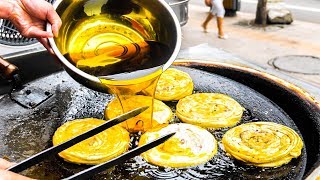
Custom tailoring in GuangZhou
Bonus film - new outfit for 200 yuan ...
A month in China : SiChuan province : tour suggestion from BeiJingBuzzz
SiChuan Province Tour, China This itinerary covers a diverse range of experiences in SiChuan Province, including city exploration, natural wonders, and cultural immersion. Week 1: Chengdu and Surroundings Explore the vibrant city of Chengdu, visit Tianfu Square, and experience local cuisine at Jinli Ancient Street. Visit the Chengdu Research Base of Giant Panda Breeding to see adorable pandas in their natural habitat. Take a day trip to the Leshan Giant Buddha, the world's largest stone Buddha statue, and explore the surrounding area. Visit the Wuhou Shrine and Jinsha Site Museum to learn about the history of the region. Week 2: Jiuzhaigou Valley and Huanglong Travel to Jiuzhaigou Valley, a UNESCO World Heritage Site known for its stunning turquoise lakes, waterfalls, and forests. Explore the scenic beauty of Jiuzhaigou National Park, including stops at Shuzheng Valley, Rize Valley, and Zechawa Valley. Visit Huanglong National Scenic Reserve, famous for its colorful pools, snow-capped peaks, and ancient temples. Enjoy hiking opportunities in both Jiuzhaigou and Huanglong, taking in the natural splendor of the region. Week 3: Mount Emei and Leshan Travel to Mount Emei, one of the Four Sacred Buddhist Mountains of China, and explore its scenic beauty and religious sites. Hike to the Golden Summit of Mount Emei to see the sunrise and visit the Huazang Temple and Giant Buddha Statue. Explore the ancient town of Leshan and visit the Lingyun Temple before taking a boat ride to see the Giant Buddha from below. Take a relaxing stroll along the riverside and enjoy local cuisine in Leshan. Week 4: Western Sichuan and Tibetan Culture Travel to Western Sichuan to explore the stunning landscapes of the Tibetan Plateau. Visit the town of Tagong and its famous Tagong Monastery, surrounded by picturesque grasslands and snow-capped mountains. Explore the town of Litang and visit the Litang Monastery, one of the largest and most important Tibetan Buddhist monasteries in Sichuan. Experience the unique Tibetan culture and hospitality in the region, including traditional dances, music, and cuisine.

Tag search ?