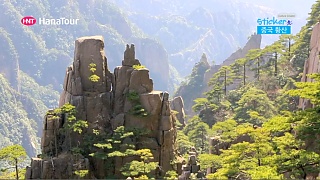
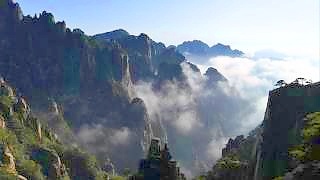
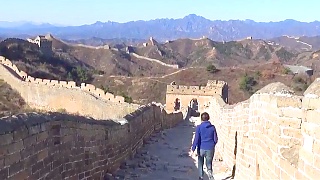
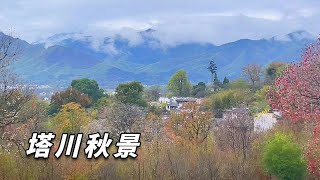
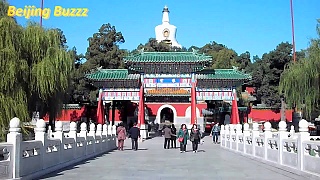
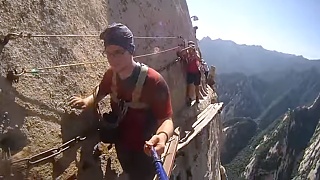
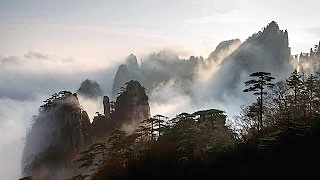
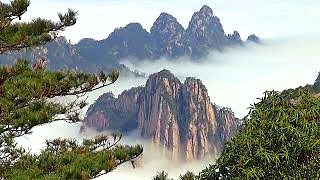
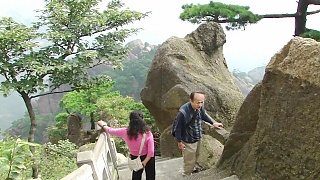
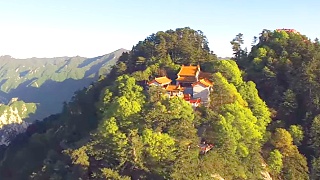
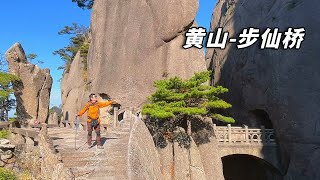
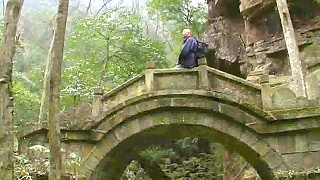
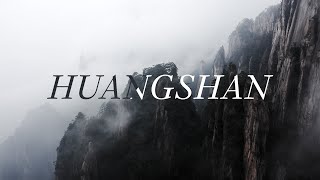
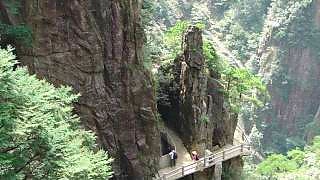
Hiking the magnificent HuangShan (Yellow Mountain) in autumn

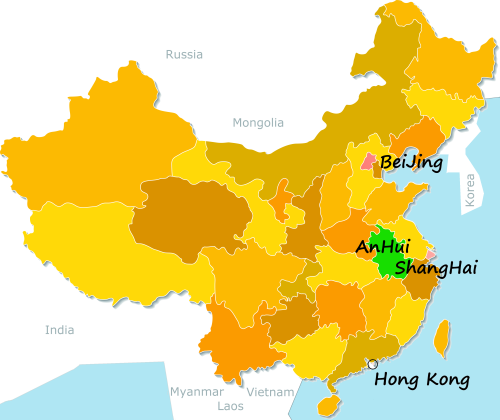
AnHui province ...

[640],shadow=true,start=,stop=
[320],shadow=true,start=,stop= [320],shadow=true,start=,stop= [320],shadow=true,start=,stop=
AnHui map

Related Videos


Featured Videos

A vegan taste of China – DiSanXian / 3 treasures of the earth (Potato, Pepper, and Aubergine)
DiSanXian (Potato, Pepper, and Aubergine) Introduction DiSanXian (地三鲜) is a popular Chinese dish from the northeastern region of China. The name "DiSanXian" translates to "Three Earthly Treasures," referring to the main ingredients: potatoes, peppers, and aubergines (eggplants). This dish is loved for its rich flavors and satisfying texture, making it a perfect vegan option for those looking to enjoy authentic Chinese cuisine. Ingredients 2 large potatoes 2 medium aubergines (eggplants) 1 green bell pepper 1 red bell pepper 2 cloves garlic, minced 2 tablespoons soy sauce 1 tablespoon vinegar 1 teaspoon sugar Salt to taste Cooking oil Chopped spring onions (optional, for garnish) Preparation DiSanXian is a straightforward dish to prepare, requiring basic cooking techniques and common ingredients. Here's how to make it: Step 1: Prepare the Vegetables Peel the potatoes and cut them into thin slices or wedges. Cut the aubergines into bite-sized pieces. Remove the seeds from the bell peppers and cut them into strips. Step 2: Fry the Vegetables Heat oil in a wok or large frying pan over medium-high heat. Fry the potato slices until they are golden and crispy, then remove and set aside. Next, fry the aubergine pieces until they are tender and slightly browned, then remove and set aside. Finally, fry the bell pepper strips for a few minutes until they are slightly softened. Step 3: Combine and Season In the same wok or pan, add a little more oil if needed and sauté the minced garlic until fragrant. Add the fried potatoes, aubergines, and bell peppers back into the pan. Stir in the soy sauce, vinegar, sugar, and a pinch of salt. Toss everything together until the vegetables are well-coated with the sauce and heated through. Step 4: Serve Transfer the DiSanXian to a serving plate and garnish with chopped spring onions, if desired. Serve hot with steamed rice for a complete and satisfying meal. Tips and Variations Adjusting Spice Level: If you prefer a spicier version, add some chopped chili peppers or a pinch of chili flakes to the dish. Additional Vegetables: Feel free to add other vegetables like carrots, onions, or zucchini for more variety and nutrition. Low-Oil Option: For a healthier version, you can roast the vegetables instead of frying them. Toss them with a little oil and roast in the oven until tender and lightly browned. Sauce Variations: Experiment with different sauces, such as adding a touch of hoisin sauce for sweetness or using black bean sauce for a deeper flavor. Nutritional Information DiSanXian is not only delicious but also nutritious. Here is an approximate nutritional breakdown for a typical serving of DiSanXian: Calories: 250-300 kcal Protein: 4-6 grams Carbohydrates: 30-35 grams Fat: 12-15 grams Fiber: 5-7 grams Vitamins and Minerals: High in Vitamin C, potassium, and antioxidants from the vegetables. This makes DiSanXian a well-rounded dish that provides energy, essential nutrients, and dietary fiber. Where to Find DiSanXian in China DiSanXian is a popular dish in northeastern China but can be found in many Chinese restaurants throughout the country. Look for restaurants that specialize in northeastern Chinese cuisine or those that offer a wide range of vegetable dishes. You can also find DiSanXian in some vegetarian and vegan restaurants. Conclusion DiSanXian is a delicious and versatile vegan dish that highlights the simple yet rich flavors of Chinese cuisine. Whether you're a seasoned vegan or just looking to try something new, DiSanXian is sure to please your taste buds with its satisfying combination of potatoes, peppers, and aubergines. Enjoy this delightful dish at home or seek it out during your travels in China for an authentic culinary experience.
China’s new 600 kph maglev rail, and what it means for Belt & Road partners
Exploring ancient KaiFeng, HeNan province
With China Walking Tour ... 1. Daxiangguo Temple (大相国寺) Daxiangguo Temple is one of the most renowned Buddhist temples in China, located in the heart of Kaifeng. Originally built during the Northern Wei Dynasty (early 6th century), it has a history spanning over 1,400 years. The temple is famous for its grand architectural design and historical significance, as it was once a prominent center for Buddhist learning and cultural exchange. Visitors can admire its ancient wooden structures, exquisite carvings, and beautiful gardens. The temple is also known for housing numerous cultural relics, including ancient Buddhist scriptures and statues. 2. Shan, Shan, and Gan Guild Hall (山陕甘会馆) The Shan, Shan, and Gan Guild Hall, also known as the Shanxi, Shaanxi, and Gansu Guild Hall, is an impressive historical building that once served as a meeting place for merchants from these regions. Located near the Kaifeng Ancient City Wall, the guild hall is a fine example of traditional Chinese architecture, showcasing intricate woodwork, carved beams, and painted ceilings. It reflects the vibrant commercial life of Kaifeng during the Song Dynasty when it was a bustling trade hub. The hall also features a rich collection of artifacts that offer a glimpse into the merchant culture of the time. 3. Longting Park (龙亭公园) Longting Park, or Dragon Pavilion Park, is one of Kaifeng’s most famous scenic spots, known for its serene beauty and historical importance. The park is home to the Longting Pavilion, a magnificent structure originally built during the Song Dynasty as a royal palace. The pavilion has been reconstructed over the years, but it still retains its grandeur and historical charm. Surrounded by tranquil lakes and lush greenery, Longting Park is a perfect place to explore the fusion of nature and ancient Chinese architecture. It also houses several other historical buildings and cultural relics, making it a must-visit for anyone interested in Chinese history. 4. Chinese Han Garden (中国翰园) The Chinese Han Garden, or Zhongguo Han Yuan, is a unique cultural and architectural park dedicated to showcasing the history and achievements of the Han Dynasty. Located in Kaifeng, this garden beautifully blends traditional Chinese landscape design with ancient architectural styles. It features a collection of pavilions, bridges, and pathways that recreate the atmosphere of the Han Dynasty. The park is home to numerous stone tablets inscribed with famous Chinese calligraphy and poetry, providing visitors with an insight into the intellectual and artistic accomplishments of the era. The tranquil surroundings and impressive structures make it a peaceful retreat for history enthusiasts. These landmarks offer a deep dive into the rich history and architectural grandeur of Kaifeng, making them essential stops for any traveler exploring the city’s cultural heritage. Video 2 The Qingming Riverside Landscape Garden (Qingming Shanghe Yuan, 清明上河园) is a large-scale cultural and historical theme park located in Kaifeng, Henan Province, China. It is inspired by the famous ancient Chinese painting "Along the River During the Qingming Festival" (清明上河图) by the Song Dynasty artist Zhang Zeduan. The park recreates the bustling city life and natural scenery depicted in the painting, reflecting the prosperity of the Northern Song Dynasty (960–1127 AD). Historical Reproduction: The park meticulously reconstructs the architecture, streets, waterways, marketplaces, and daily life of Bianjing (modern-day Kaifeng), the capital of the Northern Song Dynasty. This immersive environment gives visitors a glimpse into the ancient city's urban culture and economic vitality. Performances and Activities: Qingming Riverside Landscape Garden offers daily performances showcasing traditional Chinese culture, including folk dances, acrobatics, and reenactments of Song Dynasty customs. Highlights include the Imperial Court Parade, martial arts demonstrations, and shadow puppet shows. Cultural Exhibits: Visitors can explore Song-era crafts, such as pottery, calligraphy, and silk weaving. The park also features exhibits about the technologies and trade practices of the time. Interactive Experiences: Guests can dress in traditional Song Dynasty attire, participate in ancient games, and take boat rides along the carefully designed canals that replicate the waterways in the painting. Festivals and Night Tours: During special occasions like the Qingming Festival and the Mid-Autumn Festival, the park hosts themed events and illuminates its buildings, creating a magical night-time atmosphere. Significance: Qingming Riverside Landscape Garden is not only a popular tourist attraction but also an important educational site, offering visitors insights into the rich history and culture of the Northern Song Dynasty. It serves as a living museum, celebrating the artistic and architectural achievements of ancient China. Whether you're a history enthusiast, a culture lover, or simply looking for a unique travel experience, this park is a must-visit destination in Henan Province.
Cancer as reversion to single cell survival through chronic inflammation
With Dr. Jason Fung ...
BeiJing 北京 food tour – mmm …
With the Food Ranger, Trevor James, featuring ChuChu ...
FanJing mountain, GuiZhou
KunMing 昆明, provincial capital of YunNan
Happiness versus pleasure
One can see this distinction in the wider society too - East vs. West; cultures with different foundations - long term (family, infrastructure, community, the arts) versus short term (hype, sex, gossip, war). Mature versus immature. We versus me. The immature mind thinks 'me'; the mature mind understands that life is really about 'we'. Maturity is when one grows beyond the narcissism phase *. 'I' am just a small part of a bigger 'I' - humanity. With Dr. Robert Lustig ... One is controlled when one believes what one has been told (sold). Freedom is removing these mind chains and seeing reality. ----- * (footnote) At BB, we think that narcissism is a development phase that most transition out of; but some stay there and it can become exaggerated. The traditional views might also be true; likely, there is an interplay involved. ----- ----- Aside #1 : Q : Why does BB have so much content about health - nutrition and mental well-being ? A : Because it is fundamental to everything else; one cannot see the beauty of life if one's mind is mixed up; one cannot live life to the full if one is ill. ----- ----- Aside #2 : Confucius : One can grow from everybody one meets. On life's journey, one will meet wise people - learn from them; one will also meet foolish people - look deep within to see if one also has these follies.
The US is trying to destabilize all of the BRICS countries
With Through The Eyes Of and Scott Ritter ...

Tag search ?