HanFu in SuZhou, with FunFancie – don’t miss it

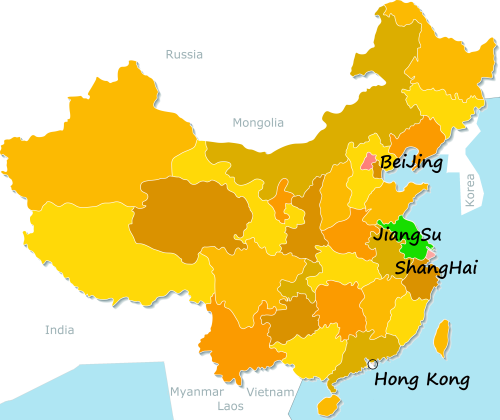
JiangSu province.

[640],shadow=true,start=,stop=

[320],shadow=true,start=,stop=
JiangSu map

Related Videos


Featured Videos

A month in China : SiChuan province : tour suggestion from BeiJingBuzzz
SiChuan Province Tour, China This itinerary covers a diverse range of experiences in SiChuan Province, including city exploration, natural wonders, and cultural immersion. Week 1: Chengdu and Surroundings Explore the vibrant city of Chengdu, visit Tianfu Square, and experience local cuisine at Jinli Ancient Street. Visit the Chengdu Research Base of Giant Panda Breeding to see adorable pandas in their natural habitat. Take a day trip to the Leshan Giant Buddha, the world's largest stone Buddha statue, and explore the surrounding area. Visit the Wuhou Shrine and Jinsha Site Museum to learn about the history of the region. Week 2: Jiuzhaigou Valley and Huanglong Travel to Jiuzhaigou Valley, a UNESCO World Heritage Site known for its stunning turquoise lakes, waterfalls, and forests. Explore the scenic beauty of Jiuzhaigou National Park, including stops at Shuzheng Valley, Rize Valley, and Zechawa Valley. Visit Huanglong National Scenic Reserve, famous for its colorful pools, snow-capped peaks, and ancient temples. Enjoy hiking opportunities in both Jiuzhaigou and Huanglong, taking in the natural splendor of the region. Week 3: Mount Emei and Leshan Travel to Mount Emei, one of the Four Sacred Buddhist Mountains of China, and explore its scenic beauty and religious sites. Hike to the Golden Summit of Mount Emei to see the sunrise and visit the Huazang Temple and Giant Buddha Statue. Explore the ancient town of Leshan and visit the Lingyun Temple before taking a boat ride to see the Giant Buddha from below. Take a relaxing stroll along the riverside and enjoy local cuisine in Leshan. Week 4: Western Sichuan and Tibetan Culture Travel to Western Sichuan to explore the stunning landscapes of the Tibetan Plateau. Visit the town of Tagong and its famous Tagong Monastery, surrounded by picturesque grasslands and snow-capped mountains. Explore the town of Litang and visit the Litang Monastery, one of the largest and most important Tibetan Buddhist monasteries in Sichuan. Experience the unique Tibetan culture and hospitality in the region, including traditional dances, music, and cuisine.
Vegan street food in ChangSha, HuNan province
With Vegan in China ... With GoYvon ... Vegan Food in China Introduction China is a vast country with a rich culinary history, and it offers a variety of delicious vegan options. From traditional Buddhist vegetarian cuisine to modern plant-based dishes, vegan travelers will find a wide range of flavors and textures to enjoy. This guide explores the vegan food scene in China, highlighting popular dishes, regional specialties, and tips for finding vegan-friendly restaurants. Traditional Vegan Dishes Many traditional Chinese dishes are naturally vegan or can be easily modified to suit a vegan diet. Here are some popular vegan dishes you can find throughout China: Mapo Tofu (麻婆豆腐) Mapo Tofu is a spicy and flavorful dish made with soft tofu, fermented black beans, and a chili sauce. While the traditional version often includes minced meat, you can find vegan versions at many restaurants or request it without meat. Buddha's Delight (罗汉斋) Buddha's Delight is a popular vegetarian dish in Chinese Buddhist cuisine. It consists of a variety of vegetables, tofu, and sometimes mushrooms, all stir-fried in a savory sauce. This dish is often served during Chinese New Year and other festive occasions. Jiaozi (饺子) Jiaozi, or dumplings, can be found with various vegan fillings such as mushrooms, cabbage, and tofu. These delicious dumplings are often steamed or boiled and served with a soy-based dipping sauce. Stir-Fried Vegetables (炒青菜) Stir-fried vegetables are a staple in Chinese cuisine and can be easily found in almost any restaurant. Common vegetables used include bok choy, spinach, broccoli, and snow peas, all stir-fried with garlic and a light soy sauce. Regional Specialties Sichuan Cuisine Sichuan cuisine is known for its bold and spicy flavors. Many dishes can be made vegan by substituting meat with tofu or vegetables. Look for dishes like Sichuan Hot Pot with vegetable broth and an array of vegetables, or Kung Pao Tofu, a spicy stir-fry with peanuts and vegetables. Cantonese Cuisine Cantonese cuisine features lighter flavors and fresh ingredients. Popular vegan options include Dim Sum with vegetable fillings, stir-fried greens, and Congee, a rice porridge that can be made with mushrooms and other vegetables. Shandong Cuisine Shandong cuisine is known for its hearty and savory dishes. Vegan options include stir-fried tofu, vegetable stews, and steamed buns filled with vegetables. Shandong cuisine also features a variety of soups made with vegetables and grains. Finding Vegan-Friendly Restaurants While many traditional Chinese restaurants offer vegan options, there are also specialized vegetarian and vegan restaurants in major cities. Here are some tips for finding vegan-friendly places to eat: Use Apps: Apps like HappyCow can help you find vegan and vegetarian restaurants in China. These apps often include reviews and recommendations from other travelers. Learn Key Phrases: Knowing a few key phrases in Mandarin can be helpful when ordering food. For example, "wǒ chī sù" (我吃素) means "I eat vegetarian" and "bù yào ròu" (不要肉) means "no meat". Visit Buddhist Temples: Many Buddhist temples have vegetarian restaurants that serve delicious vegan meals. These are often affordable and offer a peaceful dining experience. Ask for Modifications: Don't hesitate to ask for modifications to make a dish vegan. Most restaurants are accommodating and can make adjustments to suit your dietary needs. Vegan Snacks and Street Food China's street food scene is vibrant and offers many vegan-friendly options. Here are some popular vegan snacks and street foods to try: Sesame Balls (麻团) Sesame balls are deep-fried pastries made with glutinous rice flour and filled with sweet red bean paste. They are coated in sesame seeds, giving them a crunchy texture and a sweet flavor. Spring Rolls (春卷) Spring rolls are a popular snack made with thin pastry wrappers filled with vegetables and sometimes tofu. They are usually deep-fried to a crispy golden brown and served with a dipping sauce. Grilled Vegetables (烤蔬菜) Many street vendors offer grilled vegetables, such as corn on the cob, mushrooms, and bell peppers. These are often seasoned with a mix of spices and grilled to perfection. Tofu Skewers (豆腐串) Tofu skewers are a popular street food snack made with marinated tofu chunks grilled on skewers. They are often seasoned with chili and cumin, giving them a spicy and savory flavor. Vegan Grocery Shopping In addition to dining out, you can also find a variety of vegan products in grocery stores and markets in China. Look for fresh fruits and vegetables, tofu, tempeh, and plant-based milk. Many supermarkets also carry imported vegan products such as plant-based meat, dairy-free cheese, and vegan snacks. Travel Tips for Vegans Plan Ahead: Research vegan-friendly restaurants and grocery stores in advance, especially if you're traveling to less touristy areas where options might be limited. Pack Snacks: Carrying snacks like nuts, dried fruit, and energy bars can be helpful when you're on the go and need a quick vegan option. Communicate Clearly: Use translation apps or carry a card with dietary preferences written in Mandarin to help communicate your needs to restaurant staff. Be Open-Minded: Trying new foods is part of the travel experience. Be open to exploring local vegan dishes and experimenting with new flavors and ingredients. Stay Informed: Join online vegan communities and forums to get tips and recommendations from other vegan travelers in China.
ShangHai Summer – don’t miss it !
With Wei's Travel ... ShangHai can be considered a 'garden city' due to its extensive green spaces, parks, and efforts to integrate nature within its urban environment. Here are some key aspects that contribute to this : ### Extensive Green Spaces and Parks 1. **Large Urban Parks**: Shanghai is home to numerous large parks such as Century Park, Gongqing Forest Park, and Shanghai Botanical Garden. These parks provide significant green spaces within the city and offer residents and visitors places to relax and enjoy nature. 2. **Green Belt**: The city has developed green belts and corridors that integrate natural elements into the urban landscape, helping to connect different green spaces and providing continuous natural areas for walking, cycling, and leisure. ### Historical and Traditional Gardens 3. **Traditional Chinese Gardens**: Shanghai boasts several well-preserved traditional Chinese gardens, such as Yu Garden (YuYuan), which exemplify classical Chinese garden design with ponds, rockeries, pavilions, and intricate landscaping. These gardens reflect the city's historical commitment to integrating nature with urban living. ### Urban Greening Initiatives 4. **Street Landscaping**: Many of Shanghai's streets are lined with trees, flowers, and shrubs, contributing to a greener urban environment. The city has invested in extensive landscaping to enhance the aesthetic appeal and environmental quality of its streets and boulevards. 5. **Vertical Gardens and Green Roofs**: Shanghai has embraced innovative urban greening techniques such as vertical gardens and green roofs on buildings. These initiatives help to increase the amount of greenery in densely populated urban areas and contribute to better air quality and urban biodiversity. ### Green Urban Planning 6. **Sustainable Development**: Shanghai's urban planning policies emphasize sustainable development and the creation of eco-friendly urban spaces. This includes the development of eco-districts and the incorporation of green spaces into new residential and commercial developments. 7. **Waterfront Revitalization**: The revitalization of waterfront areas along the Huangpu River and Suzhou Creek has included the creation of green promenades, parks, and recreational areas that provide residents with access to nature and enhance the city's overall green infrastructure. ### Community and Public Engagement 8. **Public Involvement**: The city encourages public participation in maintaining and developing green spaces through community gardens and public involvement initiatives. This engagement helps to foster a sense of ownership and responsibility for the city's natural environments. ### Environmental Conservation 9. **Biodiversity Conservation**: Efforts to preserve and enhance biodiversity within the city, such as the creation of urban wildlife habitats and conservation areas, contribute to Shanghai's identity as a garden city. ### Seasonal Flower Displays 10. **Flower Festivals and Displays**: Shanghai hosts various flower festivals and seasonal floral displays that enhance the city's visual appeal and celebrate its botanical diversity. These events attract tourists and residents alike, further emphasizing the city's green character. ### Conclusion Shanghai's commitment to integrating green spaces and nature into its urban environment through parks, traditional gardens, innovative greening techniques, and sustainable urban planning practices helps to position it as a 'garden city.' These efforts not only enhance the city's aesthetic appeal but also contribute to the well-being of its residents and the sustainability of its urban ecosystem.
Chinese 101 for beginners
With Learn Chinese with ChineseClass101.com ... With Andy and Sarah Mandarin ...
This is LiuZhou 柳州, GuangXi province
Zhou Shen & Sa DingDing at the mid-autumn festival – Upwards to the Moon
Zhou Shen & Sa Dingding singing at the Mid Autumn Festival "Upwards to the Moon" 《左手指月》...
ShangHai 上海 city
Filmed in winter 2011 / 2012
Alex (Reportify) and Daniel Dumbrill – a chat while driving around outer ChongQing
Two well known faces here, and great guys, discuss reality and fantasy, and much more ...
Inside the YuTong bus factory
With Walkabout Rojo ...

Tag search ?