ShangHai Book City mall

With Wei's Travel ...

[640],shadow=true,start=,stop=

Bonus films - with FunFancie ...

[320],shadow=true,start=,stop= [320],shadow=true,start=,stop=

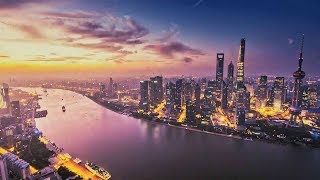
Shanghai is one of China's most dynamic and cosmopolitan cities, blending a rich history with modern skyscrapers and vibrant culture. Here's what you need to know as a tourist visiting Shanghai:

Historical and Cultural Landmarks:
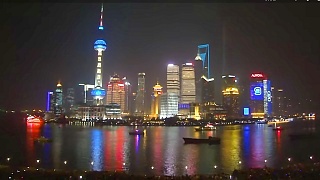
The Bund: This iconic waterfront promenade along the Huangpu River features colonial-era buildings on one side and futuristic skyscrapers on the other, offering stunning views of Shanghai's skyline.

Yu Garden: Dating back to the Ming dynasty, Yu Garden is a classical Chinese garden with pavilions, ponds, and rockeries. The nearby Yu Garden Bazaar is a great place to shop for souvenirs and traditional crafts.

Shanghai Museum: Home to an extensive collection of Chinese art and artifacts, including bronzes, ceramics, paintings, and calligraphy, the Shanghai Museum is a must-visit for history and art enthusiasts.

Jing'an Temple: One of Shanghai's most famous Buddhist temples, Jing'an Temple is known for its beautiful architecture, peaceful atmosphere, and towering golden Buddha statue.

Modern Attractions:
Shanghai Tower: Ascend to the observation deck of this iconic skyscraper, the tallest in China and the second-tallest in the world, for panoramic views of the city.

The Oriental Pearl TV Tower: Another iconic landmark, this futuristic tower offers observation decks, a glass-bottomed skywalk, and a revolving restaurant.

Shanghai Disneyland: Located in the Pudong district, Shanghai Disneyland offers a magical experience for visitors of all ages with its themed lands, attractions, and entertainment.

Shopping and Entertainment:
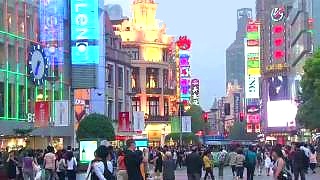
Nanjing Road: One of the world's busiest shopping streets, Nanjing Road is lined with department stores, boutiques, and restaurants. Don't miss the nearby pedestrian-friendly Nanjing Road East, known for its lively atmosphere and street performers.

Xintiandi: This upscale shopping, dining, and entertainment district features a mix of traditional Shikumen-style buildings and modern amenities, making it a popular destination for locals and tourists alike.

French Concession: Explore this historic neighborhood known for its tree-lined streets, charming cafes, boutiques, and art galleries.

Culinary Delights:
Shanghai Cuisine: Sample local specialties such as xiaolongbao (soup dumplings), shengjianbao (pan-fried dumplings), and Shanghai-style noodles.

Street Food: Wander through the city's bustling food markets and snack streets to taste a variety of street foods, from savory pancakes to grilled skewers.

Practical Tips:
Transportation: Shanghai has an efficient public transportation system, including the subway, buses, and taxis. Consider purchasing a rechargeable transportation card for convenience.

Language: While Mandarin is the official language, English is widely spoken in tourist areas, hotels, and restaurants.

Weather: Shanghai experiences four distinct seasons, with hot, humid summers and chilly winters. The best times to visit are spring (March to May) and autumn (September to November) when the weather is mild and comfortable.

Etiquette: Respect local customs and traditions, such as using polite language and avoiding loud behavior in public places.

Shanghai offers a captivating blend of old and new, with its historic landmarks, modern skyscrapers, vibrant culture, and delectable cuisine. Whether you're interested in history, architecture, shopping, or dining, Shanghai has something to offer every type of visitor.

Related Videos


Featured Videos

ShaPoTou in NingXia
The beautiful YanQi Lake, BeiJing
With Beijing Old Liu ... Visitor Guide to YanQi Lake, BeiJing Overview YanQi Lake, located in the HuaiRou District of BeiJing, is a stunning natural area known for its picturesque landscapes and clear waters. It is a popular destination for both leisure and business, offering a tranquil escape from the bustling city and a venue for high-profile international events, including the Asia-Pacific Economic Cooperation (APEC) summit in 2014. Getting There By Air: The nearest airport is Beijing Capital International Airport (PEK), approximately 50 kilometers from YanQi Lake. From the airport, you can take a taxi or a shuttle bus to reach the lake. By Train: You can take a high-speed train to HuaiRou North Railway Station and then a taxi or local bus to YanQi Lake. By Bus: Several buses run from downtown BeiJing to HuaiRou District. You can then take a local bus or taxi to YanQi Lake. Getting Around Walking: YanQi Lake area is best explored on foot, allowing you to fully appreciate its natural beauty and serene environment. Biking: Renting a bike is a popular option for getting around and exploring the scenic routes around the lake. Local Transport: Taxis and shuttle services are available for traveling to and from different parts of the lake area and nearby attractions. Main Attractions YanQi Island YanQi Island is the centerpiece of YanQi Lake, hosting luxury resorts, conference centers, and beautiful gardens. It is an ideal place for relaxation, high-end dining, and international conferences. YanQi Tower The YanQi Tower offers panoramic views of the lake and surrounding mountains. Visitors can take an elevator to the top for breathtaking scenery and photography opportunities. Boat Tours Boat tours on YanQi Lake provide a peaceful and scenic way to explore the area. Various types of boats, from traditional Chinese boats to modern yachts, are available for hire. Wild Duck Lake Nearby Wild Duck Lake is a birdwatcher's paradise, home to a variety of bird species, especially migratory birds. It's a great spot for nature enthusiasts and photographers. Hongluo Temple Located a short distance from YanQi Lake, Hongluo Temple is one of the largest and oldest temples in northern China. It offers a serene environment and rich cultural heritage. Local Cuisine While visiting YanQi Lake, you can enjoy a variety of local and international cuisines. Here are some recommendations: Peking Duck: A world-famous dish, Peking Duck is a must-try when in BeiJing. Many restaurants near YanQi Lake serve this delicacy. YanQi Lake Fish: Freshly caught fish from the lake, prepared in various styles, is a local specialty. HuaiRou Chestnut: HuaiRou is known for its delicious chestnuts, which can be enjoyed roasted or used in local dishes. Shopping Local Handicrafts: Explore shops around YanQi Lake for traditional Chinese handicrafts, including silk products, pottery, and paintings. Specialty Foods: Purchase local specialties such as HuaiRou chestnuts, honey, and other agricultural products. Souvenirs: Various souvenir shops offer items commemorating the APEC summit and other significant events held at YanQi Lake. Accommodation Luxury Resorts: YanQi Lake is home to several luxury resorts, such as the YanQi Lake Kempinski Hotel, which offers top-notch amenities and stunning views. Mid-Range Hotels: There are also several mid-range hotels and boutique accommodations around the lake area, providing comfort and convenience at reasonable prices. Guesthouses: For a more local experience, consider staying in one of the guesthouses or inns in the nearby villages. Historical Background of YanQi Lake YanQi Lake is a man-made reservoir created in the 1980s to improve water supply and irrigation for the HuaiRou District. The project aimed to enhance the local agricultural productivity and provide a recreational area for residents and visitors. Over the years, YanQi Lake has developed into a major tourist destination and a hub for international events. The lake and its surrounding areas have been carefully maintained and upgraded to offer a blend of natural beauty, cultural heritage, and modern amenities. The area around YanQi Lake has also been a site of historical significance. The nearby Hongluo Temple, dating back over 1,000 years, reflects the region's rich spiritual and cultural history. The combination of ancient traditions and modern development makes YanQi Lake a unique and attractive destination. Tips for Visitors Best Time to Visit: The best times to visit YanQi Lake are spring (April to June) and autumn (September to November) when the weather is mild and the scenery is at its most beautiful. Clothing: Wear comfortable walking shoes and dress in layers to accommodate changing temperatures. An umbrella or raincoat is useful during the rainy season. Respect Local Customs: Be respectful of local customs and traditions. Dress modestly and be mindful of local etiquette, especially when visiting historical and cultural sites. Language: While Mandarin is widely spoken, learning a few basic phrases or using a translation app can be very helpful. Plan Your Visit: YanQi Lake is best explored at a leisurely pace. Take your time to enjoy the scenic views, visit local attractions, and savor the local cuisine. Conclusion YanQi Lake, with its stunning natural beauty, historical significance, and modern amenities, offers a unique and memorable travel experience. Whether you're exploring the tranquil lake, visiting nearby cultural sites, or enjoying local cuisine, YanQi Lake provides a serene escape and a glimpse into the rich heritage of BeiJing. Plan your visit carefully to make the most of your trip to this picturesque destination in the HuaiRou District.
Wandering the ancient sights in SuZhou
With 4K World Wanderings ... 1. *Pingjiang Road:* A historic street lined with traditional buildings, teahouses, and shops, offering a glimpse into the ancient lifestyle of Suzhou. 2. *Humble Administrator's Garden (Zhuo Zheng Yuan):* One of the most famous classical gardens in China, known for its beautiful ponds, rock formations, and traditional pavilions. 3. *Lingering Garden (Liu Yuan):* Another UNESCO World Heritage site, featuring exquisite landscaping, intricate architecture, and serene water features. 4. *Master of the Nets Garden (Wangshi Yuan):* A smaller yet beautifully designed garden, showcasing classical Chinese garden aesthetics. 5. *Suzhou Museum:* Designed by the renowned architect I.M. Pei, this museum houses a vast collection of ancient Chinese art, ceramics, and cultural artifacts. 6. *Tiger Hill (Hu Qiu):* A historic site with a leaning pagoda, ancient tombs, and beautiful landscapes, offering panoramic views of Suzhou. 7. *Shantang Street:* An ancient canal street bustling with traditional shops, restaurants, and cultural performances. 8. *Suzhou Silk Museum:* A museum dedicated to the history and art of silk production, showcasing exquisite silk garments and weaving techniques. 9. *Pan Gate (Pan Men):* A historic city gate and water gate, part of Suzhou's ancient city wall, featuring beautiful gardens and waterways. 10. *Lion Grove Garden (Shizilin):* Known for its labyrinthine rock formations, this garden is a masterpiece of Chinese landscaping. 11. *Hanshan Temple:* An ancient Buddhist temple with a famous bell, immortalized in classical Chinese poetry. 12. *Suzhou Industrial Park:* A modern district showcasing the blend of traditional and contemporary architecture, with beautiful water features and green spaces. 13. *Ancient Canal:* A boat ride along the ancient canal offers a scenic and relaxing way to explore Suzhou's water town charm. 14. *Twin Pagodas:* Historical pagodas that are an iconic symbol of Suzhou, offering insights into the city's religious and architectural history. 15. *Canglang Pavilion (Surging Wave Pavilion):* The oldest garden in Suzhou, known for its elegant design and tranquil ambiance. 16. *Pingjiang Historic District:* A well-preserved area with narrow lanes, traditional houses, and waterways, perfect for a leisurely stroll. 17. *Tongli Water Town:* A nearby ancient water town, famous for its well-preserved architecture, stone bridges, and tranquil canals. 18. *Wumen Bridge:* An ancient stone bridge offering picturesque views of the canals and traditional Suzhou architecture. 19. *Suzhou Pingtan Museum:* A museum dedicated to the traditional Suzhou performing art of Pingtan, featuring music, storytelling, and opera. 20. *Beisi Pagoda:* A historic pagoda offering stunning views of Suzhou and its surrounding landscapes.
Something different – relaxing chill-out jazz
No vocals or other emotional drivers; just calmness ...
Fun trip to HaiNan 海南 and YunNan 云南 provinces
University exchange to SanYa University 三亚 大学 (SānYà DàXué), HaiNan, plus a trip to south YunNan ...
The charming side-streets of ShangHai – XinTianDi 新天地
Cafe culture, boutiques, galleries ...
A vegan taste of China – DiSanXian / 3 treasures of the earth (Potato, Pepper, and Aubergine)
DiSanXian (Potato, Pepper, and Aubergine) Introduction DiSanXian (地三鲜) is a popular Chinese dish from the northeastern region of China. The name "DiSanXian" translates to "Three Earthly Treasures," referring to the main ingredients: potatoes, peppers, and aubergines (eggplants). This dish is loved for its rich flavors and satisfying texture, making it a perfect vegan option for those looking to enjoy authentic Chinese cuisine. Ingredients 2 large potatoes 2 medium aubergines (eggplants) 1 green bell pepper 1 red bell pepper 2 cloves garlic, minced 2 tablespoons soy sauce 1 tablespoon vinegar 1 teaspoon sugar Salt to taste Cooking oil Chopped spring onions (optional, for garnish) Preparation DiSanXian is a straightforward dish to prepare, requiring basic cooking techniques and common ingredients. Here's how to make it: Step 1: Prepare the Vegetables Peel the potatoes and cut them into thin slices or wedges. Cut the aubergines into bite-sized pieces. Remove the seeds from the bell peppers and cut them into strips. Step 2: Fry the Vegetables Heat oil in a wok or large frying pan over medium-high heat. Fry the potato slices until they are golden and crispy, then remove and set aside. Next, fry the aubergine pieces until they are tender and slightly browned, then remove and set aside. Finally, fry the bell pepper strips for a few minutes until they are slightly softened. Step 3: Combine and Season In the same wok or pan, add a little more oil if needed and sauté the minced garlic until fragrant. Add the fried potatoes, aubergines, and bell peppers back into the pan. Stir in the soy sauce, vinegar, sugar, and a pinch of salt. Toss everything together until the vegetables are well-coated with the sauce and heated through. Step 4: Serve Transfer the DiSanXian to a serving plate and garnish with chopped spring onions, if desired. Serve hot with steamed rice for a complete and satisfying meal. Tips and Variations Adjusting Spice Level: If you prefer a spicier version, add some chopped chili peppers or a pinch of chili flakes to the dish. Additional Vegetables: Feel free to add other vegetables like carrots, onions, or zucchini for more variety and nutrition. Low-Oil Option: For a healthier version, you can roast the vegetables instead of frying them. Toss them with a little oil and roast in the oven until tender and lightly browned. Sauce Variations: Experiment with different sauces, such as adding a touch of hoisin sauce for sweetness or using black bean sauce for a deeper flavor. Nutritional Information DiSanXian is not only delicious but also nutritious. Here is an approximate nutritional breakdown for a typical serving of DiSanXian: Calories: 250-300 kcal Protein: 4-6 grams Carbohydrates: 30-35 grams Fat: 12-15 grams Fiber: 5-7 grams Vitamins and Minerals: High in Vitamin C, potassium, and antioxidants from the vegetables. This makes DiSanXian a well-rounded dish that provides energy, essential nutrients, and dietary fiber. Where to Find DiSanXian in China DiSanXian is a popular dish in northeastern China but can be found in many Chinese restaurants throughout the country. Look for restaurants that specialize in northeastern Chinese cuisine or those that offer a wide range of vegetable dishes. You can also find DiSanXian in some vegetarian and vegan restaurants. Conclusion DiSanXian is a delicious and versatile vegan dish that highlights the simple yet rich flavors of Chinese cuisine. Whether you're a seasoned vegan or just looking to try something new, DiSanXian is sure to please your taste buds with its satisfying combination of potatoes, peppers, and aubergines. Enjoy this delightful dish at home or seek it out during your travels in China for an authentic culinary experience.
TaiYuan night walk, capital of ShanXi province
The 1000 tree sky garden, ShangHai
With Middle Kingdom Productions ... Bonus film - with Sly's Life ... Bonus film with Willene Business & Lifestyle ... Bonus film - with Ben Coleman ...

Tag search ?