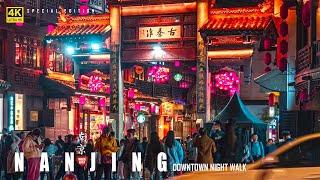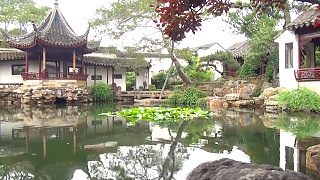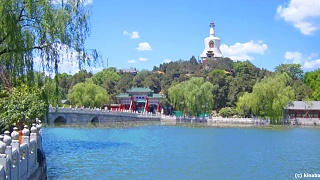
MoChou Lake park, XuanWu Lake park and JiMing Temple, NanJing

JiangSu province.

With China Walking Tour ...

[640],shadow=true,start=,stop=
[320],shadow=true,start=,stop=

Bonus films - daytime and evening cycle tour ...

[320],shadow=true,start=,stop= [320],shadow=true,start=,stop=

Bonus film - with FunFancie - great attractions in NanJing ...

[320],shadow=true,start=,stop=

Nanjing, known as the Southern Capital, is one of China's most historically significant cities and a vibrant modern metropolis. Situated in the Jiangsu Province, Nanjing offers visitors a blend of rich history, cultural heritage, scenic landscapes, and modern amenities. Here's a guide to Nanjing for visitors:

Historical and Cultural Attractions:
Nanjing City Wall: Explore the remnants of the ancient city wall, one of the most well-preserved in China, offering panoramic views of the city and surrounding areas.

Sun Yat-sen Mausoleum: Pay homage to Dr. Sun Yat-sen, the founding father of modern China, at his grand mausoleum located at the foot of Purple Mountain.

Confucius Temple (Fuzimiao): Immerse yourself in traditional Chinese architecture, visit the Confucius Temple, and stroll along the Qinhuai River, known for its lively atmosphere and historic charm.

Nanjing Massacre Memorial Hall: Commemorates the victims of the Nanjing Massacre. Learn about this tragic chapter in history.

Presidential Palace: Explore the former presidential residence of China's early republican era, showcasing exhibits on Chinese history and culture.

Jiming Temple: Visit one of Nanjing's oldest temples, known for its serene atmosphere, beautiful gardens, and ancient pagodas.

Natural Beauty:
Purple Mountain (Zijin Shan): Escape the urban hustle and bustle with a visit to Purple Mountain, home to scenic hiking trails, tranquil lakes, and historical sites like the Ming Xiaoling Mausoleum.

Xuanwu Lake: Relax by the shores of Xuanwu Lake, a picturesque oasis in the heart of the city, offering boat rides, walking paths, and lush greenery.

Modern Landmarks:
Nanjing Olympic Sports Center: Experience modern Nanjing at the Olympic Sports Center, home to state-of-the-art sports facilities, shopping malls, and entertainment venues.

Nanjing Eye Pedestrian Bridge: Take a leisurely stroll across the Yangtze River on the Nanjing Eye Pedestrian Bridge, offering stunning views of the city skyline.

Culinary Delights:
Nanjing Salted Duck: Sample this local delicacy, known for its savory flavor and tender meat, at traditional restaurants throughout the city.

Nanjing Dumplings (Soup Dumplings): Indulge in Nanjing's famous soup dumplings, filled with flavorful broth and served piping hot.

Practical Information:
Transportation: Getting around Nanjing is easy, with an efficient public transportation system including buses, metro, and taxis.

Accommodation: Nanjing offers a range of accommodation options, from luxury hotels to budget-friendly hostels, catering to different preferences and budgets.

Language: Mandarin Chinese is the official language, but some locals may speak English, especially in tourist areas.

Nanjing's blend of historical significance, natural beauty, cultural richness, and modernity makes it a compelling destination for travelers seeking a diverse and immersive experience in China.
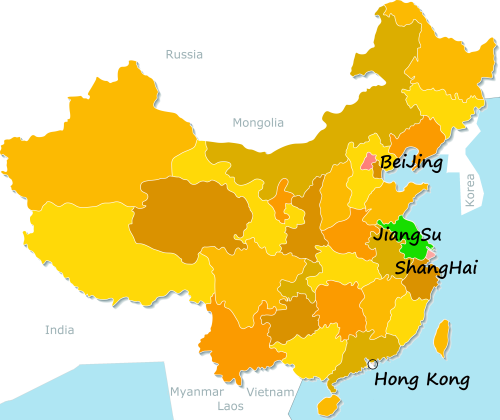
JiangSu map

Related Videos


Featured Videos

Jason in GuiYang, capital city of GuiZhou province
With Living in China ... Welcome to GuiYang City Introduction History Top Attractions Nearby Attractions Local Cuisine Visitor Tips Introduction GuiYang is the capital city of GuiZhou Province, located in the southwestern part of China. Known for its lush green landscapes, vibrant ethnic culture, and pleasant climate, GuiYang offers a unique blend of natural beauty and modern city life. The city is a gateway to exploring the diverse cultural and natural attractions of GuiZhou Province. History GuiYang has a rich history dating back to the Yuan Dynasty (1271-1368). Originally a military outpost, the city gradually developed into a cultural and economic hub. Throughout its history, GuiYang has been influenced by various ethnic groups, which is reflected in the city’s diverse culture and traditions. Today, GuiYang is a modern city that still retains much of its historical charm. Top Attractions Qianling Park Qianling Park is one of the most famous parks in GuiYang. It features lush greenery, a serene lake, and Qianling Mountain. The park is also home to Qianling Temple, an ancient Buddhist temple, and the Hongfu Temple, which is perched atop the mountain, offering stunning views of the city. Jiaxiu Pavilion Jiaxiu Pavilion is a historic landmark located on the Nanming River. Built during the Ming Dynasty, the pavilion is known for its elegant architecture and picturesque surroundings. It has become a symbol of GuiYang and is a popular spot for both locals and tourists. Qingyan Ancient Town Qingyan Ancient Town, located just outside of GuiYang, is a well-preserved ancient town that dates back to the Ming Dynasty. The town features traditional stone architecture, narrow streets, and historic sites such as temples, pavilions, and former residences of notable figures. GuiYang Forest Park GuiYang Forest Park is a large urban park that offers a peaceful retreat from the hustle and bustle of city life. The park is known for its dense forests, walking trails, and beautiful ponds. It’s a great place for nature lovers to relax and enjoy outdoor activities. Hebin Park Hebin Park is another popular park in GuiYang, located along the Nanming River. The park is beautifully landscaped and features a variety of gardens, pavilions, and water features. It’s an ideal spot for a leisurely stroll or a family picnic. Renmin Plaza Renmin Plaza is the central square of GuiYang and serves as a focal point for cultural and social activities in the city. The plaza is surrounded by important landmarks, government buildings, and shopping centers, making it a lively and vibrant part of the city. Nearby Attractions Huangguoshu Waterfall Huangguoshu Waterfall, located about 130 kilometers from GuiYang, is one of China’s largest and most famous waterfalls. The waterfall is a spectacular sight, surrounded by lush forests and offering various viewing platforms. It’s a must-visit for nature enthusiasts. Xijiang Qianhu Miao Village Xijiang Qianhu Miao Village is the largest Miao ethnic village in China, located around 200 kilometers from GuiYang. The village is known for its traditional wooden houses, vibrant Miao culture, and stunning terraced fields. Visitors can experience the unique customs, dances, and festivals of the Miao people. Dragon Palace Cave Dragon Palace Cave, located in Anshun city about 120 kilometers from GuiYang, is a magnificent karst cave system. The cave is famous for its underground rivers, waterfalls, and stunning stalactites. Boat tours are available to explore the cave's fascinating formations. Red Maple Lake Red Maple Lake, located about 40 kilometers from GuiYang, is a beautiful scenic spot known for its clear waters, red maple trees, and numerous islands. It’s a perfect destination for boating, fishing, and enjoying the serene natural environment. Local Cuisine GuiYang is famous for its spicy and flavorful cuisine, which is influenced by the region's diverse ethnic groups. A must-try dish is Sour Fish Soup, a local specialty made with fresh fish, chili peppers, and pickled vegetables. Another popular dish is LaZi Ji, a spicy chicken dish. Street food is also abundant in GuiYang, with vendors offering snacks like rice tofu, sticky rice, and barbecued meats. Visitor Tips Best Time to Visit: GuiYang has a mild climate, making it a great destination year-round. However, the best time to visit is during spring and autumn when the weather is pleasant and the natural scenery is at its best. Getting There: GuiYang is well-connected by air, with GuiYang Longdongbao International Airport serving the city. The city is also accessible by high-speed train from major cities like ChengDu and KunMing. Language: Mandarin is the primary language spoken in GuiYang. While English is not widely spoken, you can find some English signs in tourist areas. It’s helpful to learn a few basic Mandarin phrases. Etiquette: When visiting cultural or religious sites, dress modestly and be respectful of local customs and practices.
A deep dive into porcelain production in JingDeZhen, JiangXi province
With Expat Natt ... "ExpFrom mud to masterpiece, join us this week as we uncover the history of Chinese porcelain, aka 'fine china'. Jiangxi province is home to the historic city of Jingdezhen, which played a major role in china's porcelain trade. The ceramic wares of this region made china famous during the silk road trade and were believed to be made with magic by europeans. The production of Jiangxi's ceramics were so influential, that they were even named 'fine china', meaning the fine wares which were made in China. We start our adventures by searching for the abandoned mountain mines which were home to the white clay, Kaolin, that first made this region world renowned. We then head over to the ancient village of Yaoli to see the influence of the porcelain industry and it's rich history which paved the path of the stunning pots and cermaic wares we see today. We search for ancient kiln sites in the surrounding countryside, and then head back into Jingdezhen city to see the remains of the incredible kilns that made the porcelain production come to life. Watch as artists hand mould, carve, and paint the breathtaking and intricate designs of cobalt blue on white clay. We even head to Sanbao International Ceramic Village to paint our own plates, and of course discover the mouthwatering local cuisine. Finally we venture into the local chinese night markets where local artists sell their bowls, vases, and china tea sets."
On the West’s mainstream media’s incessant anti-China propaganda
Anyone who has visited China immediately knows that they have been lied to. With FridayEveryday ... Bonus film - on the best 'democracy' that money can buy (the people don't matter) - with Ben Norton ... On human rights, with Daniel Dumbrill ... With Fernando Munoz Bernal ... With Harvey in China ... With Aiden Qiu ...
WuHan city, 2024, HuBei province
With Travel East ... Wuhan Travel Guide Introduction Wuhan, the capital of Hubei province, is a vibrant city known for its rich history, cultural landmarks, and bustling modern life. Located at the intersection of the Yangtze and Han rivers, Wuhan is a major transportation hub and a center for education and industry. This guide will take you through the must-see attractions, local cuisine, cultural highlights, and practical travel tips for visiting Wuhan. Must-See Attractions Yellow Crane Tower (黄鹤楼) The Yellow Crane Tower is one of the most famous landmarks in Wuhan. This historic tower, originally built in 223 AD, offers stunning views of the city and the Yangtze River. It has been rebuilt several times and is now a symbol of Wuhan's cultural heritage. East Lake (东湖) East Lake is the largest urban lake in China, offering beautiful scenery and numerous recreational activities. Visitors can enjoy boating, cycling, and walking along the picturesque lake shores. The area also features botanical gardens, bird sanctuaries, and scenic spots like the Cherry Blossom Park. Hubei Provincial Museum (湖北省博物馆) The Hubei Provincial Museum is a must-visit for history and culture enthusiasts. The museum houses a vast collection of artifacts, including the famous bronze chime bells of the Zenghouyi Tomb, ancient pottery, and relics from various dynasties. The museum provides insight into the rich cultural heritage of Hubei province. Wuhan Yangtze River Bridge (武汉长江大桥) The Wuhan Yangtze River Bridge is the first bridge to span the Yangtze River. Opened in 1957, this engineering marvel connects the Wuchang and Hanyang districts of Wuhan. The bridge offers panoramic views of the river and the city skyline. Guiyuan Buddhist Temple (归元寺) Guiyuan Buddhist Temple is one of Wuhan's most important religious sites. Established in the Qing Dynasty, the temple features beautiful architecture, serene gardens, and a vast collection of Buddha statues. It is a peaceful retreat from the city's hustle and bustle. Local Cuisine Wuhan is famous for its delicious local cuisine, which is characterized by bold flavors and hearty dishes. Here are some must-try foods: Re Gan Mian (热干面) Re Gan Mian, or hot dry noodles, is Wuhan's signature dish. This savory noodle dish is made with sesame paste, soy sauce, garlic, and pickled vegetables. It's a popular breakfast food in Wuhan and a must-try for visitors. Doupi (豆皮) Doupi is a traditional Wuhan snack made from glutinous rice, minced pork, mushrooms, and other ingredients, all wrapped in a bean curd skin and fried until crispy. It's a flavorful and satisfying dish that reflects the city's culinary traditions. Mianwo (面窝) Mianwo is a type of savory fried doughnut made from rice flour and mung beans. These crispy treats are often enjoyed as a breakfast item or snack and are commonly sold by street vendors. Wuchang Fish (武昌鱼) Wuchang Fish is a famous dish from the Wuchang district of Wuhan. The fish is typically steamed with ginger, garlic, and soy sauce, resulting in a tender and flavorful dish that highlights the natural taste of the fish. Cultural Highlights Wuhan University (武汉大学) Wuhan University is one of China's most prestigious universities and is renowned for its beautiful campus. The university is particularly famous for its cherry blossoms, which attract thousands of visitors each spring. The campus also features historic buildings and scenic spots worth exploring. Jiqing Street (吉庆街) Jiqing Street is a lively area known for its street performances, local snacks, and vibrant nightlife. It's a great place to experience the local culture, enjoy live music, and taste a variety of Wuhan's street food offerings. Han Show Theatre (汉秀剧场) The Han Show Theatre is a state-of-the-art performance venue that hosts spectacular shows combining acrobatics, dance, and technology. The theatre itself is an architectural marvel, designed to resemble a Chinese lantern. Practical Travel Tips Best Time to Visit: The best time to visit Wuhan is during the spring (March to May) and autumn (September to November) when the weather is mild and pleasant. Getting Around: Wuhan has an extensive public transportation system, including buses, metro lines, and taxis. The metro is a convenient and efficient way to travel around the city. Language: Mandarin Chinese is the official language, but English is widely spoken in tourist areas. It's helpful to learn a few basic Mandarin phrases. Accommodation: Wuhan offers a wide range of accommodation options, from budget hostels to luxury hotels. Popular areas to stay include Hankou, Wuchang, and Hanyang districts. Health and Safety: Wuhan is generally a safe city for travelers. However, it's always wise to take standard precautions, such as avoiding poorly lit areas at night and keeping an eye on your belongings. Conclusion Wuhan is a dynamic city that seamlessly blends its rich historical heritage with modern urban life. Whether you're exploring its ancient landmarks, savoring its local cuisine, or experiencing its vibrant culture, Wuhan offers a unique and memorable travel experience. Use this guide to make the most of your visit to this fascinating city in Hubei province.
Angela Chang – A Diao 阿刁 – music
This is beautiful AnHui 安徽 province …
ĀnHuī lies in east China. An awesome film ... Bonus film - HuaiNan, Unforgettable Dream 尋夢淮南 難忘安徽 mini drama. A beautiful film; don't miss it ...
Something different : a truth or the truth
Are we all just living in our own bubble (prison) ? With Einzelgänger ...
The wonderful JingShan Park, central BeiJing
With MisterVaughn ... Welcome to JingShan Park Explore the historic heart of BeiJing About Jingshan Park Jingshan Park, located in the center of Beijing, is a historic and scenic park with a rich cultural heritage. Originally an imperial garden during the Yuan, Ming, and Qing dynasties, the park is famous for its artificial hill, Jingshan, which offers panoramic views of the Forbidden City and central Beijing. The hill was created from the soil excavated to build the moats of the Forbidden City and nearby canals. Main Attractions Wanchun Pavilion The Wanchun Pavilion, located at the summit of Jingshan Hill, is the highest point in central Beijing. It offers breathtaking views of the Forbidden City to the south, Beihai Park to the west, and modern Beijing's skyline. Five Pavilions Jingshan Hill features five pavilions aligned along its central axis. Each pavilion offers unique perspectives of the surrounding area and houses a Buddhist statue, reflecting the park's historical significance. Shouhuang Hall The Shouhuang Hall was used by emperors for ancestral worship. Recently renovated, it now serves as an exhibition hall showcasing the history and cultural heritage of Jingshan Park. Peony Garden The Peony Garden, located in the park's southeast corner, is renowned for its stunning collection of peonies. It is a popular spot during the blooming season in late spring when the flowers are in full bloom. Activities Morning Exercises Jingshan Park is a popular spot for locals to perform morning exercises such as tai chi, dancing, and jogging. Visitors can join in or simply enjoy watching these traditional Chinese activities. Photography The park offers excellent opportunities for photography, especially from the summit of Jingshan Hill. Capture panoramic views of the Forbidden City and the surrounding cityscape, or the beautiful gardens and pavilions within the park. Seasonal Festivals Jingshan Park hosts various cultural events and festivals throughout the year, such as the Peony Festival in spring and the Chrysanthemum Exhibition in autumn. These events showcase the park's horticultural beauty and traditional Chinese culture. Transport Jingshan Park is easily accessible from various parts of Beijing. Here are some ways to get there: By Subway: Take Line 8 to Shichahai Station, then walk south for about 10 minutes to reach the park's north gate. By Bus: Multiple bus routes stop near Jingshan Park, including routes 5, 58, and 101. Get off at the Jingshan East Gate stop. By Taxi: Taxis are a convenient option, especially if you are traveling with a group or have heavy luggage. Just ask the driver to take you to Jingshan Park (景山公园).
The beautiful WuYuan ancient town, JiangXi province
With JiangXi China ... WuYuan Ancient Town, located in JiangXi province, is a place of historical and cultural significance, known for its well-preserved architecture and picturesque scenery. The town is often referred to as a "living museum" of ancient Chinese culture, offering a glimpse into the country's rich historical past. Historical Significance Wuyuan Ancient Town has a history that dates back over a thousand years. It flourished during the Tang (618-907) and Song (960-1279) dynasties and continued to thrive through the Ming (1368-1644) and Qing (1644-1912) dynasties. The town's strategic location and prosperous agricultural economy contributed to its development as a cultural and commercial hub. Architecture The architecture of Wuyuan Ancient Town is a highlight, featuring traditional Chinese structures such as ancestral halls, temples, and residential buildings. These structures are characterized by their intricate woodwork, stone carvings, and tile-roofed houses. The well-preserved buildings reflect the elegance and craftsmanship of ancient Chinese architectural styles. Natural Beauty Wuyuan is also renowned for its stunning natural landscapes. The town is surrounded by lush mountains, winding rivers, and terraced fields, creating a picturesque setting that changes with the seasons. In spring, the blooming canola flowers turn the fields into a sea of yellow, attracting photographers and nature enthusiasts from all over the country. Culture and Traditions Wuyuan Ancient Town is rich in cultural heritage and traditions. The local customs, festivals, and folk arts are well-preserved, offering visitors a chance to experience traditional Chinese culture firsthand. The town hosts various cultural events, including lantern festivals, dragon boat races, and traditional opera performances. Notable Sites Some of the notable sites in Wuyuan Ancient Town include: Likeng Village: Known for its beautiful ancient buildings and tranquil environment, Likeng Village offers a glimpse into traditional rural life in China. Rainbow Bridge: A historic covered bridge that is one of the most iconic landmarks in Wuyuan, featuring unique wooden architecture. Xiaoqi Village: Famous for its ancient merchant houses and well-preserved cultural relics. Jiangwan Village: A historic village with a rich cultural heritage and traditional architecture. Tourism and Accessibility Wuyuan Ancient Town has become a popular tourist destination, attracting visitors with its historical charm and natural beauty. The town is easily accessible from major cities in Guangxi and neighboring provinces. Efforts have been made to preserve the town's cultural heritage while developing infrastructure to accommodate tourists.
Tag search ?