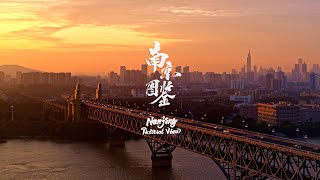
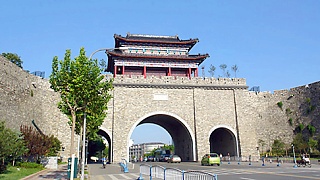
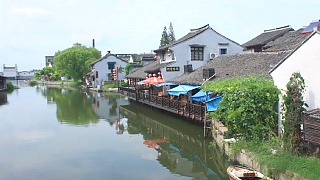
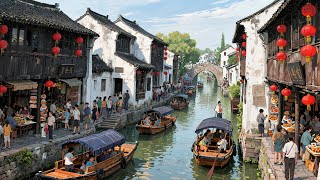
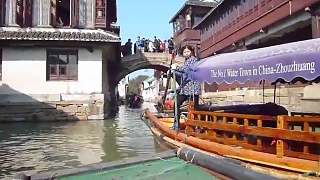
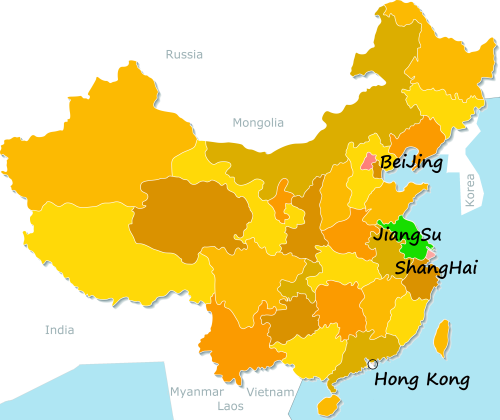
JiangSu province.
[640],shadow=true,start=,stop=[320],shadow=true,start=,stop=[320],shadow=true,start=,stop=[320],shadow=true,start=,stop=[320],shadow=true,start=,stop=
JiangSu map
Live more ...
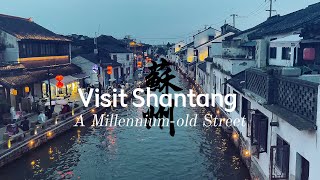
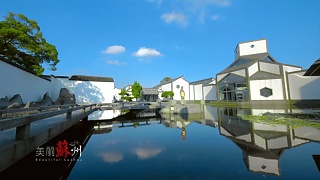
 SuZhou 苏州 scenes
JiangSu province.
[640],shadow=true,start=,stop=

|
|
With KiraVideo ...
Welcome to ShaoXing
Discover the rich history and cultural heritage of Shaoxing, China.
Introduction
Shaoxing is a city located in the Zhejiang province of China, known for its rich cultural heritage, ancient architecture, and scenic waterways. It is renowned for its historical significance and contributions to Chinese literature, arts, and politics.
Location
Shaoxing is situated in eastern China, within the Zhejiang province. It is approximately 200 kilometers southwest of Shanghai and 60 kilometers southeast of Hangzhou.
History
Shaoxing boasts a history that spans over 2,500 years. It has been an important cultural and economic center since ancient times. The city is famous for being the hometown of notable historical figures such as the ancient calligrapher Wang Xizhi and the modern writer Lu Xun. Its rich cultural heritage is evident in its well-preserved ancient architecture, traditional water towns, and numerous historical sites.
Attractions
East Lake (Donghu): A beautiful lake surrounded by cliffs, known for its serene boat rides and picturesque scenery.
Lu Xun's Former Residence: The home of the famous Chinese writer Lu Xun, now a museum dedicated to his life and works.
Orchid Pavilion (Lanting): A historical site where Wang Xizhi composed the famous calligraphy work "Preface to the Poems Composed at the Orchid Pavilion."
Shen Garden: A classical Chinese garden known for its romantic associations with the famous poet Lu You and his love story with Tang Wan.
Bazi Bridge: An ancient stone bridge offering scenic views of the surrounding canals and traditional buildings.
Qiu Jin's Former Residence: The former home of Qiu Jin, a well-known female revolutionary and poet.
Da Yu Mausoleum: The mausoleum of the legendary figure Yu the Great, known for controlling floods and founding the Xia Dynasty.
Keyan Scenic Area: A picturesque area featuring ancient caves, rock formations, and traditional Chinese architecture.
Activities
Exploring historical sites and museums
Taking boat rides on scenic waterways
Enjoying traditional Chinese gardens
Sampling local cuisine and Shaoxing wine
Participating in cultural festivals and events
Shopping for local handicrafts and souvenirs
Facilities
Visitor Center
Restrooms
Gift Shops
Cafes and Restaurants
Parking Lots
Guided Tour Services
Public Transportation
Hotels and Accommodations
Visitor Tips
Wear comfortable walking shoes.
Bring water and snacks, especially if you plan to stay for several hours.
Visit early in the morning or late in the afternoon to avoid crowds.
Check the weather forecast and dress appropriately.
Respect the cultural and historical significance of the site; behave appropriately and follow all rules and guidelines.
Take advantage of guided tours to learn more about the rich history and culture of Shaoxing.
Try the local cuisine, especially the famous Shaoxing rice wine and local dishes.
|
|
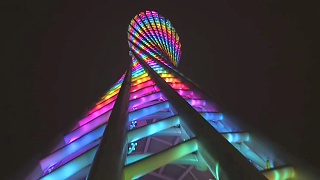
The Canton Tower in GuangDong province is the world's tallest TV tower.Not only does it offer excellent features for visitors, it also unusual in being distinctly feminine - curvacious and sleek, very unusual for a skyscraper.
The SpiderWalk runs from 170 meters to 350 meters in height.
|

|
Mark Hyman talks with Gabor Mate about the mind-body not as connected but as a single system, why are we seeing more chronic disease, stress, obesity, addiction, and so many other states of illness than ever before, the role of trauma, and much more ...
|

|
|
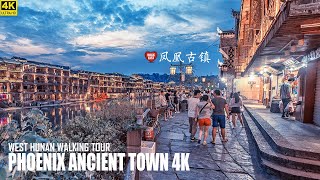
With Walk East ...
|
|
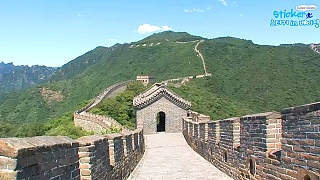
With Sticker Travel.
After trekking the Great Wall, the team chill out at Chun Hui Yuan Spa Resort, then head back downtown to view the Forbidden City at sunset from the hilltop in JingShan Park ...
|
|
In full ...
Bonus film - the closing ceremony, 2008 ...
|
|
ZheJiang province.
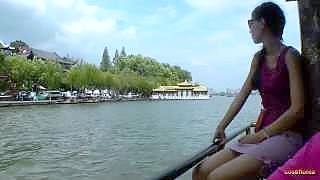
Xī Hú is a fresh water lake with the city on side. There are numerous temples, pagodas, gardens, bridges and artificial islands within and around the lake. West Lake is a UNESCO World Heritage Site as an outstanding example of Chinese garden arts and the guiding principle of harmony between human and nature.
|