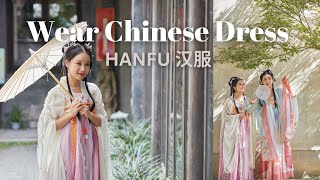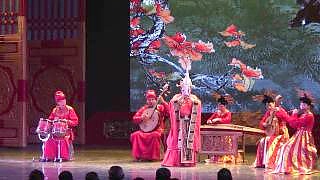
Dance of the Silk Road and Long Long Ago …

[640],shadow=true,start=,stop=

Plus, Gong LinNa with a beautiful new song : Xiao He Tang Shui 小河淌水 ...

[320],shadow=true,start=,stop=

Related Videos


Featured Videos
Amazing bamboo (3) – delicious bamboo shoots
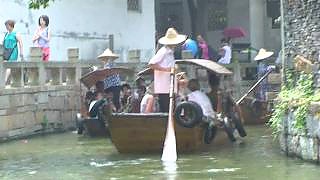
QingXi ancient water town, ShangHai
With Wei's Travel ... Visitor Guide to QingXi Ancient Water Town Getting There From ShangHai: Metro Line 8 (Jiangyue Road Station) - Jiangwu Line/Jiangwu Line Section, after 18 stations, arrive at Qingcun By Train: Take a high-speed train from ShangHai Hongqiao Railway Station to Kunshan South Railway Station. The journey takes about 20-30 minutes. From Kunshan, you can take a taxi or local bus to QingXi Ancient Water Town. By Bus: There are direct buses from ShangHai to Kunshan. The bus journey takes around 1-1.5 hours. By Car: If you prefer to drive, the trip from ShangHai to QingXi takes approximately 1-1.5 hours via the G2 Beijing-Shanghai Expressway. Entrance and Tickets Entrance Fee: Entrance to the water town is generally free, but certain attractions and museums within the town may charge a small fee. Opening Hours: The town is open to visitors all day, but specific attractions and shops usually operate from 8:00 AM to 5:00 PM. Attractions and Activities Waterways and Bridges Boating Tours: Take a traditional gondola ride along the scenic waterways. The boat tours offer a unique perspective of the town’s ancient bridges, historic buildings, and daily life along the canals. Historic Bridges: QingXi boasts numerous ancient stone bridges, each with its own history and architectural style. Notable ones include the Taiping Bridge and Zhenfeng Bridge. Historic Architecture Traditional Houses: Stroll through the town's narrow lanes and admire the well-preserved Ming and Qing dynasty houses. Many of these houses have distinctive white walls, black tiles, and wooden carvings. Old Town Square: The central square often hosts traditional performances, markets, and cultural events, giving you a taste of local life and traditions. Cultural and Historical Sites QingXi Ancient Academy: Visit this historic educational institution to learn about the town's academic heritage and traditional Chinese education. Temples and Shrines: Explore local temples and shrines, such as the QingXi Temple, to experience the town's spiritual side and admire religious architecture. Museums and Exhibitions Folk Custom Museum: This museum showcases local crafts, traditional costumes, and cultural artifacts, providing insights into the daily lives and customs of the town’s residents. Silk Museum: Learn about the region's rich history of silk production, including traditional silk weaving techniques and displays of exquisite silk products. Dining and Local Specialties Riverside Restaurants: Enjoy a meal at one of the many riverside restaurants offering local delicacies. Freshwater fish, shrimp, and crabs are popular choices. Local Snacks: Try traditional snacks like Zongzi (sticky rice dumplings), Osmanthus cake, and hand-pulled noodles. Street vendors and small eateries throughout the town offer these treats. Tea Houses: Relax in a traditional tea house, sipping on local teas and enjoying the serene water town atmosphere. Shopping Souvenir Shops: Browse the numerous shops selling local handicrafts, silk products, and traditional clothing. These make great souvenirs and gifts. Antique Markets: Explore antique shops and markets where you can find unique items such as vintage coins, pottery, and old books. Tips for Visitors Best Time to Visit: The best times to visit QingXi are during the spring (March to May) and autumn (September to November) when the weather is pleasant, and the scenery is at its most beautiful. Clothing: Wear comfortable walking shoes and dress in layers to adjust to changing temperatures. Bring an umbrella or raincoat if visiting during the rainy season. Respect Local Customs: Be respectful of local customs and traditions, especially when visiting temples and historical sites. Conclusion QingXi Ancient Water Town offers a tranquil escape from the urban hustle of ShangHai, allowing visitors to immerse themselves in China's rich cultural heritage and natural beauty. With its picturesque canals, historic architecture, and vibrant local culture, QingXi is a destination that promises a memorable and enriching experience.
Night walk in FuZhou and XiaMen, FuJian province
With Walk East ...
NanChang walking tour, GuangXi province
With Walk East ...
*** Planning war with China – part 10 – don’t miss it ***
Max : "Rules based world order = we make the rules, and we make the orders". Economic imperialism. With The GrayZone - professor Michael Hudson talks with Ben Norton and Max Blumenthal (3 very wise brains) ... Bonus film - on 'humane war'; rebranded war ('war is peace') - Aaron Maté talks with Samuel Moyn ... Bonus film 2 - on Hunter Biden's laptop ... Bonus film 3 - John Bolton challenged on Iran regime change, Afghanistan, US sanctions, bombing of Syria - with Afshin Rattansi ... Bonus film 4 - why Hillary Clinton smeared Tulsi Gabbard ...
Something different – Haley Reinhart (music)
Can't help falling in love ... Off the ground ... Radiohead - Creep ... My Baby just cares for me - with Jeff Goldblum ... All about the bass ...
The hand of the Earth, GuiZhou
TianAnMen Square, June 4th, 1989 – what really happened
The Western media's portrayal sounds like a pre-prepared script; part of the long-standing policy of world hegemony through 'color revolutions' destabilisations such as recently in Ukraine (and dozens more). At least, it has persisted in its propaganda for decades. The 'struggle for democracy' really means subservience to Western domination. Who is the one rewriting history? Despite the thousands of protesters, other residents and hundreds of foreign journalists, there is no photographic evidence; the 'proof' lies only in tales. For many weeks the government listened to the protesters but it had become overtaken by 'leaders' determined to force confrontation. About 300 (rioters and military) died a few kilometers west of the square as rioters attacked the military's approach to the square. At the square, an agreement was reached for the protestors to leave by dawn, and that's what happened, without bloodshed. The MSM like to show us the 'tank man'. There is video too. This person climbs onto the tank, talks with the military, then again returns to being in front of the tank, which tries to go around him. Two bystanders then persuade him to leave. What we do not see - anyone getting shot or run over. Some have grudgingly accepted that the violence took place some distance away from square, but state that the location is not important. But it is important given that for decades the tale was of a 'massacre of students in the square'; it shows the deception. Who is the one rewriting history? The following links have a good overview : https://www.liberationnews.org/tiananmen-the-massacre-that-wasnt/ https://www.japantimes.co.jp/opinion/2014/06/03/commentary/world-commentary/really-happened-tiananmen/ More : https://www.rt.com/op-ed/163872-china-tiananmen-square-june4/ https://www.cbsnews.com/news/there-was-no-tiananmen-square-massacre/
Food and more – FunFancie in ShangHai (3)

Tag search ?