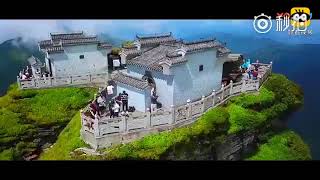
ZhangJiaJie, WuLing scenic area / national park, HuNan province

With Little Chinese Everywhere ...

[640],shadow=true,start=,stop=

Amazing infrastructure in HuNan province ...
[320],shadow=true,start=,stop=

Don't look down !

[320],shadow=true,start=,stop=
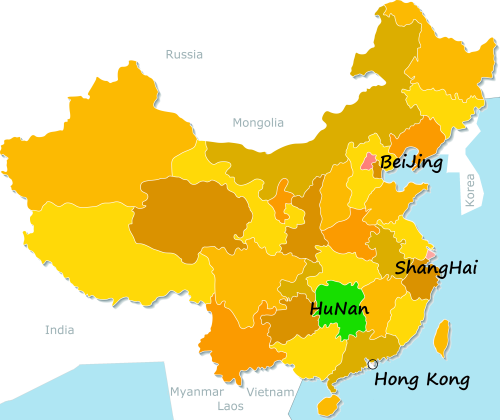
HuNan map

Related Videos


Featured Videos

HuaWei P30 Pro vs iPhone XS Max
Best photography, best battery life and super-fast charging ... Bonus film, with Nathan Rich :
Seasons greetings from BeiJingBuzzz (1/?) – Human (the music, the film, the message)
An inspirational film by Yann Arthus-Bertrand ~ Composed by Armand Amar ... YT comment - Adrian Sava : Watching this movie, I don't see religion, politics, race, and all those things that makes us hate, envy, despise, destroy ... I see beauty, love, hope, life; a great diversity of human beings. Thank you for creating such an amazing story of the world. Will us humans ever become what we could be, or forever be doomed by those who rule by 'divide and conquer' ? Will the great many ever see what the tiny few inflict upon us, and say 'no more' ? *** Best wishes to all our viewers - we can not, any one of us, know every passer by, but we can show them our love, by who we are. ***
Night walk around FuTian CBD in ShenZhen
With Walk For You ... ShenZhen Sea World ...
TianJin BinHai library – awesome architecture
With CN Walking ...
Ten enduring fundamentals of China’s culture
1. Harmony and Balance (和谐 Héxié) Philosophical Roots: Derived from Confucianism, Daoism, and Buddhism, the concept of harmony emphasizes balance in social relationships, nature, and the universe. It promotes peaceful coexistence and cooperation. Social Application: In social and business contexts, maintaining harmony is crucial. Conflicts are often resolved through negotiation and compromise to preserve social stability. 2. Family and Filial Piety (孝 Xiào) Central Role of Family: The family is the cornerstone of Chinese society. Filial piety, respect for one’s parents and ancestors, is a key virtue. Social Structure: Family obligations often take precedence over individual desires, reflecting the collective nature of Chinese culture. 3. Collectivism Community Focus: Chinese culture emphasizes the importance of the group over the individual. This is evident in societal, family, and workplace dynamics. Shared Responsibility: Successes and failures are often viewed as collective rather than individual, fostering a strong sense of community and mutual support. 4. Win-Win Philosophy (共赢 Gòngyíng) Mutual Benefit: In business and diplomacy, the concept of win-win solutions is highly valued. It emphasizes creating outcomes that benefit all parties involved. Long-Term Relationships: Building long-term relationships and mutual trust is prioritized over short-term gains. 5. Respect for Hierarchy and Authority Confucian Influence: Respect for hierarchy is deeply ingrained, influenced by Confucian principles. This is evident in social, familial, and organizational structures. Role of Elders and Leaders: Elders and leaders are accorded high respect and their opinions are given significant weight in decision-making processes. 6. Education and Continuous Learning Value of Education: Education is highly valued and seen as a means to achieve personal and societal improvement. Historical reverence for scholars and intellectuals persists. Meritocracy: Historically, the imperial examination system reinforced the importance of education and merit in attaining social status and governmental positions. 7. Adaptability and Pragmatism Historical Adaptation: China has a long history of adapting to changing circumstances, whether through economic reforms or cultural assimilation. Pragmatic Approach: Practical solutions are often favored over rigid adherence to ideology, allowing for flexibility in governance and daily life. 8. Respect for Tradition and Cultural Heritage Preservation of Traditions: Despite modernization, traditional festivals, customs, and rituals remain integral to Chinese life. Cultural Continuity: There's a strong emphasis on preserving and passing down cultural heritage through generations. 9. Guanxi (关系) - Social Connections and Networks Importance of Relationships: Building and maintaining relationships is crucial in both personal and professional contexts. Guanxi can provide social support, opportunities, and resources. Reciprocity: Relationships are maintained through reciprocal exchanges of favors and support. 10. Yin and Yang (阴阳 Yīnyáng) Philosophical Concept: Represents the duality and interconnectedness of opposites in the natural world. Balance between yin (passive, dark, feminine) and yang (active, light, masculine) is sought. Application in Life: This concept influences various aspects of life, including health, environment, and personal relationships. Conclusion These enduring characteristics shape the Chinese worldview and influence behavior, relationships, and societal norms. Understanding these cultural elements provides valuable insights into the dynamics of Chinese society and its approach to both personal and professional interactions. These values continue to guide life in China into modernity and its international relations.
Filming the Great Wall 长城 of China near BeiJing with micro drones …
Bonus films - how to get to JinShanLing Great Wall, one of the most beautiful sections near BeiJing (well, about 3 hours away) by bus (cheaper than a coach tour) ... If you have 3 or 4 days spare, also check out ChengDe Imperial Summer Resort, a bit further in the same direction from BeiJing.
Planning war on China – part 13
With The New Atlas. Brian Berletic and Angelo Giuliano cut through the propaganda and shine light on realities ... Bonus films ... On Thailand ... On Nicaragua ... On Palestine ... On Syria ... On Cuba ... On Yemen ... On Taiwan ... On Western propaganda puppets ...
The Oriental Pearl Tower, ShangHai
Charming WuXi : HuiShan ancient town, JiangSu province – canal and DongLin Academy
With Seiu Travel ... With Wei's Travel ... Huishan Ancient Town Travel Guide Overview Huishan Ancient Town, located in Wuxi, Jiangsu Province, is a well-preserved historical town known for its rich cultural heritage, ancient temples, traditional gardens, and ancestral halls. It provides visitors with a glimpse into China’s past with its classical architecture and serene atmosphere. How to Get There By Train: Take a high-speed train to Wuxi Railway Station or Wuxi East Railway Station, then take a taxi or public transport to the ancient town. By Bus: Local buses such as 45, 88, and 89 stop near the entrance of Huishan Ancient Town. By Car: Easily accessible via major highways leading to Wuxi, with parking available near the entrance. Main Attractions Huishan Temple: A historic Buddhist temple featuring beautiful statues and peaceful gardens. Ancestral Halls: Over a hundred ancestral halls belonging to various Chinese families, showcasing traditional architecture and family heritage. Jichang Garden: A classical Chinese garden known for its tranquil atmosphere, ponds, and traditional pavilions. Huishan Spring: A famous water source considered one of the best in southern China. Best Time to Visit The best time to visit Huishan Ancient Town is during spring (March-May) and autumn (September-November) when the weather is pleasant, and the scenery is at its most beautiful. Local Cuisine Wuxi-style Spare Ribs: A sweet and savory pork rib dish famous in the region. Huishan Clay Pot Noodles: A delicious noodle dish cooked in a clay pot with rich broth and toppings. Steamed Dumplings: Juicy dumplings filled with pork and soup, a local specialty. Tips for Visitors Wear comfortable walking shoes, as there are many cobblestone paths. Early morning visits offer a quieter and more picturesque experience. Local shops sell handmade crafts and souvenirs unique to the region. ***** Welcome to the Kingdom of Wu: A Visitor Guide and History Introduction to the Kingdom of Wu The Kingdom of Wu, a historical region in eastern China, is a land of profound cultural heritage, natural beauty, and historical significance. Centered around the modern city of Wuxi and extending to areas like Suzhou and Hangzhou, the Kingdom of Wu was one of the most influential states during the Spring and Autumn (770–476 BCE) and Warring States (475–221 BCE) periods. Today, the region is celebrated for its classical gardens, ancient waterways, and contributions to Chinese art, literature, and philosophy. History of the Kingdom of Wu The Kingdom of Wu emerged as a powerful state during the Zhou Dynasty, with its capital initially located in modern-day Suzhou. It played a pivotal role in Chinese history, particularly during the Spring and Autumn period, when it rivaled the states of Yue and Chu. The kingdom is famously associated with the legendary King Helü, who ruled during the 6th century BCE and is credited with constructing the Grand Canal and strengthening Wu's military. The Kingdom of Wu is also central to the story of Sun Tzu, the ancient military strategist and author of The Art of War. Sun Tzu served as a general under King Helü, and his strategies helped Wu achieve significant victories. The region's history is deeply intertwined with the development of Chinese civilization, particularly in areas like agriculture, silk production, and water management. Cultural Highlights of the Kingdom of Wu 1. Classical Gardens The Kingdom of Wu is renowned for its classical Chinese gardens, which are masterpieces of landscape design. These gardens, such as the Humble Administrator's Garden in Suzhou, feature intricate layouts, serene ponds, and elegant pavilions. They reflect the Confucian ideals of harmony between humans and nature. 2. Silk Production The region has been a center of silk production for thousands of years. The ancient city of Wuxi, in particular, was a major hub for silk weaving and trade. Visitors can explore the history of silk at local museums and workshops. 3. Wu Opera and Music The Kingdom of Wu is the birthplace of Wu Opera, a traditional form of Chinese opera known for its melodic tunes and poetic lyrics. The region is also famous for its traditional music, particularly the pipa (a Chinese lute) and guqin (a seven-stringed zither). Key Cities and Attractions 1. Wuxi Wuxi, often called the "Pearl of Lake Tai," is a city steeped in history and natural beauty. Key attractions include Lake Tai, the Lingshan Grand Buddha, and Xihui Park. Wuxi's Grand Canal section is a testament to the region's historical importance as a transportation hub. 2. Suzhou Suzhou, the ancient capital of the Kingdom of Wu, is famous for its classical gardens, canals, and silk industry. The Humble Administrator's Garden, Tiger Hill, and the Suzhou Museum are must-visit sites. 3. Hangzhou Hangzhou, located to the south of the Kingdom of Wu, is celebrated for its West Lake, a UNESCO World Heritage Site. The city is also known for its tea culture, particularly Longjing (Dragon Well) tea. Practical Travel Tips Best Time to Visit: Spring (March to May) and autumn (September to November) offer mild weather and vibrant scenery. Getting There: The region is well-connected by high-speed trains. Major cities like Wuxi, Suzhou, and Hangzhou have their own train stations and airports. Accommodation: Options range from luxury hotels to budget-friendly hostels. Staying near key attractions like Lake Tai or West Lake is recommended. Local Transportation: Public transportation is efficient, with buses, metros, and taxis readily available. Cycling is also a popular way to explore the cities.

Tag search ?