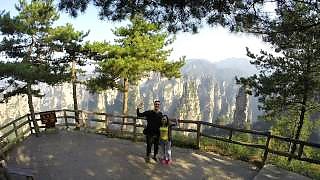
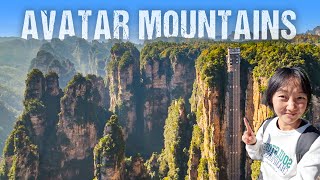
Taz and Libby visit awesome ZhangJiaJie, HuNan province

With Sun Kissed Bucket List ...

[640],shadow=true,start=,stop=
[320],shadow=true,start=,stop= [320],shadow=true,start=,stop=

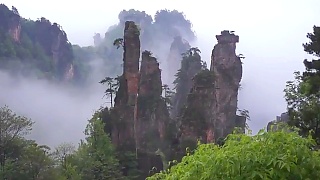
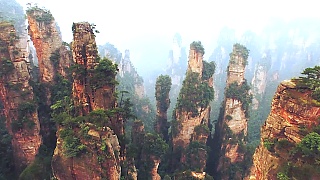
ZhangJiaJie, located in HuNan province, is renowned for its breathtaking natural landscapes, including towering sandstone pillars, lush forests, and deep ravines. It gained international fame as the inspiration for the floating Hallelujah Mountains in the movie "Avatar." This guide provides an in-depth look at the best attractions, activities, and tips for visiting Zhangjiajie.

Top Attractions

Zhangjiajie National Forest Park

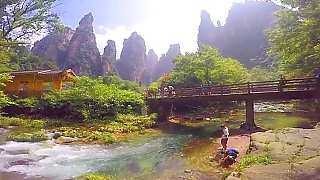
Zhangjiajie National Forest Park, part of the larger Wulingyuan Scenic Area, is the primary attraction. It is famous for its quartz-sandstone pillars, some of which reach over 200 meters in height.

  • Avatar Hallelujah Mountain: This iconic peak was renamed after the film "Avatar" and is one of the most photographed spots in the park.
  • Yuanjiajie Scenic Area: Home to stunning vistas and the First Bridge Under Heaven, a natural rock bridge.
  • Golden Whip Stream: A beautiful, serene area ideal for hiking, featuring crystal-clear streams and lush vegetation.

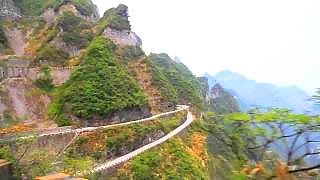
Tianmen Mountain

Tianmen Mountain is another must-see attraction, known for its dramatic scenery and thrilling experiences.

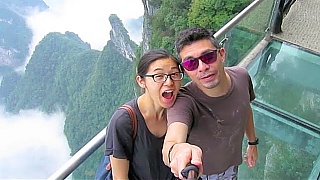
  • Glass Skywalk: A transparent walkway that clings to the side of the mountain, offering vertigo-inducing views.
  • Tianmen Cave (Heaven's Gate): A massive natural arch in the mountain, accessible via a long staircase.
  • Tianmen Mountain Cableway: One of the longest cable car rides in the world, providing stunning aerial views.

Baofeng Lake

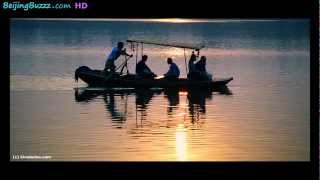
Baofeng Lake offers tranquil boat rides surrounded by stunning karst scenery. It's a great spot for relaxation and enjoying the natural beauty of the area.

Yellow Dragon Cave

Yellow Dragon Cave is a vast karst cave system featuring impressive stalactites, stalagmites, and underground rivers. It is known for its grand chambers and intricate rock formations.

Geology of Zhangjiajie

The unique geology of Zhangjiajie is what makes it so stunning. The area is characterized by its towering quartz-sandstone pillars that were formed through a combination of geological processes over millions of years. The region was once submerged under an ancient ocean, and over time, the uplift and erosion sculpted these dramatic formations. The pillars are a result of physical weathering, primarily caused by wind, frost, and the growth of plant roots, which break down the rock. The unique climate and vegetation of the area have also contributed to the landscape's current form.

Touring the Park

Planning Your Visit

To make the most of your visit to Zhangjiajie National Forest Park, it’s important to plan your route and time your visits to avoid the crowds. A typical visit to the park can take 2-3 days to cover the main highlights. Here is a suggested itinerary:

Day 1: Zhangjiajie National Forest Park

  • Morning: Start early at the park's main entrance. Take the shuttle bus to the Yellow Stone Village area. Spend the morning exploring the trails and enjoying the panoramic views.
  • Afternoon: Head to Golden Whip Stream for a peaceful hike along the stream. The trail is relatively flat and suitable for all ages.

Day 2: Yuanjiajie and Tianzi Mountain

  • Morning: Take the park shuttle bus to the Yuanjiajie Scenic Area. Explore the Avatar Hallelujah Mountain and the First Bridge Under Heaven.
  • Afternoon: Continue to Tianzi Mountain for more spectacular views. Take the cable car down for a different perspective.

Day 3: Tianmen Mountain

  • Morning: Take the Tianmen Mountain Cableway from Zhangjiajie City to the top of the mountain. Walk along the Glass Skywalk for thrilling views.
  • Afternoon: Visit Tianmen Cave (Heaven's Gate). Descend via the 999 steps or take the escalator.

Activities and Experiences

Hiking

Zhangjiajie offers numerous hiking trails that cater to all levels of fitness. Popular hikes include the Golden Whip Stream trail and the various paths around Tianzi Mountain and Yuanjiajie Scenic Area.

Photography

The unique landscapes of Zhangjiajie provide endless opportunities for photography. Key spots include the Avatar Hallelujah Mountain, the Glass Skywalk, and the views from the Tianmen Mountain cable car.

Local Cuisine

Try local Hunan cuisine, known for its bold flavors and use of chili peppers. Signature dishes include spicy fish head, fried rice noodles, and various stir-fried meats and vegetables.

Travel Tips

Best Time to Visit

The best times to visit Zhangjiajie are spring (April to June) and autumn (September to November) when the weather is mild and the scenery is at its most vibrant. Summer can be hot and crowded, while winter offers fewer tourists and a different but beautiful snowy landscape.

Getting There

Zhangjiajie is accessible by train, bus, and air. The Zhangjiajie Hehua International Airport has flights from major Chinese cities. There are also direct trains and buses from Changsha, the capital of Hunan Province.

Accommodation

There are numerous accommodation options ranging from budget hostels to luxury hotels. Staying in Wulingyuan Town provides easy access to the national park, while Zhangjiajie City offers more amenities and is closer to Tianmen Mountain.

Tickets and Passes

Purchase tickets for the Wulingyuan Scenic Area, which includes Zhangjiajie National Forest Park, online or at the entrance. Consider buying a multi-day pass if you plan to explore the area thoroughly. Separate tickets are required for Tianmen Mountain and other attractions.

Guides and Tours

Hiring a local guide can enhance your experience, providing insights into the area's history, culture, and natural features. Many tour operators offer packages that include transportation, tickets, and guided tours.
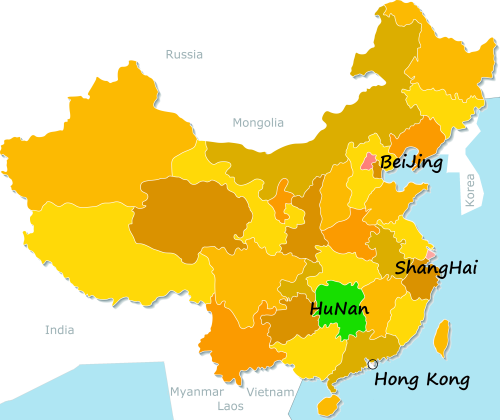
HuNan map

Related Videos


Featured Videos

800,000 orders per day – inside JD’s automated warehouse in BeiJing
With Jerry Goode ... Bonus film - "I spent a day delivering packages in China, what can we learn about China's Advanced Logistics?" with Jerry Kowal 我是郭杰瑞 ...
The Chinese classical gardens of SuZhou
JiangSu province. Harmony of human and nature; diverse landscapes in a small space; a new vista at every turn. With Walk East ...
20 places to visit in and around HangZhou, ZheJiang province
Places to visit in and around HangZhou West Lake (西湖) - Xī Hú Description: West Lake is the most iconic attraction in Hangzhou, known for its scenic beauty, historic sites, and cultural significance. Visitors can take leisurely boat cruises, stroll along the promenades, and admire picturesque pavilions, bridges, and pagodas. Lingyin Temple (灵隐寺) - Língyǐn Sì Description: Lingyin Temple is one of the oldest and most prestigious Buddhist temples in China, nestled at the foot of Lingyin Mountain. The temple complex features ancient halls, pagodas, and intricate stone carvings, as well as serene forested surroundings ideal for contemplation and meditation. Qinghefang Ancient Street (清河坊古街) - Qīnghéfāng Gǔ Jiē Description: Qinghefang Ancient Street is a historic pedestrian street lined with traditional shops, teahouses, and snack stalls. Visitors can explore Ming and Qing dynasty architecture, sample local delicacies, and shop for souvenirs such as silk, tea, and handicrafts. Leifeng Pagoda (雷峰塔) - Léifēng Tǎ Description: Leifeng Pagoda is a historic tower located on Sunset Hill overlooking West Lake. Originally built in the 10th century, the pagoda offers panoramic views of the lake and surrounding scenery. Visitors can climb to the top for breathtaking vistas and learn about the pagoda's storied history. Hangzhou Songcheng Park (杭州宋城景区) - Hángzhōu Sòngchéng Jǐngqū Description: Hangzhou Songcheng Park is a large-scale cultural theme park showcasing the rich heritage and traditions of ancient China. The park features replica ancient streets, performances, and attractions, allowing visitors to experience the charm of traditional Chinese culture. Longjing Tea Plantation (龙井茶园) - Lóngjǐng Cháyuán Description: Longjing Tea Plantation is famous for producing Longjing (Dragon Well) tea, one of China's most prized green teas. Visitors can tour the tea fields, learn about tea cultivation and processing, and sample freshly brewed Longjing tea while enjoying scenic views of the countryside. Hangzhou Botanical Garden (杭州植物园) - Hángzhōu Zhíwù Yuán Description: Hangzhou Botanical Garden is a tranquil oasis featuring diverse plant collections, landscaped gardens, and nature trails. Visitors can explore themed gardens, conservatories, and aquatic habitats, as well as enjoy picnics, birdwatching, and photography amidst lush greenery. Hefang Street (河坊街) - Héfāng Jiē Description: Hefang Street is a vibrant pedestrian thoroughfare in the heart of Hangzhou's historic district. The street is lined with shops selling traditional crafts, snacks, and souvenirs, as well as teahouses, street performers, and cultural attractions. Hangzhou Zoo (杭州动物园) - Hángzhōu Dòngwù Yuán Description: Hangzhou Zoo is home to a diverse collection of animal species from around the world, including rare and endangered species. Visitors can observe animals in naturalistic habitats, attend feeding sessions and animal shows, and enjoy family-friendly attractions such as playgrounds and picnic areas. China National Tea Museum (中国茶叶博物馆) - Zhōngguó Cháyè Bówùguǎn Description: China National Tea Museum is dedicated to the history, culture, and art of tea in China. The museum features informative exhibits, interactive displays, and traditional tea ceremonies, providing insights into the significance of tea in Chinese society and its cultural significance. Yuhuang Mountain (玉皇山) - Yùhuáng Shān Description: Yuhuang Mountain is a scenic area known for its natural beauty, religious sites, and hiking trails. Visitors can ascend to the mountain peak for panoramic views of Hangzhou and the Qiantang River, explore ancient temples and shrines, and enjoy outdoor activities such as hiking, picnicking, and birdwatching. Hangzhou Grand Canal (杭州大运河) - Hángzhōu Dà Yùnhé Description: Hangzhou Grand Canal is a UNESCO World Heritage Site and one of the longest and oldest canals in the world. Visitors can take boat cruises along the canal, passing through historic districts, scenic landscapes, and cultural landmarks, while learning about the canal's role in China's history and economy. Hangzhou Xixi National Wetland Park (西溪国家湿地公园) - Xīxī Guójiā Shīdì Gōngyuán Description: Hangzhou Xixi National Wetland Park is a vast natural reserve featuring wetlands, waterways, and diverse ecosystems. Visitors can explore the park's scenic trails, wooden boardwalks, and traditional water villages, as well as enjoy boating, birdwatching, and nature photography amidst pristine surroundings. Hangzhou China Silk Town (中国丝绸城) - Zhōngguó Sīchóu Chéng Description: Hangzhou China Silk Town is a commercial district specializing in silk products, textiles, and silk-related crafts. Visitors can shop for high-quality silk fabrics, clothing, accessories, and watch demonstrations of silk production techniques such as weaving and embroidery. The town also features museums, galleries, and cultural exhibits showcasing the history and craftsmanship of silk in Hangzhou. Wushan Square (吴山广场) - Wúshān Guǎngchǎng Description: Wushan Square is a central plaza in Hangzhou surrounded by historical buildings, modern landmarks, and scenic vistas. Visitors can enjoy leisurely walks, cultural events, and panoramic views of West Lake, as well as explore nearby attractions such as museums, theaters, and shopping districts. China National Silk Museum (中国丝绸博物馆) - Zhōngguó Sīchóu Bówùguǎn Description: China National Silk Museum is dedicated to the history, art, and technology of silk production in China. The museum features extensive collections of silk artifacts, textiles, and cultural relics, as well as interactive exhibits, workshops, and demonstrations highlighting the craftsmanship and significance of silk in Chinese culture. Hangzhou Chenghuang Pavilion (杭州城隍阁) - Hángzhōu Chénghuáng Gé Description: Hangzhou Chenghuang Pavilion is a historic landmark dating back to the Song Dynasty, located in the heart of the city. The pavilion offers panoramic views of Hangzhou's skyline, West Lake, and surrounding landmarks, as well as cultural exhibits, art displays, and traditional performances celebrating the city's heritage. Hangzhou Confucius Temple (杭州文庙) - Hángzhōu Wénmiào Description: Hangzhou Confucius Temple is a tranquil sanctuary dedicated to the teachings and legacy of Confucius. The temple complex features traditional architecture, landscaped gardens, and cultural relics, providing a peaceful retreat for contemplation, study, and cultural exploration amidst the bustling city. Hangzhou Olympic Sports Center Stadium (杭州奥体中心) - Hángzhōu Ào Tǐ Zhōngxīn Description: Hangzhou Olympic Sports Center Stadium is a state-of-the-art sports and entertainment venue hosting major events, concerts, and sporting competitions. Visitors can attend live performances, sports matches, and cultural festivals, as well as explore the surrounding parklands, recreation facilities, and dining options. Hangzhou National Tea Museum (杭州茶叶博物馆) - Hángzhōu Cháyè Bówùguǎn Description: Hangzhou National Tea Museum is dedicated to the history, culture, and art of tea in China. The museum showcases tea artifacts, historical exhibits, and interactive displays, as well as traditional tea ceremonies, tastings, and workshops, offering insights into the significance of tea in Chinese society and its cultural heritage. Hangzhou Zoo (杭州动物园) - Hángzhōu Dòngwù Yuán Description: Hangzhou Zoo is home to a diverse collection of animal species from around the world, including rare and endangered species. Visitors can observe animals in naturalistic habitats, attend feeding sessions and animal shows, and enjoy family-friendly attractions such as playgrounds and picnic areas. Hangzhou Museum (杭州博物馆) - Hángzhōu Bówùguǎn Description: Hangzhou Museum is a cultural institution showcasing the history, art, and heritage of Hangzhou and the surrounding region. The museum's exhibits include archaeological artifacts, fine art collections, and cultural relics, as well as interactive displays, educational programs, and temporary exhibitions highlighting various aspects of Hangzhou's rich cultural legacy.
A selection of beautiful Buddhist songs / music
Buddha Said | Great Compassion Mantra | Sweep of our minds | Heart Sutra | Zen Charm | Prayer for the earthquake in Ya'An (2013). Enter the chill out zone ...
NingBo city, ZheJiang province
With China Street View ... With Expat Natt ... Travel Guide to NingBo, ZheJiang Province Introduction Ningbo, a coastal city in Zhejiang Province, is a blend of rich history and modern development. As a major port city, it offers scenic waterfronts, historic temples, and cultural heritage sites. Top Attractions Tianyi Pavilion One of the oldest private libraries in China, Tianyi Pavilion is a must-visit for history lovers. The ancient books and classical gardens make it a fascinating cultural destination. Baoguo Temple A well-preserved wooden structure dating back to the Tang Dynasty, Baoguo Temple showcases ancient Chinese architectural brilliance. Ningbo Old Bund Located along the Yong River, the Old Bund is an area filled with European-style buildings, bars, and restaurants, offering a charming riverside experience. Dongqian Lake The largest freshwater lake in Zhejiang, Dongqian Lake is perfect for boating, cycling, and exploring ancient sites like the Dongqian Lake Stone Carvings. Asoka Temple One of China’s oldest Buddhist temples, Asoka Temple is famous for housing a sacred relic of Buddha, making it an important pilgrimage site. Local Cuisine Ningbo Seafood As a coastal city, Ningbo is known for its fresh seafood dishes such as steamed crabs, grilled fish, and seafood dumplings. Ningbo Tangyuan A traditional dessert, these glutinous rice balls are filled with sweet sesame paste and often served in a warm soup. Yellow Croaker Soup A flavorful fish soup made with fresh yellow croaker, a specialty of Ningbo. Best Time to Visit Spring (March to May) and autumn (September to November) offer the best weather for sightseeing and outdoor activities. Transportation Ningbo is well-connected by air, train, and road. The Ningbo Lishe International Airport provides flights to major cities, while high-speed trains link Ningbo to Shanghai and Hangzhou. Accommodation From luxury hotels like the Shangri-La Ningbo to budget-friendly guesthouses, the city offers a range of accommodation options to suit all travelers. Conclusion Ningbo is a captivating city that seamlessly blends ancient history with modernity. Whether you're exploring its temples, enjoying fresh seafood, or strolling along the Old Bund, there’s something for everyone in this coastal gem.
HanFu in SuZhou, with FunFancie – don’t miss it
JiangSu province.
US foreign policy : meddling, propaganda and (much) worse
Daniel Dumbrill in conversation with Max Blumenthal ... Hmm : planning for the well-being of all is 'totalitarian', while a billionaire elite rule is 'democracy' - hmmmmm. In China, the people are family. In the West, the people are merely livestock. Either truth is reality, or it is merely a cult-think. Bonus film - Eric Li on the keys to China's success ... Cuba ...
Cloak and dagger in Hong Kong
'Umbrella' protests 2. Who's behind the curtain and what is the real agenda ? With Michelle Greenstein and Rick Sanchez of RT ...
Xi’An 西安 !
The capital of ShaanXi province in central China ...

Tag search ?