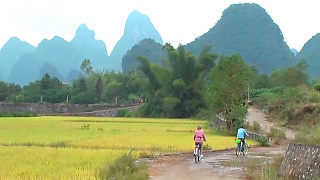
A little look at YangShuo, GuangXi province

With Little Chinese Everywhere ...

[640],shadow=true,start=,stop=
[320],shadow=true,start=,stop=

Yangshuo, situated in Guangxi Zhuang Autonomous Region in southern China, is renowned for its breathtaking karst landscapes, serene rivers, and vibrant local culture. Here's a guide for visitors to Yangshuo:

Natural Beauty:
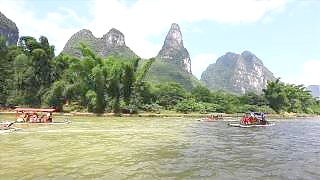
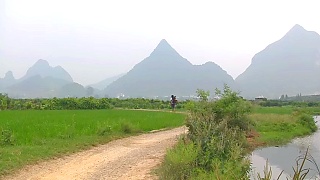
Karst Mountains: Yangshuo is famous for its iconic karst mountains, which rise sharply from the surrounding plains, creating a dramatic and picturesque landscape. Visitors can explore these unique limestone formations by hiking, biking, or taking boat cruises along the Li River.

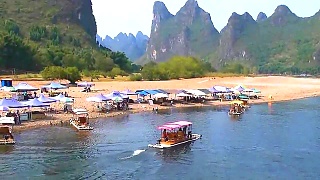
Li River: The Li River, one of China's most scenic waterways, meanders through the karst mountains of Yangshuo, offering stunning vistas at every turn. A leisurely boat cruise along the Li River is a must-do activity for visitors, providing opportunities to admire the breathtaking scenery and capture iconic views of the karst peaks reflected in the water.

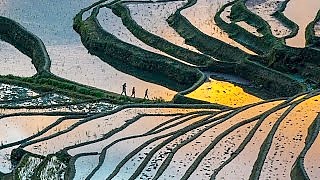
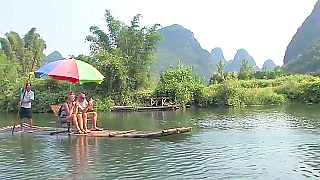
Yulong River: The Yulong River, a tributary of the Li River, is another picturesque waterway that flows through Yangshuo's countryside. Visitors can enjoy bamboo rafting or kayaking on the Yulong River, passing through idyllic villages, rice paddies, and bamboo groves along the way.

Outdoor Activities:
Cycling: Yangshuo is a cyclist's paradise, with scenic countryside roads and trails that wind through rice fields, orchards, and traditional villages. Renting a bicycle and exploring the surrounding countryside at a leisurely pace is a popular activity for visitors.

Rock Climbing: With its towering karst cliffs and limestone peaks, Yangshuo is a premier rock climbing destination in China. Experienced climbers and beginners alike can find suitable routes and climbing spots in the area, with options for guided tours and equipment rental available.

Cultural Experiences:
West Street: West Street (Xi Jie) is the main thoroughfare in Yangshuo's town center and a hub of activity for tourists and locals alike. Lined with shops, restaurants, cafes, and bars, West Street offers a vibrant atmosphere and is a great place to shop for souvenirs, sample local cuisine, and soak in the town's unique charm.

Impression Sanjie Liu: Directed by renowned filmmaker Zhang Yimou, Impression Sanjie Liu is a spectacular outdoor performance staged on the Li River. Featuring a cast of hundreds of performers, including local fishermen and farmers, the show combines music, dance, and light effects to showcase the natural beauty and cultural heritage of the area.

Practical Tips:
Weather: Yangshuo has a subtropical climate with mild winters and hot, humid summers. The best time to visit is during the spring (March to May) and autumn (September to November) when the weather is most pleasant and the landscapes are lush and green.

Accommodation: Yangshuo offers a range of accommodation options, including guesthouses, boutique hotels, and hostels catering to various budgets and preferences. Staying in the town center allows visitors to easily access attractions, restaurants, and transportation options.

Local Cuisine: Don't miss the opportunity to sample Yangshuo's delicious local cuisine, which includes specialties such as beer fish and Guilin rice noodles. Many restaurants in Yangshuo offer outdoor seating with panoramic views of the surrounding karst landscape.

Yangshuo's stunning natural scenery, outdoor activities, and vibrant cultural scene make it a popular destination for travelers seeking to explore the beauty of southern China. Whether cruising along the Li River, cycling through the countryside, or immersing oneself in the town's bustling street life, Yangshuo offers unforgettable experiences for visitors of all ages and interests.
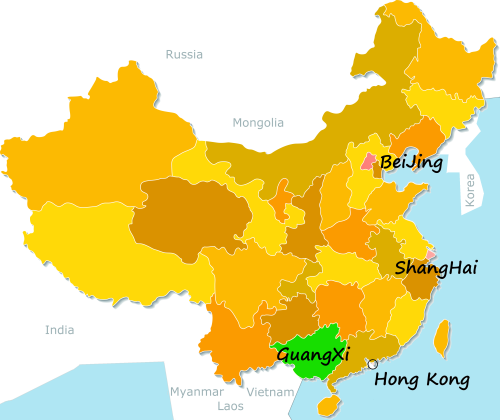

GuangXi map

Related Videos


Featured Videos

When spring comes, let’s enjoy a pot of SiChuan dried ribs
春暖花开,来上一锅享誉巴蜀的盐排骨可好? ZiQi wrote the following when she released this video on Chinese social media on father's day 2016 : I don't have a signature dish. I just heard from grandma that you liked it. I don't remember your face, but there's always a silhouette in my head, and I know that it's you. It hasn't been easy without you by my side. It's been twenty two years. I really miss you. Her father passed away when she was a young child. The background song is by an artist named 薛之谦 and is called 我好像在哪见过你 - I think I have met you somewhere ...
Planning war on China – part 14 : Silicon Valley and the US Offence department
With NuMuves ... Bonus film - on Venezuela, with Ben Norton and The Moderate Rebels ... On Nicaragua ... On the MSM ... On Ethiopia ... BeiJingBuzzz - because truth is sacred.
The Harbin 哈尔滨 Snow and Ice Festival opens January 3rd
For over 30 years, the Harbin Snow and Ice World has wowed visitors from round the globe ...
ChongQing 重庆 – fog city / green city …
Tiger Leaping Gorge 虎跳峡 – the 28 bends …
YunNan province. A beautiful film of a wonderful place - don't miss it ... Live more !
School field trip to China
In 2016, 100 students from low-income Lincoln high school, Tacoma, Washington State, embarked on a journey of a lifetime, following a personal invitation by president Xi JinPing. Travel expands one's horizons, and creates the real understanding ... Bonus film - Chinese president Xi JinPing's trip to Lincoln high school in 2015 ...
ShanHaiGuan 山海关, HeBei province
ShānHǎiGuān, 'Mountain Sea Gate', close to QinHuangDao. Where the Great Wall of China meets the ocean ...
The ancient HuaYan, FaHua, HunYuan & ShanHua temples, DaTong, ShanXi province
With Andy see the World ... *** HuaYan Temple, located in DaTong, ShanXi province, is a magnificent example of Buddhist temple architecture and one of the best-preserved temples from the Liao and Jin dynasties. Its name, "Huayan," is derived from the Huayan Sutra, an important scripture in Chinese Buddhism, reflecting the temple's strong connection to the Huayan school of Buddhist thought. Key Features: Divided Structure: The temple is unique as it is divided into two parts: the Upper Temple and the Lower Temple. The Upper Temple, built on a hill, was primarily used for religious ceremonies, while the Lower Temple served as a residential and study area for monks. Grand Hall: The Great Buddha Hall in the Upper Temple is one of the largest remaining halls of its kind from the Liao dynasty. It features massive wooden beams, intricate carvings, and large Buddha statues that exude a sense of serenity. Murals and Sculptures: The temple is renowned for its well-preserved murals and Buddhist sculptures. These artworks depict scenes from Buddhist scriptures and stories, reflecting the artistic style and religious devotion of the era. Library of Sutras: The Lower Temple houses a library of Buddhist sutras, emphasizing the temple’s role as a center for learning and spiritual practice. Architectural Significance: The wooden structures of Huayan Temple showcase the advanced engineering and architectural techniques of ancient China. The use of dougong brackets (interlocking wooden brackets) is particularly impressive. Cultural Heritage: Huayan Temple is a testament to the flourishing of Buddhism in northern China during the Liao and Jin dynasties. It represents a blend of religious, artistic, and architectural achievements. Atmosphere: Visitors often find the temple serene and spiritually uplifting, with its quiet courtyards, ancient trees, and the scent of incense enhancing the experience. It is not just a historical site but also an active place of worship. Huayan Temple remains a significant cultural and spiritual landmark, drawing visitors and scholars from around the world to explore its beauty and historical importance. *** Shanhua Temple, located in Datong, Shanxi Province, is a stunning example of Chinese Buddhist architecture and history. Originally constructed during the Tang Dynasty, the temple has been preserved and renovated over the centuries, with its current structures mainly dating back to the Liao and Jin Dynasties. The temple complex is composed of three main halls arranged along a north-south axis: the Main Gate Hall, the Mahavira Hall, and the Sansheng Hall. These halls are surrounded by peaceful courtyards, ancient trees, and stone pathways, creating a serene environment for visitors. The Mahavira Hall is the centerpiece of the temple, housing large statues of the Buddha and bodhisattvas. The craftsmanship of these statues reflects the artistic style of the Liao Dynasty, with intricate details and vibrant colors. The Sansheng Hall, dedicated to the Three Saints of Hua-yen Buddhism, also contains exquisite statues and murals that are valuable cultural relics. One of the temple's unique features is its collection of wooden structures, which have survived numerous dynasties and demonstrate the sophisticated construction techniques of ancient Chinese architecture. The intricate carvings, painted beams, and symbolic motifs throughout the temple showcase the skill of artisans from different eras. Visitors to Shanhua Temple can also enjoy the surrounding scenery, as the temple is situated near other historical sites in Datong, such as the Nine-Dragon Wall and the Yungang Grottoes. Its peaceful ambiance and historical significance make it a must-visit destination for those exploring China's rich cultural heritage. *** The HunYuan Confucian Temple, located in Hunyuan County near Datong, Shanxi Province, is an important historical and cultural site dedicated to the teachings of Confucius. Known for its elegant architecture and serene atmosphere, the temple reflects the Confucian emphasis on education, morality, and respect for tradition. Originally built during the Yuan Dynasty, the temple has undergone several renovations and expansions over the centuries, with many of its current structures dating back to the Ming and Qing Dynasties. The layout of the temple follows traditional Confucian principles, with symmetrical courtyards and a central axis leading to the main halls. The temple complex includes several key structures, such as the Dacheng Hall, the Gate of Rites, and the Hall of Confucius’ Tablets. The Dacheng Hall, the centerpiece of the temple, houses a statue of Confucius and tablets honoring his disciples and other influential scholars. Its wooden beams and intricate carvings are a testament to the craftsmanship of ancient Chinese builders. The temple grounds are adorned with ancient cypress trees, stone tablets, and inscriptions that highlight the enduring legacy of Confucianism in Chinese culture. These elements create a tranquil environment for visitors, providing a space for reflection and appreciation of traditional values. Hunyuan Confucian Temple is not only a place of historical significance but also a symbol of the enduring influence of Confucian thought in shaping Chinese society. Its proximity to other attractions in the area, such as the Hanging Temple, makes it an excellent addition to any itinerary for visitors exploring the region. *** The Fahua Temple, located in Datong, Shanxi Province, is a historic Buddhist temple with a serene atmosphere and a rich cultural heritage. Known for its traditional Chinese architecture and intricate details, the temple provides a glimpse into the spiritual and artistic traditions of ancient China. Originally built during the Ming Dynasty, Fahua Temple has undergone renovations over the centuries, preserving its historic charm while maintaining its religious significance. The temple is dedicated to Buddhist teachings and serves as a place of worship, meditation, and cultural reflection. The layout of the temple includes several key structures, such as the main hall, bell tower, and various smaller pavilions. The main hall is adorned with statues of the Buddha and Bodhisattvas, as well as colorful murals that depict scenes from Buddhist scriptures. The bell tower houses an ancient bronze bell that is said to bring blessings and peace to those who hear its chime. The temple grounds are quiet and peaceful, with pathways lined by trees and flowers that enhance the meditative experience. Stone carvings and inscriptions throughout the temple complex reflect the devotion and artistic skills of past generations. Visitors often find the setting conducive to quiet reflection and spiritual exploration. Fahua Temple is an important cultural and religious site in Datong, offering visitors a chance to connect with Buddhist traditions and admire the craftsmanship of Chinese temple architecture. Its tranquil environment makes it a worthwhile stop for those seeking a deeper understanding of the region’s history and spiritual legacy.
China – the threat of a good example
With Expat Adventuring in Asia ... "In this eye-opening video, we uncover the truth behind the growing tension between the United States and China. For years, the U.S. government has painted China as a looming enemy, a global threat that must be contained at all costs. But what if everything we’ve been told about China’s rise is a carefully constructed lie? Why is China seen as an enemy by the U.S. government? The answer is simpler than you think: China’s rise challenges the U.S. dominance — both economically and militarily. In this video, we expose the official U.S. policy that labels China as a threat not because of ideology or military aggression, but because China’s success threatens America’s role as the world's sole superpower. This policy — backed by years of documentation — is the core reason behind the U.S. narrative of China as the “enemy.” China’s peaceful rise versus U.S. domination. While the U.S. seeks to maintain global primacy and control, China has focused on development — building a massive economy, lifting over 800 million people out of poverty, and creating a modern, thriving nation through peaceful means. But the U.S. establishment is unwilling to accept that a country can prosper without following the West’s path. In this video, we reveal: • How U.S. foreign policy, dating back to the 1992 Defense Planning Guidance, explicitly states that any country, including China, that challenges U.S. dominance is labeled a threat. • The “primacy” doctrine and how it has shaped U.S. global strategies, including its ongoing campaign to undermine China’s rise. • The truth behind billions of dollars spent on anti-communist propaganda and “democracy promotion” to convince the world that China’s system is dangerous, despite its successes. • How the global power shift from unipolar to multipolar is already happening, and why the U.S. feels the need to hold onto a world that’s quickly evolving beyond its control. The reality that can’t be hidden Despite the constant anti-China rhetoric, China’s rise speaks for itself. The country’s GDP has grown from just $190 billion in 1980 to $18 trillion today, and it’s created the largest high-speed rail network in the world, alongside cutting-edge tech hubs and innovations that are reshaping the global economy. In contrast, the U.S. continues to face challenges at home, including income inequality, racial tensions, and a failing healthcare system. Yet, the U.S. media continues to promote the idea that China’s peaceful development is somehow a threat to the world. What the media doesn’t want you to know Behind the scenes, hundreds of millions of dollars have been funneled into think tanks, universities, and media outlets worldwide to shape global perceptions about China. We reveal how the Voice of America, National Endowment for Democracy (NED), and USAID fund anti-China narratives and distort the truth about China’s achievements. But no amount of money or propaganda can hide the undeniable truth: China’s success proves that a different system works. What does this mean for the future? As China continues to rise, the world is transitioning from a U.S.-dominated unipolar order to a multipolar world where countries cooperate, not compete. The future of global relations is changing, and China’s vision of cooperation is reshaping the way nations interact on the world stage. In this video, you’ll discover: • The hidden policies that fuel U.S. opposition to China. • How China’s peaceful rise is threatening the U.S. empire — not through war, but through smart, long-term development. • Why the real enemy isn’t China, but rather the U.S. control of global narratives and the unwillingness to share power with emerging nations. Why should you watch? • If you’re curious about the real reasons behind U.S.-China tensions, this video will give you answers based on facts, not propaganda. • If you want to understand global power dynamics and why China’s rise isn’t a threat but an opportunity for cooperation, this video is for you. • If you’ve ever wondered why the U.S. is so obsessed with maintaining global hegemony, this video will unveil the truth. 🔔 Don’t forget to subscribe for more deep dives into China’s rise, U.S. foreign policy, and the changing global order." In China, the people are king In the West, the people are livestock

Tag search ?