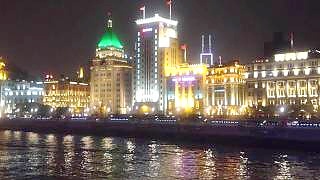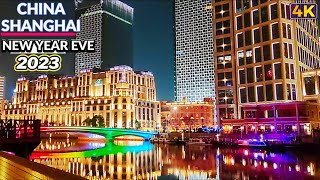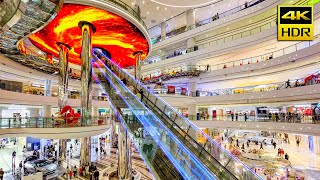
Pearl River night cruise, GuangZhou

With Walk For You ...

[640],shadow=true,start=,stop=

Guangzhou, formerly known as Canton, is a dynamic metropolis located in southern China, serving as the capital of Guangdong Province. As one of China's oldest and largest cities, Guangzhou boasts a rich history, vibrant culture, and modern urban amenities. Here's a guide for tourists visiting Guangzhou:

Historical and Cultural Significance:
Historic Trading Hub: Guangzhou has a long history as a major trading port and commercial center, dating back over 2,000 years. It played a crucial role in the ancient Maritime Silk Road, facilitating trade and cultural exchange between China and other parts of the world.

Cultural Diversity: As a melting pot of cultures, Guangzhou has a diverse population, influenced by various ethnic groups and foreign traders throughout history. This cultural diversity is reflected in the city's cuisine, architecture, and traditions.

Top Attractions:
Canton Tower: As one of the tallest structures in China, the Canton Tower is an iconic landmark and a symbol of Guangzhou's modernity. Visitors can ascend the tower for panoramic views of the cityscape, dine in rotating restaurants, and experience thrilling attractions like the Sky Drop and Bubble Tram.

Yuexiu Park: This expansive park in the heart of Guangzhou is home to several attractions, including the iconic Five-Ram Statue, Zhenhai Tower, and the Guangzhou Museum. Visitors can stroll through lush gardens, admire ancient artifacts, and enjoy recreational activities like boating and tai chi.

Chen Clan Academy: Built during the Qing Dynasty, the Chen Clan Ancestral Hall (also known as the Chen Clan Academy) is a masterpiece of Lingnan architecture. It houses a vast collection of traditional art, wood carvings, and ancestral tablets, offering insights into the region's cultural heritage.

Shamian Island: Located along the Pearl River, Shamian Island is a tranquil oasis with tree-lined streets, colonial-era buildings, and charming cafes. Visitors can wander through the island's historic neighborhoods, admire European-style architecture, and relax by the waterfront.

Guangzhou Opera House: Designed by renowned architect Zaha Hadid, the Guangzhou Opera House is a striking architectural masterpiece that hosts world-class performances and cultural events. Visitors can attend opera, ballet, concerts, and other artistic performances in a stunning modern setting.

Culinary Delights:
Cantonese Cuisine: Guangzhou is famous for its delicious Cantonese cuisine, characterized by fresh seafood, dim sum, roast meats, and flavorful stir-fries. Visitors can sample authentic dishes at local restaurants, street food stalls, and traditional teahouses throughout the city.

Qingping Market: Explore Qingping Market, one of Guangzhou's oldest and largest markets, to experience the vibrant atmosphere and diverse array of local specialties. From exotic fruits and spices to live seafood and herbal remedies, the market offers a sensory feast for visitors.

Practical Tips:
Transportation: Getting around Guangzhou is convenient with its extensive public transportation system, including buses, taxis, and the Guangzhou Metro. The city's efficient transportation network makes it easy to navigate between attractions and neighborhoods.

Language: Mandarin Chinese is the official language spoken in Guangzhou, although Cantonese is also widely spoken by locals. English may not be widely understood, especially in more remote areas, so it's helpful to carry a phrasebook or translation app.

Weather: Guangzhou has a subtropical climate with hot, humid summers and mild winters. The best time to visit is during the cooler months from October to March when the weather is more comfortable for outdoor activities.

Currency: The currency used in China is the Chinese Yuan (CNY). Credit cards are widely accepted at hotels, restaurants, and shops in urban areas, but it's advisable to carry cash for small purchases and transactions.

Guangzhou offers a fascinating blend of ancient history, modernity, and cultural diversity, making it an enchanting destination for tourists seeking to explore the treasures of southern China. Whether marveling at iconic landmarks, savoring Cantonese cuisine, or immersing oneself in the city's vibrant culture, Guangzhou has something to offer for every traveler.
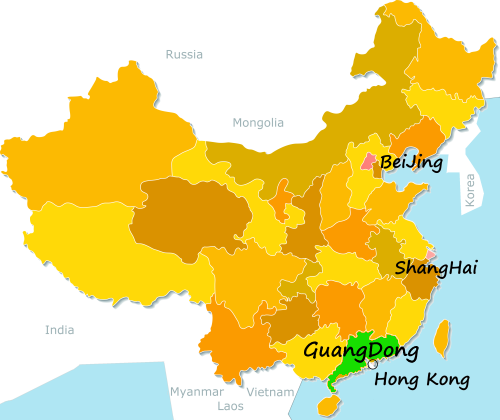
GuangDong map

Related Videos


Featured Videos

A bite of China – Chinese food !
The CCTV food series featuring food production, food culture, cooking and dishes. English narration. 1 Gifts of nature 2 The story of staple foods 3 Inspiration for change 4 The taste of time 5 Secrets of the kitchen 6 A perfect blend of five flavors 7 Our farm
BeiJing 北京 and ShangHai 上海 – winter trip
China in the snow; all in just 3 minutes ... Bonus film ...
The ruins of the Western-style palaces at YuanMingYuan 圆明园, BeiJing
YuanMingYuan, also known as the 'Old Summer Palace', was constructed during the 18th and early 19th century and was a wonderland of lakes and waterways, bridges, hills and pavilions. One third of the ground of YuanMingYuan was taken up by over 200 small hills with steep sides, secluded valleys, rock walls and stone caves. Half of the garderns are covered by the waters of lakes, winding streams and ponds. It was at YuanMingYuan that the emperors of the Qing Dynasty resided and handled government affairs - until it was destroyed; the Forbidden City was mostly used only for formal ceremonies at this time. The southern part of YuanMingYuan was where emperors handled state affairs, while the other parts were primarily for personal use and comprised of more than 150 scenic spots, involving rare exotic flowers and trees from different parts of the country. There were originally towers, terraces, pavilions, halls, corridors, pagodas and bridges with a total construction area of 150,000 square meters - corresponding in scale to that of the Imperial Palace. Artisans were recruited from all over China to enact the exquisite settings. The various styles of architecture, standing encircled by hills and rivulets, presented a most picturesque view. Many were reproductions of scenic mountains, rivers and famous gardens in China (mostly southern China). During his many tours of the country, emperor QianLong made it a point to have pictures of famous gardens and scenes drawn so that he could have replicas built in Beijing. Most famous of these were the ten scenic spots of the West Lake in HangZhou. The Old Summer Palace is often associated with the European-style palaces (Xi Yang Lou) that were built of stone. The designers of those structures, the Jesuits Giuseppe Castiglione and Michel Benoist, were employed by emperor QianLong to satisfy his taste for exotic buildings and objects. However, more than 95% of the Imperial Gardens consisted of essentially Chinese-style buildings. There were also a few buildings in Tibetan and Mongolian styles, reflecting the diversity of the Qing empire. In addition, hundreds of invaluable Chinese art masterpieces and antiquities were stored in the halls, including some unique copies of literary works and collections. In 1860, during the 'Second Opium War', the British and French expeditionary forces looted the Old Summer Palace. Later, on October 18 1860, a British general - despite protestations from the French (who in fact had began the looting) - gave the order to set fire to the huge complex, which burned to the ground. In 1900, those buildings that had partly survived or been restored were burnt for good by the Western expeditionary forces sent to quell the 'Boxer Rebellion'. Many priceless artifacts were plundered and made their way to museums and private collections in Europe. The ruins were further plundered by the warlords of the early republican period and further destruction of the ruins took place during the 'Cutural Revolution'. After all this destruction, what was left was truely just an empty shell. Empress dowager CiXi later directed the forming of YiHeYuan (Garden of Nurtured Harmony), into a new Summer Palace; this was near to the Old Summer Palace, but on a (somewhat) smaller scale. Nearest subway station : YuanMingYuan on line 4.
Tiger Leaping Gorge 虎跳峡, YunNan province – slideshow video
60 kilometers north of LiJiang in south west China. The gorge is about 15 kilometers long and passes the 5,600m high Jade Dragon Snow Mountain.
Explore the Temple of Heaven (TianTan) in BeiJing
With Seiu Travel ... "The Temple of Heaven in Beijing has stood for over 600 years—a sacred site where emperors once worshipped the heavens. This solemn sanctuary not only witnessed the grandeur of the Ming and Qing dynasties but also preserved countless ancient rituals and stories. In this video, we begin our journey at the South Gate of the Temple of Heaven, retracing the footsteps of emperors past. From the Circular Mound to the Echo Wall, and finally to the magnificent Hall of Prayer for Good Harvests, every step brings us deeper into history. Beyond the altars, the Temple of Heaven Park also offers tranquil corners: the serene Zhai Palace in the west, the poetic Double Ring Longevity Pavilion, and the relaxed vibes of the Hundred Flowers Garden shaded by ancient pines. Just beyond the temple walls, old Beijing comes alive—with smoky alleyways, time-honored snacks, and the rhythm of daily life. Here, history and life are only a street apart. Whether you're drawn to imperial rituals or local flavor, the Temple of Heaven is an unmissable chapter of Beijing."
Discover ShiJiaZhuang 石家庄, capital of HeBei province
HeBei province more or less surrounds BeiJing municipality. ShiJiaZhuang lies about 260 kilometres (160 miles) south-west of BeiJing city.
Beautiful AnHui 安徽 province
First time in China – ChengDu, SiChuan province
With Travel For Phoebe ...
GeTu River scenic area, GuiZhou
With BeiJing Liu ...

Tag search ?