20 places to visit in and around XiaMen, FuJian province

Top 20 Places to Visit in and Around Xiamen:

  1. Gulangyu Island (鼓浪屿, Gǔlàngyǔ): Explore the car-free island known for its colonial architecture, beaches, and scenic views.
  2. Xiamen University (厦门大学, Xiàmén Dàxué): Visit the beautiful campus known for its traditional Chinese-style architecture and scenic surroundings.
  3. Zhongshan Road Pedestrian Street (中山路步行街, Zhōngshān Lù Bùxíng Jiē): Shop, dine, and experience local culture on this bustling pedestrian street.
  4. Hulishan Fortress (胡里山炮台, Húlǐshān Pàotái): Explore this historic fortress built in the late Qing dynasty, featuring cannons and panoramic views of the sea.
  5. Nanputuo Temple (南普陀寺, Nánpǔtuó Sì): Visit this Buddhist temple known for its intricate architecture and serene atmosphere.
  6. Xiamen Botanical Garden (厦门植物园, Xiàmén Zhíwùyuán): Enjoy a leisurely stroll through this expansive botanical garden featuring a wide variety of plant species.
  7. Guanyin Mountain (观音山, Guānyīn Shān): Hike or take a cable car to the top of this scenic mountain for panoramic views of Xiamen and the surrounding area.
  8. Gaoji Causeway (高崎大道, Gāojī Dàdào): Take a scenic drive or bike ride along this picturesque causeway connecting Xiamen Island to the mainland.
  9. Xiamen Science and Technology Museum (厦门科技馆, Xiàmén Kējìguǎn): Explore interactive exhibits on science, technology, and innovation at this family-friendly museum.
  10. Huangcuo Beach (黄厝海滩, Huángcuò Hǎitān): Relax on the sandy shores and enjoy water sports at this popular beach destination.
  11. Xiamen International Conference and Exhibition Center (厦门国际会展中心, Xiàmén Guójì Huìzhǎn Zhōngxīn): Attend events, trade shows, and exhibitions at this modern convention center.
  12. Wanshi Botanical Garden (万石植物园, Wànshí Zhíwùyuán): Discover diverse plant species and enjoy scenic walking trails at this botanical garden.
  13. Xiamen Piano Museum (厦门钢琴博物馆, Xiàmén Gāngqín Bówùguǎn): Learn about the history and craftsmanship of pianos at this unique museum.
  14. Xiamen Twin Towers (厦门双子塔, Xiàmén Shuāngzǐtǎ): Admire the modern architecture and panoramic views from the observation deck of these iconic twin towers.
  15. Huandao Road (环岛路, Huándǎo Lù): Take a scenic drive or bike ride along this coastal road encircling Xiamen Island, offering stunning views of the sea and skyline.
  16. Xiamen Gulangyu Museum (厦门鼓浪屿博物馆, Xiàmén Gǔlàngyǔ Bówùguǎn): Learn about the history and culture of Gulangyu Island at this informative museum.
  17. Hai Tian Tang Gou (海天堂购, Hǎi Tiān Táng Gòu): Shop for souvenirs, local products, and snacks at this bustling shopping street.
  18. Gu Lang Yu Organ Museum (鼓浪屿风琴博物馆, Gǔlàngyǔ Fēngqín Bówùguǎn): Explore a unique collection of organs and musical instruments at this museum.
  19. Xiamen Science and Technology Museum (厦门科技馆, Xiàmén Kējìguǎn): Engage in hands-on learning and interactive exhibits at this educational museum.
  20. Wuyuan Bay Wetland Park (五缘湾湿地公园, Wǔyuán Wān Shīdì Gōngyuán): Enjoy nature walks, birdwatching, and scenic views of wetland ecosystems at this peaceful park.
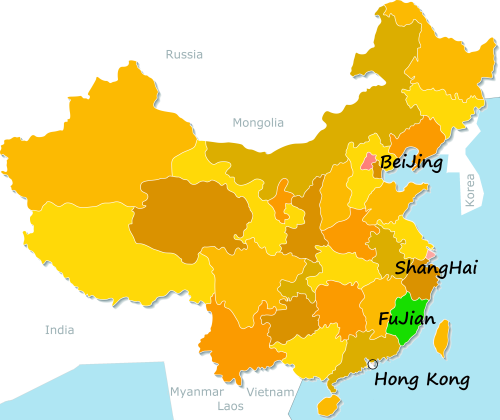
FuJian map

Related Videos


Featured Videos

Beautiful scenes from `Impression West Lake` 印象西湖
HangZhou, in ZheJiang province, south from ShangHai ...
Exploring the YunGang Grottoes, near DaTong, ShanXi province
Ancient Buddhist carving caves. With DuckTravel ... Visitor Guide to the YunGang Grottoes Introduction to the YunGang Grottoes The YunGang Grottoes (云冈石窟), located near Datong in ShanXi Province, are one of China's most remarkable ancient Buddhist art sites. Carved into the sandstone cliffs during the Northern Wei Dynasty (5th–6th centuries), the grottoes feature over 51,000 statues and carvings, showcasing the fusion of Chinese, Indian, and Central Asian artistic traditions. Recognized as a UNESCO World Heritage Site, the YunGang Grottoes are a must-visit for history, art, and culture enthusiasts. Highlights of the YunGang Grottoes The Five Iconic Caves (TanYao Five Caves) - These are the earliest and most impressive caves, featuring colossal Buddha statues that symbolize the power and authority of the Northern Wei emperors. Cave 20, with its towering seated Buddha, is particularly famous. Intricate Carvings and Reliefs - The grottoes are adorned with detailed carvings of Buddhist deities, celestial beings, and narrative scenes from Buddhist scriptures. The craftsmanship reflects the artistic brilliance of the era. Cultural Fusion - The grottoes display a unique blend of Chinese and foreign influences, including Gandharan and Gupta styles, highlighting the Silk Road's cultural exchange. Outdoor Statues - In addition to the cave carvings, the site features numerous outdoor statues and steles, offering a glimpse into the religious and artistic practices of the time. Visitor Information Location: The YunGang Grottoes are located approximately 16 kilometers west of Datong City in ShanXi Province. Opening Hours: 8:30 AM to 5:30 PM (April–October); 8:30 AM to 4:50 PM (November–March). Entrance Fee: Approximately 120 CNY (April–October); 100 CNY (November–March). Discounts are available for students and seniors. Guided Tours: English-speaking guides are available for hire at the entrance, providing in-depth insights into the history and significance of the grottoes. How to Get There By Air: The nearest airport is Datong YunGang Airport, with connections to major cities like Beijing, Shanghai, and Guangzhou. From the airport, taxis or buses can take you to the grottoes. By Train: Datong is well-connected by high-speed rail. From Datong Railway Station, you can take a taxi or bus to the grottoes (about 30 minutes). By Car: The grottoes are easily accessible by car via the Datong–YunGang Expressway. Tips for Visitors Best Time to Visit: Spring (April–June) and autumn (September–October) offer pleasant weather and fewer crowds. Avoid visiting during national holidays, as the site can get very busy. What to Wear: Wear comfortable walking shoes, as the site involves some walking. Bring a hat and sunscreen during summer, as parts of the site are exposed. Photography: Photography is allowed in most areas, but flash photography is prohibited inside the caves to protect the ancient artwork. Respect the Site: As a UNESCO World Heritage Site, the grottoes are a precious cultural treasure. Avoid touching the carvings and follow all posted guidelines. Nearby Attractions HengShan Hanging Temple (悬空寺) - A unique temple built into a cliff face, combining Buddhist, Taoist, and Confucian elements. Datong City Wall - A well-preserved ancient city wall offering panoramic views of Datong. Nine Dragon Screen (九龙壁) - A stunning glazed-tile screen depicting nine dragons, located in Datong. Conclusion The YunGang Grottoes are a testament to China's rich cultural and religious history. With their awe-inspiring statues, intricate carvings, and historical significance, they offer a profound and unforgettable experience for visitors. Whether you're a history buff, an art lover, or a spiritual seeker, the YunGang Grottoes are a must-see destination in China.
ShangHai 上海 city
Filmed in winter 2011 / 2012
Cancer as a metabolic disease
Last health post on the latest videos page - from now on, health related videos will be on a new health specific page, featuring the best 4 (so far) health promoters (Berg, Ekberg, Chatterjee, MedCram). Here in a day or so. With Doctor Eric Berg and professor xxx ... Why carbs, fructose, sugar will ruin your health ...
JinWan Village, MengXiu, YunNan province
Near RuiLi and the border with Myanmar.
ZhengZhou 郑州 workout
Provincial capital of HeNan province. Fit for life ...
JiuXiang Caves Scenic Area 九乡风景区, YunNan province
JiuXiang Scenic Area lies about 70 kilometres from KunMing and 47 km from the town of YiLiang. In JiuXiang, rivers and streams criss-cross karst hills and mountains. There are more than one hundred caves here that form one of the largest cave groups in China. The stalactites in the caves take on many forms in different colours. Found in the caves are numerous natural bridges, valleys, steams and waterfalls, which constitute a wonderful subterranean world. With a total area of about 200 square kilometres, JiuXiang consists of five smaller scenic areas.
The BRI : the new Silk Road : the China – Russia corridor
The Li River and YuLong River, between YangShuo and Guilin, GuangXi province

Tag search ?