A beautiful guide to WuHan 武汉

WuHan is the provincial capital of HuBei province in central-east China.

Welcome to WuHan ...

[640],shadow=true,start=,stop=

Wuhan, the capital city of Hubei Province in central China, is a vibrant and dynamic metropolis with a rich history, cultural heritage, and modern amenities. Situated at the confluence of the Yangtze and Han rivers, Wuhan is known as the River City and serves as a major transportation hub and economic center in China. Here's a guide to Wuhan for visitors:

Historical and Cultural Attractions:
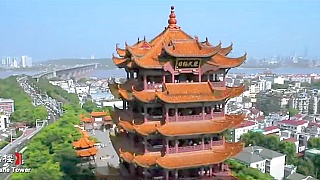
Yellow Crane Tower (Huanghelou): This iconic landmark, dating back over 1,700 years, offers panoramic views of Wuhan and the Yangtze River. It's a symbol of the city's rich cultural heritage and is surrounded by lush gardens and scenic vistas.

Guiyuan Temple: Explore this ancient Buddhist temple, renowned for its intricate architecture, serene gardens, and impressive collection of Buddhist scriptures and artifacts.

Hubei Provincial Museum: Delve into the history and culture of Hubei Province at this world-class museum, which houses a vast collection of artifacts, including ancient artifacts from the Warring States period and exquisite bronze bells from the Spring and Autumn period.

East Lake (Donghu): Escape the urban hustle and bustle with a visit to East Lake, the largest urban lake in China. Explore its scenic walking paths, tranquil pavilions, and picturesque landscapes.

Wuhan University: Stroll through the picturesque campus of Wuhan University, one of China's most prestigious universities, known for its beautiful gardens, historic buildings, and academic excellence.

Modern Landmarks:
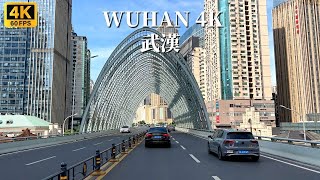
Yangtze River Bridge: Visit the first bridge to span the Yangtze River, a symbol of Wuhan's engineering prowess and economic significance. The bridge offers stunning views of the river and the city skyline.

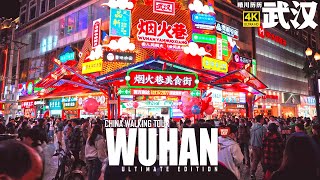
Han Street (Hanjie): Explore this vibrant pedestrian street, lined with shops, restaurants, and entertainment venues. Han Street is a popular destination for shopping, dining, and nightlife, with a lively atmosphere day and night.

Culinary Delights:
Hot Dry Noodles (Re-gan Mian): Sample Wuhan's most famous dish, hot dry noodles, a simple yet delicious noodle dish served with sesame paste, chili oil, and other seasonings.

Wuhan Soup Dumplings (Jiaozi): Indulge in these savory soup dumplings, filled with flavorful broth and meat or vegetable fillings. They're a popular street food snack and can be found at markets and food stalls throughout the city.

Practical Information:
Transportation: Getting around Wuhan is convenient, with an extensive public transportation system that includes buses, the Wuhan Metro, and ferries across the Yangtze River.

Accommodation: Wuhan offers a wide range of accommodation options, from luxury hotels to budget-friendly hostels, catering to different preferences and budgets.

Language: Mandarin Chinese is the official language, but some locals may speak English, especially in tourist areas.

Safety: Wuhan is generally safe for travelers, but it's always wise to take standard precautions regarding personal belongings and travel safety.

Unique Experiences:
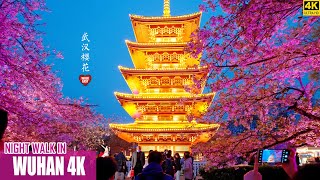
Cherry Blossom Festival: Visit Wuhan in spring to witness the breathtaking cherry blossoms in full bloom at Wuhan University and other scenic spots around the city.

Yangtze River Cruise: Embark on a cruise along the mighty Yangtze River, passing through picturesque landscapes, historic towns, and the famous Three Gorges.

Wuhan offers visitors a fascinating blend of history, culture, and modernity, with a diverse array of attractions, culinary delights, and unique experiences waiting to be discovered. Whether exploring ancient landmarks, strolling along scenic riverbanks, or savoring local cuisine, visitors to Wuhan are sure to be captivated by the city's charm and vitality.
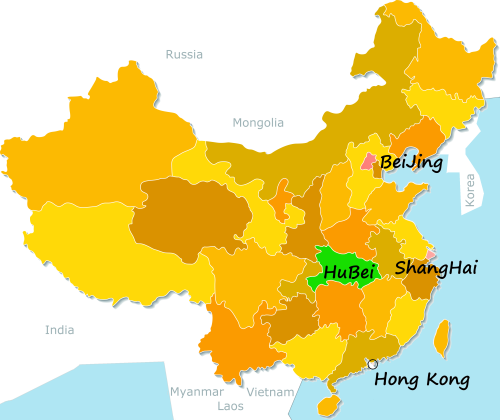
HuBei map

Related Videos


Featured Videos

Awesome DaLi, YunNan province – timeless charm
With Feeding Foca ... "The mountains are high, and the emperor is far away."
Mandarin and other Chinese languages
GuanDi Temple (Temple of Guan Yu), DaTong, ShanXi province
With Andy see the World ... Guandi Temple (关帝庙), commonly referred to as the Grand Temple, is dedicated to the worship of Guan Yu, a revered general from the Three Kingdoms period. Originally built during the Yuan Dynasty, the temple remarkably retains its original Yuan Dynasty hall, making it the only surviving Yuan Dynasty structure within the Datong Ancient City. The architectures in the scenic area include: Shanmen (Mountain Gate): The entrance to Guandi Temple is marked by the Shanmen, a three-bay wide structure with a suspended mountain-style roof. The gate is adorned with a couplet inscribed on it, reading “Loyalty to the Han dynasty in the three kingdoms, ambition in one book of Spring and Autumn,” which reflects the values and aspirations attributed to Guan Yu. Chongsheng Hall (Passing Hall): Inside the Chongsheng Hall, a majestic bronze statue of Guan Yu riding a horse dominates the space. Standing at 3.3 meters tall and weighing two tons, the statue exudes the heroic and commanding presence of Guan Yu as a military leader. Main Hall (Wusheng Hall): The Wusheng Hall is the central structure of the temple complex, notable for its single-eave nine-ridge roof covered with glittering glazed tiles. The interior of the hall features a three-bay shrine at the front, connected by two finely carved golden columns. The shrine includes intricate wooden niches designed in the style of ancient wooden structures, with detailed carvings and a double-eave hip-and-gable roof. The niches are adorned with decorative patterns, and the space is embellished with colored paintings and gold-plated elements, showcasing the exquisite craftsmanship of the Qing Dynasty. Jieyi Garden (Brotherhood Garden): Located in the west courtyard, Jieyi Garden houses the Jieyi Hall and the Wuhou Shrine. In spring, the garden comes alive with blossoming peach flowers, filling the air with a delightful fragrance. Guandi Temple (Temple of Guan Yu), Datong Guandi Temple, also known as the Temple of Guan Yu, is a historic and culturally significant site located in Datong, Shanxi province. Dedicated to Guan Yu, a legendary general from the Three Kingdoms period, the temple is a testament to his enduring legacy as a symbol of loyalty, righteousness, and bravery. Here’s a detailed guide to everything you need to know about this remarkable temple. History and Background The Guandi Temple in Datong dates back to the Yuan Dynasty (1271–1368), with subsequent renovations during the Ming (1368–1644) and Qing (1644–1912) dynasties. Guan Yu, the temple’s namesake, was a revered general during the Three Kingdoms period and later deified as a god of war and loyalty. The temple was built to honor his virtues and has since become a place of worship and cultural significance. Architecture and Layout The temple is a fine example of traditional Chinese temple architecture, featuring: Grand Hall (Main Hall): The central hall houses a large statue of Guan Yu, depicted in his iconic pose with a long beard and a guandao (a type of pole weapon). Stone Tablets: Inscriptions on stone tablets detail the history of the temple and the life of Guan Yu. Courtyards: The temple complex includes several courtyards, each with its own unique features, such as ancient trees and decorative carvings. Roof Decorations: The roofs are adorned with intricate glazed tiles and statues of mythical creatures, symbolizing protection and good fortune. Main Attractions Here’s a detailed look at the must-see spots within the Guandi Temple: 1. Statue of Guan Yu The centerpiece of the temple is the imposing statue of Guan Yu, which stands in the Grand Hall. The statue is crafted with meticulous detail, showcasing Guan Yu’s威严 (majestic presence) and his iconic weapon, the Green Dragon Crescent Blade. 2. Stone Tablets and Inscriptions Scattered throughout the temple, these tablets provide historical insights into Guan Yu’s life and the temple’s construction. Some inscriptions are written in ancient calligraphy, adding to the temple’s cultural value. 3. Ancient Trees The temple grounds are home to several ancient trees, some of which are hundreds of years old. These trees add to the serene and timeless atmosphere of the temple. 4. Decorative Carvings The temple features intricate wood and stone carvings, depicting scenes from Chinese mythology and Guan Yu’s legendary exploits. These carvings are a testament to the skill and artistry of ancient Chinese craftsmen. Cultural Significance Guandi Temple is not just a place of worship but also a cultural landmark that reflects the values of loyalty, righteousness, and bravery embodied by Guan Yu. Key cultural aspects include: Worship of Guan Yu: Guan Yu is worshipped as a god of war, loyalty, and righteousness, and is also considered a protector of businesses. Visitors often pray for success, protection, and good fortune. Festivals and Rituals: During important festivals, such as Guan Yu’s Birthday (24th day of the 6th lunar month), the temple hosts ceremonies and performances. These events attract devotees and tourists alike, creating a vibrant atmosphere. Symbolism: The temple’s architecture and artifacts are rich in symbolism, reflecting traditional Chinese beliefs and values. How to Get There Guandi Temple is located in the heart of Datong, making it easily accessible: By Public Transport: Take a local bus or taxi to the temple. It’s a short ride from Datong’s city center. By Car: If you’re driving, parking is available near the temple. Best Time to Visit Spring (April–June): Pleasant weather and blooming flowers make this an ideal time to visit. Autumn (September–October): Cool temperatures and clear skies provide perfect conditions for exploring. During Festivals: Visiting during Guan Yu’s Birthday or other festivals offers a unique cultural experience. Travel Tips Dress Modestly: As a place of worship, it’s respectful to dress modestly when visiting the temple. Respect Local Customs: Follow temple etiquette, such as not touching artifacts and maintaining a quiet demeanor. Hire a Guide: Consider hiring a local guide to gain deeper insights into the temple’s history and significance. Combine with Other Attractions: Datong is home to other famous sites like the Yungang Grottoes and Hanging Temple, so plan a combined itinerary. Why Visit Guandi Temple? Guandi Temple is a must-visit destination for: History Enthusiasts: Learn about Guan Yu’s legendary life and the temple’s rich history. Cultural Explorers: Experience traditional Chinese architecture, art, and religious practices. Spiritual Seekers: Pay homage to Guan Yu and seek blessings for loyalty, success, and protection. Whether you’re drawn by history, culture, or spirituality, Guandi Temple in Datong offers a fascinating and enriching experience.
At home in China
HongCun 宏村 and MuKeng Bamboo Forest 木坑竹海
Step back in time with Tim and Glo as they visit HóngCūn, in the historical HuiZhou region of southern AnHui province, near the south west slope of Mount HuangShan, plus the close-by MuKeng Bamboo Forest. The architecture and features of the approximately 150 residences that date from the Ming and Qing dynasties are among the best of their kind in China. One of the largest residences open to visitors, ChenZhi Hall, also contains a small museum. Together with nearby XiDi, the village is a UNESCO World Heritage Site. Scenes from the film 'Crouching Tiger, Hidden Dragon' were filmed on location here.
BeiJing 北京 and ShangHai 上海 – winter trip
China in the snow; all in just 3 minutes ... Bonus film ...
Urban Canyon Park Style Mall – Mix-C World, ShangHai
城市峡谷公园式商业新地标全新登场!上海苏河湾万象天地商场漫游记 With Wei's Travel ...
Zhou Shen & Sa DingDing at the mid-autumn festival – Upwards to the Moon
Zhou Shen & Sa Dingding singing at the Mid Autumn Festival "Upwards to the Moon" 《左手指月》...
50 places to visit in GuangZhou
GuangZhou: 20 Kid-Friendly Places to Visit Canton Tower (广州塔 Guǎngzhōu Tǎ): Enjoy panoramic views of the city from one of the tallest towers in the world. Chimelong Paradise (长隆欢乐世界 Chánglóng Huānlè Shìjiè): Have fun with thrilling rides and entertainment for kids of all ages. Chimelong Safari Park (长隆野生动物园 Chánglóng Yěshēng Dòngwùyuán): See a variety of animals up close in this large safari park. Yuexiu Park (越秀公园 Yuèxiù Gōngyuán): Explore the lush greenery and iconic Five Ram Statue in this historic park. Guangzhou Zoo (广州动物园 Guǎngzhōu Dòngwùyuán): Visit the zoo to see pandas, elephants, and other animals. Haizhu Lake (海珠湖 Hǎizhū Hú): Take a leisurely stroll or enjoy boat rides on this picturesque lake. Guangzhou Children's Museum (广州儿童博物馆 Guǎngzhōu Értóng Bówùguǎn): Interactive museum with exhibits designed for children. Chimelong Water Park (长隆水上乐园 Chánglóng Shuǐshàng Lèyuán): Cool off in this water park featuring slides and pools. Guangzhou Science City (广州科学城 Guǎngzhōu Kēxué Chéng): Learn about science through interactive exhibits and demonstrations. Baiyun Mountain (白云山 Báiyún Shān): Hike or take a cable car to enjoy stunning views of the city from the mountain. Guangzhou Ocean World (广州海洋世界 Guǎngzhōu Hǎiyáng Shìjiè): Explore marine life and watch exciting performances at this aquarium. Guangzhou Library (广州图书馆 Guǎngzhōu Túshūguǎn): Discover a wide range of books and resources in this modern library. Redtory Art and Design Factory (红专厂 Hóngzhuānchǎng): Explore art galleries and creative spaces in this former factory complex. Guangzhou Crocodile Park (广州鳄鱼园 Guǎngzhōu Èyú Yuán): See a variety of crocodile species and learn about their habitats. Haixinsha Island (海心沙岛 Hǎixīnshā Dǎo): Enjoy scenic views and outdoor activities on this artificial island along the Pearl River. Guangdong Museum (广东省博物馆 Guǎngdōng Shěng Bówùguǎn): Explore the history and culture of Guangdong Province through exhibits and artifacts. Guangzhou Children's Park (广州儿童公园 Guǎngzhōu Értóng Gōngyuán): Enjoy playgrounds, rides, and family-friendly activities in this park. South China Botanical Garden (华南植物园 Huánán Zhíwùyuán): Explore diverse plant collections and enjoy nature walks in this botanical garden. Guangzhou Sculpture Park (广州雕塑公园 Guǎngzhōu Diāosù Gōngyuán): Admire sculptures and art installations in this outdoor park. Baiyun International Convention Center (白云国际会议中心 Báiyún Guójì Huìyì Zhōngxīn): Attend events or explore the architectural marvels of this convention center. 30 More Places to Visit in GuangZhou Shamian Island (沙面岛 Shāmiàn Dǎo): Explore colonial architecture and tranquil surroundings on this historic island. Chen Clan Ancestral Hall (陈家祠 Chén Jiā Cí): Admire intricate architecture and traditional art in this ancestral hall. Guangzhou Opera House (广州大剧院 Guǎngzhōu Dàjùyuàn): Attend performances or admire the futuristic design of this opera house. Shangxiajiu Pedestrian Street (上下九步行街 Shàngxiàjiǔ Bùxíng Jiē): Shop for souvenirs and enjoy local delicacies on this bustling street. Guangzhou Museum of Art (广州艺术博物馆 Guǎngzhōu Yìshù Bówùguǎn): Discover contemporary Chinese art in this museum. Guangzhou Tower (小蛮腰 Xiǎo Mán Yāo): Visit this landmark tower for panoramic views and a revolving restaurant. Temple of the Six Banyan Trees (六榕寺 Liùróng Sì): Explore Buddhist art and architecture in this historic temple. Guangzhou Museum (广州博物馆 Guǎngzhōu Bówùguǎn): Learn about the history and culture of Guangzhou through exhibits and artifacts. White Cloud Mountain (白云山 Báiyún Shān): Hike or take a cable car to enjoy scenic views and explore caves. Guangzhou Opera House (广州大剧院 Guǎngzhōu Dàjùyuàn): Attend performances or admire the futuristic design of this opera house. Shangxiajiu Pedestrian Street (上下九步行街 Shàngxiàjiǔ Bùxíng Jiē): Shop for souvenirs and enjoy local delicacies on this bustling street. Guangzhou Museum of Art (广州艺术博物馆 Guǎngzhōu Yìshù Bówùguǎn): Discover contemporary Chinese art in this museum. Guangzhou Tower (小蛮腰 Xiǎo Mán Yāo): Visit this landmark tower for panoramic views and a revolving restaurant. Temple of the Six Banyan Trees (六榕寺 Liùróng Sì): Explore Buddhist art and architecture in this historic temple. Guangzhou Museum (广州博物馆 Guǎngzhōu Bówùguǎn): Learn about the history and culture of Guangzhou through exhibits and artifacts. White Cloud Mountain (白云山 Báiyún Shān): Hike or take a cable car to enjoy scenic views and explore caves. Guangzhou Flower City Square (花城广场 Huāchéng Guǎngchǎng): Enjoy the vibrant atmosphere and floral displays in this city square. Guangzhou Chimelong Golf Club (广州长隆高尔夫俱乐部 Guǎngzhōu Chánglóng Gāo'ěrfū Jùlèbù): Play golf and enjoy luxurious amenities at this golf club. Guangzhou Library (广州图书馆 Guǎngzhōu Túshūguǎn): Discover a wide range of books and resources in this modern library. Guangzhou Opera House (广州大剧院 Guǎngzhōu Dàjùyuàn): Attend performances or admire the futuristic design of this opera house. Shangxiajiu Pedestrian Street (上下九步行街 Shàngxiàjiǔ Bùxíng Jiē): Shop for souvenirs and enjoy local delicacies on this bustling street. Guangzhou Museum of Art (广州艺术博物馆 Guǎngzhōu Yìshù Bówùguǎn): Discover contemporary Chinese art in this museum. Guangzhou Tower (小蛮腰 Xiǎo Mán Yāo): Visit this landmark tower for panoramic views and a revolving restaurant. Temple of the Six Banyan Trees (六榕寺 Liùróng Sì): Explore Buddhist art and architecture in this historic temple. Guangzhou Museum (广州博物馆 Guǎngzhōu Bówùguǎn): Learn about the history and culture of Guangzhou through exhibits and artifacts. White Cloud Mountain (白云山 Báiyún Shān): Hike or take a cable car to enjoy scenic views and explore caves. Guangzhou Flower City Square (花城广场 Huāchéng Guǎngchǎng): Enjoy the vibrant atmosphere and floral displays in this city square. Guangzhou Chimelong Golf Club (广州长隆高尔夫俱乐部 Guǎngzhōu Chánglóng Gāo'ěrfū Jùlèbù): Play golf and enjoy luxurious amenities at this golf club.

Tag search ?