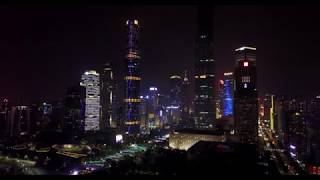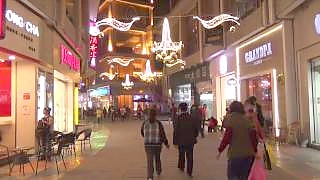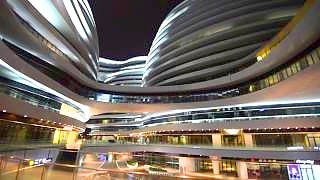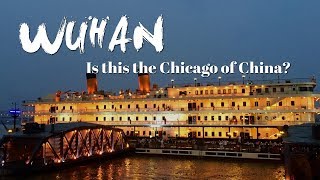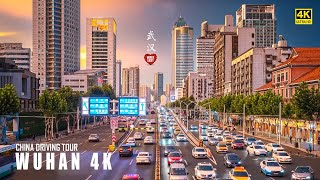
Welcome to WuHan city, HuBei province

With Walk East ...

[640],shadow=true,start=,stop=

Wuhan, the capital city of Hubei Province in central China, is a vibrant and dynamic metropolis with a rich history, cultural heritage, and modern amenities. Situated at the confluence of the Yangtze and Han rivers, Wuhan is known as the River City and serves as a major transportation hub and economic center in China. Here's a guide to Wuhan for visitors:

Historical and Cultural Attractions:
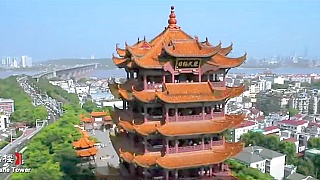
Yellow Crane Tower (Huanghelou): This iconic landmark, dating back over 1,700 years, offers panoramic views of Wuhan and the Yangtze River. It's a symbol of the city's rich cultural heritage and is surrounded by lush gardens and scenic vistas.

Guiyuan Temple: Explore this ancient Buddhist temple, renowned for its intricate architecture, serene gardens, and impressive collection of Buddhist scriptures and artifacts.

Hubei Provincial Museum: Delve into the history and culture of Hubei Province at this world-class museum, which houses a vast collection of artifacts, including ancient artifacts from the Warring States period and exquisite bronze bells from the Spring and Autumn period.

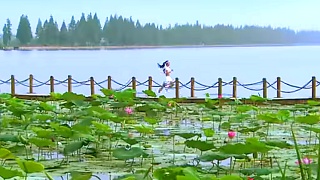
East Lake (Donghu): Escape the urban hustle and bustle with a visit to East Lake, the largest urban lake in China. Explore its scenic walking paths, tranquil pavilions, and picturesque landscapes.

Wuhan University: Stroll through the picturesque campus of Wuhan University, one of China's most prestigious universities, known for its beautiful gardens, historic buildings, and academic excellence.

Modern Landmarks:
Yangtze River Bridge: Visit the first bridge to span the Yangtze River, a symbol of Wuhan's engineering prowess and economic significance. The bridge offers stunning views of the river and the city skyline.

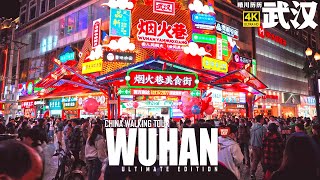
Han Street (Hanjie): Explore this vibrant pedestrian street, lined with shops, restaurants, and entertainment venues. Han Street is a popular destination for shopping, dining, and nightlife, with a lively atmosphere day and night.

Culinary Delights:
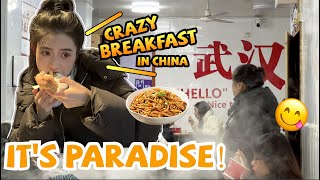
Hot Dry Noodles (Re-gan Mian): Sample Wuhan's most famous dish, hot dry noodles, a simple yet delicious noodle dish served with sesame paste, chili oil, and other seasonings.

Wuhan Soup Dumplings (Jiaozi): Indulge in these savory soup dumplings, filled with flavorful broth and meat or vegetable fillings. They're a popular street food snack and can be found at markets and food stalls throughout the city.

Practical Information:
Transportation: Getting around Wuhan is convenient, with an extensive public transportation system that includes buses, the Wuhan Metro, and ferries across the Yangtze River.

Accommodation: Wuhan offers a wide range of accommodation options, from luxury hotels to budget-friendly hostels, catering to different preferences and budgets.

Language: Mandarin Chinese is the official language, but some locals may speak English, especially in tourist areas.

Safety: Wuhan is generally safe for travelers, but it's always wise to take standard precautions regarding personal belongings and travel safety.

Unique Experiences:
Cherry Blossom Festival: Visit Wuhan in spring to witness the breathtaking cherry blossoms in full bloom at Wuhan University and other scenic spots around the city.

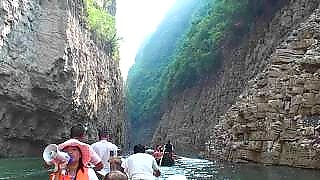
Yangtze River Cruise: Embark on a cruise along the mighty Yangtze River, passing through picturesque landscapes, historic towns, and the famous Three Gorges.

Wuhan offers visitors a fascinating blend of history, culture, and modernity, with a diverse array of attractions, culinary delights, and unique experiences waiting to be discovered. Whether exploring ancient landmarks, strolling along scenic riverbanks, or savoring local cuisine, visitors to Wuhan are sure to be captivated by the city's charm and vitality.
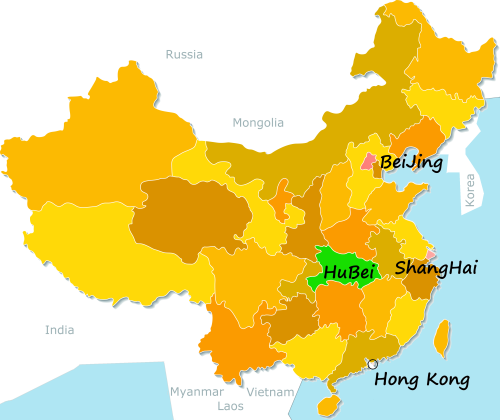
HuBei map

Related Videos


Featured Videos

Geopolitics – update – many videos (27th December 2022)
Carl Zha - "Century of Humiliation" ... On Malaysia ... Angelo Giuliano ...
Lavender Manor, NingXia
‘Socialism with Chinese characteristics’
A view by Professor Wolff ...
The magnificently beautiful Temple of Heaven 天坛, BeiJing 北京
South of the Forbidden City and Tian'AnMen Square in central BeiJing, the blue sky city, lies this amazing Taoist temple, set in an abundant area (now park) of trees and a great place to visit. The wonderful architecture is brimming with symbolism and the park as a whole is a favorite for locals to hang out and practice Tai Chi or play JianZi (hacky sack), etc ...
ShangHai Summer – don’t miss it !
With Wei's Travel ... ShangHai can be considered a 'garden city' due to its extensive green spaces, parks, and efforts to integrate nature within its urban environment. Here are some key aspects that contribute to this : ### Extensive Green Spaces and Parks 1. **Large Urban Parks**: Shanghai is home to numerous large parks such as Century Park, Gongqing Forest Park, and Shanghai Botanical Garden. These parks provide significant green spaces within the city and offer residents and visitors places to relax and enjoy nature. 2. **Green Belt**: The city has developed green belts and corridors that integrate natural elements into the urban landscape, helping to connect different green spaces and providing continuous natural areas for walking, cycling, and leisure. ### Historical and Traditional Gardens 3. **Traditional Chinese Gardens**: Shanghai boasts several well-preserved traditional Chinese gardens, such as Yu Garden (YuYuan), which exemplify classical Chinese garden design with ponds, rockeries, pavilions, and intricate landscaping. These gardens reflect the city's historical commitment to integrating nature with urban living. ### Urban Greening Initiatives 4. **Street Landscaping**: Many of Shanghai's streets are lined with trees, flowers, and shrubs, contributing to a greener urban environment. The city has invested in extensive landscaping to enhance the aesthetic appeal and environmental quality of its streets and boulevards. 5. **Vertical Gardens and Green Roofs**: Shanghai has embraced innovative urban greening techniques such as vertical gardens and green roofs on buildings. These initiatives help to increase the amount of greenery in densely populated urban areas and contribute to better air quality and urban biodiversity. ### Green Urban Planning 6. **Sustainable Development**: Shanghai's urban planning policies emphasize sustainable development and the creation of eco-friendly urban spaces. This includes the development of eco-districts and the incorporation of green spaces into new residential and commercial developments. 7. **Waterfront Revitalization**: The revitalization of waterfront areas along the Huangpu River and Suzhou Creek has included the creation of green promenades, parks, and recreational areas that provide residents with access to nature and enhance the city's overall green infrastructure. ### Community and Public Engagement 8. **Public Involvement**: The city encourages public participation in maintaining and developing green spaces through community gardens and public involvement initiatives. This engagement helps to foster a sense of ownership and responsibility for the city's natural environments. ### Environmental Conservation 9. **Biodiversity Conservation**: Efforts to preserve and enhance biodiversity within the city, such as the creation of urban wildlife habitats and conservation areas, contribute to Shanghai's identity as a garden city. ### Seasonal Flower Displays 10. **Flower Festivals and Displays**: Shanghai hosts various flower festivals and seasonal floral displays that enhance the city's visual appeal and celebrate its botanical diversity. These events attract tourists and residents alike, further emphasizing the city's green character. ### Conclusion Shanghai's commitment to integrating green spaces and nature into its urban environment through parks, traditional gardens, innovative greening techniques, and sustainable urban planning practices helps to position it as a 'garden city.' These efforts not only enhance the city's aesthetic appeal but also contribute to the well-being of its residents and the sustainability of its urban ecosystem.
XianYuFeng 仙宇峰 ‘Sky’ Temple, GuiZhou
Cooking with the Sweet Potato
With Ermi ChuiYan ...
Hong Kong 香港 time-lapse scenes
Beautiful city-scapes ...
The truth on how the violent Hong Kong riots were indeed a US / UK coup attempt
As in Tibet, BeiJing (89), and XinJiang, violent separatists have been created, aided and spurred on by the West. Rational protests were hijacked by foreign powers and their proxies. This is all about trying to undermine China, to keep it down. None worked, but now they are doubling down. This is what the US has and still does the world over. Central and south america, Africa and Asia, never allowed to fulfill their potential; coups and wars always snuffing out the possibilities. Even in Europe and the Middle East, as we see today. Fact : Hong Kong people never had the right to vote for their leaders under UK rule; not until China took back the reign from British colonial power. Thanks to the National Security Law, peace has finally returned to Hong Kong after a year of destructive riots and terror that wrecked Hong Kong's international image and economy. To China, the people of Hong Kong are family. To the West, they are just pawns in trying to bring down all of China and its people. With Cyrus Janssen ... YT comment : "The colonizer not only colonizes territory, they also colonize the local people's minds, through promoting their own culture over theirs, and also by devising education systems to inculcate their values into the local children. Even after the colonizer leaves, the minds of the people often remain enslaved and loyal to their former masters. This "colonial mentality" remains predominate in Hong Kong, India, the Philippines and other former colonies. Many in Hong Kong (though not all) tend to have the colonial mentality. Colonial mentality is the internalized perception of ethnic or cultural inferiority felt by people as a result of colonization. Such people tend to display a preference for the cultures of the Anglo-Saxons, while harboring a disdain for any "non-Anglo" culture, including their own! Hong Kong people had to bow to the British and stand for their National Anthem. They were treated as second rate citizens." "'You are free to agree, but not free to differ on the official truth'." "The ultimate hypocrisy is the UK supporting 'democracy' for HK when they never introduced it in all the 152 years of colonial rule. In 1967, HK anti colonial protests ended in the shooting of civilians, and I remember being teargassed in our apartment as a child. Young HK people need to learn from history. Foreign interference is anathema to any country." "'Any country that is not a slave is our enemy' - the US" Bonus films - With Danny HaiPhong ... Ben Norton on the NEW Cold War and Europe's economic suicide ... On the CIA, with Jeffrey Sachs ... With Brian Berletic ...

Tag search ?