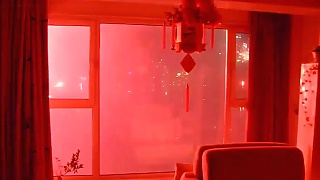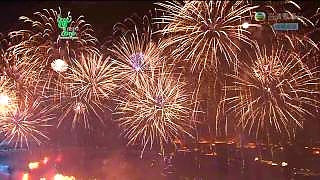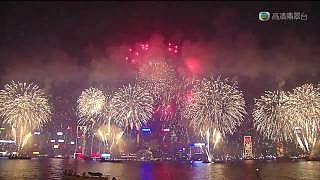
New Year’s Eve fireworks 2014, ShangHai 上海

[640],shadow=true,start=,stop=
[320],shadow=true,start=58,stop=96

Shanghai is one of China's most dynamic and cosmopolitan cities, blending a rich history with modern skyscrapers and vibrant culture. Here's what you need to know as a tourist visiting Shanghai:

Historical and Cultural Landmarks:
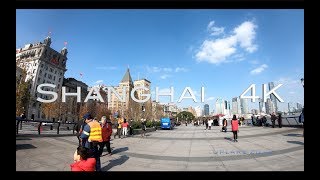
The Bund: This iconic waterfront promenade along the Huangpu River features colonial-era buildings on one side and futuristic skyscrapers on the other, offering stunning views of Shanghai's skyline.

Yu Garden: Dating back to the Ming dynasty, Yu Garden is a classical Chinese garden with pavilions, ponds, and rockeries. The nearby Yu Garden Bazaar is a great place to shop for souvenirs and traditional crafts.

Shanghai Museum: Home to an extensive collection of Chinese art and artifacts, including bronzes, ceramics, paintings, and calligraphy, the Shanghai Museum is a must-visit for history and art enthusiasts.

Jing'an Temple: One of Shanghai's most famous Buddhist temples, Jing'an Temple is known for its beautiful architecture, peaceful atmosphere, and towering golden Buddha statue.

Modern Attractions:
Shanghai Tower: Ascend to the observation deck of this iconic skyscraper, the tallest in China and the second-tallest in the world, for panoramic views of the city.

The Oriental Pearl TV Tower: Another iconic landmark, this futuristic tower offers observation decks, a glass-bottomed skywalk, and a revolving restaurant.

Shanghai Disneyland: Located in the Pudong district, Shanghai Disneyland offers a magical experience for visitors of all ages with its themed lands, attractions, and entertainment.

Shopping and Entertainment:
Nanjing Road: One of the world's busiest shopping streets, Nanjing Road is lined with department stores, boutiques, and restaurants. Don't miss the nearby pedestrian-friendly Nanjing Road East, known for its lively atmosphere and street performers.

Xintiandi: This upscale shopping, dining, and entertainment district features a mix of traditional Shikumen-style buildings and modern amenities, making it a popular destination for locals and tourists alike.

French Concession: Explore this historic neighborhood known for its tree-lined streets, charming cafes, boutiques, and art galleries.

Culinary Delights:
Shanghai Cuisine: Sample local specialties such as xiaolongbao (soup dumplings), shengjianbao (pan-fried dumplings), and Shanghai-style noodles.

Street Food: Wander through the city's bustling food markets and snack streets to taste a variety of street foods, from savory pancakes to grilled skewers.

Practical Tips:
Transportation: Shanghai has an efficient public transportation system, including the subway, buses, and taxis. Consider purchasing a rechargeable transportation card for convenience.

Language: While Mandarin is the official language, English is widely spoken in tourist areas, hotels, and restaurants.

Weather: Shanghai experiences four distinct seasons, with hot, humid summers and chilly winters. The best times to visit are spring (March to May) and autumn (September to November) when the weather is mild and comfortable.

Etiquette: Respect local customs and traditions, such as using polite language and avoiding loud behavior in public places.

Shanghai offers a captivating blend of old and new, with its historic landmarks, modern skyscrapers, vibrant culture, and delectable cuisine. Whether you're interested in history, architecture, shopping, or dining, Shanghai has something to offer every type of visitor.
Related Videos


Featured Videos

First time in China – ShangHai !
A drive through the grasslands of GanSu province
With Walk China ... Grasslands of Gansu Province travel guide Introduction The grasslands of Gansu Province are a breathtaking natural wonder, offering vast expanses of rolling hills, lush meadows, and vibrant wildflowers. These grasslands are home to diverse wildlife and traditional nomadic cultures, providing visitors with a unique and immersive experience. This guide will help you explore the beauty of Gansu's grasslands, including must-see attractions, local culture, and practical travel tips. Must-See Grasslands Maqu Grassland (玛曲草原) Maqu Grassland, located in the southern part of Gansu Province, is one of the most beautiful and well-preserved grasslands in China. The area is known for its rich biodiversity, including rare species of plants and animals. Visitors can experience traditional Tibetan nomadic culture, including horseback riding and staying in yurts. Gannan Tibetan Autonomous Prefecture (甘南藏族自治州) Gannan Tibetan Autonomous Prefecture is a region in Gansu known for its stunning landscapes and vibrant Tibetan culture. The grasslands here are dotted with monasteries, prayer flags, and nomadic camps. Highlights include the Labrang Monastery, one of the six great monasteries of the Gelug school of Tibetan Buddhism, and the Sangke Grassland, a perfect spot for camping and picnicking. Ruoergai Grassland (若尔盖草原) Ruoergai Grassland, also known as Zoige Grassland, is located at the border of Gansu and Sichuan provinces. It is one of the largest and most picturesque grasslands in China, featuring vast wetlands, rivers, and lakes. The area is home to numerous bird species, making it a paradise for bird watchers. Langmusi (郎木寺) Langmusi is a small town located on the border of Gansu and Sichuan provinces, known for its beautiful grasslands and Tibetan Buddhist monasteries. The town is surrounded by lush meadows and mountains, offering excellent opportunities for hiking and horse riding. The local monasteries, such as the Kirti Monastery and Sertri Monastery, are also worth visiting. Local Culture The grasslands of Gansu are home to a diverse range of ethnic groups, including Tibetans, Mongolians, and Hui Muslims. These communities have preserved their traditional ways of life, including nomadic herding, Tibetan Buddhism, and unique culinary traditions. Visitors can immerse themselves in local culture through homestays, attending festivals, and participating in traditional activities. Tibetan Festivals Tibetan festivals are an integral part of the cultural landscape in Gansu's grasslands. Key festivals include Losar (Tibetan New Year), Shoton (Yogurt Festival), and the Horse Racing Festival. These events feature traditional music, dance, religious rituals, and sports competitions, providing a vibrant and immersive cultural experience. Traditional Nomadic Life Experiencing the traditional nomadic lifestyle is a highlight of any visit to the grasslands. Visitors can stay in yurts, ride horses, and learn about the herding practices that have sustained these communities for centuries. This offers a unique insight into the symbiotic relationship between the nomads and their natural environment. Practical Travel Tips Best Time to Visit: The best time to visit the grasslands of Gansu is during the summer months (June to September) when the weather is mild, and the grasslands are in full bloom. Getting Around: Due to the vast and remote nature of the grasslands, hiring a local guide or joining a tour is recommended. Public transportation options are limited, and having a guide will enhance your experience. Accommodation: Accommodation options range from basic guesthouses to traditional yurts. Staying in a yurt provides a unique cultural experience, but it's essential to book in advance, especially during peak tourist season. Health and Safety: The high altitude of some grassland areas can cause altitude sickness. It's important to acclimatize gradually and stay hydrated. Be prepared for varying weather conditions and pack appropriate clothing. Respect Local Customs: When visiting Tibetan and other ethnic communities, respect local customs and traditions. Seek permission before taking photographs, especially in religious sites and of local people. Conclusion The grasslands of Gansu Province offer a unique and unforgettable travel experience, combining stunning natural landscapes with rich cultural heritage. Whether you're exploring the vast meadows, learning about nomadic traditions, or immersing yourself in Tibetan culture, the grasslands of Gansu provide a deep and enriching connection to the natural and cultural wonders of China. Use this guide to plan your journey and make the most of your visit to this extraordinary region.
The beauty, history and culture of HangZhou, ZheJiang province
With CGTN ... Bonus film - the Asian Games sports infrastructure - with Rafa Goes Around! ... Hangzhou, the capital of Zhejiang Province in eastern China, is renowned for its historic relics and natural beauty. Located at the southern end of the Grand Canal, which extends to Beijing, Hangzhou has been one of China's most renowned and prosperous cities for much of the last millennium. Marco Polo reportedly described the city as "the finest and most splendid city in the world." Historical Significance Hangzhou has a rich history dating back over 2,200 years to the Qin Dynasty. It became a significant city during the Sui Dynasty when the Grand Canal was constructed. During the Southern Song Dynasty (1127-1279), Hangzhou was the capital of China, a period that significantly boosted its status and prosperity. West Lake One of Hangzhou’s most famous attractions is West Lake (Xī Hú). This UNESCO World Heritage site is celebrated for its scenic beauty, inspiring poets, scholars, and artists since the 9th century. The lake is surrounded by temples, pagodas, gardens, and artificial islands. Major attractions around West Lake include the Broken Bridge, Su Causeway, and Leifeng Pagoda. Lingyin Temple Lingyin Temple, also known as the Temple of the Soul's Retreat, is one of the largest and wealthiest Buddhist temples in China. It was founded in 328 AD during the Eastern Jin Dynasty. The temple is famous for its grand halls, numerous pagodas, and Buddhist grottoes, particularly the Feilai Feng grottoes, which contain hundreds of stone carvings of Buddhist figures. Longjing Tea Hangzhou is the origin of the world-famous Longjing (Dragon Well) tea. Longjing Tea Village, located in the hills west of West Lake, offers a picturesque setting where visitors can learn about tea cultivation, enjoy tea tastings, and experience traditional tea ceremonies. The tea is renowned for its high quality, green color, fragrant aroma, sweet taste, and flat leaves. Grand Canal The Grand Canal, a UNESCO World Heritage site, is the longest canal or artificial river in the world. Hangzhou marks the southern end of this ancient waterway, which played a crucial role in the cultural and economic development of the region. Visitors can take boat rides to explore the historical and cultural sights along the canal. Modern Hangzhou Today, Hangzhou is a blend of traditional and modern influences. It is an important economic hub, home to numerous high-tech industries and the headquarters of Alibaba Group, one of the world's largest e-commerce companies. The city's infrastructure is well-developed, with a high-speed railway, an international airport, and a comprehensive metro system. Tourism and Culture Hangzhou is a popular tourist destination, attracting millions of visitors each year. The city hosts various cultural festivals, such as the West Lake International Expo, the China International Tea Expo, and the Hangzhou International Marathon. Hangzhou cuisine, known for its light and fresh flavors, is also a highlight for visitors, with famous dishes like Dongpo Pork and West Lake Fish in Vinegar Gravy.  
Red persimmon fruit
Persimmons taste like no other fruit. They have a silky, slippery texture and taste kind of like the fabulous fruity love child of a mango and a roasted sweet pepper, with some cinnamon in the background. They are rich and tangy and sweet, all at the same time. --- TreeHugger May the red, red persimmons bring you a happy, prosperous New Year ! 愿一串串的红柿子给大家带来新一年的柿柿顺心 ❤️
A trip to QingHai 青海 province
Including the capital, XiNing, and QingHai Lake ...
The Oriental Pearl Tower, ShangHai
The beautiful MangShan WuZhiFeng and DeTian Waterfall, HuNan province
With Beijing Old Liu ... Mangshan Wuzhifeng, Xiongqi, and Waterfalls Visitor Guide Mangshan Wuzhifeng, located in Hunan Province, is a breathtaking natural wonder renowned for its rugged peaks, lush forests, and cascading waterfalls. With its nickname "Wuzhifeng" (Five-Finger Peaks), the area is a perfect destination for hiking enthusiasts, nature lovers, and those seeking a tranquil escape. How to Get There By Air: The nearest airport is Changsha Huanghua International Airport. From there, you can take a train or bus to Mangshan Scenic Area. By Train: The high-speed rail to Chenzhou or Yongzhou offers connections to Mangshan by bus or private car. By Road: Direct buses from Chenzhou or nearby towns are available to the scenic area. Top Attractions Wuzhifeng (Five-Finger Peaks) These iconic peaks resemble a hand reaching towards the sky. The view from the summit provides panoramic vistas of the surrounding forested valleys and rugged terrain. It's a must-visit for photography and hiking enthusiasts. Xiongqi Waterfalls The area is dotted with numerous waterfalls cascading from great heights. The Xiongqi Waterfalls are particularly stunning, with their powerful flow and mist creating a magical atmosphere. Visitors can enjoy the cooling spray during warm months. Mangshan Forest This lush forest is home to diverse flora and fauna. The forest is known for its giant ancient trees, rare plants, and a variety of bird species. It’s a great spot for nature walks and birdwatching. Cloud Sea Viewing On misty mornings, the valleys below Wuzhifeng are often filled with a sea of clouds, creating an otherworldly landscape. Sunrise views are particularly spectacular from designated observation decks. Golden Dragon Pool Located within the scenic area, this serene pool is surrounded by verdant greenery and is perfect for quiet reflection and relaxation. Activities and Experiences Hiking trails leading to the peaks and viewpoints. Exploring the waterfalls and enjoying the cool mist. Camping under the stars for an immersive nature experience. Photography of the unique landscapes and vibrant biodiversity. Birdwatching and wildlife spotting in the forest. Best Time to Visit Spring (March–May): Mild weather and blooming flowers make this season ideal for exploring. Autumn (September–November): Cool temperatures and colorful foliage enhance the scenic beauty. Summer (June–August): The waterfalls are at their most vibrant due to the rainy season, offering refreshing experiences. Local Tips Wear sturdy hiking shoes and bring rain gear if visiting during the rainy season. Carry water and snacks, as facilities may be limited on certain trails. Arrive early to enjoy the best light for photography and avoid long waits at viewpoints. Additional Information Entrance Fee: Tickets are required for access to the scenic area and can be purchased at the entrance or online. Transportation: Shuttle buses within the scenic area provide access to major attractions. Accommodations: Nearby towns offer a range of hotels and guesthouses, including eco-friendly lodges. With its dramatic peaks, enchanting waterfalls, and serene forest trails, Mangshan Wuzhifeng and Xiongqi Waterfalls promise an unforgettable experience for every nature enthusiast. Detian Waterfall Visitor Guide Detian Waterfall, located on the border between China and Vietnam in Guangxi Province, is one of Asia's most magnificent natural wonders. The cascading falls span both countries, offering a unique blend of natural beauty and cultural significance. How to Get There By Air: The nearest airport is Nanning Wuxu International Airport, approximately 210 km from the waterfall. From Nanning, you can take a bus or hire a private car to reach the site. By Train: Trains to Chongzuo or Daxin County provide access to Detian Waterfall via local transportation. By Bus: Buses from Nanning or nearby towns like Daxin County operate regularly to the scenic area. Top Highlights The Waterfall Detian Waterfall is a multi-tiered cascade that stretches over 200 meters wide, with a drop of 70 meters. It is fed by the Guichun River, creating a thundering spectacle, especially during the rainy season when the water flow is at its peak. Border Views As the waterfall straddles the border between China and Vietnam, visitors can enjoy views of both countries. Vietnamese fishing boats often add charm to the scene, and the unique geography makes this a one-of-a-kind destination. Rafting Experience Visitors can take a bamboo raft to get up close to the falls, feeling the mist and hearing the roar of the cascading water. It's an exhilarating way to experience the power and beauty of the waterfall. Surrounding Scenery The area around Detian Waterfall is lush with greenery, karst formations, and rice terraces, creating a serene and picturesque environment for exploration and photography. Local Culture The region is home to the Zhuang ethnic group, and visitors can experience traditional Zhuang culture, including music, dance, and local cuisine. Best Time to Visit Spring (March–May): The weather is mild, and the scenery is vibrant with blooming flowers and fresh greenery. Summer (June–August): The rainy season enhances the water flow, making the falls even more majestic. Autumn (September–November): Clear skies and cooler temperatures provide excellent conditions for sightseeing. Activities and Tips Take a bamboo raft ride to experience the falls up close. Visit the observation decks for panoramic views of the waterfall and surrounding landscape. Explore nearby villages to learn about local customs and enjoy authentic Zhuang cuisine. Bring a waterproof camera or phone case to capture the beauty without worry. Wear comfortable shoes for walking and exploring the area. Additional Information Entrance Fee: Tickets are required to access the Detian Scenic Area and can be purchased online or at the entrance. Transportation: Shuttle buses are available within the scenic area to help visitors access key spots. Accommodations: Nearby towns offer a variety of accommodations, including guesthouses and boutique hotels. Whether you're seeking natural beauty, cultural immersion, or a peaceful retreat, Detian Waterfall offers a memorable experience in one of China's most enchanting landscapes.
The nature of reality, space, time and consciousness
With Alan Watts ...
Universal Studios, BeiJing
Full, day to night tour. With Wei's Travel ... Bonus film - walking the sky gardens at Centennial Park, ShangHai ...

Tag search ?