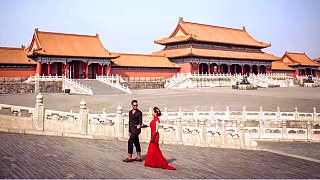
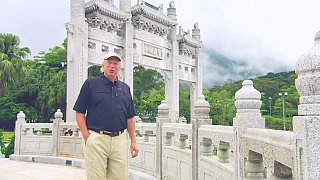
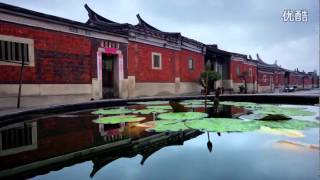
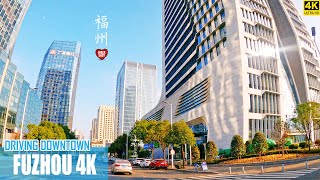
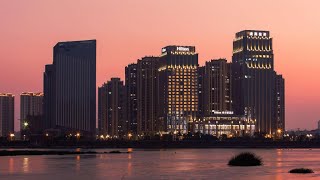
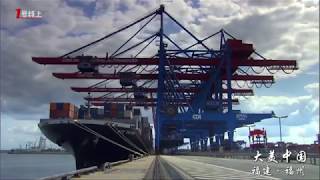
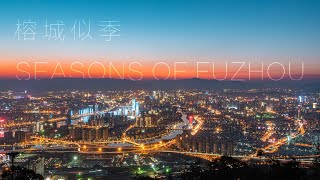
This is FuZhou, FuJian province

With Seiu Travel ...

[640],shadow=true,start=,stop=

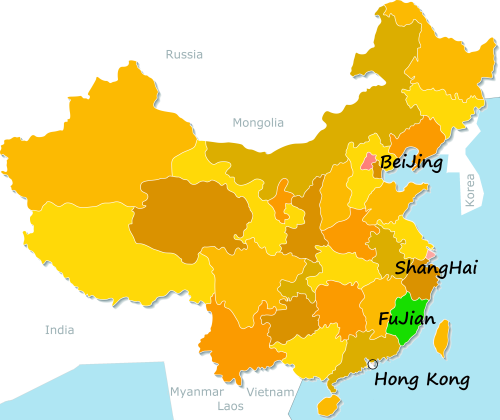
FuJian map

Related Videos


Featured Videos

A taste of SiChuan 四川
MingShui ancient town, JiNan, ShanDong province
With China Walking Tour ... Visitor Guide to MingShui Ancient Town, ShanDong Province Overview MingShui Ancient Town, located in the city of JiNan in ShanDong Province, is a well-preserved historical town with a rich cultural heritage. Known for its traditional architecture, charming streets, and historical sites, MingShui offers a fascinating glimpse into the life and culture of ancient China. Getting There By Air: The nearest airport is JiNan Yaoqiang International Airport (TNA), located about 50 kilometers from MingShui. From the airport, you can take a taxi or a shuttle bus to MingShui. By Train: JiNan Railway Station and JiNan East Railway Station offer convenient connections to MingShui. From these stations, you can take a local bus or taxi to reach MingShui. By Bus: Long-distance buses from nearby cities such as JiNan and Tai'an provide direct routes to MingShui. The main bus station in MingShui is MingShui Long-Distance Bus Station. Getting Around Walking: MingShui Ancient Town is best explored on foot, allowing you to fully appreciate the historical architecture and charming streets. Biking: Renting a bicycle is a great way to explore the surrounding areas and nearby attractions at your own pace. Local Transport: Taxis and local buses are available for traveling to and from different parts of MingShui and JiNan. Main Attractions MingShui Old Street MingShui Old Street is the heart of the ancient town, lined with traditional buildings, shops, and tea houses. Strolling along this street, you can experience the charm of old China and discover local handicrafts, snacks, and souvenirs. Yunmen Temple This historic Buddhist temple is a significant cultural site in MingShui. The temple features ancient architecture, beautiful gardens, and intricate statues, making it a peaceful place for reflection and exploration. MingShui Ancient City Wall The ancient city wall of MingShui is a testament to the town's historical importance. Visitors can walk along the wall and enjoy panoramic views of the town and its surroundings. Shuiyue Pavilion Shuiyue Pavilion is a beautiful structure located near a serene pond, offering a picturesque setting for photography and relaxation. The pavilion is a great spot to enjoy the tranquility of the town. Traditional Folk Houses Scattered throughout MingShui are traditional folk houses that showcase the architectural styles and living conditions of ancient Chinese families. These houses provide a fascinating look into the past. Local Cuisine MingShui's cuisine is characterized by its use of fresh ingredients and traditional cooking methods. Here are some must-try dishes: MingShui Tofu: This locally made tofu is known for its delicate texture and rich flavor, often served with a variety of sauces and garnishes. Shandong Pancakes: A popular local snack, these thin pancakes are typically filled with vegetables, meat, or seafood. Local Noodles: Hand-pulled noodles served with a variety of toppings, including vegetables, meat, and savory broths. Traditional Pastries: Try the local pastries, which are often filled with sweet or savory ingredients and baked to perfection. Shopping Local Handicrafts: MingShui is known for its traditional handicrafts, including pottery, paper-cutting, and embroidery. These items make for unique souvenirs. Antique Shops: Explore local antique shops for historical artifacts, vintage items, and collectibles. Local Markets: Purchase fresh produce, local snacks, and traditional items at the town's bustling markets. Accommodation Traditional Inns: For an authentic experience, consider staying in a traditional inn or guesthouse, which often feature historical architecture and local decor. Mid-Range Hotels: Options such as the MingShui Hotel and local boutique hotels provide comfortable accommodations at reasonable prices. Budget Hotels: For budget travelers, hostels and budget hotels in and around MingShui offer affordable and convenient lodging. Tips for Visitors Best Time to Visit: The best times to visit MingShui are spring (April to June) and autumn (September to November) when the weather is mild and pleasant. Clothing: Wear comfortable walking shoes and dress in layers to accommodate changing temperatures. An umbrella or raincoat is useful during the rainy season. Respect Local Customs: Be respectful of local customs and traditions. Dress modestly and be mindful of local etiquette, especially when visiting historical and cultural sites. Language: While Mandarin is widely spoken, learning a few basic phrases or using a translation app can be very helpful. Plan Your Visit: MingShui is best explored at a leisurely pace. Take your time to wander through the streets, visit local shops, and enjoy the tranquil atmosphere. Conclusion MingShui Ancient Town, with its rich history, traditional architecture, and serene environment, offers a unique and memorable travel experience. Whether you're exploring ancient streets, savoring local cuisine, or visiting historical sites, MingShui provides an unforgettable glimpse into the past. Plan your visit carefully to make the most of your trip to this charming town in ShanDong Province.
Autumn in the Olympic Forest Park, BeiJing
Amazing bamboo (4) basket weaving
Beautiful. Traditional Chinese craftsmanship ...
Road trip idea from BeiJingBuzzz – DaLi, YunNan to Lhasa, Tibet / XiZang (2-4 weeks; two alternate routes)
Scenic Road Trip Routes from Dali to Lhasa Route Overview Traveling from Dali to Lhasa is an epic journey through some of China's most stunning landscapes. Here are two detailed scenic routes with notable stops along the way:   Route 1: Northern Route Day 1-2: Dali to Lijiang (Approx. 180 km) Route: Take the G214 National Road north from Dali to Lijiang. Highlights: Enjoy the scenic views along the way, including Erhai Lake and the ancient town of Lijiang. Day 3-4: Lijiang to Shangri-La (Zhongdian) (Approx. 180 km) Route: Continue on G214 National Road north to Shangri-La. Highlights: Visit Tiger Leaping Gorge and enjoy the views of the Jade Dragon Snow Mountain. Day 5: Shangri-La to Deqin (Approx. 180 km) Route: Stay on G214 National Road heading north to Deqin. Highlights: Explore Songzanlin Monastery in Shangri-La and enjoy the panoramic views of Meili Snow Mountain in Deqin. Day 6: Deqin to Markam (Approx. 220 km) Route: Take the G214 National Road, crossing into Tibet and continue to Markam. Highlights: Pass through the spectacular mountainous regions and along the Mekong River. Day 7: Markam to Zogang (Approx. 150 km) Route: From Markam, take the G318 National Road west towards Zogang. Highlights: Experience the dramatic high-altitude landscapes and valleys. Day 8: Zogang to Baxoi (Approx. 120 km) Route: Continue on the G318 National Road from Zogang to Baxoi. Highlights: Enjoy the rugged and scenic terrain along the way. Day 9: Baxoi to Ranwu (Approx. 160 km) Route: Stay on the G318 National Road heading west to Ranwu. Highlights: Pass by the beautiful Ranwu Lake, known for its clear waters and stunning reflections. Day 10: Ranwu to Bomi (Approx. 130 km) Route: Continue on G318 National Road from Ranwu to Bomi. Highlights: Drive through lush forests and alongside beautiful rivers. Day 11: Bomi to Nyingchi (Approx. 230 km) Route: Continue on G318 National Road from Bomi to Nyingchi. Highlights: Enjoy the lush scenery of Nyingchi, known for its forests and the Niyang River. Day 12-13: Nyingchi to Lhasa (Approx. 400 km) Route: Take the G318 National Road west from Nyingchi to Lhasa. Highlights: Pass through Mila Mountain and follow the Yarlung Tsangpo River Gorge. In Lhasa, explore the Potala Palace, Jokhang Temple, and Barkhor Street.   Route 2: Southern Route Day 1-2: Dali to Kunming (Approx. 340 km) Route: Take the G56 Hangrui Expressway east from Dali to Kunming. Highlights: Kunming, known as the "Spring City," offers attractions like the Stone Forest (Shilin), Dianchi Lake, and Green Lake Park. Day 3: Kunming to Panzhihua (Approx. 310 km) Route: Continue on the G56 Hangrui Expressway north to Panzhihua. Highlights: Panzhihua, a city built around the steel industry, provides access to scenic spots like the Jinsha River and nearby hot springs. Day 4: Panzhihua to Xichang (Approx. 260 km) Route: Take the G5 Beijing-Kunming Expressway north to Xichang. Highlights: Xichang is known for Qionghai Lake and the Luoji Mountain scenic area. It's also a gateway to the Liangshan Yi Autonomous Prefecture. Day 5: Xichang to Kangding (Approx. 380 km) Route: Continue on the G5 Beijing-Kunming Expressway, then take the G318 National Road west to Kangding. Highlights: Kangding is famous for its stunning mountain scenery, including Gongga Mountain (Minya Konka), and the beautiful Mugecuo Scenic Area. Day 6: Kangding to Litang (Approx. 280 km) Route: Take the G318 National Road west from Kangding to Litang. Highlights: Litang, one of the highest towns in the world at 4,014 meters, is known for its Tibetan culture and the Litang Monastery. Day 7: Litang to Batang (Approx. 160 km) Route: Continue on the G318 National Road west to Batang. Highlights: Batang is a charming Tibetan town with picturesque landscapes and rich cultural heritage. Day 8: Batang to Markam (Approx. 160 km) Route: Cross into Tibet and stay on the G318 National Road to Markam. Highlights: Scenic mountain vistas and the Mekong River valley. Day 9: Markam to Zogang (Approx. 150 km) Route: Continue on the G318 National Road from Markam to Zogang. Highlights: Stunning high-altitude terrain and valleys. Day 10: Zogang to Baxoi (Approx. 120 km) Route: Stay on the G318 National Road heading west to Baxoi. Highlights: Enjoy the rugged and scenic terrain along the way. Day 11: Baxoi to Ranwu (Approx. 160 km) Route: Continue on the G318 National Road from Baxoi to Ranwu. Highlights: Pass by the beautiful Ranwu Lake, known for its clear waters and stunning reflections. Day 12: Ranwu to Bomi (Approx. 130 km) Route: Continue on G318 National Road from Ranwu to Bomi. Highlights: Drive through lush forests and alongside beautiful rivers. Day 13: Bomi to Nyingchi (Approx. 230 km) Route: Continue on G318 National Road from Bomi to Nyingchi. Highlights: Enjoy the lush scenery of Nyingchi, known for its forests and the Niyang River. Day 14: Nyingchi to Lhasa (Approx. 400 km) Route: Take the G318 National Road west from Nyingchi to Lhasa. Highlights: Pass through Mila Mountain and follow the Yarlung Tsangpo River Gorge. In Lhasa, explore the Potala Palace, Jokhang Temple, and Barkhor Street.   Tips for the Journey Permits: Ensure you have the necessary permits to travel in Tibet. Foreign tourists need a Tibet Travel Permit. Vehicle: A sturdy 4x4 vehicle is recommended due to the rough terrain and high altitudes. Altitude Sickness: Be prepared for high altitudes. Acclimate gradually and consider medication for altitude sickness. Weather: Check the weather conditions, especially in winter, as some roads may be impassable. Supplies: Carry sufficient food, water, and emergency supplies, as some areas are remote with few facilities. These road trips offers a blend of cultural experiences, breathtaking landscapes, and a sense of adventure, making it one of the most scenic routes in China.  
The Great Wall : JinShanLing 金山岭 to SiMaTai 司马台, BeiJing
A beautiful hike. The journey takes about 4 to 5 hours at a reasonably relaxing pace. With LimeWave Media ...
Day trip to MuTianYu Great Wall of China, BeiJing
With Cheese Diary ... With Footprint ...
A fun trip to WuHan, HuBei province
With Busola Deborah ... Indeed - happiness is a choice. Why would one not be extremely grateful to be alive, and live with passion ? Dance, smile, laugh ! Good vibes resonate around the world. PS : wonder why you never ever see real China on Western MSM ? ; )
KunMing city walk, YunNan province
With Walk East ...

Tag search ?