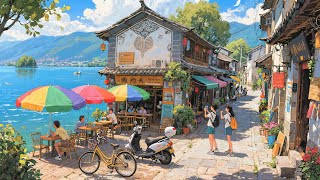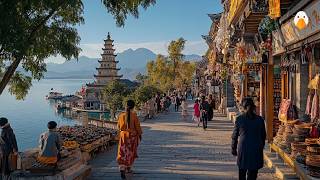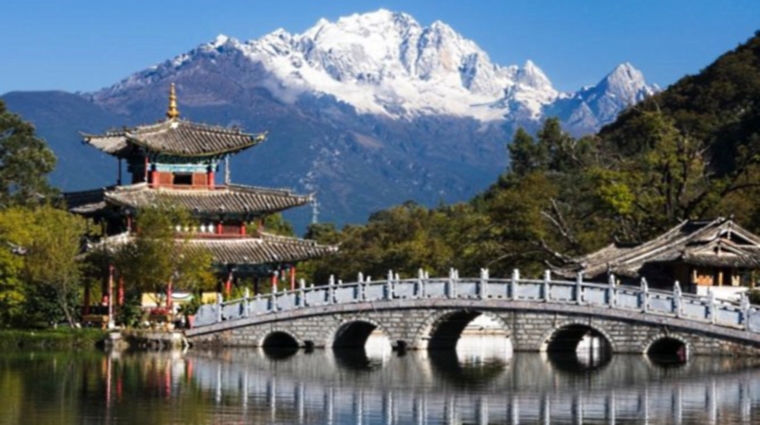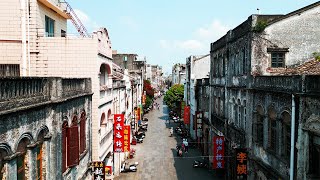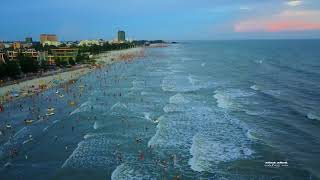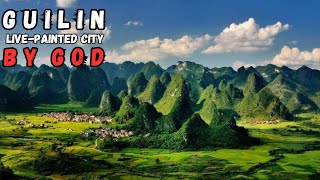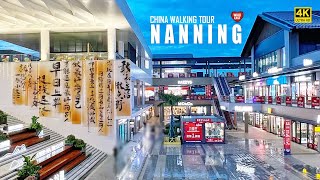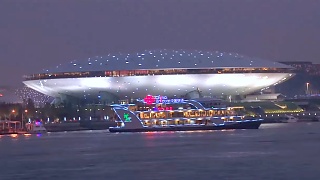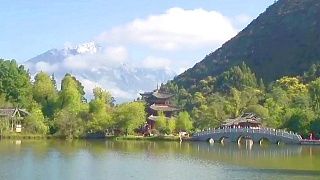
NanNing, capital city of GuangXi province

With DuckTravel ...

[640],shadow=true,start=,stop=

With Walk East ...

[320],shadow=true,start=,stop= [320],shadow=true,start=,stop=

With Chao's Travel Log ..

[320],shadow=true,start=,stop=

Nanning, the capital of the Guangxi Zhuang Autonomous Region in southern China, offers visitors a rich tapestry of cultural, natural, and culinary experiences. Here's what you need to know:

Green City: Nanning is often referred to as the 'Green City' due to its abundance of lush greenery, parks, and gardens. One of the most famous parks is the People's Park, where you can enjoy leisurely walks, boat rides on the lake, and observe locals practicing tai chi or playing traditional musical instruments.

Ethnic Diversity: Guangxi is home to numerous ethnic minorities, and Nanning reflects this diversity. The Guangxi Museum offers insights into the region's rich cultural heritage, including exhibitions on the Zhuang, Miao, Dong, and other minority groups.

Detian Waterfall: While not directly in Nanning, Detian Waterfall, located about 3-4 hours away by car, is a must-see attraction for nature lovers. It is one of the largest transnational waterfalls in Asia, shared between China and Vietnam, and offers breathtaking views amidst a picturesque landscape.

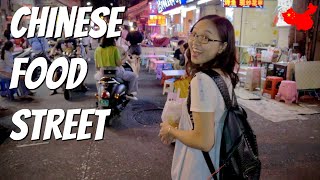
Local Cuisine: Nanning is renowned for its diverse culinary scene, influenced by both Han Chinese and minority cuisines. Don't miss trying local specialties such as Luosifen (a spicy rice noodle soup), sour fish soup, and various grilled skewers from street vendors.

Bama Longevity Village: Another attraction not far from Nanning is Bama Longevity Village, known for its high percentage of centenarians. Visitors can explore the village, learn about the lifestyle and diet of its residents, and perhaps gain insights into longevity.

Shopping: Nanning offers a variety of shopping experiences, from modern malls to traditional markets. Zhongshan Road is a bustling pedestrian street lined with shops, restaurants, and entertainment venues, ideal for souvenir hunting or simply soaking up the local atmosphere.

Transportation Hub: As a major transportation hub in southern China, Nanning is well-connected by air, rail, and road. Nanning Wuxu International Airport serves both domestic and international flights, making it convenient for travelers to access the city.

Folk Customs: Throughout the year, Nanning hosts various festivals and events showcasing its rich folk customs and traditions. The Nanning International Folk Song Arts Festival and the Zhuang Sisters' Meal Festival are among the most notable celebrations.

Overall, Nanning offers a blend of cultural immersion, natural beauty, and gastronomic delights, making it a compelling destination for visitors seeking an authentic experience in southern China.
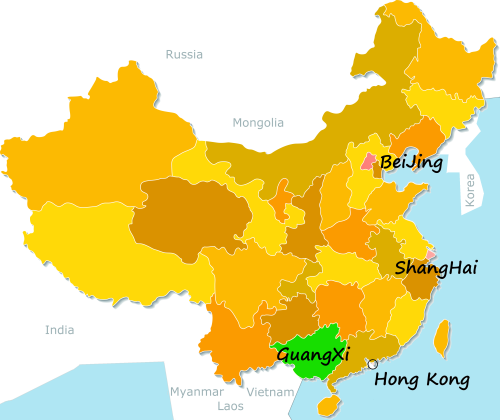
GuangXi map

Related Videos


Featured Videos

China Icons – a selection of films
Looking for Chinese culture, life-stories, and cultural news from around China ? Check out our new China Icons page, automatically updated with the latest films from the highly regarded China Icons team. We dipped into the archives to present a selection of films from 2016, starting with 'Hopes and Dreams - China's migrant factory workers' ... The China Icons page - bookmark or find the link in the sidebar.
China’s new 600 kph maglev rail, and what it means for Belt & Road partners
Now you’re in Beijing 北京 … (Flashback – almost 10 years !)
Original posting - December 2014. Starting with 'Now you're in Beijing (commie jungle mix)', music video. Plus Beijing's popular attractions, a trip to the blue sky city, QianHai Lake (in central Beijing), the BeiJing to ShangHai sleeper train, and The Forbidden City (documentary; in English) bonus films ... 'Now you're in Beijing ...' - think about it - you're in Beijing, China - it might be different but that is here and not there; sure some things could be better - such as rights and protections for migrant workers, but Rome wasn't built in a day, as they say. A few words on the Hu JinTao / Wen JiaBao era - definately one of China's most successful jumps forward; a major rise in prosperity for all, the growth of great infrastructure, such as the high-speed rail system, and much more, the Beijing Olympics, the Shanghai World Expo, space exploration, and the list goes on ... A happy retirement to two leaders who helped guide China back to greatness ! Mao ZeDong unified the country and helped defeat the Japanese invaders, and for that is a national hero. But things didn't go so well subsequently and on his death the 'Gang of Four' were arrested and China took a new path, though slowly at first following the courageous efforts of Deng XiaoPing. But it was not until circa 1990 that China really began to take off. So its rise to greatness, once more, is remarkable for having been achieved, from so little, in just 25 years. Obviously, they have done most things very right.
A glimpse of China – a 1 minute time-lapse film
ChongQing 重庆 night views …
GuiLin 桂林 photo tour : cormorant fishing, river rafting and landscape photography
Very beautiful scenes - don't miss it ...
The Three Gorges 三峡 of the YangTze River 长江
The Three Gorges 三峡 section of the YangTze River (YangZi in modern PinYin; also known as Chang Jiang - Long River) 长江.
The War Party : Jeremy Scahill on how U.S. militarism unifies democrats and republicans
With Democracy Now ... On 'Western Civilization', with ShangGuan JieWen ...
A month in China : SiChuan province : tour suggestion from BeiJingBuzzz
SiChuan Province Tour, China This itinerary covers a diverse range of experiences in SiChuan Province, including city exploration, natural wonders, and cultural immersion. Week 1: Chengdu and Surroundings Explore the vibrant city of Chengdu, visit Tianfu Square, and experience local cuisine at Jinli Ancient Street. Visit the Chengdu Research Base of Giant Panda Breeding to see adorable pandas in their natural habitat. Take a day trip to the Leshan Giant Buddha, the world's largest stone Buddha statue, and explore the surrounding area. Visit the Wuhou Shrine and Jinsha Site Museum to learn about the history of the region. Week 2: Jiuzhaigou Valley and Huanglong Travel to Jiuzhaigou Valley, a UNESCO World Heritage Site known for its stunning turquoise lakes, waterfalls, and forests. Explore the scenic beauty of Jiuzhaigou National Park, including stops at Shuzheng Valley, Rize Valley, and Zechawa Valley. Visit Huanglong National Scenic Reserve, famous for its colorful pools, snow-capped peaks, and ancient temples. Enjoy hiking opportunities in both Jiuzhaigou and Huanglong, taking in the natural splendor of the region. Week 3: Mount Emei and Leshan Travel to Mount Emei, one of the Four Sacred Buddhist Mountains of China, and explore its scenic beauty and religious sites. Hike to the Golden Summit of Mount Emei to see the sunrise and visit the Huazang Temple and Giant Buddha Statue. Explore the ancient town of Leshan and visit the Lingyun Temple before taking a boat ride to see the Giant Buddha from below. Take a relaxing stroll along the riverside and enjoy local cuisine in Leshan. Week 4: Western Sichuan and Tibetan Culture Travel to Western Sichuan to explore the stunning landscapes of the Tibetan Plateau. Visit the town of Tagong and its famous Tagong Monastery, surrounded by picturesque grasslands and snow-capped mountains. Explore the town of Litang and visit the Litang Monastery, one of the largest and most important Tibetan Buddhist monasteries in Sichuan. Experience the unique Tibetan culture and hospitality in the region, including traditional dances, music, and cuisine.

Tag search ?